
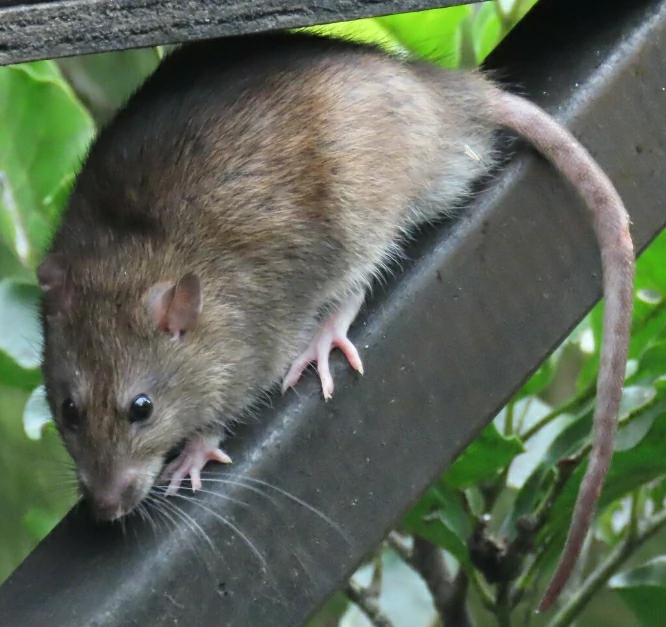
Setting out rat poison is just the first step in solving your rodent problem. The real question is whether the poison is actually killing the rats or if you’re just wasting time and money.
Rats are secretive creatures that hide when they’re sick or dying, so you can’t always see the results directly. How can you tell if rat poison is working?
You can tell rat poison is working by checking if the bait is being eaten (it will decrease or disappear from bait stations), finding dead rats, noticing a decrease in rat activity like droppings and scratching sounds, and observing changes in damage to food packages and materials. Most rats die within 3 to 7 days after eating a lethal dose of poison.
Knowing the signs that your rat poison is working helps you understand if your strategy is effective or if you need to make changes.
Different environments (inside your home versus outside in your yard) show different signs, so you need to know what to look for in each location.
How Rat Poison Actually Kills Rats
Before you can tell if poison is working, you need to understand how it kills rats. Most modern rat poisons use anticoagulants that stop the rat’s blood from clotting normally.
When a rat eats anticoagulant poison, the chemicals build up in its system over several days. The rat doesn’t die immediately, which actually helps the poison work better because the rat doesn’t associate eating the bait with feeling sick.
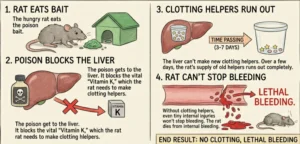
After eating enough poison, the rat starts bleeding internally. This internal bleeding gets progressively worse until the rat becomes too weak and dies. The whole process typically takes 3 to 7 days from when the rat first eats a lethal dose.
Some newer rat poisons use bromethalin instead of anticoagulants. This chemical attacks the rat’s nervous system and brain, causing swelling that leads to paralysis and death. Bromethalin works faster than anticoagulants, often killing rats within 1 to 3 days.
Understanding this timeline is important because it tells you when to start looking for signs of success. Don’t expect results overnight, but you should definitely see changes within a week of putting out fresh poison.
The Most Obvious Sign: Bait Disappearing From Stations
The easiest way to tell if rats are taking your poison is to check if the bait is disappearing. If you’re losing bait, rats are definitely eating it.
Check your bait stations every 2 to 3 days. Look inside and see how much bait remains compared to when you first filled the station. If the bait level is going down, you’ve got rats feeding.
Some bait stations have clear windows that let you check bait levels without opening them. This is really convenient and saves you from having to handle the poison repeatedly.
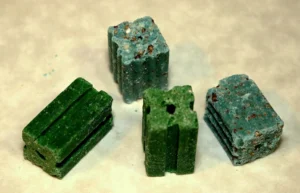
If bait isn’t disappearing at all after several days, your rats might not be finding the stations. Try moving them to different locations along walls or in areas where you’ve seen rat droppings.
Keep refilling stations as the bait gets eaten. Rats will keep coming back until they’ve consumed a lethal dose. Some rats need multiple feedings to get enough poison to die, so continuous access to fresh bait is critical.
If bait suddenly stops disappearing after being eaten for several days, this is actually a good sign. It probably means you’ve killed most or all of your rats, and there aren’t any left to eat the poison.
Finding Dead Rats: What This Tells You
Finding dead rats is the most definitive proof that your poison is working. Where you find them and what condition they’re in can tell you a lot about your infestation.
Rats poisoned with anticoagulants can become weak and lethargic as the poison interferes with blood clotting and can cause internal bleeding.
You might find dead rats near water sources like pipes, water heaters, or even toilets, but this doesn’t necessarily mean they were seeking water before they died.
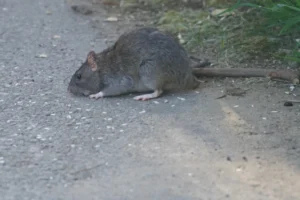
Dead rats from bromethalin poisoning might be found anywhere because this poison causes neurological problems that affect the rat’s normal movement and behavior.
Some rats become weak, lose coordination, or become paralyzed before dying and may be unable to move from wherever they are when the poison takes full effect.
The number of dead rats you find gives you an idea of how bad your infestation was. Finding 2 or 3 dead rats means you had a small problem. Finding 10 or more means your infestation was serious.
Don’t be surprised if you smell dead rats before you see them. Decomposing rats produce a strong, distinctive odor that smells musty and sweet at the same time. If you smell this, start searching wall voids, attics, and crawl spaces.
Not finding dead rats doesn’t mean the poison isn’t working. Many rats die in hidden locations like inside walls, under floors, or in tight spaces where you can’t easily see them.
Changes in Rat Activity and Behavior
Even if you don’t find dead rats, you should notice changes in rat activity if the poison is working. These behavioral changes are strong indicators of success.
Listen for changes in scratching and scurrying sounds, especially at night when rats are most active. If you were hearing rats in your walls or attic every night and the sounds decrease or stop, the poison is working.
Check for fresh droppings in areas where you’ve seen them before. Rat droppings are small, dark, and pellet-shaped. If you’re seeing fewer new droppings each day, your rat population is declining.
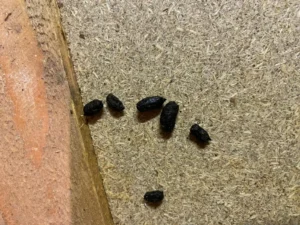
Look at food packages in your pantry or storage areas. Active rats will chew through cardboard, plastic, and paper to get at food. If damage to packages decreases or stops, you’re killing rats.
Pay attention to gnaw marks on wood, wires, and other materials. Fresh gnaw marks are lighter in color than old ones. If you stop seeing new gnaw marks, rat activity is decreasing.
Some rats become more visible and active right before they die because the poison affects their behavior. If you suddenly see rats during the daytime when they’re normally nocturnal, this might actually mean the poison is working.
Signs Rat Poison is Working Inside Your Home
Inside your home, you’ll notice specific signs that indicate your poison is effectively reducing the rat population. These indoor indicators are often easier to monitor than outdoor signs.
Decreased Noise in Walls and Ceilings
Rats make a lot of noise when they’re active inside your walls, attic, or ceiling spaces. You’ll hear scratching, scurrying, squeaking, and thumping, especially at night.
As the poison starts killing rats, these sounds will gradually decrease. You might go from hearing rats every night to only hearing them occasionally to not hearing them at all.
The timeline for this decrease depends on how many rats you had initially. A small infestation might go quiet within a week, while a large infestation could take 2 to 3 weeks of continuous poisoning.
If you hear increased activity for a day or two before the sounds stop, don’t panic. Poisoned rats sometimes become more active as the toxin affects their nervous system.
Fewer Droppings in Living Spaces
Rats produce a lot of droppings, around 40 to 50 pellets per day per rat. These droppings appear along their travel routes, near food sources, and in nesting areas.
Check the same spots every day where you’ve previously seen droppings. Count them if you want to be really precise. You should see the number of new droppings decrease if the poison is working.
Focus on areas like kitchen cabinets, pantries, behind appliances, and in corners. These are prime spots for rat activity and will show the clearest changes.
Old droppings are hard and dry, while fresh droppings are soft and moist. If you’re only seeing hard, dry droppings and no fresh ones, your active rat population is gone.
Less Damage to Food and Materials
Active rats constantly chew on food packages, cardboard boxes, fabric, paper, and even plastic to get at food or gather nesting material. This damage is very distinctive.
Check your pantry and storage areas for new damage. If boxes that were getting chewed last week are now being left alone, you’re killing rats.

Look at pet food bags, cereal boxes, and any other food stored in cardboard or thin plastic. Rats will gnaw through these to get at the contents inside.
Inspect areas where you store paper products, fabric, or insulation. Rats use these materials for nests. If shredding and damage stops, rat activity is decreasing.
Disappearing Bait From Indoor Stations
Indoor bait stations should show clear signs of feeding if rats are taking the poison. Check them every few days to monitor consumption.
If bait is disappearing steadily for the first week or two and then stops, this usually means you’ve killed your rats. Keep the stations out for another week or two to make sure no new rats move in.
If bait never gets eaten, your stations might be in the wrong spots. Move them to areas along walls where you’ve seen droppings or heard sounds.
The Smell of Dead Rats
Unfortunately, one sign that poison is working inside your home is the smell of decomposition. Rats often die inside walls, under floors, or in other hidden spaces.
The smell usually appears 3 to 7 days after you put out poison, which matches up with how long anticoagulant poisons take to kill rats. The odor is strongest for about a week and then gradually fades as the body dries out.
If you smell decomposition, try to locate the general area. You might be able to remove the dead rat if it’s accessible. If it’s inside a wall, you’ll have to wait for the smell to fade naturally.
The presence of this smell, while unpleasant, confirms that your poison is definitely working. Dead rats equal fewer live rats.
Signs Rat Poison is Working Outside Your Home
Outdoor rat populations show different signs when poison is working because the environment is less controlled and rats have more places to hide and die.
Decreased Activity Around Your Property
Watch for changes in rat activity in your yard, garden, shed, or garage. Rats are most active at dusk and dawn, so these are the best times to observe.
If you were regularly seeing rats scurrying across your yard or near your garbage cans and this activity decreases or stops, the poison is working.

Look for changes in pathways through grass or mulch. Rats create visible trails where they travel repeatedly. If these trails stop showing fresh activity, rat numbers are dropping.
Check areas around bird feeders, compost bins, and garbage cans. These are major attractants for rats. Less activity in these zones means fewer rats.
Less Damage to Garden and Landscaping
Outdoor rats damage gardens by eating vegetables, fruits, and seeds. They also disturb mulch, dig holes, and gnaw on irrigation lines and sprinkler heads.
If vegetables and fruits that were being eaten suddenly stop showing new damage, you’re killing the rats responsible. Compare damage levels week by week.
Look at your mulch and soil. Active rats dig and disturb these areas looking for insects and making pathways. If the ground stays undisturbed, rat activity is decreasing.
Check any outdoor structures like sheds, playhouses, or storage boxes. Rats gnaw on wood and plastic to create entry holes. New gnaw marks should decrease or stop if poison is working.
Bait Consumption in Outdoor Stations
Outdoor bait stations need to be checked more frequently than indoor ones because weather and other animals can affect the bait.
Look for decreasing bait levels over the first 1 to 2 weeks. Rats should be finding and eating the poison consistently during this period.
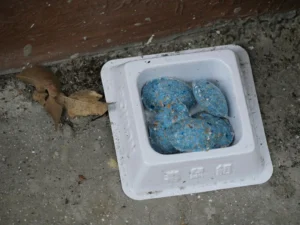
If bait gets wet or moldy, replace it immediately. Rats won’t eat spoiled bait, so you can’t tell if poison is working when the bait is in bad condition.
Watch for signs that non-target animals are getting into your stations. If the bait is scattered around or the station is knocked over, something other than rats is interfering.
When bait consumption suddenly stops after steady feeding, you’ve likely killed most of your outdoor rats. Keep stations out for 2 more weeks to catch any stragglers or new arrivals.
Finding Dead Rats Outdoors
You’re more likely to find dead rats outdoors than indoors because there’s more open space and fewer hiding spots inside structures.
Check areas under bushes, in tall grass, near water features, and along fence lines. These are common places for poisoned rats to die.
Look near your bait stations. Some rats will die close to where they ate the poison, especially if they consumed a large amount in one feeding.
Predators and scavengers will sometimes remove dead rats before you find them. If you’re not finding bodies but all other signs point to successful poisoning, don’t worry. The rats are still dying.
Dead rats outdoors can attract flies and other insects. If you see increased fly activity in a specific area of your yard, there might be a dead rat nearby.
Changes in Pet Behavior
If you have outdoor pets, they might react to changes in rat activity. Dogs especially are sensitive to the presence of rodents.
A dog that was constantly sniffing, digging, or alerting to a specific area might lose interest once rats are gone. This behavioral change indicates the poison is working.
Cats that hunt might bring you dead rats as “gifts.” While unpleasant, this actually confirms that poisoned rats are dying in accessible locations where your cat can find them.
If your pet suddenly seems interested in eating something they found outside, check immediately. It could be a poisoned rat, and your pet could get secondary poisoning from eating it.
How Long Before You See Results?
The timeline for seeing results depends on several factors including which poison you’re using, how many rats you have, and whether you’re monitoring inside or outside.
With anticoagulant poisons, expect to see the first signs within 3 to 5 days. This is when rats that ate poison on the first day start dying. Activity should noticeably decrease by day 7.
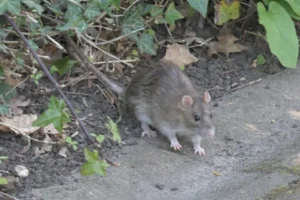
Bromethalin-based poisons work faster. You might see decreased activity within 2 to 3 days and find dead rats by day 4 or 5.
Large infestations take longer to control than small ones. If you had 20+ rats, it might take 2 to 3 weeks of continuous poisoning to kill them all.
Outdoor infestations often take longer to control than indoor ones because new rats can move in from neighboring properties. You might need to maintain bait stations for a month or more.
If you see absolutely no signs of success after 2 weeks of proper bait station placement and fresh poison, something is wrong. Either rats aren’t finding your bait, they’re avoiding it, or you’re dealing with resistant rats.
What to Do if You See No Signs the Poison is Working
If you’ve had bait stations out for 2 weeks and see no evidence that rats are eating the poison or dying, you need to change your approach.
First, verify that rats are actually accessing your bait stations. Use tracking powder (flour or talcum powder) around the entrance to see if you get rat footprints. No prints means rats aren’t going in.
Move your bait stations to different locations. Rats travel along walls and in hidden pathways. Your stations might be in areas rats don’t naturally visit.
Try a different brand or type of rat poison. Some rat populations develop bait shyness where they avoid specific flavors or formulations. Switching products can overcome this.
Remove competing food sources. If rats have easy access to garbage, pet food, or other food, they won’t be hungry enough to eat lethal amounts of poison.
Consider whether you’re dealing with mice instead of rats. Mouse poison and rat poison are formulated differently. If you’re using rat poison for a mouse problem, it won’t work well.
Check that your poison hasn’t gotten old or degraded. Rat poison can lose potency if it’s stored in heat or moisture. Buy fresh poison and properly store any extras.
Mistakes That Make it Hard to Tell if Poison is Working
Not checking bait stations regularly is the biggest mistake. If you put out poison and don’t monitor it, you have no idea if rats are eating it or if it’s working.
Pulling bait stations too soon is another major error. Even if you haven’t found dead rats, you need to leave stations out for at least 2 to 3 weeks to give all rats time to consume a lethal dose.
Putting out too few bait stations means many rats never find the poison. You need enough stations (spaced 15 to 30 feet apart) to ensure all rats have access.
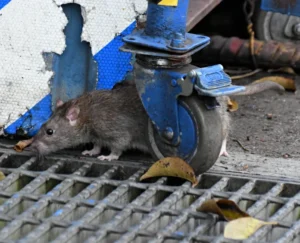
Not refilling empty stations allows rats to eat a sub-lethal dose and survive. Once rats start feeding, keep the bait fresh and available until they stop eating it.
Expecting immediate results leads to premature conclusions. Rat poison takes days to work, so you won’t see changes overnight. Give it time.
Monitoring only one type of sign can miss the bigger picture. Check for multiple indicators: bait consumption, droppings, sounds, damage, and dead rats. Use all available evidence to assess success.
Not keeping records makes it hard to see gradual changes. Write down how much bait is consumed, where you find droppings, and what you hear. These notes help you spot trends.
Conclusion
Telling if rat poison is working requires monitoring multiple signs over a period of 1 to 3 weeks. The most reliable indicators are decreasing bait in your stations, finding dead rats, reduced rat activity like droppings and sounds, and less damage to food and materials.
Inside your home, focus on changes in noise levels, droppings, and damage to stored items. Outside, watch for decreased sightings, less garden damage, and dead rats in open areas.
Give the poison time to work (at least a week) before judging success, and keep bait stations active until consumption stops completely. If you see no signs of success after 2 weeks, adjust your strategy by moving stations, switching poison types, or removing competing food sources.

Hi, my name is Ezra Mushala, i have been interested animals all my life. I am the main author and editor here at snakeinformer.com.