
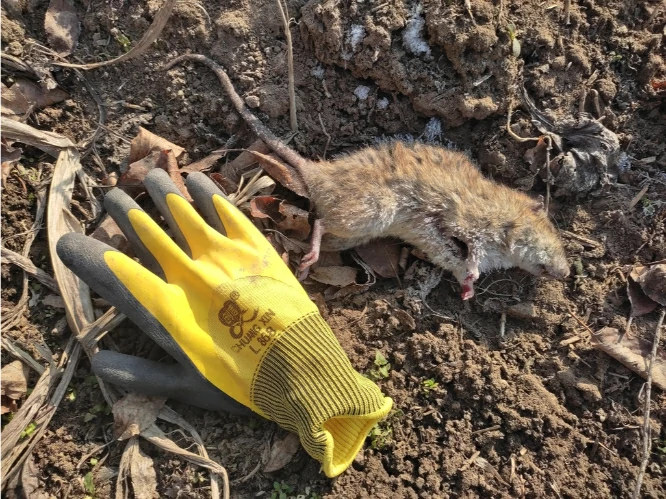
Anyone who’s dealt with rats knows the poison itself isn’t really the scary part. It’s what happens after.
Rats have a habit of dying in the worst possible spots. Inside walls, under floors, deep in attic insulation, places you can smell but can’t reach.
So before you buy another box of bait, it’s worth asking a real question: is there rat poison that keeps rats from stinking once they’re dead?
No rat poison fully prevents the smell of a dead rat. A decomposing body will always give off odor no matter what killed it. Some products, like RatX, are designed to dry rats out faster and can reduce the smell by up to 90 percent, but nothing eliminates it completely.
The honest answer here isn’t the one most people want to hear. Poison kills the rat, but it doesn’t stop decomposition.
Decomposition is where the smell actually comes from. Still, some methods genuinely make the smell weaker and shorter than others, and that difference is worth understanding.
Why Dead Rats Smell So Bad in the First Place
The smell comes from decomposition itself, not from the rat being poisoned.
As a body breaks down, it releases gases like sulfur dioxide and methane, along with other compounds that our noses are just built to find disgusting.
This is true for any dead animal. A rat that dies from a trap, old age, or poison all end up going through the exact same process once it’s dead.
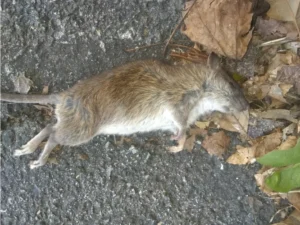
Size plays a role too. A full grown rat has more tissue to break down than a mouse, so the smell tends to be stronger and last longer.
Temperature and humidity matter just as much. Warmth speeds up decomposition, and a warm, poorly ventilated wall cavity is close to the worst possible spot for a rat to die in.
Most sources agree the smell typically lasts anywhere from one to three weeks. That timeline can stretch longer if the body is somewhere humid or hard to reach.
Even after the carcass is found and removed, the lingering odor can stick around for another week or two.
Why Poison Specifically Makes This Problem Worse
This is really the part that catches people off guard. Rat poison doesn’t just make the smell issue possible, it often makes it worse than other methods.
Most rat poisons, especially anticoagulants like brodifacoum or warfarin, don’t kill instantly. It can take anywhere from several days to a couple of weeks for the poison to actually finish the job.
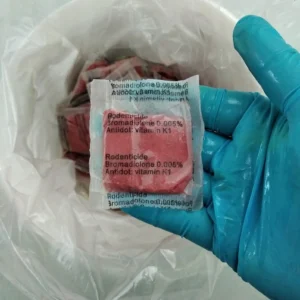
During that time, the rat doesn’t just sit still and wait to die. It keeps moving, eating, and looking for a safe, quiet place to hide, which very often means deep inside a wall, under insulation, or somewhere else you’ll never see it.
By the time it finally dies, it’s usually somewhere inaccessible. That’s the real reason poison has such a bad reputation for smell problems, not because the poison itself smells different, but because it gives the rat time to retreat somewhere you can’t get to.
Traps don’t have this issue nearly as much. A rat caught in a snap trap dies quickly.
It stays wherever the trap was set, somewhere you already know about since you placed it there yourself.
Comparing Rat Control Methods by Smell Risk
Since the method you choose really does affect how bad this problem gets, it helps to look at the main options side by side.
| Method | How It Works | Smell Risk | Notes |
|---|---|---|---|
| Second generation anticoagulants | Blocks blood clotting over several days | High | Slow death lets rats retreat deep into walls or insulation before dying |
| First generation anticoagulants | Similar mechanism, usually needs multiple feedings | High | Even slower acting, same retreat-and-hide problem |
| Cholecalciferol baits | Causes fatal calcium overload | High | Still several days to death, same hiding risk applies |
| RatX pellets | Dehydrates the rat instead of poisoning it | Lower | Dries the body out faster, manufacturer claims up to 90 percent less odor |
| Snap traps | Kills instantly | Lowest | Rat dies exactly where you placed the trap, no hiding involved |
| Live traps | Captures without killing | None | No death on your property at all if relocated properly |
RatX works differently from a typical poison. Instead of causing internal bleeding, it coats the rat’s stomach lining and blocks its thirst signals.
This means the rat stops drinking water and dies from dehydration instead. A dehydrated body simply has less moisture left to decompose, which is why the odor tends to be noticeably lighter and shorter lived.
Still, even RatX’s own product information is careful to say it reduces odor, not that it eliminates it. A dehydrated rat corpse can still smell.
It’s just usually less overwhelming, and it doesn’t linger quite as long either.
Are Odor Claims on Rat Poison Labels Trustworthy?
If you’ve shopped for rat poison and noticed a product claiming to reduce or prevent smell, it’s worth understanding what that claim actually means before you buy based on it.
Most anticoagulant rat poisons, the kind sold under names like Tomcat or d-CON, don’t make odor claims at all. The manufacturers know decomposition happens no matter what killed the rat.
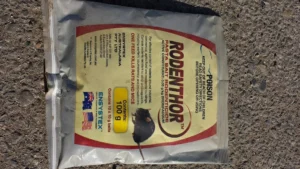
RatX is one of the few products that does make a specific odor reduction claim. It backs that up with an actual mechanism (dehydration) rather than just marketing language.
That’s worth something, even if the claim itself, up to 90 percent less odor, is still just a reduction. It’s not a guarantee of no smell at all.
Be skeptical of any rat poison that claims to eliminate odor completely. A decomposing carcass is still a decomposing carcass no matter what label is on the box it came from.
No active ingredient changes that basic biological fact.
What Actually Causes the Smell to Get Worse or Better
A few real factors decide how bad a dead rat smell ends up being, and most of them have nothing to do with which poison you used.
Location is probably the biggest one. A rat that dies out in the open, or somewhere you can easily reach, is a five minute fix.
A rat that dies inside a wall cavity, under a subfloor, or deep in attic insulation can take days just to even locate.
Ventilation matters a lot too. A closed off, poorly ventilated space traps the odor and lets it build up, while an open, airy space lets it dissipate faster.
Temperature speeds everything up or slows it down. A rat that dies in a hot attic in the middle of summer is going to smell faster and stronger than one that dies somewhere cool in the winter.
None of these factors are things a poison label can control. This is really why pest control professionals will tell you that prevention and access matter more than the specific product you choose.
The Most Common Hiding Spots Worth Checking First
Since location matters so much, it helps to know where rats are most likely to die once poison starts working.
Checking these spots early, before the smell forces your hand, makes the whole thing a lot less miserable.
Attics are one of the most common spots. A weak, dying rat will often burrow into loose insulation near the eaves for warmth and cover.
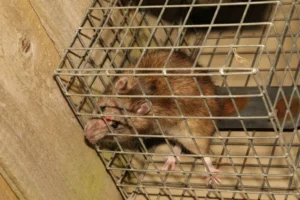
Wall voids near kitchens and bathrooms come up often too. Rats are drawn to the same food and water access that brought them into your home in the first place.
Crawl spaces and areas under the house are another frequent spot, especially in homes without a solid, sealed foundation.
A dying rat will often retreat downward and inward, away from light and activity. Garages and areas near HVAC systems are worth checking as well, since rats often use these spaces as a route between outdoors and the rest of the house.
If you’ve recently put out bait and the rat activity seems to have stopped, check these spots within the first week or two, while the smell is still faint. It’s a lot easier to find than waiting until it’s obvious.
What Can You Actually Do to Avoid the Smell Problem?
If avoiding the smell is your main concern, a few practical steps make a real difference, regardless of which method you end up using.
Skip second generation anticoagulants where you can. Since they take the longest to work, they give rats the most time to retreat somewhere hard to reach before they die.
Place bait or traps along the walls rats already travel, not deep inside places you can’t get to later if something goes wrong. Pest control professionals often recommend keeping bait near entry points and known travel paths rather than pushing it deep into wall voids or crawl spaces.
Consider a one way exclusion door if you know rats are already living inside a wall or attic space. This lets rats leave to find food but stops them from getting back in, so they end up dying outside rather than somewhere in your home.
If you do use poison, check bait stations regularly. A rat that’s clearly sick or struggling near the bait station is one you can sometimes remove before it wanders off to die somewhere worse.
Snap traps are genuinely the most predictable option if smell is your biggest worry. You know exactly where the rat died because you set the trap there yourself.
How to Deal With the Smell If a Rat Has Already Died Somewhere Hidden
If you’re already past the prevention stage and dealing with an active smell, there are still things you can do to make it more bearable while you locate the source.
Open windows and use fans to keep air moving through the affected area. This won’t remove the smell, but it does help stop it from building up and settling into fabric, carpet, or furniture.
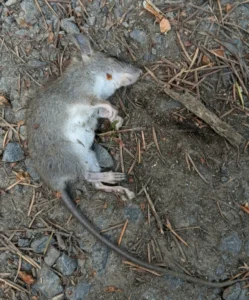
Bowls of baking soda, activated charcoal, or coffee grounds placed around the room can absorb some of the odor while you search. These aren’t miracle fixes, but they genuinely help take the edge off.
Following your nose is really the most reliable way to find a hidden carcass, walking through the affected area and paying attention to where the smell gets stronger. It’s unpleasant, but it works better than guessing.
If the smell is coming from somewhere you truly can’t access, like deep inside a wall cavity or under a slab, it may be worth calling a pest control professional. They often have tools like thermal cameras that can help locate a body without tearing into your walls blindly.
Does the Smell Get Worse With Rats Than With Mice?
If you’re dealing with mice instead of rats, the smell problem is usually a bit more forgiving, though it’s not gone entirely.
A dead rat almost always smells worse than a dead mouse. There’s simply more tissue involved, and more mass takes longer to break down.
House mice are also more likely to die somewhere slightly more accessible. They don’t tend to travel as deep into wall cavities or structural gaps the way rats sometimes do.
Norway rats and roof rats, the two species most common in US and Canadian homes, are both good climbers and diggers. That means they can end up in spots a mouse never would.
That said, a dead mouse in the wrong spot, like inside a wall near a heating duct, can still create a surprisingly strong smell for its size. The size difference helps, but it doesn’t remove the risk completely.
When Does It Make Sense to Call a Professional?
Most dead rat situations can be handled without bringing in a pest control company. Still, there are a few signs it’s worth making the call.
If you’ve been searching for more than a few days and still can’t find the source, that’s usually a sign the carcass is somewhere you genuinely can’t reach on your own, like inside a wall stud bay or under a slab foundation.
A persistent smell that keeps coming back, even after you think you’ve found and removed the source, can also mean there’s more than one carcass involved. That happens more often than people expect during a larger infestation.
Professionals often use thermal imaging cameras to spot the heat signature that decomposition creates. That can pinpoint a location without you having to cut into drywall or flooring based on guesswork alone.
If the situation involves ductwork, a professional is really worth the cost. A dead rodent inside HVAC ductwork doesn’t just smell, it spreads that smell throughout your entire home every time the system runs.
Conclusion
There’s no rat poison that keeps a dead rat from smelling entirely, since the smell comes from decomposition itself, not from whatever killed the rat. What you can do is choose methods that reduce how bad or how long the smell lasts.
Products like RatX, which work through dehydration instead of internal bleeding, can genuinely cut down on odor by drying the body out faster. Still, even that only reduces the smell, it doesn’t remove it.
If avoiding smell is really your top priority, snap traps are the most predictable option, since you always know exactly where the rat died.
Pairing that with exclusion work, sealing up the gaps rats use to get inside in the first place, is the closest thing to a real solution here.
At the end of the day, a dead rat is going to smell no matter what method you use. The real goal is making sure it dies somewhere you can actually find and remove it.
That one shift in thinking, focusing on where the rat will die rather than just what kills it, is really the most useful takeaway here. It’s less about finding a magic odorless poison, since one doesn’t exist, and more about controlling the outcome as much as you realistically can.

Hi, my name is Ezra Mushala, i have been interested animals all my life. I am the main author and editor here at snakeinformer.com.