

When you’ve got rats in your house, waiting around isn’t exactly appealing. You want them gone, and you want it done fast.
So it’s natural to wonder: is there rat poison that works immediately, killing a rat the moment it takes a bite?
No rat poison kills instantly. The fastest options, like bromethalin and zinc phosphide, can kill a rat within 24 to 36 hours, but even that’s not immediate. Most rat poisons, especially anticoagulants like warfarin or brodifacoum, take anywhere from four days to two weeks to work.
That delay isn’t a flaw or a weak product. It’s actually intentional.
Rat poison is built to work slowly on purpose, and understanding why can genuinely change how you think about which product to buy and how to use it around your home.
Why No Rat Poison Actually Works Instantly
It helps to understand that speed and effectiveness aren’t quite the same thing when it comes to rat poison. In some ways, they’re actually at odds with each other.
Rats are naturally cautious animals. Researchers call this neophobia, which just means a fear of new things showing up in a familiar space.

If a rat eats something and gets sick right away, it learns fast. It will avoid that food, and often that entire area, from then on.
Pest control professionals call this response bait shyness.
This is exactly why the slowest acting poisons, anticoagulants like warfarin and brodifacoum, were designed the way they are. By delaying symptoms for days, the rat doesn’t connect its sickness to the bait it ate.
It just keeps eating normally in the meantime.
A poison that worked in minutes would actually be less effective at controlling a larger population, since surviving rats would quickly learn to avoid it entirely.
Speed and long term effectiveness genuinely pull in opposite directions here. It’s one of the strange truths about rat control that most people never think about.
The Fastest Rat Poisons Available and How They Compare
Even though nothing works instantly, some products are genuinely faster than others.
It helps to see the real timelines side by side rather than relying on marketing language like “fast acting.”
| Poison Type | Examples | Time to Death | How It Works |
|---|---|---|---|
| Bromethalin | Tomcat with Bromethalin, Fastrac Blox | 24 to 36 hours | Gets in the way of energy production in brain cells, causing swelling |
| Zinc phosphide | Various agricultural and professional brands | 1 to 3 days | Releases toxic phosphine gas once it reacts with stomach acid |
| Cholecalciferol | Selontra, Terad3 | 3 to 5 days | Causes a fatal calcium overload in the body |
| Second generation anticoagulants | Brodifacoum, bromadiolone | 4 to 14 days | Slowly stops blood from clotting, causing internal bleeding |
| First generation anticoagulants | Warfarin, chlorophacinone | Often longer, needs repeated feedings | Same mechanism as above, but needs multiple doses to build up |
Bromethalin is genuinely one of the fastest options sold to regular consumers. It works by getting in the way of how brain cells produce energy, which causes the brain to swell.
Symptoms can actually start showing within just a few hours. Death typically takes a day or two, sometimes a bit longer.
Zinc phosphide works completely differently. Once a rat eats it, the poison reacts with acid in the rat’s stomach and produces a toxic gas right there inside the animal.
This is a fast, single dose poison. It’s actually one reason rats poisoned with it tend to die out in the open rather than retreating deep into a wall or attic first.
Why Isn’t Faster Always Better?
It’s tempting to assume the fastest poison is automatically the best choice. That’s not quite true once you look at the tradeoffs involved.
Bromethalin has no antidote. If a pet or child accidentally gets into it, there’s no equivalent to the vitamin K treatment that works for anticoagulant poisoning.
That makes it a genuinely higher risk product to have around a home with pets or young kids.
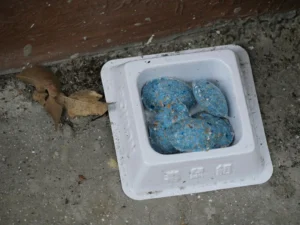
Faster acting poisons are also more likely to trigger bait shyness in surviving rats. If a rat eats a small, non-lethal amount and gets sick quickly, it learns to avoid that bait station entirely.
That can end up making the rest of the colony harder to control over time.
Zinc phosphide has a similar issue. Since it works fast, a rat that survives a sublethal dose becomes very difficult to bait again with the same product.
Anticoagulants, despite being slower, actually tend to be more effective for controlling an entire colony over time. That’s precisely because the delay prevents that avoidance response from kicking in.
What Poisoning Actually Looks Like With a Fast Acting Poison
Since bromethalin and zinc phosphide work so differently from anticoagulants, it helps to know what poisoning from each one actually looks like, especially if a pet gets into it by accident.
With bromethalin, symptoms show up within hours rather than days. A dog or cat might seem wobbly, have muscle tremors, or in severe cases have seizures as the brain swelling sets in.
Zinc phosphide poisoning looks different again. Since it produces a toxic gas inside the stomach, a poisoned pet often shows vomiting, difficulty breathing, or abdominal pain fairly quickly after ingestion.
Both of these are genuine emergencies that need a vet right away. Unlike anticoagulant poisoning, where there’s often a several day window before symptoms even start, fast acting poisons can turn serious within hours, which leaves a lot less time to act.
What “Fast Acting” Actually Means on a Product Label
If you’ve shopped for rat poison, you’ve probably seen the phrase “fast acting” printed prominently on the packaging. It’s worth understanding what that claim is really promising.
Most of the time, “fast acting” refers to bromethalin or zinc phosphide based products. It’s comparing their speed to anticoagulants, not claiming instant results.
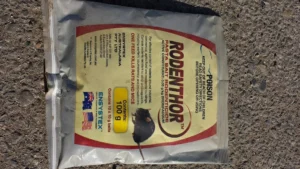
A day or two is fast relative to two weeks. Still, it’s not fast in the way most people picture when they hear the phrase.
Be skeptical of any product implying a rat will die on the spot after eating bait. No rodenticide sold to consumers works that quickly, and any label suggesting otherwise is stretching the truth.
The honest, useful comparison is bromethalin and zinc phosphide, roughly one to three days, against anticoagulants, four days to two weeks. It’s fast against slow, not fast against instant.
Does a Faster Poison Mean Fewer Smell Problems?
This is a genuinely useful side benefit worth knowing about if speed matters to you, since it connects directly to a separate issue people run into with rat poison.
Since anticoagulants take so long to work, a poisoned rat has days to keep moving around before it finally dies. It often retreats deep into a wall, attic, or crawl space in the process.
That’s part of why anticoagulant poisoning is so strongly linked to dead rats turning up in hard to reach places.
Faster acting poisons like zinc phosphide reduce this problem somewhat, since the rat doesn’t have nearly as much time to travel before dying. Rats poisoned with zinc phosphide are documented to die in open areas more often than inside the walls of a building.
Bromethalin falls somewhere in between. A day or two is still enough time for a rat to retreat somewhere hidden, though it’s less time than the week or more an anticoagulant can take.
If Speed Really Matters, Traps Are Still Faster Than Any Poison
If your main goal is a genuinely fast solution, it’s worth stepping back and comparing poison to non-poison options altogether. Nothing actually beats a trap for real speed.
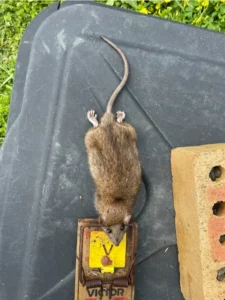
A snap trap kills a rat instantly, the moment it triggers. There’s no waiting period at all, and no risk of the rat wandering off before it dies.
Electronic traps work similarly, delivering a fast, lethal shock the moment a rat enters and triggers the mechanism.
Many models are also designed to be reused right away, which matters if you’re dealing with more than one rat.
The tradeoff with traps is that they only get one rat at a time. They also need to be checked and reset regularly.
A single bait station, even a slow acting one, can affect several rats over the course of a couple of weeks without you having to do anything after placing it.
Choosing the Right Speed for Your Situation
Since faster isn’t automatically better, it helps to think about what you’re actually trying to accomplish before picking a product.
If you have just one or two rats and want the fastest possible resolution, snap traps genuinely beat every poison option on raw speed.
They also come with none of the downsides of a slow, hidden death, and there’s no risk of secondary poisoning to a pet or a hawk that might come across the body afterward.
If you’re dealing with a larger colony and want to reduce numbers gradually over time, a first or second generation anticoagulant is often more effective in the long run, despite being slower.
That’s precisely because of the delay we covered earlier, which lets the poison spread through more of the colony before any avoidance response kicks in.
If you want something faster than an anticoagulant but you’re not ready to deal with individual traps, bromethalin or zinc phosphide are reasonable middle ground options.
Just make sure you’re comfortable with the fact that bromethalin has no antidote if a pet happens to get into it.
Whatever you choose, using a proper tamper resistant bait station matters more for real world results than the speed printed on the label.
Placing it along a rat’s known travel path matters even more.
Why Rats Are So Hard to Kill Quickly in the First Place
It helps to understand a bit about rat biology itself, since it explains why even the fastest poisons still take real time to work.
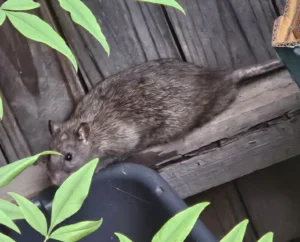
Rats are surprisingly resilient animals for their size. A Norway rat, the most common species in North American homes, typically weighs between half a pound and a full pound, and that body mass matters when it comes to how quickly a toxin can take effect.
Rats also have a genuinely efficient liver, which is actually part of why anticoagulants were designed the way they are in the first place.
It takes repeated or sustained exposure to overwhelm the liver’s ability to keep producing clotting factors. That’s exactly why a single small dose often isn’t enough.
On top of that, some rat populations have developed a level of genetic resistance to certain anticoagulants over the decades they’ve been in widespread use.
Researchers have documented this resistance most heavily in parts of the UK and Europe, though it’s been found in North America too.
It’s part of why newer, stronger anticoagulants were developed in the first place. All of this adds up to the same basic point: rats simply aren’t built to go down easily.
No product, however it’s marketed, gets around that reality entirely.
What to Do While You Wait for Poison to Work
If you’ve gone with an anticoagulant or another slower acting poison, there are still useful things you can do during the waiting period instead of just leaving bait out and hoping for the best.
Check bait stations every few days rather than just once. This tells you whether rats are actually feeding, and it lets you refill bait before it runs out and activity stalls.
Keep food sources locked down while you wait. Rats that have easy access to your pantry or garbage are less likely to rely on bait stations consistently, which can stretch out the whole process even longer than it needs to be.
Start sealing up entry points now rather than waiting until the poison has finished working. Steel wool, hardware cloth, and caulk around gaps and pipes are all effective.
Doing this early means fewer new rats can move in while you’re dealing with the current group.
If you’re using a slower poison specifically because you’re managing a larger colony, expect the process to take real time.
It’s often two to four weeks before activity noticeably drops off. That’s a normal part of how these products are designed to work, not a sign something’s gone wrong on your end.
Conclusion
There’s no rat poison that works immediately, no matter what a product label might suggest. The fastest options, bromethalin and zinc phosphide, still take a day or more to actually kill a rat.
Most rat poisons, especially anticoagulants, take considerably longer than that.
This delay is actually built in on purpose. A rat that gets sick too quickly after eating bait learns to avoid it, which makes the whole colony harder to control over time.
If real speed is what you’re after, a snap trap is genuinely the fastest option available, since it kills the moment it’s triggered rather than requiring any waiting period at all.
If you do go with poison, understanding the real timeline helps a lot. Hours to days for the fastest options, days to weeks for anticoagulants. That knowledge helps you set realistic expectations and choose the product that actually fits your situation, instead of chasing a claim no rat poison can really deliver on.
At the end of the day, patience is really part of the process no matter which product ends up in your cart. Even the fastest rat poison on the shelf is still working on rat time, not human time, and understanding that gap upfront saves a lot of frustration later.

Hi, my name is Ezra Mushala, i have been interested animals all my life. I am the main author and editor here at snakeinformer.com.