
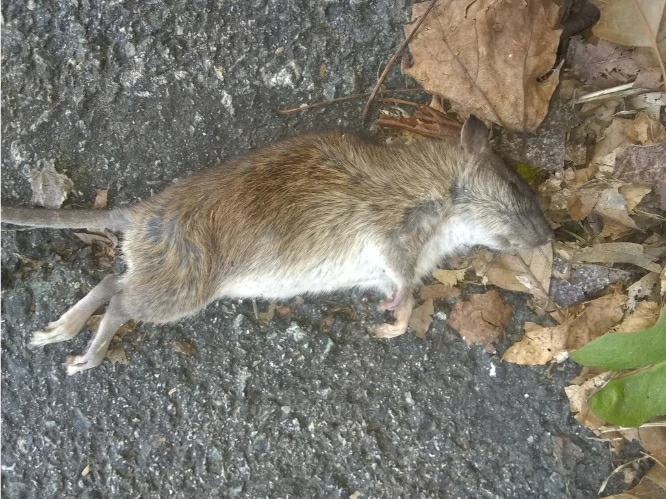
There’s a common belief that when rats eat poison, they go outside or find water and die away from your home.
People think this is convenient because it means you won’t have to deal with dead rat bodies inside your walls or under your floors. But is this actually true? Do rats go away to die after eating poison?
No, rats don’t intentionally go away to die after eating poison. This is a myth. Rats die wherever they happen to be when the poison takes full effect. Sometimes that’s inside your walls, sometimes it’s outside, and sometimes it’s right next to the bait station. Where a rat dies depends on where it was traveling when it became too sick to continue.
The idea that rats seek out water or go outside to die is based on misunderstandings about how poison affects them and how rats behave when they’re sick.
Where the Myth Came From
The myth probably started because people who use rat poison outside often don’t find dead rats inside their homes. They assume the rats went outside to die.
In reality, if the poison was placed outside, the rats were probably already living outside and just died in their burrows or other outdoor locations.
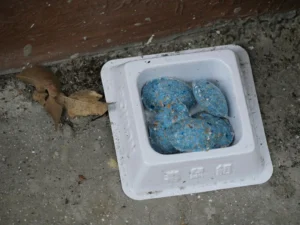
Another reason for the myth is that some rat poisons cause extreme thirst (especially older formulations). People saw poisoned rats near water sources and assumed the rats were “seeking water to die.”
But the rats weren’t looking for a place to die. They were just thirsty because the poison was damaging their organs.
Some rat poisons also cause internal bleeding or organ failure that makes rats feel disoriented and weak.
A rat in this condition might wander aimlessly, which could take it outside. But that’s random wandering, not a deliberate choice to die away from home.
How Does Rat Poison Actually Affect Behavior?
Most modern rat poisons are anticoagulants that stop blood from clotting. When a rat eats this type of poison, it doesn’t feel sick right away.
It takes days for the poison to build up to lethal levels.
During those first few days, the rat continues its normal routine. It eats, drinks, explores, and travels along its usual paths.
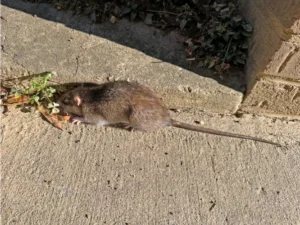
By the time the rat gets sick enough to die, it’s often too weak to go anywhere.
The rat will die wherever it happens to be when the poison fully kicks in. If it’s in your attic when it becomes lethargic, it’ll die in your attic.
If it’s outside when the poison takes effect, it’ll die outside.
Why You Sometimes Find Dead Rats Inside Your Home
If you’re dealing with rats living inside your home and you put poison inside, there’s a very good chance rats will die inside.
They don’t leave your home just because they ate poison.
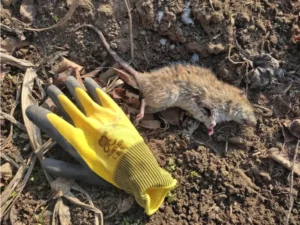
Rats die in wall voids, attics, crawl spaces, behind appliances, and in other hidden areas where they normally travel and nest. This is one of the biggest problems with using poison indoors.
When a rat dies inside a wall, it starts to decompose. The smell can be overwhelming and can last for weeks.
There’s no way to remove the body without tearing into the wall, which most people aren’t willing to do.
Do Some Rat Poisons Make Rats Go Outside?
There’s no rat poison on the market that makes rats leave a building before they die.
Companies have tried to develop “exit baits” or poisons that cause rats to seek fresh air or open spaces, but none of them work reliably.
Some people claim certain poisons cause dehydration that drives rats to seek water outside. While some poisons do cause thirst, this doesn’t mean rats will leave your home.
They’ll drink from any water source available, including pipes, drains, pet water bowls, or condensation inside your walls.
The truth is, manufacturers can’t control where an animal goes after it eats poison. Rat behavior is too complex and variable to be directed by chemicals in that way.
Why Sick Rats May Behave Differently
A poisoned rat doesn’t necessarily behave exactly like a healthy rat. As the effects of the poison become stronger, changes in activity, movement, and normal behavior can occur.
A healthy rat may spend much of the night traveling between its nest, food sources, and water sources. A seriously ill rat may no longer have the energy to follow those same routes.

It may stay hidden for longer periods, move more slowly, or stop traveling altogether.
This is one reason poisoned rats can be difficult to find even when you know they are somewhere inside a building.
A sick rat also has less reason to expose itself in open areas. Rats are naturally cautious animals, and weakness makes them more vulnerable to predators and other threats.
Seeking shelter is therefore more likely than deliberately searching for an outdoor place to die.
This behavior can sometimes create the impression that the rat has disappeared. In reality, it may simply have stopped moving around as much and remained in a hidden location.
What Pest Control Companies Say About This Myth
Professional pest control technicians will tell you that rats absolutely do die inside structures when poison is used indoors.
It’s one of the main reasons they often recommend traps instead of poison for indoor infestations.
Pros know that using poison inside a home comes with the risk of dead rats in inaccessible locations.
They plan for this by using bait stations in strategic locations and sometimes combining poison with monitoring to track where rats are traveling.
When pest control companies do use poison indoors, they often warn customers that there might be odor issues if rats die in walls.
They might also offer follow-up services to locate and remove dead rats if the smell becomes unbearable.
Why Do Some People Never Smell Dead Rats?
If you’ve used poison before and never smelled dead rats, that doesn’t mean they all went outside to die. There are other explanations:
First, rats might’ve died in well-ventilated areas where the smell dissipated quickly. Attics with good airflow, for example, don’t trap odors the way sealed wall voids do.
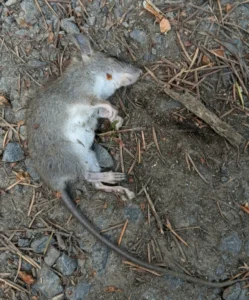
Second, you might’ve only had a few rats, and they died in spaces far enough from your living areas that you couldn’t smell them.
A rat that dies in a crawl space under your house might not produce a noticeable smell upstairs.
Third, if you placed poison outside and the rats were living outside, they died outside. You wouldn’t smell them because they weren’t in your home to begin with.
The Difference Between Indoor and Outdoor Poisoning
Where you place the poison makes a huge difference in where rats are likely to die.
If you only put poison outside in bait stations around your property, and the rats are living in burrows in your yard, they’ll probably die outside.
But if rats are living in your attic and you put poison in your attic, they’re going to die in your attic. They won’t climb down, leave the house, and die in your yard. That’s not how it works.
The location of the rats’ nest and their travel patterns determine where they’ll be when the poison takes effect. If their whole life is happening inside your home, that’s where they’ll die.
How Long Does It Take for a Poisoned Rat to Die?
Most anticoagulant rat poisons take 4 to 7 days to kill a rat after it’s eaten a lethal dose. During that time, the rat is still active and moving around. It doesn’t feel sick until the final day or two.

When the rat finally gets too weak to continue, it stops wherever it is. It doesn’t have the strength or awareness to “go somewhere to die.” It just shuts down.
Cholecalciferol-based poisons work a bit differently but with similar results. Rats might live 2 to 4 days after eating a lethal dose, and they die wherever they happen to be when organ failure sets in.
What to Do If a Rat Dies Inside Your Wall
If you used poison and now you smell a dead rat in your wall, you have a few options. The smell will eventually go away on its own as the body dries out and decomposes. This usually takes 1 to 3 weeks depending on temperature and humidity.
You can speed up the process by improving ventilation in the area. Open windows, use fans, and run air purifiers. Some people use odor neutralizers or enzymatic cleaners designed for pet odors, though these only mask the smell rather than eliminate it.
If the smell is unbearable and you can figure out where the rat died, you might be able to cut into the wall to remove the body. This is a last resort and usually requires patching and repainting afterward.
Why Traps Are Better Than Poison for Indoor Infestations
If you’re dealing with rats inside your home, traps are almost always a better choice than poison. Snap traps, electronic traps, and even live traps all kill or catch rats without the risk of them dying in your walls.
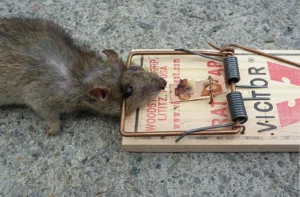
With traps, you know immediately when you’ve caught a rat. You can remove the body right away before it starts to smell. You also know exactly how many rats you’re dealing with by counting the catches.
Traps don’t have the secondary poisoning risk that poison does either. If you have pets or wildlife in your area, traps won’t accidentally harm them the way poison can.
Can a Poisoned Rat Survive and Keep Moving?
Not every rat that eats poison necessarily dies. The outcome depends on the type of poison, the amount consumed, the animal’s condition, and whether it received enough of the toxin to cause a fatal effect.
A rat that survives may still behave differently for a while if it was affected by the poison. It may become less active or change its normal movements before eventually recovering or becoming more seriously ill.
This is another reason you shouldn’t assume that a rat disappearing means it has died outside. A rat can simply become harder to spot, change its activity, or move into a hidden area.
Seeing fewer rats after poison has been used therefore doesn’t prove that the animals left the building. You may simply be seeing less of them because their behavior has changed.
When Poison Makes Sense Despite the Risks
Poison still has its place, especially for outdoor infestations or large commercial buildings where trapping isn’t practical.
If rats are living in burrows around your property and you’re using outdoor bait stations, poison can work without the dead-rat-in-the-wall problem.
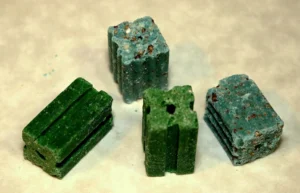
Some people also use poison in detached sheds, barns, or outbuildings where the smell of a dead rat isn’t as big a deal. In these cases, the convenience of poison outweighs the risk.
The key is understanding where the rats are living before you decide to use poison. If they’re inside your home, think twice. If they’re outside, poison might be fine.
Conclusion
Rats don’t go away to die after eating poison. They die wherever they happen to be when the poison takes full effect, which is often inside your home if that’s where they’re living.
The myth that rats seek water or go outside before dying is based on misunderstandings about rat behavior and how poison works.
If you use poison indoors, there’s a real risk that rats will die in your walls, attic, or other hidden spaces, leaving you with a terrible smell for weeks.
Traps are a better option for indoor infestations because they let you remove dead rats immediately.
Poison works best when used outside for rats that are living outside, not inside your home.

Hi, my name is Ezra Mushala, i have been interested animals all my life. I am the main author and editor here at snakeinformer.com.