
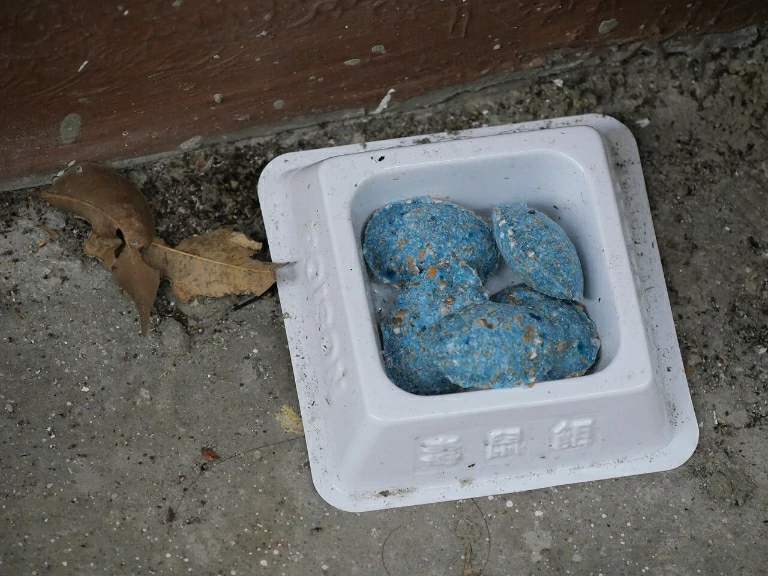
Tomcat is one of the most widely used rat poison brands in the US and Canada, sold at nearly every hardware store and home improvement chain. But most people who buy it don’t actually know what happens after a rat eats it.
So how does Tomcat rat poison actually work?
Tomcat rat poison kills rodents in one of two ways, depending on the exact product you buy. Most of their fast-acting bait attacks the nervous system, causing brain swelling that can kill in as little as two days. Their All-Weather line instead stops blood from clotting, which causes death from internal bleeding after several days.
Both approaches get the job done, just through completely different biology.
Understanding how each one actually works helps explain why some Tomcat products act faster than others, and why the risk to pets looks different depending on which one you’re using.
Tomcat Isn’t One Single Formula
Before getting into the mechanism, it helps to understand that “Tomcat” refers to a full product line, not one specific poison.
Motomco, the company behind the brand, sells multiple types of bait under the Tomcat name. Most of their popular fast-knockdown products use an active ingredient called bromethalin.
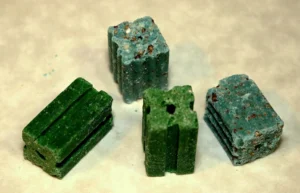
Their All-Weather Bait Chunx line, along with a few other products, uses a different active ingredient called diphacinone instead.
These two ingredients don’t work anywhere close to the same way, so “how Tomcat works” really depends on which specific product you’re using. Checking the active ingredient listed on the packaging tells you exactly which process is actually happening.
How Tomcat with Bromethalin Actually Works
Most Tomcat bait blocks, pellets, and place pacs marketed for fast results use bromethalin as their active ingredient, typically at a concentration of 0.01%.
Bromethalin is classified as a non-anticoagulant rodenticide. Unlike older rat poisons, it doesn’t touch the blood clotting system at all. Instead, it goes straight for the nervous system.
Once a rat eats the bait, its body converts bromethalin into a more active compound. This conversion is what actually causes the damage that follows.
That compound throws off how nerve cells in the brain and spinal cord produce the energy they need to function properly. Specifically, it messes with a process inside the cell’s mitochondria, the tiny structures responsible for generating that energy.
Without a working energy supply, the sodium and potassium pumps inside nerve cells stop functioning correctly. This causes fluid to build up in the brain, a condition known as cerebral edema.
As that swelling increases, it puts pressure on the surrounding nervous system tissue. This is what leads to the tremors, seizures, and paralysis seen in poisoned rodents.
Why Bromethalin Works So Quickly
One of the biggest selling points behind Tomcat’s bromethalin-based products is speed. According to Motomco’s own product information, bromethalin can begin killing rats and mice in as little as two days after a lethal dose is consumed.
This is considerably faster than older anticoagulant poisons, which typically take four to seven days or longer to become fatal.
At high enough doses, symptoms in rodents can actually show up within hours, not days, though a full two-day timeline is more typical for how manufacturers advertise these products.
Because bromethalin doesn’t rely on the same vitamin K blocking mechanism used by anticoagulants, it remains effective even against rat and mouse populations that have built up resistance to older poison types.
This is a real practical advantage in areas where rodents have been exposed to anticoagulant bait for years.
How Tomcat’s All-Weather Line Works Differently
Not every Tomcat product works through the nervous system. Their All-Weather Bait Chunx line uses diphacinone, a first-generation anticoagulant, the same broad category as older poisons like warfarin.
Diphacinone works by blocking an enzyme called vitamin K epoxide reductase. This enzyme’s job is to recycle vitamin K so the body can keep reusing it.
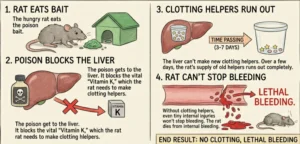
Vitamin K is needed to activate several clotting factors, the proteins responsible for helping blood clot properly. Once the enzyme gets blocked, the body can’t keep producing these clotting factors.
As the existing supply runs low, blood gradually loses its ability to clot. This eventually leads to fatal internal bleeding, though it takes considerably longer than bromethalin does.
Diphacinone products usually require a rat to feed on the bait multiple times over several days before a lethal dose builds up. According to Motomco, this typically takes around four to six days to become fatal.
How Tomcat’s Two Main Formulas Compare
Seeing the two mechanisms side by side makes it much easier to understand how differently these products actually work.
| Feature | Tomcat with Bromethalin | Tomcat All-Weather (Diphacinone) |
|---|---|---|
| What it targets | Nervous system | Blood clotting |
| How it works | Blocks energy production in nerve cells | Blocks vitamin K recycling |
| Feedings typically needed | Single feeding | Multiple feedings |
| Time to death | As fast as 2 days | Around 4 to 6 days |
| Works against resistant rodents | Yes | Not always |
| Antidote if a pet is exposed | None exists | Vitamin K1 |
This difference in mechanism is the whole reason the two products behave so differently, both in how fast they kill rats and in how risky they are if a pet gets into them.
How the Bait Stations Themselves Work
The active ingredient is only half of how Tomcat products actually function. The bait stations they’re often sold in play a real role too.
Most Tomcat bait stations are built with internal baffling, meaning a maze-like interior that leads rodents directly to the bait while keeping the opening too small or awkward for larger animals to reach through.
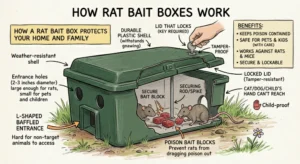
These stations are designed to feel enclosed and safe to a rodent, which actually increases how comfortable they are feeding there. Rats in particular tend to prefer tight, sheltered spaces when they eat.
Many Tomcat stations also lock, either with a key or a tamper-resistant latch, specifically to keep children, dogs, and other pets from being able to access the bait directly.
This matters for the poison’s real-world effectiveness, not just for safety.
A rodent that feels exposed while feeding is less likely to eat a full lethal dose in one sitting, so a secure station actually helps the bait work the way it’s designed to. Rather than getting nibbled at nervously and abandoned halfway through the process.
Why Do Rodents Keep Eating Even After a Lethal Dose?
Something that surprises a lot of people is that rodents don’t stop returning to the bait right after eating a dangerous amount.
With bromethalin, a rodent typically stops feeding once it’s consumed a lethal dose, since symptoms begin setting in fairly quickly afterward.
With diphacinone and other anticoagulants, this isn’t always the case. Because symptoms take days to develop, a rat may continue returning to the bait station and feeding normally in the meantime.
This is actually intentional, and it’s part of what makes anticoagulant baits effective despite working slowly. Rats are naturally cautious about new food sources, a behavior called bait shyness.
If a rat got sick immediately after eating something, it would learn to avoid that food going forward. Since anticoagulants take days to cause any noticeable symptoms, the rat never connects feeling sick with the bait it ate previously.
What This Means for Pets
Since Tomcat’s two main formulas work so differently, the risk to a pet that gets into either one looks different too.
If a dog or cat eats a bromethalin-based Tomcat product, there’s no antidote available. Treatment relies entirely on fast decontamination, ideally within the first hour or two, followed by supportive care if symptoms have already started.

If a pet eats a diphacinone-based product instead, vitamin K1 offers an effective, well-established treatment. It usually needs to continue for one to two weeks, with bloodwork used to confirm normal clotting has returned before stopping.
Regardless of which product is involved, don’t wait to see if symptoms show up before calling your vet or a pet poison hotline.
Bringing the product packaging with you helps your vet identify exactly which mechanism they’re dealing with, which can speed up treatment considerably.
Signs the Bait Is Actually Working
If you’re using Tomcat around your home, it helps to know what to actually expect once rodents start feeding on it, since the two formulas show different signs of progress.
With bromethalin products, you may notice dead rodents relatively soon, often within two to four days of setting out fresh bait. Since it works quickly, there’s less of a lag between placing bait and seeing results.
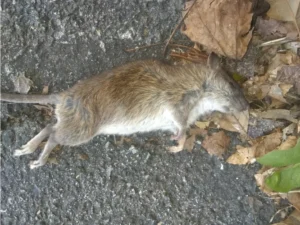
You might also notice fewer live rodents seen or heard around the property within the first week, since bromethalin stops a rat from feeding again once it’s consumed a lethal dose.
With diphacinone products, results take longer to show up. Since it requires multiple feedings over several days, don’t expect to see dead rodents right away, even if the bait is clearly being eaten.
A drop in bait consumption after several days to a week is actually a good sign with diphacinone. It usually means rodents that fed on it are no longer coming back, not that they’ve lost interest.
If you’re not seeing any change in rodent activity within a week or two regardless of which product you’re using, it may be worth checking bait placement, since rodents tend to avoid areas that feel too exposed or unfamiliar to them. Moving the station closer to walls or known travel paths often makes a real, noticeable difference within just a few days.
Conclusion
Tomcat rat poison works in one of two completely different ways, depending on which specific product you’re
using. Most of their fast-acting bait relies on bromethalin, which damages the nervous system and can kill in as little as two days. Their All-Weather line instead uses diphacinone, an older anticoagulant that stops blood from clotting over a longer timeline.
Both approaches are effective at controlling rodents, and the bait stations themselves are designed to make feeding feel safe and enclosed to a rat, which helps make sure a full lethal dose actually gets eaten in one sitting rather than nibbled at over time.
If you’re using any Tomcat product at home, especially around pets, it’s worth checking exactly which active ingredient is on the label. Knowing whether you’re dealing with a fast-acting neurotoxin or a slower anticoagulant changes how urgently you need to act if something goes wrong.
Understanding the mechanism behind the product you’re using isn’t just interesting background information either.
It directly shapes how you should store it, where you should place it, and what steps to take immediately if a pet or child ever gets into it by accident, without any delay or second-guessing.

Hi, my name is Ezra Mushala, i have been interested animals all my life. I am the main author and editor here at snakeinformer.com.