
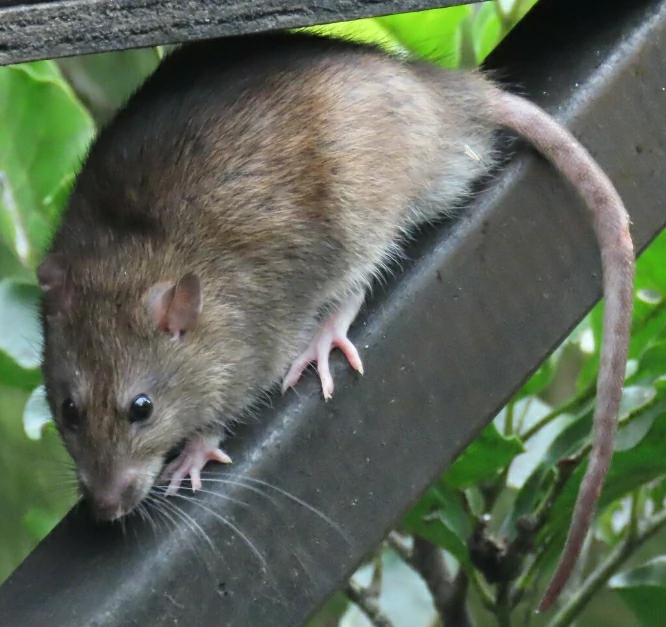
Just One Bite has been a trusted name in rat and mouse control for farmers and homeowners across the US and Canada for over 30 years. The name alone makes a bold promise about how fast this stuff is supposed to work.
So how does Just One Bite rat poison actually work?
Just One Bite isn’t a single formula. Just One Bite EX uses bromethalin, a nerve toxin that can kill in as little as two days after a single feeding. Just One Bite II uses bromadiolone instead, an anticoagulant that stops blood from clotting over several days.
Both versions are designed so that a rodent typically only needs to eat the bait once.
The real difference is what actually happens inside the rodent’s body afterward, and that difference matters a lot if you have pets at home.
Just One Bite Is a Product Line, Not One Poison
A lot of people assume “Just One Bite” refers to one specific poison, but the brand actually covers two different formulas sold under the same name.
According to the manufacturer’s own website, Just One Bite II continues using bromadiolone. It’s the same active ingredient the brand has used since it first launched decades ago as an alternative to warfarin-based bait.
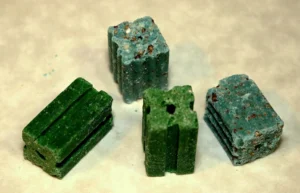
Just One Bite EX, a newer addition to the lineup, uses bromethalin instead, a completely different type of poison that doesn’t touch the blood clotting system at all.
Both are sold in the same recognizable yellow packaging, so it’s worth checking the specific product name and active ingredient list before assuming you know which one you have.
How Just One Bite EX Works
Just One Bite EX contains bromethalin at a concentration of 0.01%, based on the product’s official label information.
Bromethalin is classified as a non-anticoagulant rodenticide. Instead of affecting blood clotting, it targets the nervous system directly.
Once a rodent eats it, the body converts bromethalin into a more active compound.
According to the product’s own technical information, this compound works directly on the brain, causing fluid buildup that messes with normal nerve signals.
That fluid buildup is known as cerebral edema.
As it increases, it puts pressure on brain and spinal cord tissue, which leads to symptoms like tremors, loss of coordination, and seizures.
Because it works through the nervous system rather than blood clotting, bromethalin remains effective even against rodents that have developed resistance to anticoagulant poisons like bromadiolone.
How Just One Bite II Works
Just One Bite II uses bromadiolone, a second-generation anticoagulant.
This puts it in the same broad category as other strong rat poisons like brodifacoum, just with somewhat less potency and a shorter time spent lingering in the body.
Bromadiolone works by blocking an enzyme called vitamin K epoxide reductase, which normally recycles vitamin K so the body can keep reusing it.
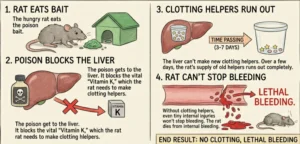
Vitamin K is needed to activate several clotting factors, the proteins responsible for helping blood clot. Once that enzyme is blocked, the body can’t keep producing them.
As the existing supply of clotting factors runs low, blood gradually loses its ability to clot properly.
This eventually leads to fatal internal bleeding, typically over the course of about a week.
Unlike diphacinone or other first-generation anticoagulants, bromadiolone is potent enough that a single feeding is usually all it takes to deliver a lethal dose.
This holds true even though the actual effects still take days to show up afterward.
Why Both Versions Advertise a Single Feeding
The name “Just One Bite” is really a reference to how little bait a rodent needs to eat before a lethal dose is on board, and both formulas are built to deliver on that promise.
With bromethalin, a rodent typically consumes a lethal amount in one feeding.
According to the manufacturer, it will usually stop feeding on its own afterward due to what the company calls a stop-feed effect.
With bromadiolone, the same single-feeding principle applies, since it’s potent enough that older, weaker anticoagulants like warfarin can’t match it without multiple feedings.
The real difference isn’t how much a rodent needs to eat. It’s how long the poison takes to actually finish the job once that single dose has been consumed.
Just One Bite EX vs Just One Bite II
Seeing the two formulas side by side makes the practical differences much easier to follow.
| Feature | Just One Bite EX | Just One Bite II |
|---|---|---|
| Active ingredient | Bromethalin | Bromadiolone |
| Category | Non-anticoagulant (neurotoxin) | Second-generation anticoagulant |
| What it targets | Nervous system | Blood clotting |
| Feedings typically needed | Single feeding | Single feeding |
| Time to death | As fast as 2 days | Several days to about a week |
| Antidote if a pet is exposed | None exists | Vitamin K1 |
| Effective against anticoagulant-resistant rodents | Yes | Not always |
That antidote row makes a real difference if you’re deciding which product to bring home, especially with pets around.
Why This Matters If You Have Pets
Since the two formulas work through completely different mechanisms, the treatment options if a pet gets into either one look very different too.
If a dog or cat eats Just One Bite EX, there’s no specific antidote for bromethalin.

Treatment depends entirely on fast decontamination, ideally within the first hour or two, followed by supportive care if symptoms have already started.
If a pet eats Just One Bite II instead, vitamin K1 offers an established, effective treatment.
It typically needs to continue for one to two weeks, with bloodwork used to confirm normal clotting has returned before stopping.
According to the brand’s own FAQ page, the risk to a pet depends on the size of the animal and how much bait was actually eaten, and they recommend calling a poison control hotline right away if ingestion happens, even before symptoms show up.
Don’t wait around to see if your pet seems fine. With either formula, early action gives your vet far more options than waiting does.
What Does “Stop-Feed Action” Actually Mean?
One term you’ll see on Just One Bite packaging is “stop-feed action,” and it’s worth understanding what that actually refers to.
This phrase describes what happens once a rodent has eaten enough bait to reach a lethal dose. Instead of continuing to eat, the rodent naturally stops feeding on its own.
With bromethalin, this happens because the poison starts affecting the nervous system fairly quickly after a lethal amount has been consumed, even before outward symptoms become obvious to a person watching.
With bromadiolone, the mechanism is a little different, but the practical result is similar. Since bromadiolone is potent enough to deliver a lethal dose in one feeding, there’s no biological need for the rodent to keep returning to the bait.
This matters for pest control in a very practical way. Less bait gets consumed overall, which means fewer trips back to reload bait stations and less total poison sitting out in your home or yard.
How Long Does It Take to See Results?
If you’re using Just One Bite to deal with an active rodent problem, it helps to know roughly what timeline to expect, since it differs quite a bit between the two formulas.
With Just One Bite EX, you may start noticing fewer live rodents within just a few days of setting out bait, since bromethalin works relatively fast once a lethal dose has been eaten.

According to the manufacturer, house mice usually consume a lethal dose in a single feeding, but it can still take two or more days from that point before the rodent actually dies.
With Just One Bite II, results take longer to show up, generally stretching out to about a week. This matches the slower, gradual process of blood clotting factors running out inside the body.
Neither timeline is instant, despite what the brand name might suggest. The “one bite” refers to how much bait is needed, not how quickly the rodent dies afterward.
Where to Find the Active Ingredient on the Label
Since both formulas are sold under the same brand name and similar yellow packaging, checking the actual label is the only reliable way to know which one you have.
Every registered pesticide sold in the US is legally required to list its active ingredient directly on the packaging, usually near the front or on a dedicated ingredients panel.
Look specifically for the words “bromethalin” or “bromadiolone,” along with a percentage showing how concentrated the active ingredient actually is in the bait.
The product name itself is also a helpful clue. “Just One Bite EX” refers to the bromethalin formula, while “Just One Bite II” refers to the bromadiolone version.
Taking a photo of the packaging before you start using either product is a simple habit that can save valuable time if you ever need to identify exactly what your pet was exposed to.
Conclusion
Just One Bite isn’t a single poison. It’s a product line built around two very different active ingredients.
Just One Bite EX uses bromethalin, a fast-acting nerve toxin with no antidote, while Just One Bite II uses bromadiolone, an anticoagulant that responds well to vitamin K1 treatment.
Both formulas are designed to work after a single feeding, which is where the brand name comes from.
But what happens after that single bite depends entirely on which version was actually eaten.
If you’re using either product at home, especially with pets around, take a moment to check the exact name and active ingredient on the packaging. That one detail can make a real difference in how quickly your vet can respond if something ever goes wrong.
Both formulas get real results against rats and mice, so neither one is a wrong choice on its own. What matters most is knowing exactly which version is sitting in your garage or under your sink, before an emergency ever forces you to find out the hard way.

Hi, my name is Ezra Mushala, i have been interested animals all my life. I am the main author and editor here at snakeinformer.com.