
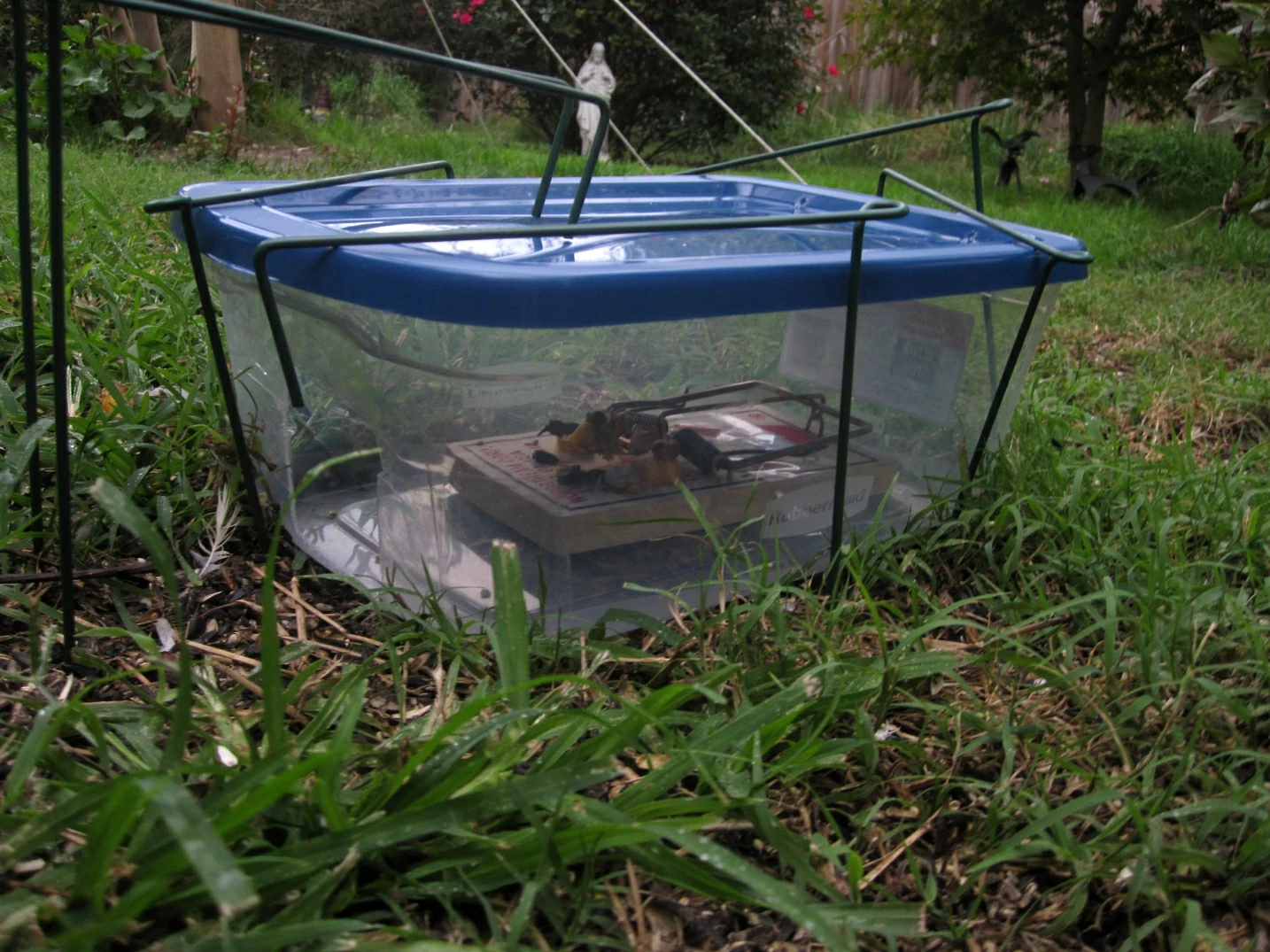
If you’ve got rats in your home, you know how frustrating it can be to set traps that just sit there untouched. You buy the trap, set it up in what seems like the perfect spot, and wait. Days pass, and the rat walks right by like your trap doesn’t even exist.
The problem usually isn’t the trap itself. It’s what you’re using to lure the rat in. So what attracts rats to traps?
Rats are attracted to traps baited with high-protein foods like peanut butter, bacon, dried fruit, or nuts. They’re also drawn to traps placed along their regular travel paths, near walls, and in dark corners where they feel safe. The key is using smelly, sticky baits that appeal to their survival instincts.
When you’re trying to catch a rat, you need to think like a rat. They’re not just looking for any food. They want something that smells strong, tastes good, and gives them the calories they need to survive. But the bait is only half the battle. Where you put the trap and how you set it up matters just as much.
Why Peanut Butter Works Better Than Cheese
You’ve probably seen cartoons where mice and rats go crazy for cheese. In real life, rats aren’t that interested in cheese compared to other foods.
Cheese doesn’t have a strong enough smell, and it’s easy for a rat to grab a piece and run without triggering the trap.
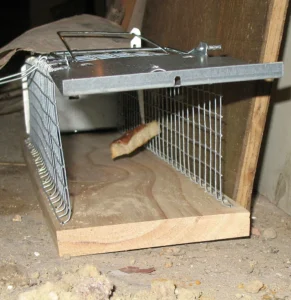
Peanut butter is different. It’s sticky, so the rat has to work at it to get it off the trap. This gives the trap more time to spring.
It also has a really strong smell that rats can detect from far away. The smell travels through the air and pulls rats toward the trap, even if they’re in another room.
The oils in peanut butter are high in fat and protein, which is exactly what rats need. They’re always looking for calorie-dense foods because they burn energy quickly. A rat can smell peanut butter from several feet away, and that smell tells them there’s a good meal waiting.
High-Protein Foods Rats Can’t Resist
Rats are scavengers, but they’re picky scavengers. They want foods that give them the most energy for the least effort. That’s why high-protein baits work so well.
Bacon is one of the best baits you can use. The smell of cooked bacon fat is incredibly strong, and rats can pick up on it immediately.
You don’t need much. Just a small piece attached firmly to the trap will do the job. The grease from the bacon also leaves a scent trail that can attract rats even after you’ve set the trap.

Dried fruits like raisins, dates, or apricots work really well too. Rats love sweet foods, and dried fruit has concentrated sugars that give them quick energy.
The chewy texture also makes it harder for them to steal the bait without setting off the trap.
Nuts are another great option. Almonds, peanuts, and walnuts all have strong smells and high fat content.
If you use nuts, try crushing them slightly or using nut butter instead of whole nuts. This makes it harder for the rat to grab and run.
Where You Place the Trap Matters More Than You Think
You can have the best bait in the world, but if your trap is in the wrong spot, rats won’t go near it. Rats don’t just wander around randomly. They follow the same paths over and over again, usually along walls and in dark corners.
Rats have terrible eyesight, so they rely on their whiskers and sense of touch to get around. They like to keep one side of their body touching a wall as they move.
This means they almost always travel along the edges of rooms, not through the middle.
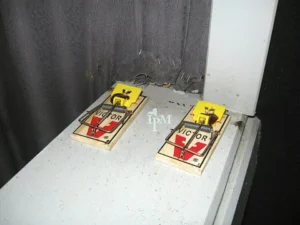
When you set a trap, put it right up against a wall where you’ve seen rat droppings or gnaw marks. The trigger side of the trap should face the wall. This forces the rat to walk over the trigger to get to the bait.
Don’t put traps out in the open. Rats are nervous animals, and they won’t cross open spaces if they can help it.
They feel exposed and vulnerable in open areas, so they’ll avoid your trap even if the bait smells amazing.
Dark, Hidden Spots Are Rat Magnets
Rats are nocturnal, which means they’re most active at night when it’s dark. Even during the day, they prefer staying in dark, hidden spots where predators can’t see them.
This is why you’ll often find rats behind appliances, under sinks, in crawl spaces, and inside walls.
If you want to catch a rat, you need to put traps in these dark hiding spots. Check behind your refrigerator, under your stove, and in the back corners of cabinets. These are the places where rats feel safe enough to stop and eat.
Attics and basements are also prime locations. Rats love these areas because they’re quiet, dark, and usually undisturbed. If you’re setting traps in an attic, put them along the edges of the room and near any holes or gaps where rats might be getting in.
Garages and sheds work the same way. Look for areas with clutter, stacked boxes, or piles of stored items.
Rats build nests in these spots, and they’ll travel back and forth between their nest and their food sources. Setting a trap along this path increases your chances of catching them.
Smelly Baits Get Noticed Faster
Rats have an incredible sense of smell. They use it to find food, detect danger, and communicate with other rats. When you’re choosing bait, you want something with a strong odor that can travel through the air.
Wet cat food or canned tuna are both excellent choices. They’re packed with protein and fat, and the smell is really intense. Just a small spoonful on the trap is enough. The smell will spread through the area and attract any rats nearby.
You can also use things like beef jerky, pepperoni, or other cured meats. The salt and spices in these foods make them smell even stronger. Rats are drawn to salty foods because salt helps them maintain their body’s water balance.
If you want to get creative, try mixing peanut butter with a little bit of bacon grease or fish oil. This combo creates a super-strong scent that rats can’t ignore. Just make sure whatever you use is sticky enough that the rat can’t easily steal it.
Fresh Bait Works Better Than Old Bait
One mistake people make is setting a trap and then forgetting about it. If you leave the same bait on a trap for days or weeks, it’s going to dry out and lose its smell. Rats won’t be interested in old, stale bait.
Check your traps every day. If the bait looks dry or crusty, replace it with something fresh. This keeps the smell strong and tells rats there’s a fresh meal waiting.
Some baits go bad faster than others. Wet foods like tuna or cat food can spoil within a day or two, especially in warm areas.
f you’re using these, you’ll need to change them more often. Peanut butter and dried fruits last longer, but they still need to be refreshed every few days.
Rats Are Cautious Around New Objects
Here’s something most people don’t know: rats are naturally suspicious of anything new in their environment. This behavior is called neophobia, and it means rats will often avoid a trap for the first few days, even if it’s baited with something delicious.
When you first set a trap, don’t be surprised if nothing happens right away. The rat needs time to get used to seeing the trap in its path.

It’ll probably sniff around it, maybe even walk over it a few times before it feels comfortable enough to go for the bait.
You can speed up this process by leaving the trap unset for a day or two with bait on it. Let the rat eat the bait without any consequences.
Once it gets comfortable taking food from the trap, then you set it. This technique is called pre-baiting, and it works really well for cautious rats.
Multiple Traps Increase Your Chances
If you’ve only got one or two rats, a single trap might be enough. But if you’re dealing with an infestation, you need to set multiple traps.
Rats are social animals, and where there’s one, there’s usually more.
Set traps in several locations along the rat’s travel paths. Space them about 10 to 15 feet apart. This increases the odds that a rat will come across one while it’s moving around looking for food.
Don’t put all your traps in one room. Rats explore different areas of your home, especially at night. Put traps in the kitchen, basement, garage, and any other areas where you’ve seen signs of rats.
Using different types of bait in different traps can also help. One rat might prefer peanut butter while another goes for bacon. By offering variety, you’re more likely to appeal to whatever rats are in your home.
Signs You’re Putting Traps in the Right Spots
How do you know if you’ve chosen a good location for your trap? Look for rat signs. These are clues that tell you where rats are spending their time.
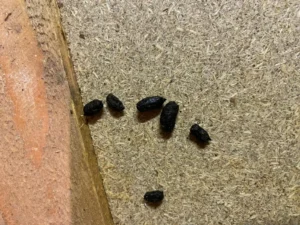
Rat droppings are the most obvious sign. They’re small, dark, and shaped like grains of rice. Fresh droppings are soft and dark, while old ones are hard and gray. If you find droppings, put a trap nearby.
Gnaw marks are another clue. Rats have to chew constantly to keep their teeth from growing too long. They’ll gnaw on wood, plastic, cardboard, and even electrical wires. If you see fresh gnaw marks, you know rats are active in that area.
Grease marks on walls are also common. Rats have oily fur, and when they travel along the same path repeatedly, they leave dark smudges on walls and baseboards. These marks show you exactly where rats are moving, which is where you should place your traps.
Temperature and Environment Affect Bait Appeal
The temperature in your home can change how effective your bait is. In warm areas, baits like peanut butter can become runny and less sticky.
In cold areas, they can harden and lose their smell.
If you’re setting traps in a hot attic or garage, use baits that won’t melt or spoil quickly. Dried fruits, nuts, and commercial rat baits work better in heat.
If you’re setting traps in a cold basement, choose baits with strong oils that release scent even in cooler temperatures.
Humidity also plays a role. In damp areas, some baits can grow mold or absorb moisture and become less appealing. Check your traps more frequently in humid environments and replace the bait as needed.
What Not to Use as Bait
Some foods just don’t work well as rat bait, even though you might think they would. Plain bread is a good example. It doesn’t have much smell, and it’s low in protein and fat. Rats will usually ignore it if there are better options around.
Hard cheese is another poor choice. It doesn’t stick to the trap, so rats can easily steal it. It also doesn’t have a strong enough smell to attract rats from a distance.
Vegetables and fruits (except dried fruits) aren’t great either. Rats will eat them if they’re desperate, but they prefer foods with more calories. Fresh produce also spoils quickly and can make a mess.
Avoid using baits with strong chemical smells or artificial flavors. Rats are smart, and they can tell when something doesn’t smell like real food. Stick with natural, high-protein options.
Commercial Rat Baits vs. Kitchen Foods
You can buy commercial rat baits at most hardware stores. These are specially designed to attract rats and usually come in blocks or pellets. They work, but they’re not always better than what you already have in your kitchen.
Commercial baits often contain attractants and preservatives that make them last longer. This is useful if you’re setting traps in areas you can’t check every day. H
owever, many rats are more attracted to real food because the smell is more natural and familiar.
If you’re going to use commercial bait, look for ones that are peanut butter flavored or contain seeds and grains. These tend to be more effective than plain poison blocks.
You can also combine commercial baits with kitchen foods. For example, spread a little peanut butter on a commercial bait block.
This gives you the best of both worlds: the strong smell of real food and the long-lasting properties of commercial bait.
Understanding What Rats Need to Survive
To really understand what attracts rats to traps, you need to know what rats need to survive. They need food, water, and shelter. If your trap offers something that meets one of these needs, you’re more likely to catch a rat.
Rats need to eat several times a day. They can’t go more than a few days without food, so they’re constantly searching for their next meal.

This is why food-based baits work so well. You’re offering them exactly what they’re looking for.
Water is just as important. Rats need to drink regularly, and in dry environments, they’re attracted to anything moist. This is why wet baits like canned tuna or cat food can be so effective. They provide both food and moisture.
Shelter matters too, which is why trap placement is so critical. Rats want to eat in places where they feel safe from predators. I
f you put your trap in a dark, hidden spot, you’re offering them a place where they feel comfortable enough to stop and eat.
Conclusion
Getting rats to go for your traps isn’t about luck. It’s about understanding what rats want and need. They’re attracted to high-protein, smelly foods like peanut butter, bacon, and dried fruits. But the bait is only part of the equation.
Where you place your traps matters just as much. Rats travel along walls, hide in dark corners, and avoid open spaces.
If you put your traps in the right spots along their regular paths, you’ll have much better success.
Keep your bait fresh, use multiple traps, and give rats time to get comfortable with new objects in their environment. With the right combination of bait, placement, and patience, you’ll start catching rats instead of watching them walk right past your traps.

Hi, my name is Ezra Mushala, i have been interested animals all my life. I am the main author and editor here at snakeinformer.com.