
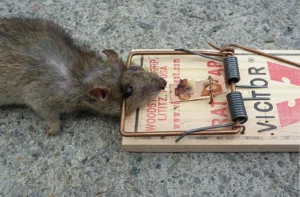
You set a snap trap, it worked, and now you’ve got a dead rat stuck under the metal bar. Congratulations on catching it, but now comes the part nobody likes: getting the rat off the trap.
If you’ve never done this before, it can seem pretty gross. But with the right approach, you can remove a dead rat quickly and safely without making a mess or touching anything you don’t want to touch. So what’s the best way to remove a rat from a snap trap?
To remove a rat from a snap trap, put on disposable gloves, hold the trap over a plastic bag, push down the metal kill bar with a stick or your gloved hand, and let the rat drop into the bag. Seal the bag, throw it in your outdoor trash, and wash your hands thoroughly with soap and water.
The whole process takes less than a minute once you know what you’re doing. You just need to protect yourself from germs and dispose of the rat properly.
Why You Need to Remove Dead Rats Quickly
A dead rat will start to smell within 24 hours, especially in warm weather. The smell gets worse every day you leave it sitting there.
The smell isn’t just unpleasant. It can attract flies and other insects that lay eggs on the dead rat’s body. Within a day or two, you might have maggots.
Leaving a dead rat in your trap also makes other rats more cautious. Rats are smart, and the smell of death can make them avoid your traps completely.
You also want to reset the trap as soon as possible. If you’ve caught one rat, there are probably others. The sooner you get the trap working again, the faster you’ll get rid of your rat problem.
From a health standpoint, dead rats can carry diseases and bacteria. The longer you wait to remove it, the more chance there is for contamination.
What You’ll Need Before You Start
You don’t need much, but having the right supplies makes the job way easier and safer. Gather these things before you touch the trap.
First, get disposable gloves. Latex, nitrile, or even thick rubber dishwashing gloves work fine. You want something that protects your hands from touching the rat or any fluids.
You’ll need a plastic bag, preferably two. A grocery bag works, but a small trash bag is better because it’s thicker and won’t tear as easily.
A stick, ruler, or any long object helps you push the metal bar down without getting your hands too close to the rat. A wooden paint stirrer or an old wooden spoon works great.
Some people like to have paper towels or disinfectant wipes handy for cleaning the trap afterward. If the rat left blood or other fluids on the trap, you’ll want to clean it before setting it again.
A can of disinfectant spray can help with odors and sanitizing the area where the trap was sitting.
How to Safely Approach the Trap
Before you touch anything, put on your gloves. Don’t skip this step, even if the rat looks clean.
Dead rats can carry diseases like leptospirosis, hantavirus, and salmonella. These diseases can spread through contact with the rat’s body fluids, urine, or droppings.
Approach the trap slowly and check if the rat is actually dead. Sometimes rats get caught by a leg or tail and might still be alive.
If the rat is moving or breathing, don’t try to remove it yourself. A trapped rat can bite if you get too close. Put a box or bucket over the trap, wear thick gloves, and either finish the job quickly and humanely or call pest control.
Most of the time, though, the rat will be dead. Snap traps usually kill instantly when they work correctly.
Once you’re sure the rat is dead and your gloves are on, you’re ready to remove it.
The Basic Removal Method
This is the simplest and most straightforward way to get a rat off a snap trap. It works for most situations.
Hold the trap over an open plastic bag. Make sure the bag is wide enough that the rat will drop straight into it without touching the sides.
Use your stick or gloved hand to push down on the metal kill bar. This releases the pressure holding the rat in place.
As soon as the bar lifts, the rat will usually fall off on its own. If it doesn’t, give the trap a gentle shake or use your stick to nudge it into the bag.
Once the rat is in the bag, carefully seal it. Tie the top or use a twist tie. You don’t want any smell escaping.
Put that bag inside a second bag for extra protection. This creates a barrier between you and the rat, and it helps contain any odors.
Take the double-bagged rat straight to your outdoor trash. Don’t leave it in your kitchen trash can or anywhere inside your house.
What to Do If the Rat Is Stuck to the Trap
Sometimes the metal bar is pressed down so hard that the rat seems stuck to the trap. This happens when the trap catches a larger rat or when the bar comes down at just the right angle.
If the rat won’t fall off when you lift the bar, don’t panic. You can still remove it without touching it directly.
Hold the trap over the bag and use your stick to gently pry the rat away from the bar. Work slowly so you don’t tear the rat’s body.
If that doesn’t work, you can sacrifice the trap. Just drop the whole thing (trap and rat together) into the bag and throw it all away.
Snap traps are cheap enough that this isn’t a big deal. If you paid $3 for the trap and you don’t want to deal with the mess, just toss it.
Some people always throw away the trap after catching a rat. It’s more expensive over time, but it’s also the easiest and cleanest option.
Removing Rats from Different Types of Snap Traps
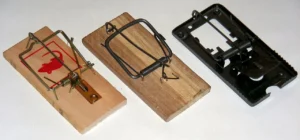
The basic method works for most snap traps, but there are a few different designs, and each has its own quirks.
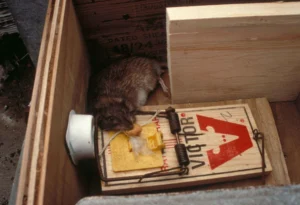
Traditional wooden snap traps are the most common. The metal bar lifts easily once you push down on it, and the rat usually falls right off.
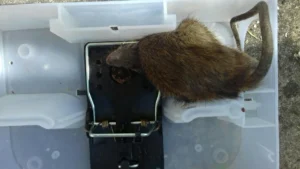
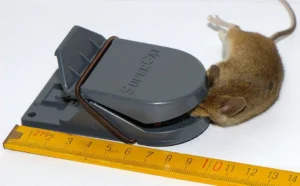
Plastic snap traps work the same way, but they’re easier to clean if you want to reuse them. Blood and fluids don’t soak into plastic like they do with wood.
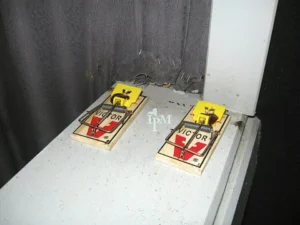
Some newer snap traps have yellow plastic tabs or handles that make it easier to release the bar. Just squeeze the handle and the rat drops off.
There are also “quick-set” traps with built-in bait cups. These work the same way, but the rat might be positioned differently depending on how it triggered the trap.
No matter what type you have, the process is basically the same: gloves on, bag ready, lift the bar, drop the rat in.
Dealing with Blood and Other Fluids
Sometimes snap traps kill rats so quickly that there’s almost no blood. Other times, especially with larger rats, there can be blood on the trap and the surface underneath.
If there’s blood on the trap, spray it with disinfectant and wipe it down with paper towels before you reset it. Don’t just add fresh bait to a bloody trap.
Blood can scare away other rats. It can also carry diseases. Clean it off completely.
If blood got on the floor or wall where the trap was sitting, clean that too. Use a disinfectant spray or a mixture of bleach and water (one part bleach to ten parts water).
Wear your gloves while you clean, and throw away any paper towels or rags you use. Don’t reuse them for anything else.
If the rat leaked urine or other fluids, treat those the same way. Disinfect everything the fluids touched.
This might seem like overkill, but rats can carry some serious diseases. It’s worth taking a few extra minutes to clean properly.
What to Do with the Dead Rat
Once the rat is in the bag, you need to get rid of it. Don’t leave it sitting around, even if it’s sealed in plastic.
The best option is to put it straight into your outdoor trash can. Double-bag it first to contain the smell and any fluids.
If trash pickup is several days away and you’re worried about the smell, you can put the bagged rat in a sealed container (like an old coffee can with a lid) before putting it in the trash.
Some people bury dead rats in their yard. This works if you have space and you dig deep enough (at least a foot down). Make sure you’re not near any water sources or gardens.
Don’t flush rats down the toilet. They’re too big and they’ll clog your pipes. Don’t put them in your garbage disposal either.
In some areas, you can add dead rats to your compost, but check local regulations first. Most cities don’t allow this because of disease concerns.
Never just throw a dead rat into the woods or a vacant lot. That’s littering, and it can spread disease to wildlife.
Protecting Yourself from Diseases
Dead rats can carry several diseases that affect humans. The good news is that most of these diseases require direct contact to spread, and wearing gloves prevents that.
Leptospirosis spreads through contact with rat urine. If you handle a trap that has urine on it, the bacteria can get on your hands and enter through cuts or scratches.
Hantavirus is rare but serious. It spreads when you breathe in dust contaminated with rat droppings or urine. This is more of a concern when cleaning up old rat nests, not when removing a single rat from a trap.
Salmonella lives in rat digestive systems. If you touch a rat and then touch your mouth or food without washing your hands, you can get sick.

The simple solution to all of these risks is to wear gloves and wash your hands thoroughly when you’re done. Don’t touch your face while you’re handling the trap.
If you get any rat blood or fluids on your skin, wash the area immediately with soap and water. If you have any cuts or open wounds on your hands, cover them with a bandage before you put your gloves on.
Cleaning and Reusing the Trap
If you want to reuse the snap trap (and you should, because they’re designed for multiple uses), you need to clean it first.
Take the trap to a sink or outdoor hose. Spray it down with water to rinse off any blood or debris.
Use dish soap and a scrub brush to clean the whole trap. Pay special attention to the metal parts where blood tends to collect.
Rinse it thoroughly. You don’t want any soap residue left on the trap because the smell can make rats avoid it.
Some people disinfect traps with a diluted bleach solution. If you do this, make sure you rinse it extremely well afterward. The smell of bleach will definitely scare rats away.
Let the trap dry completely before you set it again. A wet trap can rust, and moisture can make the wood warp.
Once it’s clean and dry, add fresh bait and set it back up. A well-maintained snap trap can catch dozens of rats over its lifetime.
When to Just Throw the Whole Trap Away
Sometimes it’s not worth cleaning a trap. If you’re grossed out by the idea of scrubbing rat blood off a wooden trap, just throw it away.
Snap traps are cheap. You can buy a new one for a few dollars. If cleaning it is going to make you miserable, the cost of a new trap is worth it for your peace of mind.
Wooden traps can also start to smell after catching several rats, even after cleaning. If a trap has a lingering odor, other rats might avoid it.
If the trap is damaged (cracked wood, bent metal, weak spring), throw it away. A damaged trap won’t work as well, and you’re better off starting fresh.
Plastic traps are easier to clean and reuse. If you know you’ll be catching multiple rats, plastic traps are a better investment than wooden ones.
Common Mistakes People Make
The biggest mistake is not wearing gloves. Even if the rat looks clean, you should always protect your hands.
Some people try to remove rats with their bare hands or just one thin glove. Don’t do this. Use proper protection every time.
Another mistake is leaving the dead rat in your indoor trash. This creates a smell and attracts pests. Always take it outside immediately.
People also forget to clean the trap before resetting it. A bloody or dirty trap is less effective because rats can smell the previous victim.
Not washing your hands thoroughly after removal is another common error. Soap and water are essential, even if you wore gloves the whole time.
Finally, some people get careless because they’ve removed several rats and nothing bad has happened. Don’t let your guard down. Every rat is a potential disease carrier, so take the same precautions every single time.
What to Do If You’re Really Squeamish
If the idea of removing a dead rat makes you feel sick, you have options. You don’t have to force yourself to do something that genuinely disturbs you.
One option is to switch to electric traps. They have a dump door that lets you tip the rat into a bag without ever seeing it or touching it.
Another option is to ask someone else to handle removal. A family member, friend, or neighbor might not mind doing it for you.
You can also hire a pest control service. They’ll set traps, check them, and remove any dead rats for you. It costs more, but you never have to deal with the gross parts.
If you decide to tough it out yourself, work quickly and don’t overthink it. The anticipation is often worse than the actual task.
Keep your eyes on the bag, not the rat. Focus on the mechanical steps: lift bar, drop rat, seal bag, done. The faster you move, the less time you have to get grossed out.
Conclusion
Removing a rat from a snap trap isn’t fun, but it’s a quick and straightforward process if you protect yourself properly. Wear gloves, use a stick or your gloved hand to lift the kill bar, drop the rat into a plastic bag, and dispose of it in your outdoor trash.
Clean the trap if you’re going to reuse it, or just throw it away if you’d rather not deal with cleaning it. Either way, wash your hands thoroughly when you’re done.
The most important things to remember are: protect yourself with gloves, dispose of the rat properly, and clean up any blood or fluids. Do those three things, and you’ll be fine.
If you’re really squeamish, there are alternatives like electric traps or hiring a pest control service. But once you’ve removed a rat or two, you’ll probably find it’s not as bad as you thought it would be.

Hi, my name is Ezra Mushala, i have been interested animals all my life. I am the main author and editor here at snakeinformer.com.