
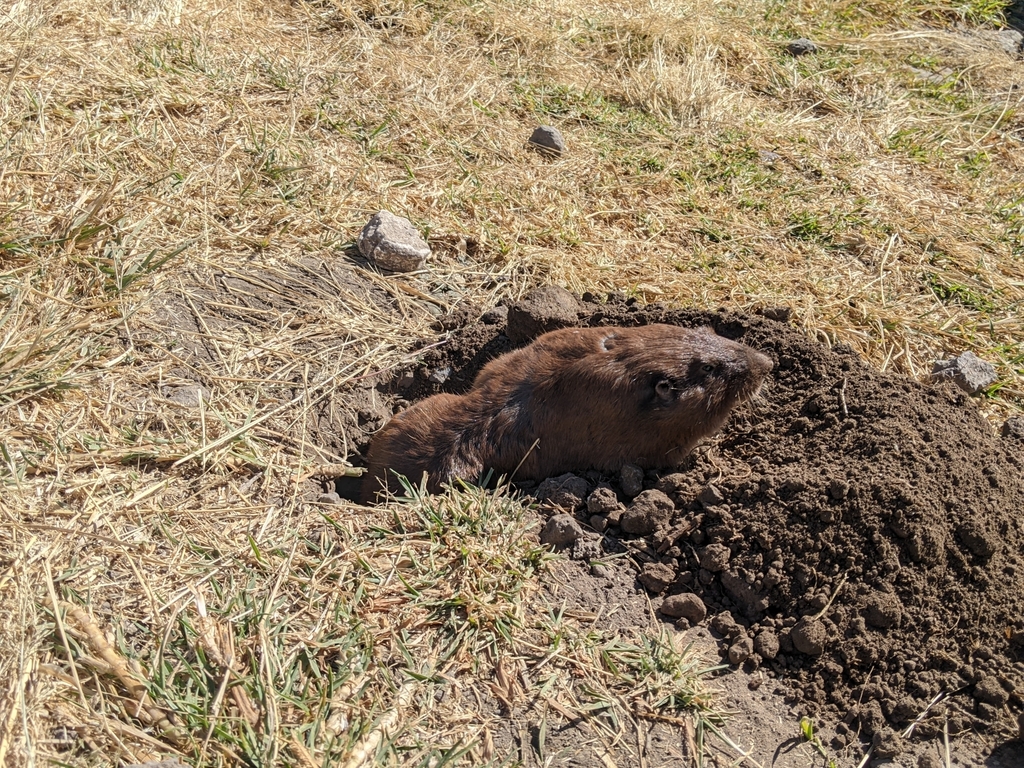
Gophers can destroy a beautiful lawn or garden in just a few days with their underground tunnels and constant eating of plant roots.
If you’ve got rat traps lying around, you might be wondering if they’ll work on the gophers that are tearing up your yard. It seems like it could be a simple solution to your problem. Will a rat trap kill a gopher?
A standard rat trap probably won’t kill a gopher. Gophers weigh between 0.5 to 2.2 pounds and spend most of their time underground in tunnels that are too small for regular rat traps. Even if a gopher triggered the trap, the hit might not be in the right spot to kill it instantly because of their body shape and thick skull.
Gophers are built differently than rats, with stockier bodies, thicker bones, and a skull designed for pushing dirt. This makes them harder to kill with a trap that’s designed for smaller, more delicate animals.
How Gophers Are Different From Rats
Gophers are built like little digging machines. They have large front teeth, powerful front legs with big claws, and a body that’s compact and muscular.
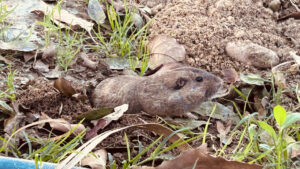
Rats, on the other hand, are more slender with lighter bones. Their skulls are thinner, and their whole body structure is designed for running and climbing, not digging.
This difference in body structure means a trap that works great on rats might not have the same effect on a gopher. The gopher’s thick skull and muscular neck can take more impact before suffering a fatal injury.
The Size and Weight Problem
Pocket gophers (the most common type) usually weigh between 0.5 and 2.2 pounds, depending on the species. That’s actually in the same general range as rats, which might make you think rat traps would work.
But weight isn’t the only factor. A gopher’s weight is distributed differently, with more muscle mass in the shoulders and neck area where they need power for digging.
This means even though they might weigh the same as a large rat, the force needed to kill them quickly is actually higher because you have to get through more muscle and thicker bone.
Why Underground Lifestyle Makes Trapping Harder
The biggest problem with using rat traps on gophers is that gophers spend almost all their time underground. They rarely come to the surface, and when they do, it’s usually just to push dirt out of their tunnels.
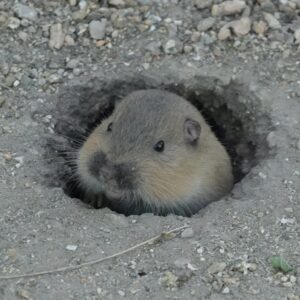
Rat traps are designed to be set on flat surfaces where rats travel. Setting them at the entrance of a gopher tunnel won’t work because gophers push dirt from behind, not by walking through the opening.
To catch a gopher with any trap, you need to actually place the trap inside their tunnel system. Most rat traps are too big to fit in gopher tunnels or won’t work properly in the cramped, dirty environment.
Gopher-Specific Traps and How They Work
Real gopher traps are specially designed to work in underground tunnels. The two most common types are choker-style traps (like the Cinch trap) and pincher-style traps (like the Macabee trap).
These traps are narrow enough to fit in gopher tunnels and are designed to catch the gopher as it moves through the tunnel. They kill by either choking or by pinching the body.
Gopher traps are set in pairs, facing opposite directions in a tunnel. This catches the gopher whether it’s coming or going through that section of its tunnel system.
What Happens If a Gopher Encounters a Rat Trap?
Let’s say you somehow managed to place a rat trap in a spot where a gopher could trigger it. The trap would go off, but the results would be unpredictable.
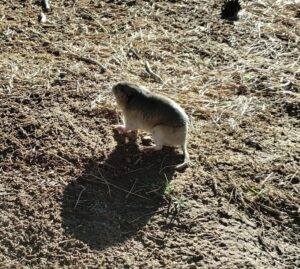
If the bar hit the gopher’s head or neck area, it might cause injury or possibly death. But gophers have thick skulls and strong neck muscles, so there’s a good chance the gopher would just be hurt, not killed.
A wounded gopher will retreat into its tunnel system where you can’t reach it. Now you’ve got an injured, suffering animal that you can’t help and can’t finish trapping.
The Inhumane Aspect of Wrong-Sized Traps
Using a trap that’s not designed for your target animal is considered inhumane for good reason. You’re likely to cause injury and suffering without actually solving your problem.
Most states have laws about trapping, and using inappropriate equipment can get you in trouble. The laws are there to prevent unnecessary animal suffering.
Even if you don’t care about the gopher’s wellbeing, an injured gopher that escapes will be much harder to trap later because it’ll be scared of anything that looks or smells like a trap.
Can You Use Rat Poison on Gophers?
This is a separate question, but since we’re talking about using rat control methods on gophers, it’s worth addressing. Regular rat poison usually won’t work on gophers either.

Gophers eat roots, bulbs, and other plant material. They’re not scavengers like rats, so they won’t be attracted to the same poison baits.
There are gopher-specific poison baits that are designed to look and smell like the food gophers actually eat. These can be effective, but they come with environmental concerns about poisoning other animals.
Live Trapping Gophers vs. Lethal Control
Some people prefer to use live cage traps for gophers. These can work, but they’re tricky because you have to figure out how to place them so the gopher will actually enter.
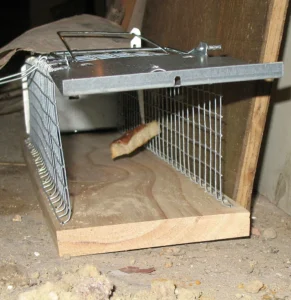
Live trapping also creates the problem of what to do with a caught gopher. In most areas, it’s illegal to relocate them because they’ll just become someone else’s problem.
Lethal control with proper gopher traps is usually faster and more effective if you’re comfortable with killing the animals. It’s also considered more humane than live trapping and relocating, which is extremely stressful for the gopher.
How to Identify Active Gopher Tunnels
Before you set any kind of trap, you need to find active tunnels. Gophers create extensive tunnel systems, but they don’t use all of them all the time.
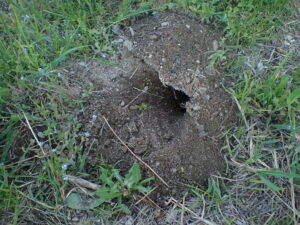
Look for fresh mounds of dirt. Gophers push dirt out when they’re digging, creating fan-shaped or crescent-shaped mounds. If the dirt is dark and moist, the mound is probably fresh.
You can also do a test by flattening a mound and checking back in 24 hours. If there’s a new mound or if the old one has been rebuilt, you know that tunnel is active.
The Right Way to Set Gopher Traps
When using actual gopher traps, you need to dig down to find the main tunnel, not just the lateral tunnels that lead to the mounds. The main tunnels are usually 6 to 12 inches below the surface.
Probe the ground with a sturdy rod or screwdriver between two fresh mounds. When the probe suddenly drops, you’ve found the tunnel.
Dig carefully to expose the tunnel without collapsing it. Set two traps in the tunnel, facing opposite directions. Cover the hole with a board or cardboard to block light, because gophers will plug any opening they detect.
Why Location Matters More Than Trap Type
With gophers, where you put your trap is actually more important than what type of trap you use (as long as you’re using a proper gopher trap).

If you set traps in inactive tunnels or in the wrong part of the tunnel system, you won’t catch anything no matter how good your traps are.
Gophers have main runways that they use regularly, and feeding tunnels that they might only visit once. You want your traps in the main runways for the best chance of success.
Alternative Gopher Control Methods
If you’re not comfortable with trapping, there are other options. Flooding gopher tunnels can drive them away temporarily, but they usually come back.
Some people use smoke bombs or gas cartridges designed for burrowing pests. These can work if you find all the tunnel openings and seal them properly.
Ultrasonic devices and other repellents are heavily marketed but generally don’t work well. Gophers quickly get used to vibrations and sounds, and they’ll just work around them.
Professional Pest Control for Gophers
Professional gopher control services use a combination of methods, including trapping, baiting, and sometimes fumigation. They know exactly where to look for tunnels and how to set traps for maximum effectiveness.
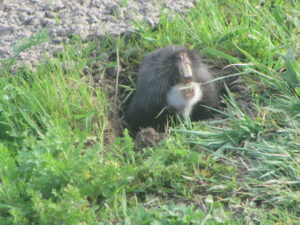
The cost varies depending on the size of your property and how bad the infestation is. But if you’ve tried DIY methods without success, professional help might be worth the investment.
Professionals also know all the local laws about gopher control, so you don’t have to worry about accidentally breaking regulations.
Preventing Gophers From Coming Back
After you’ve eliminated the current gopher population, you need to make your property less attractive to new ones. This is really hard because gophers are drawn to yards with soft soil and lots of plant roots.
Some people install underground barriers made of hardware cloth around gardens and valuable plants. The barrier needs to go at least 2 feet deep and stick up above ground to be effective.
Removing thick ground cover and keeping your lawn well-maintained can help too. Gophers prefer areas where they have cover and feel safe from predators like hawks and owls.
Understanding Gopher Behavior
Gophers are solitary animals except during breeding season. If you have multiple active tunnel systems, you probably have multiple gophers, not just one creating all that damage.
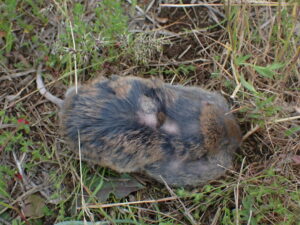
They’re most active during spring and fall when soil conditions are ideal for digging. They slow down during summer when the ground gets hard and during winter in cold climates.
Each gopher can create several mounds in a single day when they’re actively digging. One gopher can have a tunnel system that covers 200 to 2,000 square feet.
How Long Gopher Control Takes
Don’t expect to solve a gopher problem overnight. Even with the right traps in the right places, it can take days or weeks to catch all the gophers on your property.
You need to keep checking and resetting traps, moving them to new locations as you eliminate gophers from different areas.
Stay patient and consistent. Many people give up too soon and then wonder why the gophers come back. You need to stay on top of it until you stop seeing new mounds for at least a week or two.
Signs Your Method Isn’t Working
If you’ve been using rat traps (or any traps) for more than a week and you’re still seeing fresh mounds every day, your method isn’t working.

New mounds in the same general area mean the gopher is avoiding your traps. You need to change your strategy, whether that’s switching to proper gopher traps, moving your trap locations, or calling professionals.
Don’t keep doing the same thing and expecting different results. Gophers are smart enough to learn and avoid danger once they’ve had a close call.
Conclusion
A standard rat trap won’t effectively kill a gopher because these animals spend their time underground in tunnels too small for rat traps, and their thick skulls and muscular bodies can withstand hits that would kill a rat.
Even if a gopher did trigger a rat trap, you’d more likely injure it than kill it, creating an inhumane situation that doesn’t solve your problem.
If you’re dealing with gophers, invest in proper gopher traps like Macabee or Cinch traps that are designed to work in underground tunnels. Learn how to find active tunnels and set traps correctly, or hire a professional if you’re not comfortable doing it yourself.
Using the right equipment for the job isn’t just more effective, it’s also more humane and will save you time and frustration in the long run.

Hi, my name is Ezra Mushala, i have been interested animals all my life. I am the main author and editor here at snakeinformer.com.