

When you hire a professional pest control company to deal with rats, they use different products and strategies than what’s available to homeowners at hardware stores.
Understanding what professionals use helps you appreciate why their services are often more effective and what you’re paying for when you hire an expert. So what rat poison do professional exterminators use?
Professional exterminators primarily use commercial-grade anticoagulant rodenticides like brodifacoum, bromadiolone, and difethialone in professional formulations that aren’t available to consumers. They also use bromethalin for fast knockdown and may use specialty products like soft baits, liquid baits, or tracking powders depending on the situation.
The products themselves might contain the same active ingredients as consumer products, but professional formulations often come in larger quantities, higher concentrations, or specialized forms that require training and licensing to use properly.
Why Professional Products Are Different
The rat poisons professionals use aren’t always chemically different, but they come in forms and concentrations that aren’t sold to the general public.
Professional products are sold in bulk quantities (25-50 pound buckets) that aren’t practical for homeowners but make sense for pest control companies doing multiple jobs.
Some active ingredients and concentrations are restricted to certified applicators only. You need a pesticide applicator’s license to purchase and use them legally.
Professional formulations often have better palatability because manufacturers invest more in research and development for products sold to the pest control industry.
Bait consistency is higher in professional products. Every block or pellet has precisely the right amount of active ingredient, which isn’t always true for cheap consumer products.
Professionals also have access to specialty products like soft baits (which have a putty-like consistency rats love) that aren’t sold in stores.
Most Common Rat Poisons Professionals Use
Here’s a breakdown of what pest control companies actually deploy in the field:
| Active Ingredient | Brand Names | Type | Why Pros Use It | Form Available |
|---|---|---|---|---|
| Brodifacoum | Final, Havoc, Talon | Second-gen anticoagulant | Single-feed kill, highly effective | Blocks, pellets, soft bait, place packs |
| Bromadiolone | Contrac, Maki, Hawk | Second-gen anticoagulant | Reliable, cost-effective, works in all conditions | Blocks, pellets, place packs |
| Difethialone | Blue Max, Generation, Hombre | Second-gen anticoagulant | Excellent for outdoor use, weather-resistant | Blocks, pellets |
| Bromethalin | Fastrac, Resolv, Gladiator | Neurotoxin | Fast kill (1-2 days), good for resistant rats | Blocks, pellets, soft bait |
| Difenacoum | Surefire, Ratak | Second-gen anticoagulant | All-weather performance | Blocks, pellets |
| Cholecalciferol | Terad3, Quintox | Vitamin D3 | Alternative for anticoagulant-resistant rats | Blocks, pellets |
| Diphacinone | Ramik, Kaput | First-gen anticoagulant | Safer around livestock, lower secondary poisoning risk | Pellets, place packs |
This table shows you exactly what’s in a professional’s truck when they show up to handle your rat problem.
Brodifacoum: The Professional Standard
Brodifacoum is probably the most widely used professional rat poison because it just works.
It’s a second-generation anticoagulant that kills rats with a single feeding. Rats only need to eat about 1 gram of bait to get a lethal dose.
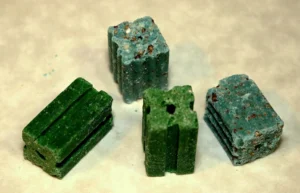
Professionals like brodifacoum because it’s effective even when rats have access to other food sources. Rats don’t need to gorge on it for the poison to work.
The product stays active in a rat’s system for weeks, which means even if a rat only nibbles the bait, it’ll likely still die.
Brands like Final, Havoc, and Talon are the go-to products. These come in 16-pound or 50-pound buckets that professionals buy in bulk.
The downside is that brodifacoum poses high secondary poisoning risks to pets and wildlife. Professionals are trained to use it safely with proper bait station placement and monitoring.
Bromadiolone: The Reliable Workhorse
Bromadiolone is another second-generation anticoagulant that professionals use extensively.
It’s slightly less potent than brodifacoum, but that makes it a bit safer while still being highly effective. Rats need to eat around 2 to 3 grams for a lethal dose.
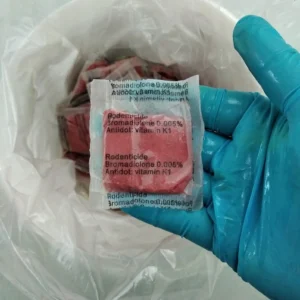
Professional exterminators often use bromadiolone for routine residential jobs where there’s moderate rat activity. It’s effective without being overkill.
Contrac is probably the most recognizable brand name. It comes in bright red or purple blocks that are highly attractive to rats.
Bromadiolone works well in both indoor and outdoor situations. The blocks are wax-based and hold up in damp conditions without falling apart.
Professionals trust it because it has decades of proven effectiveness and rats haven’t developed widespread resistance to it like they have with warfarin.
Bromethalin: When Speed Matters
When professionals need fast results, they reach for bromethalin.
Bromethalin is a neurotoxin that kills rats in 1 to 2 days instead of the 5 to 7 days anticoagulants take.

Fastrac is the most popular professional brand. It’s marketed specifically for its rapid knockdown, which is useful in commercial settings like restaurants or food processing facilities where visible rats need to be eliminated immediately.
Professionals use bromethalin in situations where quick results justify the trade-offs. It’s more toxic to pets and there’s no antidote, so it requires extra caution.
It’s also effective against rats that have developed resistance to anticoagulants. Since it works through a completely different mechanism, resistant rats aren’t immune.
The fast action does increase the risk of bait shyness, so professionals typically use it for short-term knockdown rather than long-term control.
Soft Baits: The Secret Weapon
Soft baits are one of the professional-only products that homeowners rarely see, and they’re incredibly effective.
Soft bait has a putty-like consistency similar to peanut butter fudge. Rats find this texture extremely appealing, often more so than hard blocks.
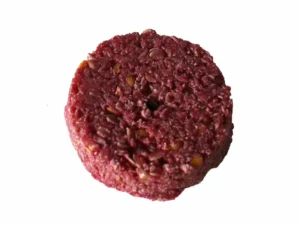
The soft texture also allows rats to eat more quickly. They don’t have to gnaw through hard wax, they can just bite and swallow.
Professionals use soft baits in situations where bait acceptance is critical, like when rats have plenty of other food sources available.
Contrac Soft Bait and Final Soft Bait are the most common brands. They come in small pouches that professionals place in bait stations.
The downside is that soft bait can get messy and doesn’t hold up as well in hot weather. It can melt or become too soft to handle.
Place Packs: Clean and Effective
Place packs are sealed pouches of rat poison that professionals love for indoor use.
Each pack is a sealed pouch filled with pellets or meal-based bait. Rats chew through the pouch to get to the poison inside.
Professionals prefer place packs for clean installations. There’s no loose poison to spill, and you can easily see if rats have been feeding by looking for chew marks.
They’re perfect for tight spaces like wall voids, attics, or behind equipment where traditional bait stations don’t fit.
Brands like Contrac Blox Place Packs and Final Blox Place Packs come in boxes of 25 to 100 pouches.
The downside is they’re more expensive per ounce than bulk blocks or pellets, but the convenience and cleanliness often justify the cost.
Liquid Baits: For Specialized Situations
Liquid baits are rarely used but are available to professionals for special circumstances.
These are water-based solutions containing anticoagulant poison. Rats drink them like water.

Professionals use liquid baits in very dry environments where rats are desperate for water, like warehouses in arid climates or industrial facilities where food is scarce but water isn’t readily available.
Liquibait II and Kaput Liquid are examples, though they’re not common in residential pest control.
The challenge with liquid baits is that rats need to drink quite a bit to get a lethal dose, and if regular water is available, they’ll usually choose that instead.
Tracking Powder: A Different Approach
Tracking powder isn’t a bait at all. It’s a toxic dust that rats walk through and ingest when they groom themselves.
Professionals use tracking powder in areas where rats won’t eat bait, like sewers, industrial facilities with abundant food, or places where bait gets contaminated quickly.
The powder contains anticoagulant or other poison in a talc or cornstarch base. Rats get it on their feet and fur, then lick it off during grooming.
Ditrac Tracking Powder is the most common professional product. It’s applied in burrows, along rat runways, or in areas where rats travel regularly.
Tracking powder requires more expertise to use safely. It can become airborne and pose inhalation risks, so professionals wear respirators and apply it carefully.
Why Do Professionals Use Bait Stations?
You’ll never see a professional exterminator just throwing poison blocks on the ground. They always use bait stations, and there are good reasons.
Bait stations protect the poison from weather, pets, children, and non-target wildlife. This makes the application safer and more effective.

Stations create a confined feeding area. Rats feel safe eating inside a dark, enclosed space, which increases bait consumption.
Tamper-resistant stations are required by law in many situations, especially around homes with children or pets.
Professionals use commercial-grade stations that are sturdier and more secure than the consumer versions sold in stores.
Protecta, EZ Secured, and Aegis stations are the most popular brands among pest control professionals.
How Professionals Decide Which Poison to Use
Choosing the right product requires assessing the situation, not just grabbing whatever’s in the truck.
Severity of infestation: Heavy infestations might get brodifacoum for maximum effectiveness. Light infestations might only need bromadiolone.
Location: Indoor residential uses safer first-generation products or well-secured second-generation poisons. Outdoor or agricultural settings might use stronger products.
Timeline requirements: Commercial clients who need fast results get bromethalin. Residential clients with more patience get anticoagulants.
Resistance history: If an area has known anticoagulant resistance, professionals switch to bromethalin or cholecalciferol.
Environmental concerns: Near water sources or wildlife areas, professionals use products with lower secondary poisoning risks.
Client preferences: Some clients specifically request less toxic options for environmental or pet safety reasons.
How Much Rat Poison Do Professionals Use?
Professionals don’t just put out poison and hope for the best. They calculate amounts and placement scientifically.
IPM (Integrated Pest Management) principles guide how much poison to use and where to place it. Professionals assess the infestation level first.
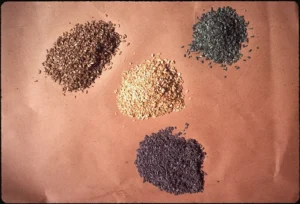
For light infestations, they might place stations 15 to 30 feet apart with 2 to 4 ounces of bait per station.
Heavy infestations require stations every 10 to 15 feet with 6 to 10 ounces per station.
Professionals map out rat activity patterns using monitoring tools like tracking patches, cameras, and observation before placing any poison.
They adjust quantities based on consumption rates. If bait disappears quickly, they add more. If it’s not being eaten, they relocate stations or change bait types.
What Do Exterminators Use for Poison-Resistant Rats?
Resistance is a growing problem, and professionals have strategies to deal with it.
If rats are eating anticoagulant bait for 2+ weeks without dying, professionals suspect resistance and switch products immediately.
Bromethalin (like Fastrac) is the first alternative. It works through a completely different mechanism, so resistant rats have no immunity.
Cholecalciferol products (like Terad3) are another option. This vitamin D3 poison causes kidney failure instead of bleeding.
Some professionals use combination strategies, rotating between different poison types to prevent resistance from developing in the first place.
In extreme cases where resistance is confirmed, professionals might switch to non-poison methods like aggressive trapping programs.
Why Do Pest Control Companies Buy Rat Poison in Bulk?
Professional pest control companies buy poison in quantities that don’t make sense for homeowners.
A 16-pound bucket of Contrac Blox might cost $80 to $120 at wholesale prices. That’s enough bait for dozens of residential jobs.
Buying in bulk drops the per-ounce cost significantly. Professionals pay $4 to $6 per pound while consumers pay $10 to $20 per pound at retail.
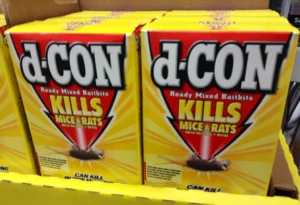
This cost efficiency is one reason why hiring a professional can sometimes cost less than you’d expect. They’re not paying retail for materials.
Professionals also have relationships with distributors and manufacturers that give them access to products and pricing not available to the public.
Do Exterminators Need a License to Use Rat Poison?
What really sets professionals apart isn’t just the products they use but the training they’ve received.
Most states require pest control operators to have a pesticide applicator’s license. This requires passing exams on safety, regulations, and proper application techniques.
Continuing education is mandatory. Professionals have to take courses every year to maintain their licenses and stay current on new products and methods.
They understand how to read labels, calculate dosing, identify rat species, and assess whether poison is the right solution or if alternatives would work better.
Professionals also carry liability insurance. If something goes wrong (like a pet getting poisoned), they’re covered. Homeowners doing it themselves have no such protection.
Monitoring and Follow-Up Services
Professionals don’t just put out poison and disappear. They monitor and adjust until the problem is solved.
Initial service includes setting up bait stations with the appropriate product based on the assessment.
Follow-up visits (usually weekly or bi-weekly) involve checking bait consumption, refilling stations, and looking for dead rats or signs of continued activity.

Professionals keep detailed records of what products were used, how much bait was consumed, and when activity decreased.
They adjust strategies based on results. If one product isn’t working, they switch to another. If bait isn’t being eaten, they relocate stations.
Most professional treatments include 30 to 90 days of monitoring to ensure the infestation is completely eliminated, not just knocked down temporarily.
Regulations and Legal Restrictions
Professionals operate under stricter regulations than homeowners, which affects what they can use and how.
The EPA restricts some second-generation anticoagulants to professional use only. Products with brodifacoum or difethialone in certain formulations can’t be sold to consumers.
Professionals must follow label directions exactly. Using a product in a way not specified on the label is illegal and can result in fines or license suspension.
Bait must be placed in tamper-resistant stations in most situations, especially around homes, schools, and anywhere children or pets have access.
Some states (like California) have additional restrictions beyond federal regulations. Professionals working in those states must comply with state laws.
Record-keeping is required. Professionals must document what products they used, where they placed them, and how much was applied.
Environmental and Safety Considerations
Professional exterminators are increasingly aware of environmental impacts and take steps to minimize harm.
They use the minimum effective amount of poison rather than over-baiting. This reduces waste and lowers secondary poisoning risks.
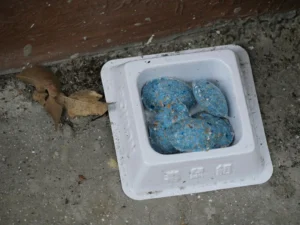
Bait stations are always secured and placed in locations that minimize access by non-target animals.
Some professionals are moving toward IPM strategies that emphasize exclusion work (sealing entry points) and sanitation over heavy poison use.
When working near sensitive environments (wetlands, wildlife habitats), professionals choose products with lower environmental persistence.
Dead rat disposal is handled properly. Professionals remove and dispose of carcasses they find rather than leaving them to contaminate the environment.
Cost of Professional Services vs. DIY
Professional pest control costs more upfront but often delivers better value than DIY approaches.
A professional rat treatment typically costs $300 to $800 for initial service plus follow-ups, depending on the severity and location.
This includes products, bait stations, professional expertise, monitoring, and guarantees.
DIY approaches might seem cheaper ($50 to $150 for poison and stations), but if they don’t work, you’ve wasted money and time while the infestation got worse.
Professionals often eliminate infestations faster because they use the right products in the right places from the start.
The hidden value is in preventing future problems. Professionals identify and seal entry points, remove attractants, and create conditions that discourage re-infestation.
Conclusion
Professional exterminators primarily use commercial-grade formulations of brodifacoum, bromadiolone, difethialone, and bromethalin in forms like soft baits, place packs, and specialized pellets that aren’t available to consumers.
These products come in bulk quantities and sometimes higher concentrations that require licensing to purchase and use.
What sets professionals apart isn’t just access to stronger products. It’s their training in proper placement, dosing, monitoring, and strategy.
They know when to use fast-acting bromethalin versus slower anticoagulants, when to switch products due to resistance, and how to integrate poison use with exclusion work and sanitation for long-term control.
The combination of professional-grade products, expert knowledge, proper equipment like commercial bait stations, and ongoing monitoring typically delivers better results than DIY efforts.
While it costs more upfront, professional service often saves money in the long run by eliminating infestations quickly and preventing costly damage from rats that stick around due to ineffective amateur treatments.

Hi, my name is Ezra Mushala, i have been interested animals all my life. I am the main author and editor here at snakeinformer.com.