
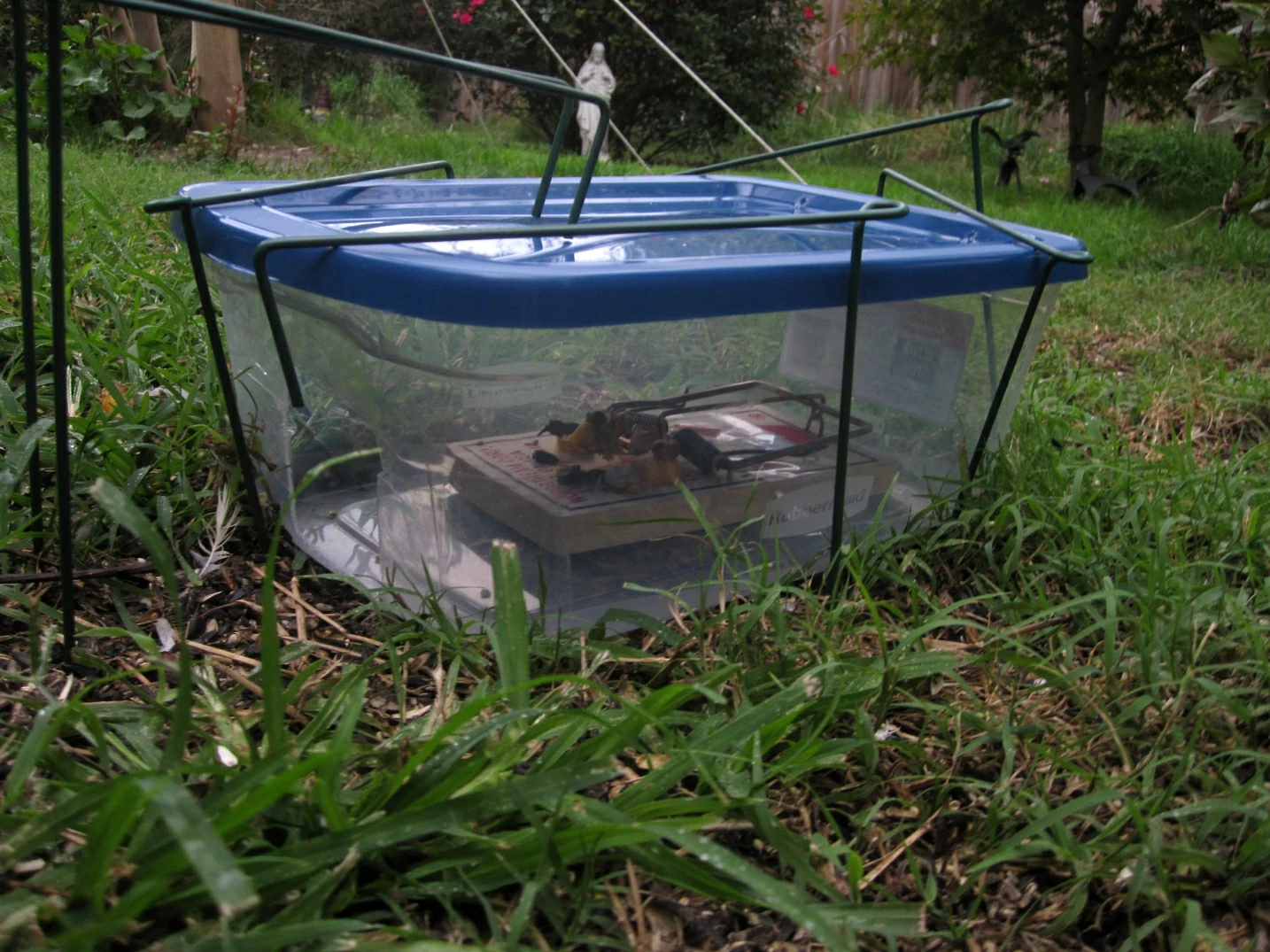
Setting a snap trap is one of the most common ways people deal with rats. The traps are designed to kill quickly and humanely, but things don’t always go according to plan.
Sometimes a rat gets caught in a way that doesn’t kill it right away, and that raises an uncomfortable question. How long can a rat survive in a snap trap?
If a snap trap catches a rat properly (across the neck or head), death is instant or happens within seconds. However, if the trap catches a rat incorrectly (across the body or a limb), the rat can survive anywhere from several minutes to several hours, depending on the injuries and where it’s caught.
The whole point of a snap trap is to kill quickly. When they work right, the rat doesn’t suffer.
But when they don’t work right, you’ve got a serious problem on your hands. The rat is in pain, and you need to deal with the situation as quickly as possible.
How Snap Traps Are Supposed to Work
A snap trap uses a spring-loaded metal bar that swings down with a lot of force when triggered. The goal is to catch the rat across the neck or the base of the skull.
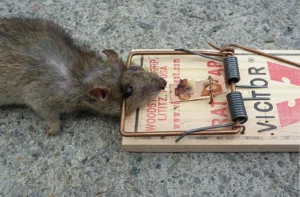
When this happens correctly, the force breaks the rat’s neck or crushes its skull instantly. The rat dies before it even knows what hit it.
This is actually the most humane outcome. There’s no suffering, no prolonged pain. Just a quick, instant death.
The problem is that rats don’t always approach the trap in the perfect position. They might be reaching for the bait from the side, or they might trigger the trap with their body instead of their head.
What Happens When a Trap Catches a Rat Wrong?
If the bar comes down on the rat’s body instead of its neck, the injuries can vary a lot. Sometimes the rat’s spine gets broken or crushed, which will kill it, but not instantly.
A rat with a broken spine might survive for 30 minutes to a few hours. It can’t move its back legs and it’s in severe pain, but it’s still alive.
If the trap catches a rat across its chest or abdomen, it can crush internal organs. This is usually fatal, but again, not instant. The rat might live for an hour or more while bleeding internally.
Sometimes the trap catches just a limb (a leg or tail). In these cases, the rat might survive indefinitely if you don’t find it. It’ll be stuck, in pain, and terrified, but not necessarily dying.
How to Tell If a Rat Died Instantly
When you check a trap and find a rat, you can usually tell right away if death was instant. The rat will be completely still with no signs of struggle.
If the trap is across the neck or head, and the rat isn’t moving at all, death was probably immediate. There won’t be any blood (or very little), and the area around the trap will be clean.
But if you see signs of struggle (scratches on the floor, the trap moved from where you placed it, droppings or urine near the trap), the rat probably lived for at least a few minutes after being caught.
Blood around the trap is another sign that death wasn’t instant. Internal injuries that take time to kill will often cause some bleeding.
What to Do If You Find a Rat Still Alive in a Trap
This is the situation nobody wants to deal with, but it happens. You check your trap and the rat is still moving, still breathing, clearly suffering.
You need to act fast. The humane thing to do is end the rat’s suffering as quickly as possible.
If you’re comfortable doing it, you can use a heavy object to deliver a quick blow to the head. This sounds brutal, but it’s actually the fastest way to end things humanely.
If you can’t do that, you can put the entire trap (with the rat still in it) into a sturdy bag and take it to a veterinarian. They can euthanize the rat properly.
What you should NOT do is leave the rat to die on its own, throw the trap (with the live rat) in the trash, or drown the rat. These methods cause prolonged suffering.
Why Some Rats Survive Longer Than Others
The size of the rat matters a lot. Smaller rats are more likely to be killed instantly because the trap’s force is proportionally greater compared to their body size.
Larger rats (especially big Norway rats) might survive initial hits that would kill a smaller rat instantly. Their thicker bones and larger body mass can withstand more force.

Where the rat was when it triggered the trap also plays a big role. A rat that’s directly over the trigger, facing the bait head-on, is in the perfect position for a clean kill.
A rat that’s approaching from the side, or that’s already started to leave with the bait, is more likely to get caught in a non-lethal position.
The Reality of Snap Trap Success Rates
Even the best snap traps don’t kill instantly 100% of the time. Studies show that proper placement and good traps result in instant kills about 80 to 90% of the time.
That means 10 to 20% of the time, something goes wrong. The rat survives the initial snap and suffers for some period before dying.
Cheaper traps have even worse success rates. Budget snap traps might only achieve instant kills 50 to 60% of the time.
This is why it’s so important to check your traps frequently. You can’t just set them and forget them. You need to look at them at least twice a day.
How Trap Placement Affects Survival Time
If you place a trap in the middle of an open area, rats approach it cautiously from all angles. This increases the chance they’ll trigger it from a bad position.
Traps placed along walls (where rats naturally travel) are more likely to catch rats in the correct position. The wall guides the rat’s approach, so they’re facing the trap head-on.
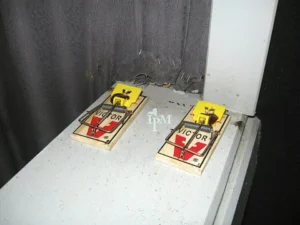
Traps placed perpendicular to the wall (with the trigger end facing the wall) work even better. The rat has to approach the bait from the front, putting their head in the perfect position.
Poor placement doesn’t just make it less likely you’ll catch a rat. It also makes it more likely that any rat you do catch will suffer before dying.
Can a Rat Escape From a Snap Trap?
Sometimes, yes. If the trap catches just a limb or the very edge of the rat’s body, the rat might be able to pull free.
This usually involves the rat losing some fur, skin, or even part of a toe or tail. It’s painful and traumatic, but the rat can survive and escape.
Rats are incredibly flexible and strong for their size. If there’s any way to wiggle out of a trap, they’ll find it.
If you find a sprung trap with blood or fur but no rat, this is probably what happened. The rat got caught, fought its way free, and escaped injured but alive.
Signs a Rat Suffered Before Dying
When you find a dead rat in a trap, you can look for clues about how long it took to die.
Extensive scratches around the trap area mean the rat was trying to escape and was alive for at least several minutes.
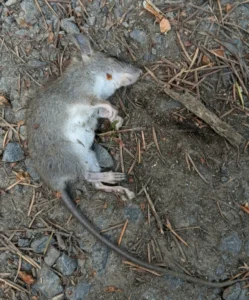
Droppings or urine near the trap are signs of extreme stress. A rat that dies instantly won’t have time to empty its bladder or bowels near the trap.
If the rat’s mouth is bloody or there’s blood coming from the nose, it might have taken several minutes to die from internal injuries.
A rat that’s stiff and cold obviously died hours ago. But a rat that’s still warm and limp probably died recently, possibly while you were approaching to check the trap.
How Different Trap Types Compare
Traditional wooden snap traps have been around forever, and they work pretty well when set up right. But they’re not perfect, and improper kills happen regularly.
Plastic snap traps are similar but often have a larger strike area. This can actually increase the chance of a clean kill because there’s more surface area hitting the rat.
Electronic traps are designed to kill even more humanely. They deliver a high-voltage shock that kills in just a few seconds. There’s almost no chance of a prolonged death with these.
Live traps don’t kill at all, which means you don’t have to worry about this issue. But they create different problems (which we’ll get to in other articles).
The Importance of Using the Right Size Trap
Mouse traps and rat traps are different sizes for a reason. A mouse trap doesn’t have enough force to kill a rat quickly.
If you use a mouse trap on a rat, you’re almost guaranteed to cause suffering. The rat will get caught but won’t die instantly. It might take hours.
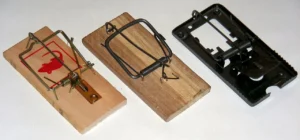
On the flip side, using a heavy-duty rat trap for mice is overkill, but at least it guarantees a quick death. There’s no scenario where a too-strong trap causes more suffering.
When in doubt, go bigger. A trap that’s too strong is better than one that’s too weak.
What About Rats That Get Partially Caught?
Sometimes the trap comes down on a rat’s tail or back leg, pinning it but not causing fatal injuries. In these cases, the rat can survive indefinitely.
The rat will be stuck in place, unable to move more than a few inches. It’ll be terrified and in pain from the trapped limb.
Without intervention, the rat will die eventually from dehydration, starvation, or stress. But this can take 2 to 4 days, which is an incredibly inhumane way for the animal to go.
This is another reason why checking traps frequently is so critical. A rat pinned by its tail at 10 PM might still be alive and suffering when you check at 10 AM the next day.
Temperature and Environment Affect Survival Time
A rat caught in a hot environment (like an attic in summer) will die faster from dehydration and heat stress, even if the trap didn’t cause immediately fatal injuries.
In cold environments, rats can actually survive longer because their metabolism slows down. They use less energy and can go longer without food or water.

Stress also kills rats faster in any environment. The panic and fear of being trapped speeds up their heart rate and breathing, which uses up energy and oxygen faster.
This means a rat caught in a stressful, visible location might die from shock within an hour, while the same rat caught in a quiet, dark corner might survive for several hours.
Legal and Ethical Concerns About Trap Checks
In some places, there are actually laws about how often you need to check traps. These laws are designed to prevent animal suffering.
Even where there aren’t specific laws, there are ethical guidelines. Most pest control professionals recommend checking traps every 12 hours at minimum.
If you can’t commit to checking traps that often, you shouldn’t be using snap traps. It’s not fair to the animal to leave it suffering just because you’re too busy to check regularly.
Consider your schedule before setting traps. If you’re going away for the weekend, don’t set traps Friday evening. Wait until you get back.
How to Make Sure Rats Die Quickly
Use high-quality traps. The extra few dollars for a good trap is worth it for the increased chance of a clean kill.
Set traps in the right locations. Along walls, near rat activity, in areas where rats feel comfortable approaching.
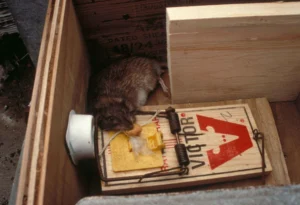
Use enough bait to lure the rat into the perfect position, but not so much that they can grab it and leave. A pea-sized amount of peanut butter right on the trigger works well.
Check your traps frequently. Twice a day is good. More often is better.
If you find a rat that’s alive but caught, deal with it immediately. Don’t wait and hope it dies on its own.
Alternatives If You Can’t Handle This Reality
If the idea of potentially finding a suffering rat is too much for you, snap traps might not be the right choice.
Electronic traps are more expensive but much more reliable for quick kills. They’re worth considering if you want to be more humane.
Live traps let you catch and release rats, though this has its own problems (rats often can’t survive relocation, and it might be illegal in your area).
Professional pest control is another option. They deal with the traps and any unpleasant situations that come up, so you don’t have to.
Conclusion
When a snap trap works correctly, a rat dies instantly or within a few seconds. But when things go wrong, a rat can survive anywhere from several minutes to several hours.
The exact survival time depends on where the trap caught the rat, how big the rat is, and what kind of injuries it sustained.
The most important thing you can do is check your traps often. At least twice a day, more if possible. This way, if you do catch a rat that didn’t die instantly, you can end its suffering quickly.
Nobody wants to deal with a half-caught, suffering rat. But if you’re going to use snap traps, you need to be prepared for that possibility and know how to handle it humanely.

Hi, my name is Ezra Mushala, i have been interested animals all my life. I am the main author and editor here at snakeinformer.com.