
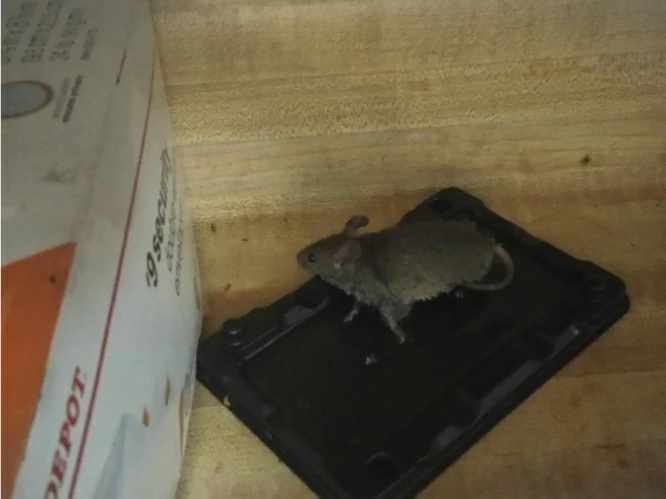
Finding a rat stuck to a glue trap can be really disturbing, especially if the animal is still alive and struggling.
Whether you set the trap yourself or discovered one that someone else placed, you’re probably wondering how long the rat will have to suffer before it dies. How long can a rat survive in a glue trap?
A rat can survive in a glue trap for anywhere from 3 to 24 hours on average, but some rats can last up to several days depending on their health, stress levels, and environmental conditions. Death usually comes from a combination of exhaustion, dehydration, stress-induced heart failure, or injuries from struggling.
The exact time varies a lot based on factors like the rat’s size, how much of its body is stuck, the temperature, and whether the rat has access to any water or food nearby.
What Actually Kills Rats in Glue Traps
Glue traps don’t kill rats directly like snap traps do. Instead, the rat dies from the effects of being trapped and unable to escape.
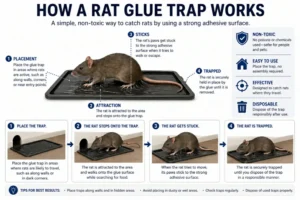
The most common causes of death are dehydration, exhaustion from struggling, and stress. Rats have fast metabolisms and can’t go long without water, especially when they’re panicking and using up energy.
Some rats die from stress-induced heart failure. The panic and fear of being trapped causes their heart to beat so fast that it eventually gives out.
How Struggling Affects Survival Time
When a rat first gets stuck, it goes into panic mode and struggles violently to escape. This fighting uses up a huge amount of energy and makes the rat tired really quickly.
The struggling also causes the rat to overheat. Rats can’t sweat like humans do, and when they’re fighting for their life, their body temperature rises. In warm environments, this can kill them faster.
Rats that struggle less actually tend to survive longer because they’re not burning through their energy as quickly. But most rats will keep trying to escape until they’re too exhausted to move.
The Role of Dehydration
Dehydration is one of the main killers in glue trap situations. Rats need water regularly, and a trapped rat can’t get to any.

In normal conditions, a rat can survive about 2 to 4 days without water. But when it’s stuck on a glue trap, panic and struggling make dehydration happen much faster.
The rat might start showing signs of severe dehydration within 12 to 24 hours. This includes weakness, sunken eyes, and eventually organ failure.
How Temperature Changes Survival Time
In hot environments, rats die faster on glue traps. The combination of heat, panic, and being unable to cool down can kill a rat in just a few hours.
Attics in summer can reach temperatures over 100 degrees Fahrenheit. A rat stuck in that kind of heat won’t last long, maybe 3 to 6 hours at most.
In cooler environments, the rat might survive longer because it’s not dealing with overheating. But the stress and dehydration will still eventually kill it, just not as quickly.
The Size and Health of the Rat
Larger, healthier rats can sometimes survive longer than smaller or sick ones. They have more body reserves to draw on and stronger hearts.
Young rats or old rats tend to die faster because they’re not as strong. Their bodies can’t handle the stress as well as a rat in its prime.
A rat that was already sick or injured before getting trapped will die much faster than a healthy one. Their weakened state means they can’t fight as long.
When Multiple Body Parts Are Stuck
If only one or two paws are stuck to the glue, the rat might survive longer than if its whole belly and multiple limbs are trapped.
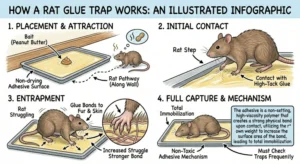
When more of the rat’s body is stuck, it restricts breathing and puts more stress on the rat’s system. The rat might actually suffocate if its chest is pressed too hard against the trap.
Rats with their face stuck to the glue can die from suffocation if the glue blocks their nose and mouth. This can happen in as little as a few minutes.
Stress-Induced Death in Rats
Rats can literally die from fear and panic. The stress hormones flooding their system can cause their heart to stop.
This is called stress cardiomyopathy or “capture myopathy” in wildlife. It’s actually fairly common in trapped animals, not just rats.
Some rats die within the first hour of being trapped simply from the shock and panic, even if they’re otherwise healthy and have plenty of air.
Why Some Rats Last Longer Than Others
Occasionally, you’ll hear about rats surviving on glue traps for 3 to 5 days or even longer. This usually happens when the rat isn’t fully stuck and can reach water or food.
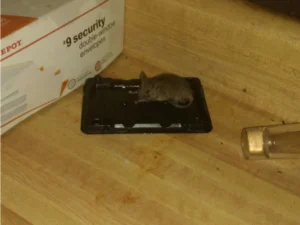
If there’s a leak or water source near the trap, a rat might be able to drink and extend its survival time. Same with food, if some crumbs are within reach.
Rats that somehow manage to stay calm (maybe because they’re exhausted early on) might conserve energy and last longer than rats that fight constantly.
The Impact of Injuries from Struggling
When rats struggle against glue traps, they can injure themselves badly. They might pull out fur, tear skin, or even break bones trying to escape.
These injuries can cause bleeding and shock, which can speed up death. A rat that rips off a patch of skin while trying to get free might die from blood loss and infection.
Some rats will even chew off their own feet or tails to escape. If they succeed in getting free, they’ll likely die from blood loss or infection shortly after.
Environmental Factors That Matter
Humidity can affect how long a rat survives. In very dry conditions, dehydration happens even faster.
Good ventilation versus poor ventilation also matters. In a space with no air flow, the rat might suffocate faster or die from overheating.
Whether the trap is in a quiet place or a loud, active area can affect stress levels too. More stress means faster death.
Signs That Death Is Near
As a rat gets closer to dying, it stops struggling as much. The movements become weaker and less frequent.
The rat’s breathing becomes shallow and irregular. You might see the chest barely moving or the rat gasping for air.
Eventually, the rat becomes completely still. It might twitch occasionally, but these are just muscle spasms as the body shuts down.
Why Checking Traps Frequently Matters
If you use glue traps, you should check them at least twice a day. This isn’t just about being humane, it’s also practical.
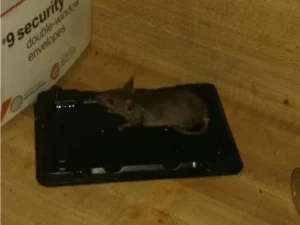
A rat that’s been dead for more than a day starts to smell really bad. The longer you wait to find it, the worse your odor problem becomes.
Frequent checking also means you can deal with the situation quickly. Whether you’re going to euthanize the rat, free it, or dispose of it, doing it sooner is better than later.
Euthanasia Options for Trapped Rats
If you find a live rat on a glue trap and want to end its suffering, there are a few options. None of them are pleasant.
Some people use the drowning method by submerging the entire trap in a bucket of water. The rat dies from drowning in a few minutes, which is faster than letting it die slowly on the trap.
Others use blunt force trauma to the head, which kills instantly if done correctly. This requires a strong stomach and accuracy though.
Carbon dioxide chambers are considered the most humane, but most homeowners don’t have access to these. That’s typically a veterinary or professional pest control method.
What Happens If You Just Leave It?
If you leave a trapped rat alone and don’t check on it, it’ll eventually die on its own. But this could take days, and the rat will suffer the entire time.
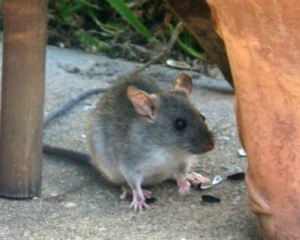
The smell will start within 24 hours and get progressively worse. Dead rats attract flies, which will lay eggs and create maggots.
You’ll also have the unpleasant task of disposing of a decomposing rat stuck to a glue board. The longer you wait, the more disgusting this job becomes.
Legal and Ethical Considerations
In some places, letting an animal suffer in a trap for extended periods is considered animal cruelty. Laws vary, but you could face legal consequences.
Animal welfare organizations universally condemn glue traps as inhumane because of the prolonged suffering they cause.
Even in places where glue traps are legal, many veterinarians and pest control professionals refuse to use them because they consider them too cruel.
Comparison to Other Trap Types
Snap traps kill almost instantly when they work correctly. The rat dies in a fraction of a second from a broken neck or crushed skull.
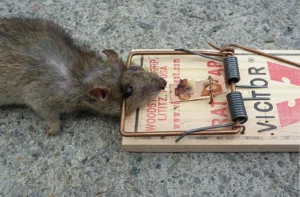
Electronic traps kill in about 10 seconds with a strong electric shock. The rat is usually dead before it even knows what happened.
Live traps don’t kill at all, but they do cause stress. If you don’t check a live trap regularly, a rat can die from stress and dehydration in there too, just like a glue trap.
Why People Still Use Glue Traps Despite This
Glue traps remain popular because they’re incredibly cheap and require zero skill to use. You just set them down and walk away.
Many people who buy glue traps don’t realize how inhumane they are until they actually catch something and see the suffering firsthand.
The traps are marketed as clean and effective pest control, with packaging that doesn’t show the reality of what happens to trapped animals.
What to Do If You Find a Rat on Someone Else’s Trap
If you find a trapped rat on a glue trap that you didn’t set (maybe in a shared space or at work), you have options.
You can free the rat using vegetable oil if you’re comfortable doing that. Pour oil over the stuck areas and gently work the animal loose.

You can also call animal control or a local wildlife rescue. Many of these organizations will come remove the rat and either euthanize it humanely or attempt to save it.
If you’re not comfortable handling it yourself and can’t get help, at least contact whoever set the trap and insist they deal with it immediately.
Preventing This Situation
The best way to avoid dealing with rats suffering on glue traps is to not use glue traps in the first place.
Snap traps, when set correctly, are much more humane because death is instant. They’re also reusable and often more effective in the long run.
Prevention is even better. Seal up holes in your home, remove food sources, and keep everything clean. This keeps rats from getting in at all.
The Emotional Impact on People
Finding a suffering rat can be really traumatic, especially for people who are sensitive to animal suffering. The sounds a trapped rat makes (crying, squeaking) are distressing.

Many people report feeling guilty and upset after using glue traps, even if they don’t normally care much about rats. Seeing an animal suffer up close is different from imagining it.
This emotional toll is another reason to consider other pest control methods. You might solve your rat problem, but you’ll have to live with the memory of what you witnessed.
Conclusion
A rat can survive in a glue trap for anywhere from 3 hours to several days, with most dying within 24 hours. The actual survival time depends on many factors including the rat’s health, how much of its body is stuck, the temperature, and how hard it struggles.
Death comes slowly from a combination of exhaustion, dehydration, stress, overheating, and sometimes injuries from struggling to escape.
This prolonged suffering is why glue traps are considered one of the most inhumane pest control methods available.
If you’re currently using glue traps, check them at least twice daily to minimize suffering. Better yet, switch to more humane methods like snap traps or live catch traps that either kill instantly or allow you to release the animal unharmed.
The few dollars you save by using glue traps aren’t worth the suffering they cause.

Hi, my name is Ezra Mushala, i have been interested animals all my life. I am the main author and editor here at snakeinformer.com.