
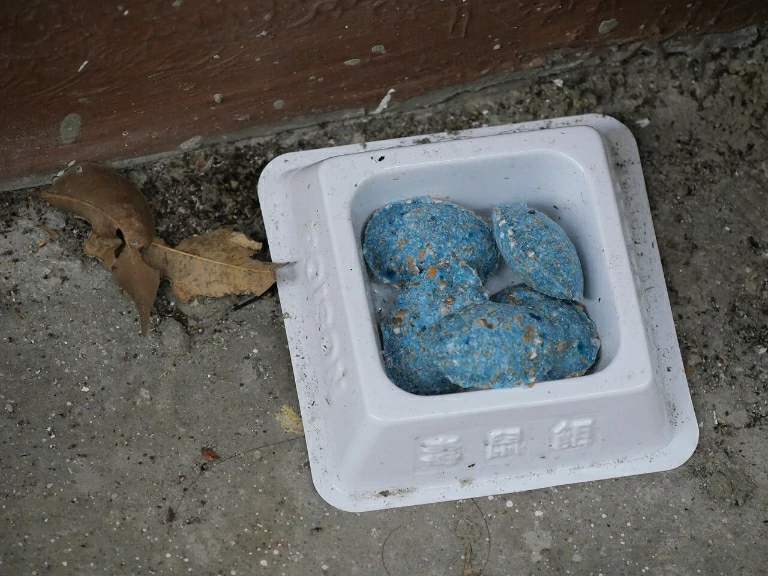
You’ve got rats in your walls, and you’re desperate to get rid of them. The hardware store is full of rat poison products promising quick results, and it seems like the easiest solution.
Just put out some poison, the rats eat it, problem solved. But before you buy that box of rodenticide, you need to understand the serious risks and downsides. Why you shouldn’t use rat poison?
You shouldn’t use rat poison because it poses serious risks to pets and children, causes secondary poisoning in wildlife, leads to rats dying in inaccessible areas where they create terrible smells, and doesn’t address why rats are in your home in the first place. Safer and more effective alternatives like traps and exclusion work better without these dangerous side effects.
Rat poison might seem like a convenient solution, but the problems it creates often outweigh the benefits.
From dead rats rotting in your walls to beloved pets ending up at the emergency vet, the consequences of using poison can be severe and expensive.
Understanding these risks helps you make better decisions about how to handle your rat problem.
The Risk to Your Pets Is Extremely High
Dogs and cats are naturally curious animals that investigate new things in their environment. When you put out rat poison, even in bait stations, there’s a real risk your pet will find it and eat it.
Dogs especially are drawn to the flavors used in rat poison, which manufacturers design to be attractive to rodents but end up appealing to other animals too.
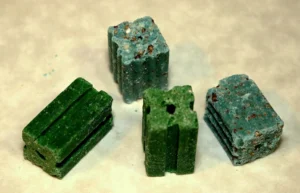
Bait stations aren’t foolproof. Determined dogs can chew through plastic bait stations to get at the poison inside. Cats can sometimes squeeze into openings meant for rats.
And if you place poison outside the station (which some people do), you’re basically leaving it out for any animal to find.
Even if your pet doesn’t eat the poison directly, they can still get poisoned by eating a rat that consumed the poison.
This is called secondary poisoning, and it’s a huge problem with second-generation anticoagulants like brodifacoum.
The poison accumulates in the rat’s liver and tissues, and when your cat catches that rat, they get a dangerous dose.
The Symptoms of Rat Poison in Pets Are Horrible
If your dog or cat eats rat poison, the symptoms are distressing to watch. With anticoagulant poisons, your pet starts bleeding internally.
They become weak and lethargic. Their gums turn pale from blood loss. They might cough up blood, have bloody noses, or you’ll see blood in their urine or stool.
The worst part is that symptoms often don’t show up for several days after exposure. By the time you notice something’s wrong, significant internal damage has already occurred.

Your pet needs immediate veterinary care, but even with treatment, severe cases can be fatal.
Neurotoxin poisons like bromethalin cause tremors, seizures, loss of coordination, and paralysis. Watching your dog lose control of their hind legs or seeing your cat have seizures is heartbreaking. And there’s no antidote for bromethalin, only supportive care and hope.
The vet bills for treating rat poison exposure run into thousands of dollars. Multiple vet visits, blood tests, vitamin K1 injections (for anticoagulant poisoning), IV fluids, and monitoring all add up fast. Some pets need blood transfusions if they’ve lost too much blood internally.
Children Are at Risk Too
Kids are naturally curious and like to explore. If they find rat poison, they might eat it, especially if it looks like food pellets or comes in bright colors.
Even with tamper-resistant bait stations, determined kids can sometimes get into them.
Small children don’t understand warnings on labels, and they put things in their mouths constantly. If poison is accessible anywhere in or around your home, there’s a risk a child will find it. One moment of inattention is all it takes.
The same poisons that kill rats can harm children. Anticoagulants can cause internal bleeding. Neurotoxins can cause seizures and brain damage.
The smaller the child, the more dangerous a given dose of poison becomes. A quantity that might not kill an adult could be lethal to a toddler.
Emergency room visits for rat poison exposure are traumatic for everyone involved. Your child needs their stomach pumped, activated charcoal, possibly vitamin K1 treatment, and monitoring for days to make sure they’re okay.
The fear and guilt you’ll feel is something no parent should experience.
Wildlife Suffers From Secondary Poisoning
When you use rat poison, you’re not just killing rats. You’re poisoning the entire food chain. Hawks, owls, eagles, and other birds of prey hunt rats and mice.
When they eat a poisoned rat, they get poisoned too. Studies have found rat poison in the bodies of predatory birds across the country.

These birds help control rodent populations naturally. One owl can eat dozens of rats and mice in a year, keeping the population in check without poison.
But when we poison the rats, we end up poisoning the owls, and then we lose this natural pest control.
It’s not just birds. Foxes, coyotes, bobcats, mountain lions, and other mammals that eat rats are also at risk. Even animals that scavenge dead rats can be poisoned.
The poison works its way up the food chain, affecting species we never intended to harm.
Second-generation anticoagulants are especially bad for this because they persist in the rat’s body for weeks. one poisoned rat can contain enough poison to harm multiple predators if different animals scavenge parts of the carcass over time.
Rats Die in Your Walls and Create Horrible Smells
One of the worst problems with rat poison is that you can’t control where the rat dies. The rat eats the poison, wanders off, and dies wherever it happens to be when the poison takes effect.
Often, that’s inside your walls, under your floors, in your attic, or in some other inaccessible space.
A dead rat in your wall creates an absolutely terrible smell that can last for weeks. The odor of decomposition is strong, sickening, and it permeates your entire home.
You can’t get rid of it until the rat completely decomposes, which takes three to four weeks in normal conditions, longer in cool dry areas.
The smell attracts flies and other insects that lay eggs in the carcass. You might see flies emerging from wall vents or light fixtures. These flies then spread throughout your home, landing on your food and surfaces, creating a whole new sanitation problem.
Finding and removing a dead rat from inside a wall often requires cutting holes in drywall, which means repair costs on top of the cost of the poison.
Sometimes the rat dies in a spot you simply can’t access without major demolition. You’re stuck with the smell until nature takes its course.
Poison Doesn’t Address Why You Have Rats
Rat poison kills the rats that are currently in your home, but it doesn’t fix the reason they’re there in the first place. If rats can get into your house, more rats will come.
It’s that simple. Poison is a temporary bandaid, not a real solution.
Rats get into homes through holes, cracks, and gaps in the foundation, walls, roof, and around pipes and vents. A rat can squeeze through an opening as small as a quarter.

If these entry points aren’t sealed, killing the current rats just makes room for new ones to move in.
You also need to address what’s attracting rats to your property. Food sources like pet food left outside, bird feeders, compost bins, fallen fruit from trees, and unsecured garbage all draw rats in.
Water sources like leaky outdoor faucets or pet water dishes make your yard even more appealing.
Using poison without fixing these underlying issues means you’ll be poisoning rats constantly. It becomes an endless cycle where you’re always buying more poison, always dealing with dead rats, always exposing your pets and local wildlife to danger.
Rats Can Develop Resistance to Poison
Some rat populations have developed genetic resistance to common rat poisons, especially first-generation anticoagulants like warfarin.
These resistant rats can eat the poison without dying, and they pass this resistance to their offspring.
When you use poison on resistant rats, you’re actually making the problem worse. The rats that are susceptible to the poison die, but the resistant ones survive and breed. Over time, your entire rat population becomes resistant, and the poison stops working at all.
You end up in a situation where you’re spending money on poison that doesn’t work, you’re still creating risks for pets and wildlife, and your rat problem continues or even gets worse.
Some people respond by using more poison or switching to stronger second-generation anticoagulants, which just increases the danger without necessarily solving the resistance problem.
Traps Are More Effective and Safer
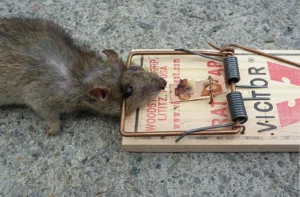
Snap traps kill rats instantly and humanely when set up correctly. You know immediately when you’ve caught a rat, you can dispose of the body right away (no rotting in the walls), and there’s no poison to harm pets or wildlife.
Electronic traps are even better. The rat walks in, steps on a metal plate, and receives a high-voltage shock that kills in seconds.
There’s no suffering, no mess, and no risk to other animals. You just empty the chamber and reset the trap.
With traps, you’re in control. You know exactly where the rat died, you can remove it immediately, and you can see the results of your efforts.
If traps aren’t catching rats, you can adjust placement or bait. You get feedback that helps you improve your approach.
Traps also don’t create resistance. A rat can’t evolve immunity to a mechanical trap the way it can develop resistance to poison. Traps will work just as well a year from now as they do today.
Exclusion Is the Real Solution
The best way to deal with rats is to keep them out of your home in the first place. This is called exclusion, and it’s the only method that actually solves the problem permanently. Seal every hole, crack, and gap that rats could use to enter your home.
Use steel wool and caulk for small gaps, hardware cloth (metal mesh with small openings) for larger holes, and metal flashing around pipes and vents.
Check your foundation, walls, roof edges, soffit vents, and anywhere utilities enter your home. Don’t leave any opening larger than a quarter unsealed.
Install door sweeps on exterior doors to eliminate the gap under the door. Make sure window screens are intact and fit tightly. Cap your chimney with a metal screen.
Check attic vents and make sure they have metal mesh covering them.
Exclusion takes more effort up front than just putting out poison, but it’s permanent. Once your home is sealed, rats can’t get in.
You won’t need to keep buying poison, you won’t risk pet poisoning, and you won’t deal with dead rats in your walls.
Removing Attractants Keeps Rats Away
Along with exclusion, you need to make your property less appealing to rats. Store garbage in metal cans with tight-fitting lids. Don’t leave pet food outside overnight. Clean up fallen fruit from trees promptly.
If you have bird feeders, place them away from your house and use trays to catch spilled seed. Better yet, take them down temporarily while you’re dealing with a rat problem. Rats love bird seed and will happily climb feeders to get it.
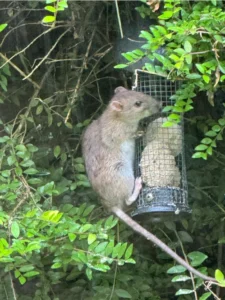
Fix leaky outdoor faucets and hoses. Don’t leave pet water dishes outside overnight. Remove any standing water where it’s not needed.
Rats need water to survive, and eliminating water sources makes your yard less attractive.
Keep your yard tidy. Trim back vegetation that touches your house, remove piles of lumber or debris where rats can nest, and keep shrubs trimmed up off the ground. Rats like cover and hiding spots. A clean, open yard is less appealing than one with lots of hiding places.
The Environmental Impact Is Serious
Beyond the individual animals that are poisoned, rat poison has broader environmental effects. The chemicals can contaminate soil and water.
Rain washes poison from outdoor bait stations into storm drains and eventually into streams and rivers.
These chemicals can persist in the environment for months or years. They build up in the bodies of predators that eat multiple poisoned prey animals over time.
This accumulation can reach levels that cause death even if no single meal was deadly.
Some areas with high rat poison use have seen dramatic declines in predator populations. Owls, hawks, and other beneficial birds that help control pests naturally are disappearing from these areas.
We’re trading a temporary reduction in rats for long-term ecological damage.
The more we rely on poison, the more we disrupt natural predator-prey relationships. We create an environment where rats thrive (because we kill their predators) and we become even more dependent on poison to control them. It’s an ecologically destructive cycle.
Legal and Liability Issues
In some areas, using rat poison in certain ways can actually be illegal. California, for example, has banned consumer use of second-generation anticoagulants.
Other jurisdictions have rules about where and how poison can be used, especially near protected wildlife areas.
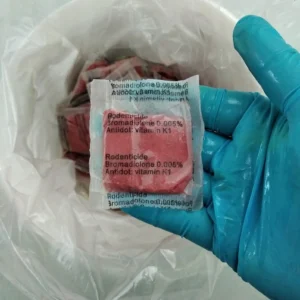
If your rat poison kills a neighbor’s pet, you could be liable for their vet bills or even face a lawsuit.
If poison you placed harms wildlife, especially protected species, you could face fines from wildlife agencies.
The legal risks add to the financial and ethical reasons to avoid poison.
Landlords and property managers can also face liability if poison they placed harms tenants, their children, or their pets.
The risk of lawsuits and bad publicity makes many property management companies move away from poison and toward integrated pest management approaches.
Better Pest Control Methods Exist
Professional pest control companies increasingly use integrated pest management (IPM) approaches that rely less on poison.
These methods combine traps, exclusion, habitat modification, and monitoring to control rats more safely and effectively.
A good pest control professional will inspect your property to find entry points, identify what’s attracting rats, set up strategic trap placement, and seal holes to prevent new rats from entering.
This comprehensive approach costs more up front but solves the problem instead of just treating symptoms.
Some companies now specialize in poison-free rodent control. They use only traps and exclusion, which appeals to environmentally conscious consumers and people with pets.
These services have proven that you can eliminate rats without poison if you use the right combination of methods.
The Hidden Costs of Using Rat Poison
Rat poison seems cheaper than other methods, but that’s often an illusion.
A box of poison costs $10-20, while good traps might cost $20-30 each and you need several. Professional exclusion can cost hundreds of dollars. But factor in the real costs.
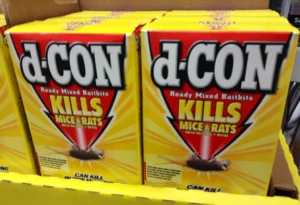
If your pet eats poison and needs emergency vet care, you’re looking at $1,000-3,000 in vet bills, possibly more if they need intensive treatment.
If a rat dies in your wall and you need to cut holes to remove it and repair the damage, there’s another few hundred dollars.
If poison doesn’t work because you have resistant rats, you keep buying more, month after month. Over a year, you might spend $100-200 on poison that’s not solving the problem. Meanwhile, a one-time investment in exclusion would have permanently fixed the issue.
The hidden costs of poison (dead animal removal, property damage, vet bills, environmental harm) make it more expensive than methods that seem pricier initially but actually work and don’t create additional problems.
Conclusion
Rat poison creates more problems than it solves. The risks to pets and children are serious and real. Wildlife suffers secondary poisoning.
Rats die in inaccessible areas creating horrible smells. Poison doesn’t fix why you have rats in the first place. Resistance develops over time making poison less effective.
Better alternatives exist that are safer and more effective. Traps kill rats without poisoning other animals. Exclusion prevents rats from entering your home permanently.
Removing food and water sources makes your property less attractive. Professional integrated pest management combines these methods for comprehensive control.
The short-term convenience of poison isn’t worth the long-term problems. Invest in real solutions that protect your family, your pets, your local wildlife, and the environment while actually eliminating your rat problem for good. Skip the poison and do it right the first time.

Hi, my name is Ezra Mushala, i have been interested animals all my life. I am the main author and editor here at snakeinformer.com.