
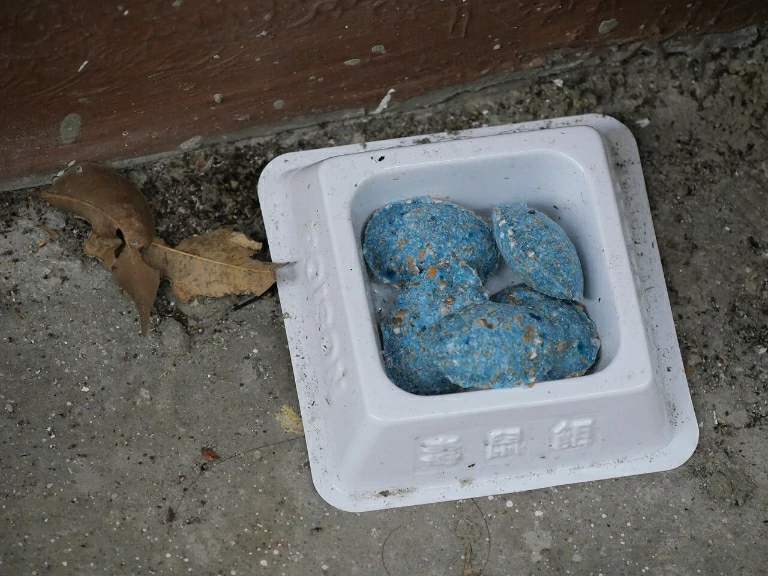
Walk down the pest control aisle at any hardware store in the US or Canada, and you’ll likely find both bromethalin and diphacinone sold as active ingredients in rat poison. They’re two of the few rodenticides still legal to sell directly to regular consumers.
But they don’t work anywhere close to the same way. So what’s the real difference between bromethalin and diphacinone, and which one actually works better?
Bromethalin attacks the nervous system and can kill in as little as one to two days, but it has no antidote. Diphacinone works by stopping blood from clotting and usually needs several feedings, but it can be treated with vitamin K1 if a pet gets into it.
Both are commonly sold in stores, which makes this comparison especially useful for anyone buying rat poison for home use.
The differences between them affect both how well they work on rats and how risky they are if a pet finds the bait first.
Diphacinone Is a First-Generation Anticoagulant
Diphacinone belongs to an older category of rat poison called first-generation anticoagulants. This group also includes warfarin and chlorophacinone.
It works by blocking an enzyme called vitamin K epoxide reductase, which normally recycles vitamin K so the body can keep reusing it.
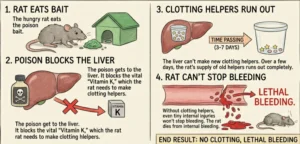
Vitamin K is needed to activate several clotting factors, the proteins responsible for helping blood clot. Once the enzyme is blocked, the body can’t keep producing these clotting factors.
As the existing supply runs low, blood gradually loses its ability to clot. This eventually leads to fatal internal bleeding, the same basic outcome caused by newer anticoagulants like brodifacoum or bromadiolone.
The key difference with diphacinone is that it’s less potent than second-generation anticoagulants. According to the EPA, first-generation anticoagulants like diphacinone are far more effective when a rodent feeds on the bait multiple times, rather than just once.
Bromethalin Works Completely Differently
Bromethalin isn’t an anticoagulant at all. It’s classified as a non-anticoagulant rodenticide, and it targets the nervous system instead of blood clotting.
Once eaten, bromethalin gets converted in the body into a more active compound called desmethylbromethalin. This is the form that actually does the damage.
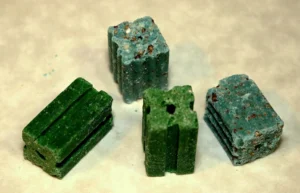
That compound messes with how brain and spinal cord cells produce energy, which throws off the balance of sodium and potassium inside nerve cells. The result is fluid buildup in the brain, known as cerebral edema.
This swelling puts pressure on nervous system tissue, which can lead to tremors, seizures, and paralysis depending on the size of the dose.
Because it works through a completely different pathway than diphacinone, bromethalin remains effective even against rodents that have built up resistance to anticoagulant poisons.
Speed Is One of the Clearest Differences
If you’re comparing how fast each poison actually kills, the two aren’t close. Diphacinone, like most anticoagulants, takes time to work since it relies on the body’s clotting factors running out gradually.
Rats typically need to feed on diphacinone bait over several days before a lethal dose builds up, and death usually follows several more days after that.
Bromethalin can act much faster. At higher doses, symptoms can start within hours, and death can occur within one to two days of a single feeding.
This speed comes with a tradeoff, though. Diphacinone’s slower, more gradual process is part of why an antidote works so well against it.
Bromethalin’s fast, direct nerve damage doesn’t leave the same kind of window for a fix.
Table: How Bromethalin and Diphacinone Compare
Seeing the two side by side makes it easier to understand where each one is actually stronger, and where the real risk lies for a pet.
| Feature | Bromethalin | Diphacinone |
|---|---|---|
| Category | Non-anticoagulant (neurotoxin) | First-generation anticoagulant |
| What it targets | Central nervous system | Blood clotting |
| Feedings typically needed | Single feeding | Often several feedings |
| Time to death in rats | As fast as 1 to 2 days | Several days to over a week |
| Antidote available | No specific antidote exists | Yes, vitamin K1 |
| US consumer availability | Sold in many consumer products | Sold in many consumer products |
| Resistance concerns | Effective against anticoagulant-resistant rodents | Resistance documented in some rat and mouse populations |
Both of these poisons are things you can actually buy off a shelf, which makes understanding this table more than just an academic exercise.
Why Both Are Still Sold to Regular Consumers
This is actually one of the more unusual things about this specific comparison. Most of the strongest rat poisons, like brodifacoum and bromadiolone, were pulled from consumer shelves by the EPA back in 2011.
Bromethalin and diphacinone were not part of that restriction. Diphacinone is a first-generation anticoagulant, and those were never included in the second-generation restriction to begin with.
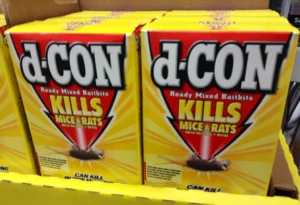
Bromethalin avoided the restriction for a different reason. Since it isn’t an anticoagulant, it doesn’t carry the same wildlife secondary poisoning risks that drove the 2011 decision in the first place.
According to a Pet Poison Helpline newsletter written for veterinarians, the 2011 EPA changes actually pushed manufacturers toward using more bromethalin in consumer products, since it remained a legal option after the stronger anticoagulants were restricted from general retail sale.
This is worth knowing because it means both of these poisons are genuinely common in ordinary households, not just in professional pest control settings.
If you have rat poison at home right now, there’s a real chance it contains one of these two active ingredients rather than one of the more heavily restricted compounds like brodifacoum.
How to Check Which One You’re Actually Using
Since both poisons require different treatment approaches, knowing exactly which one is in your home matters more than it might seem.
Check the product packaging for the active ingredient section, which is required by law on every registered pesticide label in the US. Look for the words “bromethalin” or “diphacinone” specifically, along with a percentage showing how concentrated it is.
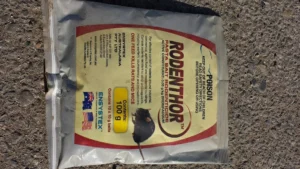
If you no longer have the original packaging, most manufacturers list their product formulations on their websites, and poison control centers can often identify a product from its color, shape, or brand name if you describe it to them.
It’s worth taking a photo of the packaging and active ingredient section before you start using any rat poison at home, just in case you need it later. Having that information ready ahead of time can save valuable minutes if a pet ever gets into it, and it removes any guesswork right when guesswork matters least.
Why Diphacinone Sometimes Fails Against Resistant Rodents
One practical downside of diphacinone shows up in areas with a long history of anticoagulant use. Some rat and mouse populations have developed genetic resistance to first-generation anticoagulants like diphacinone.
This resistance usually comes from mutations that make the rodent’s vitamin K epoxide reductase enzyme harder for the poison to block. In simple terms, their bodies process vitamin K in a way that makes the poison less effective.
This isn’t the rats getting smarter or more careful about what they eat. It’s a real, inherited biological trait passed down through generations, the same way any other genetic trait gets passed on in a population over time.
There’s no amount of clever baiting that fixes this on its own.
Warning signs of this include persistent rodent activity despite regular baiting, bait being eaten without any real drop in the population, or an initial decline followed by numbers bouncing back.
When this happens, switching to bromethalin can help, since it doesn’t rely on the same vitamin K blocking mechanism at all.
A rat resistant to diphacinone has no built-in defense against bromethalin’s approach, since the two poisons work in completely unrelated ways at the biological level.
Why the Lack of an Antidote for Bromethalin Matters So Much
This is probably the single biggest practical difference between these two poisons if you’re a pet owner.
With diphacinone, treatment is well understood. According to EPA-registered product labels, vitamin K1 is the antidote, typically given by injection or orally, with repeat doses continuing based on regular bloodwork.
Bromethalin doesn’t have that option. No antidote exists for it, and the standard approach focuses on early, aggressive decontamination before symptoms even develop.
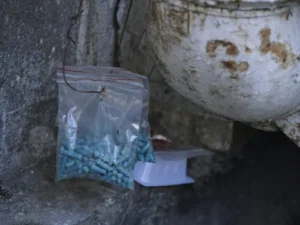
This usually means inducing vomiting or using activated charcoal as soon as possible, ideally within the first hour or two after exposure.
Once symptoms show up, treatment becomes supportive rather than curative. This can include IV fluids, seizure medication, and in some cases a treatment called lipid emulsion therapy to help pull the toxin out of fatty tissue.
None of this reverses the poisoning the way vitamin K1 does for diphacinone. It manages the damage and gives the body a chance to recover, which makes early action far more critical with bromethalin than with diphacinone.
Symptoms Look Completely Different Between the Two
Since these poisons affect different systems in the body, the warning signs don’t overlap much at all.
With diphacinone, early symptoms tend to be subtle. Weakness, pale gums, and low energy are common first signs, followed later by bruising, nosebleeds, or blood in urine or stool as bleeding worsens.
These symptoms build gradually, often over several days, matching the slow mechanical process happening internally.
Bromethalin symptoms can look very different depending on the dose. At high doses, animals may show tremors, muscle twitching, seizures, and extreme sensitivity to touch or sound, sometimes within just a few hours.
At lower doses, symptoms shift toward weakness, an unsteady walk, and hind leg weakness that can progress over several days instead.
Any sign of tremors, seizures, or sudden loss of coordination after a possible rodenticide exposure should be treated as a true emergency, regardless of which poison might be involved.
These symptoms can escalate quickly, especially with bromethalin, so it’s always safer to assume the worst and get your pet seen right away rather than waiting to see if things improve on their own.
Which One Actually Works Better?
This depends heavily on what you’re trying to solve. If you’re dealing with rats or mice that don’t seem to respond to anticoagulant bait anymore, bromethalin is likely to work better, since it kills through a completely different mechanism that resistant rodents have no defense against.
If resistance isn’t a concern, diphacinone can still be effective, especially in situations where rodents will return to the bait station multiple times over several days.

From a safety standpoint, though, diphacinone has a real advantage if you have pets. A known, well-established antidote exists, and vets have decades of experience treating anticoagulant poisoning successfully.
This doesn’t mean diphacinone exposure should ever be treated casually. It still requires fast veterinary attention and proper follow-up. It just means the path to recovery is more predictable once treatment actually starts.
Bromethalin’s speed and effectiveness against resistant rodents comes at the cost of having no antidote, which makes any accidental pet exposure a more urgent and less predictable situation to manage.
What to Do If Your Pet Gets Into Either One
Since the two poisons require different treatment approaches, knowing which one was involved changes what happens next at the vet’s office.
If you catch your pet eating bait, or find chewed packaging, bring it with you to the vet visit if you can. This lets them confirm the exact active ingredient and concentration right away.
Don’t wait to see if symptoms show up before calling your vet or a pet poison hotline. This matters with both poisons, but it’s especially critical with bromethalin, where the window for effective decontamination can close within an hour or two.
If it’s diphacinone, expect a treatment plan built around vitamin K1, likely continuing for one to two weeks with follow-up bloodwork to confirm normal clotting has returned.
If it’s bromethalin, expect a stronger focus on early decontamination and close monitoring for neurological symptoms, since there’s no medication that directly undoes the damage once it’s underway.
Conclusion
Bromethalin and diphacinone are both common rat poisons sold directly to consumers, but they kill through completely different mechanisms.
Diphacinone blocks the body’s ability to use vitamin K, leading to fatal bleeding over several days, while bromethalin damages the nervous system directly, sometimes within just a day or two.
Diphacinone has a real advantage in that vitamin K1 offers an effective, well-understood antidote if a pet gets into it.
Bromethalin works faster and remains effective against anticoagulant-resistant rodents, but it comes with no antidote at all, which raises the stakes if an accidental exposure happens.
Neither poison should be treated casually around a home with pets. If you’re using either one, keep the packaging on hand, and if you ever suspect your dog or cat got into either product, don’t wait around to see what happens.
Fast action gives your vet the best chance to help, regardless of which poison is on the label.
Whichever one you choose, knowing exactly what’s in the bait before an emergency happens puts you in a far better position than trying to figure it out after the fact, when every minute actually counts.

Hi, my name is Ezra Mushala, i have been interested animals all my life. I am the main author and editor here at snakeinformer.com.