
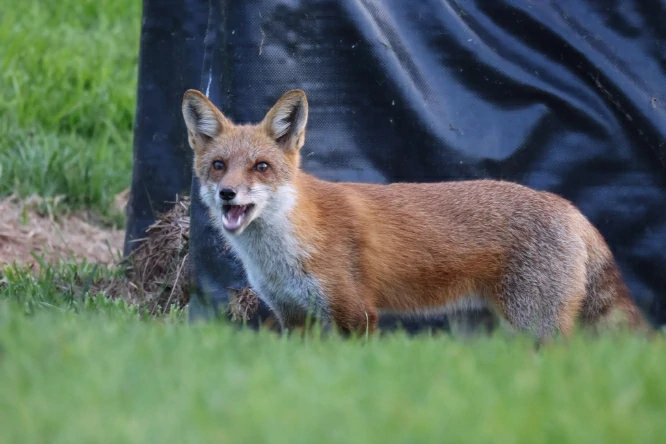
Foxes can be a real problem when they start visiting your garden regularly. They dig holes, knock over bins, leave droppings everywhere, and sometimes even attack small pets.
If you’re dealing with rats at the same time, you might wonder if the rat poison you’re using could also affect the foxes hanging around your property. Does rat poison kill foxes?
Yes, rat poison can kill foxes. Foxes can die from eating rat poison directly, or from eating rats and mice that have been poisoned (this is called secondary poisoning). Either way, rat poison is extremely dangerous to foxes and can cause a slow, painful death over several days.
If you have foxes in your garden and you’re using rat poison, you need to be really careful. Even if you’re not trying to poison the foxes, they can still get poisoned by accident.
This happens more often than you might think, and it’s a serious problem for fox populations in areas where people use a lot of rat poison.
How Foxes Get Poisoned in Gardens
There are two main ways foxes get poisoned by rat poison, and both are common in garden settings.
The first way is direct poisoning. This happens when a fox finds and eats rat poison bait directly. Foxes are scavengers and will investigate anything that smells like food.
Some rat poisons are made with peanut butter, fish meal, or grain-based attractants that foxes find appealing.
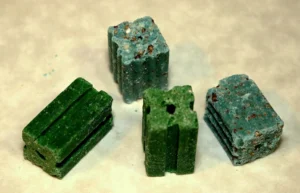
If you’ve put poison blocks or pellets in your garden where foxes can reach them, there’s a real chance a fox will eat some. Foxes are smart and curious animals.
They’ll check out bait stations, dig up buried poison, or grab poison that’s been left out in the open.
The second way is secondary poisoning, and this is actually more common. When a rat eats poison, it doesn’t die right away.
It wanders around for several days while the poison works in its system. During this time, the rat becomes slower and weaker, which makes it easy prey for foxes.
A fox catches and eats the poisoned rat, and the poison transfers into the fox’s body. If a fox eats several poisoned rats over a few weeks, the poison builds up in the fox’s system until it reaches deadly levels.
Secondary poisoning is especially dangerous because foxes don’t know they’re being poisoned. They’re just eating what seems like easy prey.
By the time the fox shows symptoms of poisoning, it’s often too late to save them.
What Rat Poison Does to Foxes
Most rat poisons contain anticoagulants, which are chemicals that stop blood from clotting properly. When a fox ingests these poisons, the effects are really brutal.
At first, the fox might seem fine. Anticoagulant poisons don’t work immediately. It takes several days for the poison to build up in the fox’s system and cause serious problems.
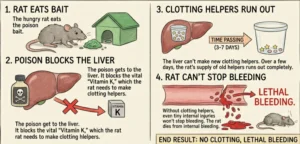
As the poison takes effect, the fox starts bleeding internally. Small blood vessels in the fox’s organs start to leak. Blood seeps into the fox’s lungs, stomach, intestines, and brain. From the outside, the fox might look normal, but inside it’s slowly bleeding to death.
The fox becomes weaker and more lethargic. It stops hunting effectively and might start looking for easier food sources, which means it’s more likely to come into gardens and urban areas looking for food in bins or pet bowls.
Eventually, the internal bleeding becomes so severe that the fox collapses. It might cough up blood, have bloody diarrhea, or bleed from the nose. The fox suffers for days before it finally dies.
Other types of rat poison, like bromethalin, attack the nervous system. This causes seizures, tremors, and paralysis. The fox loses coordination, can’t walk properly, and eventually can’t move at all. This is also a really painful and distressing way to die.
How Common Is Fox Poisoning in Gardens?
Fox poisoning from rat poison is more common than most people realize, especially in urban and suburban areas where gardens back onto each other.
Wildlife rescue organizations report that poisoning is one of the top causes of fox deaths in urban areas. Studies have found that a significant percentage of foxes tested in cities have rat poison in their systems, even if it didn’t kill them immediately.
In the UK, where foxes are common in gardens, rat poison is a major threat to fox populations. The British wildlife charity PTES (People’s Trust for Endangered Species) reports that secondary poisoning from rodenticides is a leading cause of fox mortality.
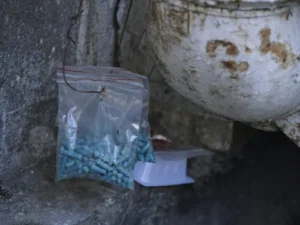
The problem is worse in areas where multiple neighbors are using rat poison. A fox’s territory can cover several gardens and streets. If even a few houses in that territory are using poison, the fox is likely to encounter poisoned rats.
During winter, poisoning rates go up. This is when rats are more likely to come indoors looking for warmth and food, which means more people put out poison. It’s also when food is scarcer for foxes, making them more likely to eat poisoned rats.
Cubs (baby foxes) are especially at risk. Mother foxes hunt poisoned rats and bring them back to the den to feed their cubs. The cubs eat the poisoned meat and die. Sometimes entire litters are wiped out this way.
Is It Legal to Poison Foxes?
In most places, it’s actually illegal to intentionally poison foxes, even if they’re causing problems in your garden. You need to check your local laws, but here’s the general situation.
In the UK, foxes are protected under animal welfare laws. You can’t use poison to kill foxes intentionally. Doing so is considered animal cruelty and can result in fines or even jail time. The Animal Welfare Act 2006 makes it illegal to cause unnecessary suffering to any animal, including foxes.
Even if you argue that you’re not targeting foxes specifically, you can still be held responsible if foxes are poisoned on your property. If you’re using rat poison in a way that makes it accessible to foxes, you could be violating the law.
There are also laws about where and how you can use rodenticides. In the UK, regulations require that rat poison be used in ways that minimize risks to non-target wildlife. This means using covered bait stations, not leaving poison out in the open, and following label instructions carefully.
In the US, regulations vary by state, but most states have laws protecting wildlife from intentional poisoning. Federal laws also regulate how rodenticides can be used, and these regulations are designed partly to protect non-target animals like foxes.
If you’re caught intentionally poisoning foxes, you could face criminal charges, hefty fines, and a ban on keeping animals. Wildlife officers take these cases seriously.
Safer Ways to Use Rat Poison Around Foxes
If you need to use rat poison but you also have foxes in your garden, there are ways to do it more safely, though there’s always some risk.
Use covered bait stations that are designed to keep larger animals out. These are boxes with small entrance holes that rats can fit through but foxes can’t. The poison blocks are secured inside the box so they can’t be dragged out.
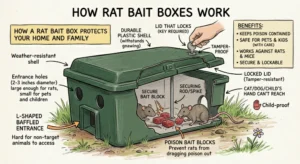
Make sure the bait station is heavy enough that a fox can’t knock it over or drag it away. Some foxes are strong enough to move lightweight bait stations.
Never put poison out in the open. Don’t scatter poison pellets on the ground or leave blocks sitting out where any animal can get to them. This is asking for trouble and it’s also illegal in many places.
Check and remove dead rats regularly. If you find dead or dying rats in your garden, dispose of them immediately before foxes can eat them. Put them in a sealed bag and throw them in the bin (not your compost).
Consider using snap traps instead of poison. Traps kill rats instantly, so there’s no chance of a poisoned rat wandering around for a fox to eat.
It’s more work because you have to set and check traps daily, but it’s much safer for wildlife.
If possible, use the least toxic type of rat poison. Some anticoagulants are more toxic than others. First-generation anticoagulants like warfarin are less likely to cause secondary poisoning than second-generation ones like brodifacoum. Ask at the store for less toxic options.
What to Do If You Think a Fox Has Been Poisoned
If you see a fox in your garden that seems sick or is acting strangely, it might have been poisoned. Here’s what you should do.
Signs of poisoning in foxes include weakness, stumbling or loss of coordination, bleeding from the nose or mouth, pale gums, difficulty breathing, seizures, and unusual tameness (sick foxes often lose their fear of humans).
Don’t try to catch or handle the fox yourself. Foxes can bite when they’re scared or in pain, and they can carry diseases. Even a sick fox can be dangerous if cornered.
Call a wildlife rescue organization right away. In the UK, you can contact the RSPCA, SSPCA (in Scotland), or local wildlife rescue groups. They have trained staff who can safely capture and treat poisoned foxes.
If it’s after hours and you can’t reach a rescue organization, call your local vet. Some vets treat wild animals in emergencies, and they can at least give you advice on what to do.
Keep pets and children away from the sick fox. A poisoned fox might be in your garden for several hours or even days. Make sure no one goes near it or tries to help it without professional guidance.
If the fox dies before help arrives, don’t touch it with bare hands. Wear gloves if you need to move the body, and contact your local council or a wildlife organization about proper disposal. The body might still contain poison that could harm other animals.
Alternatives to Rat Poison in Gardens
If you’re worried about poisoning foxes (or other wildlife), there are other ways to deal with rats in your garden that are safer.
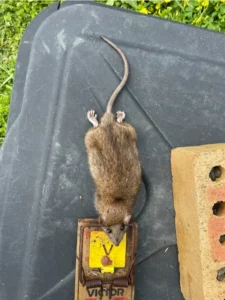
Snap traps are one of the most effective alternatives. Modern snap traps kill rats instantly and humanely. You can buy traps that come in covered boxes, which keeps the dead rat out of sight and protects pets and children from the trap mechanism.
Electronic traps deliver a quick electric shock that kills rats in seconds. These are more expensive than snap traps but are very effective and completely humane. Some models can hold multiple rats before needing to be emptied.
Prevention is better than poison. Make your garden less attractive to rats by removing food sources. Don’t leave pet food outside, secure your bin lids, clean up fallen fruit from trees, and don’t put cooked food in your compost bin.
Block access to shelter. Rats nest in sheds, under decking, in piles of wood or junk, and in overgrown areas. Seal gaps in sheds, clear clutter, and keep vegetation trimmed. If rats can’t nest in your garden, they won’t stick around.
Get a terrier. Some dog breeds, especially terriers, are natural rat catchers. A terrier patrolling your garden will keep rats away better than any poison. Just make sure your dog is trained not to eat any rats it catches.
Professional pest control companies can deal with rat problems using methods that are safer for wildlife. They can assess your specific situation and recommend the best approach.
The Impact on Fox Populations
The widespread use of rat poison in gardens has a real impact on fox populations, especially in urban and suburban areas.
Foxes are important for controlling rodent populations. A single fox can eat dozens of rats and mice in a week. When foxes are poisoned, rat populations can actually increase because their natural predator is gone.
Poisoning also affects fox breeding success. If a mother fox is poisoned while nursing cubs, the cubs will starve. If a fox survives poisoning but is weakened by it, it might not be able to hunt effectively to feed its cubs.
Some areas have seen significant declines in fox numbers due to secondary poisoning. This changes the local ecosystem. Foxes also eat rabbits, beetles, earthworms, and fruit. When fox numbers drop, these other populations can explode or decline unpredictably.
There’s also the ethical question of whether it’s right to accidentally kill foxes when you’re trying to kill rats. Many people value having foxes in their area. Foxes are part of the natural urban ecosystem, and most people would rather not harm them.
Wildlife organizations are pushing for stricter regulations on rat poison use, partly because of the harm it does to foxes and other predators. Some places have already banned certain types of rat poison or restricted how it can be used.
What About Other Wildlife in Your Garden?
It’s not just foxes that are at risk from rat poison in gardens. Many other animals can be harmed too.
Owls, hawks, and other birds of prey hunt rats and mice. When they eat poisoned rodents, they get poisoned too. Barn owls are especially vulnerable because they eat so many rodents. Owl populations in some areas have crashed due to secondary poisoning.

Domestic cats and dogs can eat rat poison directly or catch and eat poisoned rats. Pets die from rat poison every year, and emergency vet treatment for poisoning is expensive.
Hedgehogs sometimes eat poisoned slugs or insects that have come into contact with rat poison. They’re also small enough that even a tiny amount of poison can kill them.
Badgers, otters, stoats, weasels, and other carnivorous mammals all hunt rodents and are all at risk of secondary poisoning. These animals are important parts of the ecosystem.
Even birds that don’t hunt rodents can be affected. Some birds eat poison directly if it’s left accessible, and insect-eating birds can catch poisoned insects.
When you use rat poison in your garden, you’re not just affecting rats. You’re potentially harming an entire food web of animals that live in or visit your property.
Conclusion
Yes, rat poison can kill foxes, both through direct poisoning and secondary poisoning when foxes eat poisoned rats. The death is slow and painful, taking several days as the fox bleeds internally or suffers neurological damage.
If you have foxes in your garden and you’re using rat poison, there’s a real risk that the foxes will be poisoned, either intentionally or by accident. This is both cruel and often illegal.
Use rat poison carefully if you must use it at all. Keep it in covered bait stations, remove dead rats immediately, and consider switching to traps instead. Better yet, focus on prevention by removing food sources and blocking access to shelter.
If you see a poisoned fox, call a wildlife rescue organization right away. Don’t try to handle the fox yourself. The impact of rat poison on fox populations and other wildlife is serious and growing, and we all need to be more careful about how we control pests in our gardens.

Hi, my name is Ezra Mushala, i have been interested animals all my life. I am the main author and editor here at snakeinformer.com.