
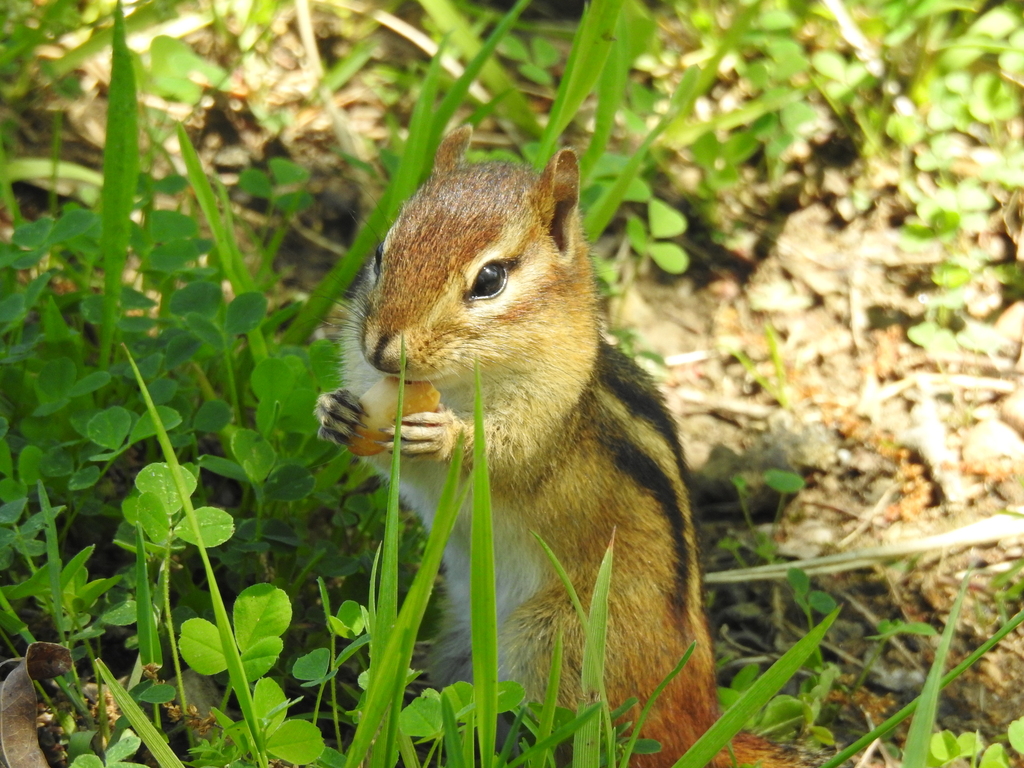
Chipmunks might look cute, but if they’ve been digging up your flower beds or getting into your garage, you’ve probably eyed the rat poison in your shed.
Rat poison is made for rats and mice, not chipmunks. So does it even work on a different animal like this?
Rat poison can kill chipmunks if they eat enough of it, but most rat poisons aren’t made or labeled for chipmunks. Chipmunks may also ignore certain baits, so you could end up with wasted poison without solving the problem. Worse, the bait can be eaten by pets, birds, or other wildlife instead.
This isn’t as simple as buying a box of rat bait and expecting rat-like results. Chipmunks eat differently.
They also react to poison in ways that make this method a lot less reliable than most people assume.
Chipmunks Are Different From Rats
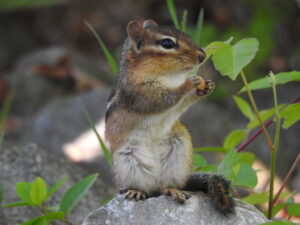
Before getting into the poison side of things, it important to know what you’re actually dealing with. Chipmunks are small, striped members of the squirrel family.
They’re not rats or mice at all, and that difference runs deeper than looks.
In North America, there are two main groups. The eastern chipmunk (Tamias striatus) is the only chipmunk species found east of the Mississippi.
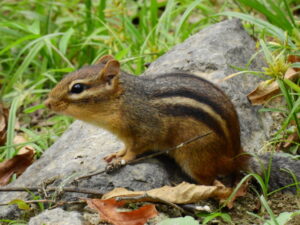
It ranges from the Canadian Maritimes down through most of the eastern U.S.
West of that line, you’ll find over a dozen western chipmunk species (genus Neotamias). They’re spread across the Rockies, the Pacific Northwest, and much of western Canada.
Eastern chipmunks are the bigger of the two groups, usually weighing around 3 to 4 ounces and stretching 5 to 6 inches nose to rump, not counting the tail. Many western species run closer to 2 ounces.
Either way, you’re dealing with a small, fast, ground dwelling animal. Not a slow, food obsessed rat.
This matters because rat poison was built around rat and mouse behavior, not chipmunk behavior. The two animals share a rodent-like reputation, but they don’t act the same way around bait.
How Rat Poison Actually Kills an Animal
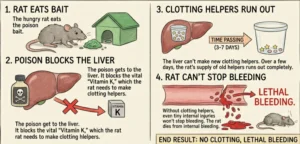
Most rat poison sold today is what’s called an anticoagulant. That’s just a science way of saying it stops blood from clotting the way it’s supposed to.
When an animal eats enough of it, its body loses the ability to stop bleeding internally. Over the next few days, this leads to weakness, internal bleeding, and eventually death.
This is why rat poison isn’t instant. An animal that eats a lethal dose today might not show symptoms for days, and it keeps eating and moving around like normal the whole time.
There are two broad types worth knowing. First generation anticoagulants (like warfarin and diphacinone) usually need to be eaten more than once to build up to a lethal dose.
Second generation anticoagulants (like brodifacoum and bromadiolone) are much stronger. They can kill after just one feeding.
They also stay in an animal’s body a lot longer, which matters later on.
Why Chipmunks Don’t Respond to Bait Like Rats Do
Rats and mice eat almost anything, fast and often. That’s exactly why bait works so well on them.
Chipmunks are a lot more selective, and their whole feeding style works differently. They’re natural hoarders.
Instead of eating food right where they find it, chipmunks stuff it into their cheek pouches to carry back to a burrow. A single chipmunk can pack dozens of seeds into its cheeks at once.
By the end of fall, its underground cache can hold several thousand nuts and seeds.
This habit changes how poison plays out in real life. A chipmunk might grab a piece of bait, stuff it in its cheek pouch, and carry it off to its burrow instead of eating it right away.
That means the poison doesn’t always get eaten in one sitting. Sometimes it just sits underground, unused, or gets shared with other chipmunks nearby.
On top of that, chipmunks tend to be wary of unfamiliar food, especially if their territory already has plenty to eat.
If your yard has bird feeders, fruit trees, or oaks dropping acorns, a chipmunk has little reason to bother with a strange smelling bait block.
Most Rat Poison Isn’t Labeled for Chipmunks
Here’s something a lot of people don’t realize: pesticide labels in the U.S. are legal documents, not suggestions.
It’s actually against federal law to use a pesticide in a way that isn’t listed on its label.
Most general rat and mouse bait products are labeled specifically for rats, mice, and sometimes voles. Chipmunks usually aren’t listed anywhere on the packaging.
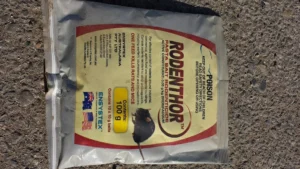
There are a small number of exceptions, though. A handful of specific bait products have gone through the process of adding chipmunks to their approved label over the years.
So it’s not accurate to say no product is ever labeled for them. But it’s the exception, not the rule, and it depends entirely on the exact product in your hand.
Several state extension offices are blunt about this. Wildlife specialists at the University of Missouri and University of Georgia have both said the same thing.
No toxic baits are specifically developed and registered just for chipmunk control.
Using a general rat bait on chipmunks is considered off-label use, unless that exact product says otherwise on the box.
Some states go even further, adding restrictions or permit requirements around killing chipmunks and other non-game wildlife. This is separate from the poison question entirely.
Before you use any poison on chipmunks, check the actual product label and your state’s wildlife rules.
Using a product outside what its label allows isn’t just risky. It can also be illegal.
Chipmunk or Ground Squirrel? Getting the ID Right Matters
One mix-up that trips a lot of people up is confusing chipmunks with ground squirrels, especially the thirteen-lined ground squirrel found across the Midwest and Great Plains.
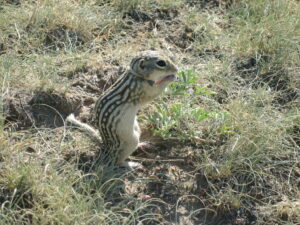
They look similar at first, but chipmunks have a stripe running through the eye, while ground squirrels don’t. Chipmunks are also smaller and tend to move faster and more erratically.
This matters for poison because some rodenticide products are labeled specifically for ground squirrels.
Using a ground-squirrel-labeled product on chipmunks, or the other way around, is still off-label use even though the animals look alike.
Getting the identification right isn’t just a fun fact. It actually affects what you’re legally allowed to use.
Why This Method Often Doesn’t Work Well in Practice
Even when chipmunks do eat rat poison, results tend to be inconsistent, and a few specific things explain why.
First, chipmunks are naturally cautious around new food, especially if your yard already offers plenty to eat.
Second, since poison takes days to work, a chipmunk that only eats a partial dose might survive entirely. It can keep causing the same digging and burrowing problems you were trying to fix.
Third, bait placement is genuinely tricky with this species. Chipmunk burrows are more complex than most people picture.
They can stretch up to 20 feet, with multiple entrances and side chambers.
Bait placed at the wrong entrance might never get found. Bait placed carelessly near the surface can end up somewhere pets or other wildlife can reach it.
Fourth, chipmunks are territorial and don’t usually live in large colonies. Extension researchers note they rarely become abundant enough in one yard to cause serious damage.
So you’re often trying to solve what’s really a one or two animal problem using a method built for wiping out much bigger rodent populations.
The Bigger Risk: What Happens After a Chipmunk Eats Poison
This is the part most people don’t think about until it’s too late. Poisoned animals don’t just quietly disappear.
Anticoagulant poison keeps working in an animal’s body for days. During that stretch, a poisoned chipmunk becomes an easy target.
It often gets slower and less cautious than usual, which makes it much easier for a predator to catch.
If a hawk, owl, fox, or even a neighborhood cat eats a poisoned chipmunk, the poison passes along to them too. Wildlife agencies call this secondary poisoning.
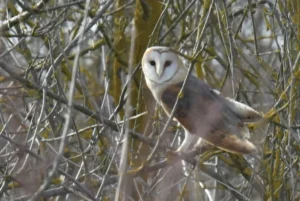
It’s a well documented, ongoing problem, not a rare fluke.
State wildlife agencies have recorded rodenticide poisoning in hawks, owls, foxes, bobcats, raccoons, and household pets that never touched the original bait at all.
The stronger second generation poisons, like brodifacoum and bromadiolone, are especially risky here. They stay in an animal’s body far longer than older, first generation formulas.
A predator doesn’t even need to eat a poisoned chipmunk in one sitting.
Eating several poisoned animals over time can build up to a fatal dose, without a single meal looking like an obvious warning sign.
This buildup risk is exactly why the EPA restricted several of the strongest rodenticides from being sold directly to homeowners.
They’re now mostly limited to licensed pest control professionals.
What About Pets Getting Into It?
If you have a dog or a curious cat, this part is worth thinking through. Pets can be poisoned in two different ways.
The first is direct poisoning, where a pet finds and eats the bait itself. Rat bait is often flavored to be tempting, and dogs especially have no trouble sniffing it out.
The second is secondary poisoning, which happens when a pet eats a chipmunk (or any rodent) that already ate poison.
Even a chipmunk that seems freshly dead can still carry enough poison to make a pet seriously sick.
If you do use rat poison near your yard, always use a locked, tamper resistant bait station rather than loose bait. Keep an eye out for any dead or unusually sluggish animals nearby.
Signs of poisoning in a pet can include pale gums, unusual bruising, coughing up blood, or general weakness. Any of these calls for an emergency vet visit right away.
Safer and More Effective Ways to Deal With Chipmunks
Since poison is unreliable, mostly off-label, and risky for other animals, it’s worth looking at what actually works better.
- Exclusion is usually the most effective long-term fix. This means sealing gaps chipmunks use to get into garages, sheds, or under decks and patios.
Using hardware cloth to physically block access to burrow entry points helps a lot too.
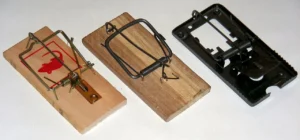
- Trapping tends to get far more consistent results than poison. Live traps let you catch and relocate a chipmunk without the days-long wait, and without the risk to other wildlife.
Rat-sized snap traps can also work well when placed along a chipmunk’s regular travel path, often baited with peanut butter or sunflower seeds.
- Removing food sources makes a real difference too. Bird feeders are a huge draw for chipmunks, especially ones that spill seed onto the ground.
Cleaning up fallen seed, storing pet food indoors, and picking up dropped fruit all make your yard noticeably less appealing.
- Habitat changes help over the long run. Chipmunks are drawn to brush piles, stacked firewood, and thick ground cover because it gives them places to hide from predators.
Clearing this kind of debris away from your house removes a lot of their reason to settle in close by.
- Taste repellents containing ingredients like Bitrex, thiram, or ammonium soaps of fatty acids can help protect specific plants and bulbs.
They need to be reapplied often, though, and won’t solve a bigger infestation on their own.
When It Might Make Sense to Call a Professional
If chipmunks have caused real structural damage, like tunneling under a foundation, patio, or retaining wall, it may be worth bringing in a licensed pest control professional.
The same goes if you’re dealing with a larger colony rather than just one or two animals.
Professionals have access to methods and products that aren’t sold to the public. They know how to use them legally and in a way that’s far less risky to pets and nearby wildlife.
They can also help confirm whether what you’re dealing with is actually chipmunks.
The damage is sometimes mistaken for ground squirrels or voles, and each of those calls for a different approach.
It’s also worth checking your local and state rules before doing any lethal control yourself. Chipmunks aren’t protected under federal law in most cases.
Still, some states require a permit before you’re allowed to trap or kill them, even when they’re damaging your property.
A Few Common Myths Worth Clearing Up
Since chipmunks come up so often in pest control conversations, a few myths tend to stick around even though they don’t hold up.
One common myth is that chipmunks will eat any bait a rat would, in the same amounts. As covered earlier, that’s simply not true.
Their caching behavior and pickier feeding habits mean bait uptake is far less predictable than it is with rats or mice.
Another myth is that finding a dead chipmunk after using poison means the problem is solved. In reality, chipmunks live in loose family groups near good food sources.
Removing one animal often just leaves the burrow and territory open for another chipmunk to move into.
Some people also assume chipmunks are aggressive toward pets or people, which isn’t accurate either. They’re shy, easily startled, and would much rather flee than fight.
The real risk they pose is to structures and gardens through digging, not through any kind of aggression.
Lastly, plenty of people assume any home pest control product works fine on any small animal in the yard.
As this post covers, labels matter, and species differences matter too. What works on one type of rodent doesn’t always translate to another.
Conclusion
Rat poison can kill a chipmunk if it eats enough of it, but it’s far from a reliable solution. Most rat bait products aren’t labeled for chipmunks in the first place.
Chipmunks don’t take bait the way rats and mice do, and the slow-acting nature of the poison means a lot can go wrong along the way.
The bigger issue is what happens after a chipmunk eats poison. Since it doesn’t die right away, that poison can travel further than you’d think.
It gets passed along to predators, pets, and other wildlife that never touched the original bait.
That risk alone is a strong reason to think twice before reaching for it.
If you’re dealing with chipmunks in your yard, exclusion, trapping, and removing easy food sources will usually solve the problem more reliably.
And they come with far less risk to everything else living around you.
If the problem is bigger than you can manage on your own, a licensed pest control professional can offer a safer, legal way to handle it.

Hi, my name is Ezra Mushala, i have been interested animals all my life. I am the main author and editor here at snakeinformer.com.