
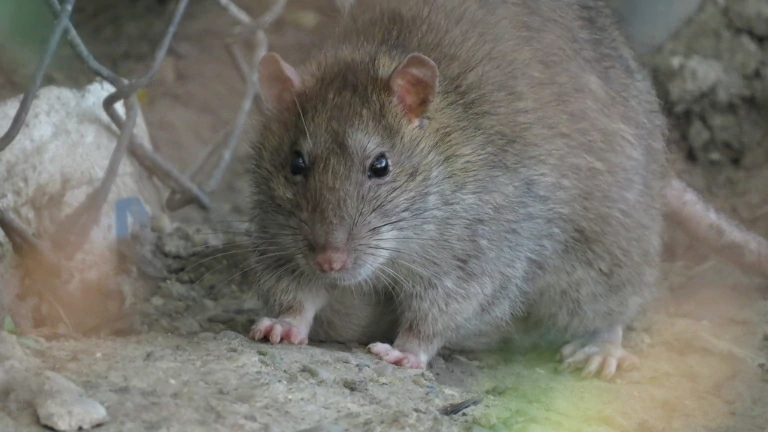
You set up a rat snap trap, baited it carefully, and checked it this morning only to find the bait gone and the trap sprung, but no rat.
This means a rat triggered your trap and somehow got away. Now you’re probably wondering if that same rat will risk coming back to the same spot, or if it learned its lesson. Rat escaped snap trap will it come back?
A rat that escaped a snap trap will usually come back to the same area, but it will be much more careful and suspicious of traps. Most rats will avoid the exact trap that almost caught them for several days or even weeks, but they’ll still travel through the same routes looking for food and water.
Rats are smart animals with good memories, but their need for food and water often overrides their caution. Just because a rat escaped once doesn’t mean you can’t catch it, you just need to adjust your approach.
Why Rats Return to the Same Areas
Rats are creatures of habit and they establish regular routes through your home or property.
They travel along the same paths every night. These are called runways, and rats use them because they feel safer sticking to familiar routes.
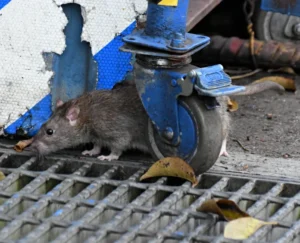
They learn where food sources are, where water is available, and which paths let them move around without getting exposed to predators.
Your home has resources the rat needs. If there’s food in your kitchen, water under a leaky pipe, or shelter in your walls, the rat isn’t going to abandon all of that just because it had one scary experience.
Rats also leave scent trails that other rats follow. Even if the rat that escaped your trap decides to be more careful, other rats in your home will still use the same paths and end up in the same areas.
Their territory is pretty small. Most rats stay within a 100-150 foot radius of their nest. If your home is within that range, they really don’t have much choice but to keep coming through, even if they’re nervous about it.
How Rats React After Escaping a Trap
When a rat barely escapes a snap trap, it goes through a learning process that changes its behavior.
The rat experienced pain or a very close call. Even if the trap didn’t hit the rat directly, the loud snap and sudden movement are terrifying. This creates what’s called trap shyness, where the rat becomes suspicious of anything new or different in its environment.
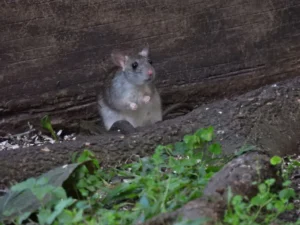
For the next few days, that specific rat will be extremely cautious. It will avoid the exact spot where the trap is located. It might take a much longer route to get to the same destination, just to stay away from that dangerous area.
But here’s the thing: rats get hungry. Their metabolism is fast and they need to eat multiple times per day. After a few days, hunger starts to override fear. The rat will start testing the area again, moving closer each night to see if it’s safe.
The rat will also watch and learn. If it sees that nothing bad happens when it gets close (but not too close) to the trap area, it starts to relax. Over time, its guard comes down.
How Long Before a Trap-Shy Rat Returns
The timeline for a rat to come back varies based on several things.
In most cases, the rat will return to the general area within 1-3 days. It still needs food and water, so it can’t stay away forever. But it will be avoiding the trap itself, taking wider paths around it.
After about a week, the rat’s memory of the scary event starts to fade a bit. It’s still cautious, but not as panicked as it was right after the escape. This is when you might see the rat getting closer to the trap location again.
After 2-3 weeks, many rats will have mostly forgotten about the incident, especially if they’ve been through the area multiple times without anything bad happening. Their natural behavior patterns start to take over again.
Some rats are more trap-shy than others. Older, more experienced rats that have survived other close calls might avoid traps for months. Younger, less experienced rats are usually back to normal behavior within a week or two.
Signs the Rat Is Still Around
Even if the rat isn’t taking your bait anymore, you can tell if it’s still active in the area.
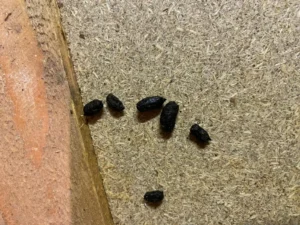
Fresh droppings are the biggest sign. Rat droppings look like dark brown or black pellets, about 3/4 inch long with blunt ends. If you keep finding new droppings near the trap, the rat is definitely still coming through.
Gnaw marks on food packaging, wood, or wires show the rat is still actively feeding in your home. Rats need to gnaw constantly to keep their teeth from growing too long.
Grease marks along walls and baseboards appear where rats regularly travel. Their fur picks up oils and dirt, which rubs off on surfaces they brush against repeatedly. These marks look like dark, greasy smudges.
Sounds at night, especially scratching, scurrying, or squeaking noises in walls or ceilings, mean rats are active. They’re most active between dusk and dawn.
Disturbed insulation or nesting materials in attics, basements, or wall voids show where rats are living. They shred paper, fabric, and insulation to build nests.
Why Your Trap Might Have Failed
Understanding why the rat escaped helps you fix the problem.
The trap might not have been positioned correctly. If the kill bar was facing the wrong direction or the trap was too far from the wall, the rat could have approached from an angle that let it grab the bait without triggering the mechanism properly.
The spring might be weak or worn out. Old traps lose tension over time, and if the spring isn’t strong enough, it won’t snap fast enough to catch a quick rat.
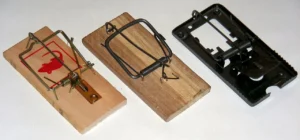
You might have used the wrong bait placement. If you put too much bait on the trigger plate, the rat can lick it off without putting enough pressure on the trigger. The bait needs to be secured so the rat has to tug or press down to get it.
The rat might have been extra cautious and tested the trap first. Some smart rats will push on traps with their nose or paw before fully committing, which can set off the trap without catching the rat.
Sometimes the trap just misfires. Even a properly set trap can snap at the wrong moment, catching nothing but air while the rat jumps back in surprise.
How to Catch a Trap-Shy Rat
Once a rat has escaped a trap, you need to use different tactics to catch it.
Move the trap to a slightly different location. Don’t put it in the exact same spot. Place it 2-3 feet away along the same wall or travel path. This makes the rat think it’s a different trap or situation.
Don’t set the trap for a few days. Leave it in place with bait on it, but don’t actually set the mechanism. Let the rat get comfortable taking free food from the trap. After 2-3 days of free meals, set the trap again. The rat’s guard will be down.
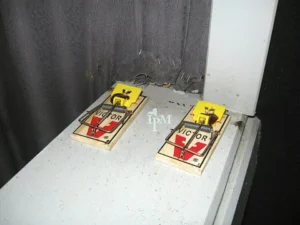
Use different bait. If you used peanut butter the first time, try something else like dried fruit, nuts, or bacon. A different smell might be more tempting and seem less suspicious.
Use multiple traps in the same area. Place 2-3 traps along the same wall, spaced a few feet apart. This increases your chances of catching the rat because it might avoid one trap but walk right into another.
Make sure you’re using fresh, high-quality bait. Old or stale bait isn’t as attractive. Rats have a great sense of smell and they want the freshest food they can find.
Consider using a different type of trap entirely. If snap traps aren’t working, you might have better luck with live traps, electronic traps, or glue boards (though glue boards are controversial because they’re not a humane option).
The Role of Food Competition
Other food sources in your home affect whether the rat comes back to your trap.
If you have a lot of accessible food, the rat doesn’t need to risk the trap. It can just eat from your pantry, pet food bowls, crumbs on the counter, or garbage. This is why pest control experts always say to eliminate other food sources first.
When you remove competing food, the trap becomes more attractive. A hungry rat is a less cautious rat. It’s willing to take more risks when it’s desperate for food.
Store all food in sealed containers made of metal or thick plastic. Rats can chew through cardboard, paper, and thin plastic easily. Don’t leave pet food out overnight. Clean up crumbs and spills immediately.
Take out garbage daily and use trash cans with tight lids. Compost bins should be secure and away from your home. Bird feeders can also attract rats, so consider removing them temporarily while you’re dealing with an infestation.
When there’s less food available overall, rats become more focused on any food source they can find, including the bait on your trap.
Using Scent to Your Advantage
Rats rely heavily on their sense of smell, and you can use this against them.
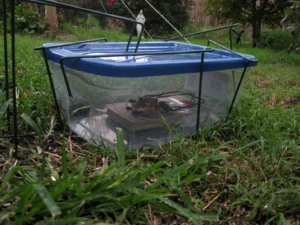
Avoid touching traps with bare hands. Your scent can make rats suspicious. Wear gloves when setting traps so you don’t leave human scent on them. Some people even recommend rubbing dirt on new traps to mask the smell of plastic or fresh wood.
Tony Alter (CC BY 2.0)
Use strong-smelling baits that rats can detect from far away. Peanut butter is popular because rats can smell it from several feet away. Other good options include bacon grease, chocolate, or hazelnut spread.
Some people have success with vanilla extract or anise oil. A drop of these scents near (not on) the trap can attract curious rats. The sweet smell is appealing and unfamiliar, which can overcome some of their caution.
Clean the area around old traps that have been sprung without catching anything. The rat’s fear scent might linger in the area, warning other rats (and the same rat) that danger was present there.
The Impact of Other Rats in Your Home
If you have multiple rats, the situation gets more complicated.
One rat’s experience doesn’t necessarily teach other rats. If rat number one escaped your trap, rat number two might walk right into it the next night. Rats don’t really communicate danger about specific objects to each other in that way.
However, rats do learn from watching each other. If a rat sees another rat get caught in a trap, it will absolutely avoid that trap. This is called observational learning and rats are actually pretty good at it.
Dominant rats often make younger or subordinate rats test new food sources first. The bigger, older rat will hang back and watch while a younger rat investigates. If the young rat gets caught, the older rat learns without taking the risk.
This is why using multiple traps is so important when you have more than one rat. You’re not just trying to catch one smart individual, you’re trying to catch several rats that might all learn from each other’s mistakes.
When to Change Your Strategy Completely
Sometimes snap traps just aren’t going to work, and you need to recognize when to try something different.
If you’ve had multiple trap failures over 2-3 weeks, it’s time to change tactics. The rats in your home have clearly learned that traps are dangerous.
Live traps (catch and release traps) can work well for trap-shy rats. These don’t have the sudden violent snap, so rats are less afraid of entering them.
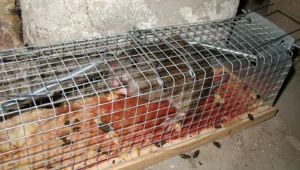
You bait them, the rat walks in, and the door closes behind it. Then you release the rat far away from your home (check local laws about this).
Electronic traps deliver a quick, humane electric shock. Rats enter a chamber to get the bait, and when they step on a metal plate, they get shocked instantly. These are more expensive but very effective for smart rats.
Bait stations with rodenticide (poison) can work when traps fail. However, poison has downsides like dead rats in your walls and risks to pets and children. It should be a last resort and used carefully.
Professional pest control might be necessary. If you’re dealing with a large infestation or particularly smart rats, professionals have access to better tools and more experience with difficult cases.
How Rats Learn and Remember
Understanding rat intelligence helps you predict their behavior.
Rats have excellent spatial memory. They can remember complex routes through mazes and recall where they found food days or even weeks later. This means they definitely remember where they encountered your trap.
They also have good associative memory. They connect cause and effect, so if they hear a loud snap and feel pain or fear at a certain location, they remember that location equals danger.
But rat memory isn’t perfect. Over time, especially if nothing bad happens when they pass near the old trap location, the memory fades. Other needs like hunger become more important than old memories of danger.
Younger rats (under 6 months old) are less cautious and have less experience, so they’re easier to trap. They haven’t learned to be as suspicious yet. Older rats are much harder to catch because they’ve survived longer by being careful.
Creating an Unavoidable Situation
Sometimes you can force a trap-shy rat into a position where it has no choice but to risk the trap.
Block alternative routes. If you can identify the rat’s main travel path and block off side routes with boards or other barriers, you can funnel the rat toward your trap. It becomes the path of least resistance.

Place traps at necessary resources. If you know where the rat gets water (like under a leaky pipe), place a trap right there. The rat has to drink, so eventually it will risk the trap when thirsty enough.
Use multiple traps to create a gauntlet. Line up several traps along a narrow path where the rat travels. It might dodge the first one, but the second or third might get it.
Make your home as unwelcoming as possible. If you combine traps with removing food, sealing entry points, and making the environment uncomfortable (bright lights, noise), the rat might take more risks just to find food quickly and get back to safety.
Patience Is Actually Your Best Tool
Catching a trap-shy rat takes time, and getting frustrated won’t help.
Don’t move traps around constantly. Rats need time to get used to seeing a trap in a location. If you keep changing positions every day, the rat will always see it as something new and suspicious.
Be consistent with your baiting. Use the same type of bait in the same amount. This creates a pattern the rat can start to trust.
Check traps at the same time each day. Rats are active at predictable times (usually at night), so checking your traps on a schedule helps you understand what’s happening and when.
Keep detailed notes. Write down where traps are placed, what bait you used, and what happened each night. This helps you see patterns and figure out what’s working and what isn’t.
Remember that professional pest control companies often take weeks to fully eliminate a rat problem. If they need that much time with all their experience and tools, you shouldn’t expect instant results either.
Conclusion
A rat that escaped your snap trap will almost certainly come back to the same general area. Rats need food and water every day, and they travel along established routes that they’re familiar with.
However, the rat will be more cautious and suspicious, especially around the exact trap that almost caught it. This trap shyness can last anywhere from a few days to several weeks depending on the individual rat’s experience and personality.
To catch a trap-shy rat, you need to move your trap to a slightly different location, consider leaving it unset with free bait for a few days, use fresh and different baits, eliminate competing food sources, and be patient. Multiple traps increase your chances of success.
The good news is that rat memory isn’t perfect, and hunger eventually overrides fear. With the right approach and some patience, you can catch even a smart rat that escaped your trap once. The key is understanding rat behavior and adjusting your strategy based on what the rat is teaching you through its actions.

Hi, my name is Ezra Mushala, i have been interested animals all my life. I am the main author and editor here at snakeinformer.com.