
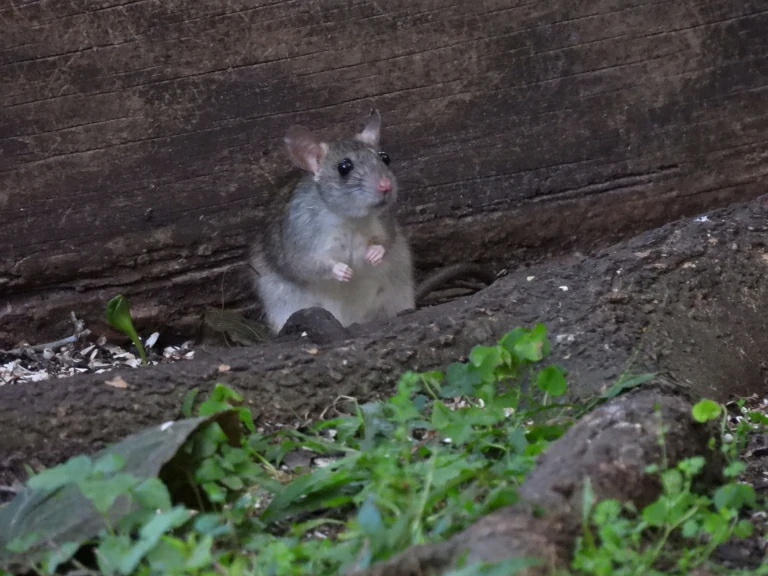
You’ve set out rat traps, caught a few rats, but now nothing’s happening. The traps sit there night after night, untouched. You’re starting to wonder if the remaining rats have figured out what’s going on. So, do rats learn to avoid traps?
Yes, rats can learn to avoid traps. They’re intelligent animals that remember dangerous experiences and can even learn from watching other rats. If a rat sees a trap kill another rat or barely escapes one itself, it will avoid that trap and similar objects in the future.
This trap-shy behavior is one of the biggest challenges in rat control. Once rats become suspicious of traps, catching them becomes much harder. But understanding how they learn can help you work around their intelligence.
How Smart Are Rats Really?
Rats are surprisingly intelligent rodents. They can solve puzzles, remember complex routes, and even learn their names. Their brains are capable of making connections between cause and effect, which is why they can link traps to danger.

Studies show that rats can remember experiences for months or even years. If a rat has a bad experience with a snap trap, it can remember that specific trap type and avoid it long after the incident. This long-term memory makes them tough opponents in pest control.
They also communicate with each other through sounds humans can’t hear (ultrasonic vocalizations). When a rat is caught in a trap, it might make distress calls that warn other rats in the area. The other rats then associate that location or object with danger.
What Is Neophobia and Why Does It Matter?
Neophobia means fear of new things, and rats have it in spades. When something new appears in their environment (like a trap), they’re naturally suspicious and avoid it at first. This is a survival instinct that’s kept rats alive for millions of years.
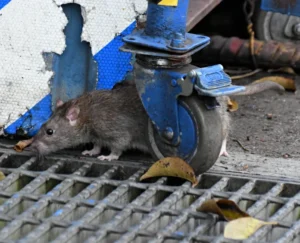
A rat will often walk around a new trap for days before investigating it closely. During this time, they’re watching and learning. They’re checking if other rats interact with it and what happens when they do.
This is why pest controllers often recommend “pre-baiting” traps. You put bait on an unset trap for several days, letting rats eat from it safely. Once they’re comfortable, you set the trap. This works around their neophobia by making the trap seem safe before it becomes deadly.
Can Rats Learn from Watching Other Rats Die?
Yes, and this is one of the scariest things about rat intelligence. If a rat sees another rat get killed by a trap, it will avoid that trap and sometimes all traps that look similar. They make the connection between the object and the danger instantly.
Even if a rat doesn’t directly see another rat die, they can find the body later and make connections. They’ll investigate the dead rat, smell the trap, and link the two together. From that point on, they give that area a wide berth.
This is why catching the first few rats is usually easy, but then success rates drop dramatically. The remaining rats have learned what’s dangerous, making them much harder to catch.
What Happens When a Rat Escapes a Trap?
A rat that triggers a trap but escapes (maybe the trap didn’t close properly or only caught a paw) becomes extremely trap-shy. That rat will avoid all traps from that point forward, not just the one that injured it.

These trap-shy rats are the hardest ones to catch. They’ve had a direct, personal experience with danger and remember it vividly. They’ll change their routes, avoid areas where traps are present, and even warn other rats through their behavior.
Some rats that escape traps become so cautious that traditional trapping methods won’t work on them anymore. You need to try completely different approaches, like using different trap types or focusing on exclusion methods instead.
How Long Does It Take for Rats to Learn?
Rats can learn to avoid traps after just one exposure. If they see or experience danger once, that’s usually enough. Their survival depends on learning quickly, so evolution has made them fast learners.
The learning spreads through the colony pretty quickly too. Within a few days of the first rat getting caught, other rats in the area will start avoiding your traps. This is why you often have a window of success early on, then nothing.
Young rats tend to be less cautious than adults. They haven’t learned to fear new things yet, which is why juvenile rats are often easier to catch. But once they survive to adulthood, they become as wary as the older rats.
Do Different Trap Types Fool Rats?
Switching trap types can work because rats don’t generalize their learning to all traps. A rat that learned to avoid snap traps might still investigate an electronic trap or a live catch trap because it looks different.

However, if you keep using the same strategy (for example, always placing traps in the same locations with the same bait), rats will eventually avoid all of them regardless of type. They learn to associate specific locations and smells with danger.
The key is mixing up your approach. Use different trap types, different baits, and different locations. This keeps rats from developing a clear pattern they can avoid.
What Baits Work on Smart Rats?
Trap-shy rats become suspicious of common baits like peanut butter once they associate it with danger. Switching to unusual baits can work. Try things like chocolate, bacon grease, dried fruit, or even nesting material like cotton or dental floss.
Fresh bait works better than old bait. Rats can smell the difference, and stale bait that’s been sitting in a trap for days seems more suspicious than fresh food they haven’t seen before.
Some experts recommend using bait that rats have been eating safely elsewhere on your property. If rats are getting into your dog food, use that as bait. It’s a familiar, “safe” food item they’ve been eating without problems, which might overcome their caution.
Can You Outsmart Trap-Shy Rats?
Yes, but it takes patience and strategy. One method is to completely remove all traps for a week or two. This lets rats relax and forget about the danger. When you set traps again (in different locations, with different bait), they’re less suspicious.

Another approach is using multiple trapping methods at once. Combine snap traps with electronic traps and live catch traps. Even smart rats can’t avoid everything, and using varied methods increases your chances.
You can also focus on exclusion instead of trapping. Seal entry points, remove food sources, and make your property less attractive to rats. If rats can’t access food and shelter, they’ll move on regardless of how smart they are.
The Role of Hunger in Trap Success
Really hungry rats take more risks. If you can remove all other food sources, rats become desperate enough to ignore their learned caution and investigate traps. This is why sanitation is so important in rat control.
Clean up spilled birdseed, secure garbage bins, remove pet food bowls at night, and fix any leaky pipes that provide water. When rats get hungry and thirsty enough, their survival instinct to find food overrides their fear of traps.
However, this only works if you’re consistent. One accessible food source can keep rats fed enough that they never risk approaching your traps. Complete food removal is key.
Do Rats Warn Each Other About Traps?
While rats don’t have language the way humans do, they do communicate danger to each other. When a rat is caught in a trap, its distress calls can alert nearby rats. These rats then avoid that area.

Rats also leave scent trails that other rats follow. If a rat starts avoiding an area with traps, other rats following its scent trail will also avoid that area. The learned behavior spreads through the colony without direct teaching.
Young rats learn from their mothers too. A mother rat that’s trap-shy will teach her pups to avoid similar objects, passing the learned behavior to the next generation. This makes long-term infestations even harder to control.
What About Poison vs. Traps?
Rats can become bait-shy with poison too, but it works differently. If a rat eats a small amount of poison and gets sick but doesn’t die, it will avoid that bait in the future. This is called conditioned taste aversion.
Modern rat poisons are designed to work slowly enough that rats don’t make the connection between the bait and their illness. They eat a lethal dose before feeling sick, preventing them from learning to avoid it.
However, if you use poison incorrectly and rats get sub-lethal doses, you can create a population of poison-resistant, bait-shy rats that are nearly impossible to control. This is why poison should be used carefully or left to professionals.
When Professional Help Becomes Necessary
If you’re dealing with trap-shy rats, it might be time to call professionals. Pest control experts have experience with intelligent rats and know strategies that most homeowners don’t. They have access to different equipment and can approach the problem from multiple angles.

Professionals can also identify why your traps aren’t working. Maybe they’re in the wrong locations, using the wrong bait, or there’s a food source you haven’t found. Expert eyes can spot problems you might miss.
Sometimes the population is just too smart for DIY methods. When rats have been avoiding traps for months and teaching their young to do the same, professional intervention with varied techniques is your best shot at success.
Prevention Is Easier Than Catching Smart Rats
The absolute best strategy is preventing rats from learning about traps in the first place. This means using multiple traps from the start, changing bait frequently, and catching as many rats as possible before the survivors get educated.
It also means not leaving traps set indefinitely in the same spots. If traps aren’t catching anything after a week, move them. Rats are learning the trap locations and adjusting their routes around them.
Combine trapping with other methods from the beginning. Exclusion, sanitation, and habitat modification work together with traps to prevent rats from getting comfortable enough to learn and adapt to your control methods.
Conclusion
Rats definitely learn to avoid traps, and they’re much smarter about it than most people realize. They remember bad experiences, learn from watching others, and can even teach their young to avoid dangerous objects. This intelligence makes them challenging pests to control.
The key to dealing with smart rats is staying one step ahead. Change your trap types, locations, and baits regularly. Remove food sources to make rats desperate enough to take risks. And don’t hesitate to call professionals if your DIY efforts aren’t working.
Understanding rat intelligence isn’t discouraging; it’s empowering. When you know how rats think and learn, you can develop strategies that work around their smarts instead of hoping they’ll blindly walk into the same trap over and over.

Hi, my name is Ezra Mushala, i have been interested animals all my life. I am the main author and editor here at snakeinformer.com.