
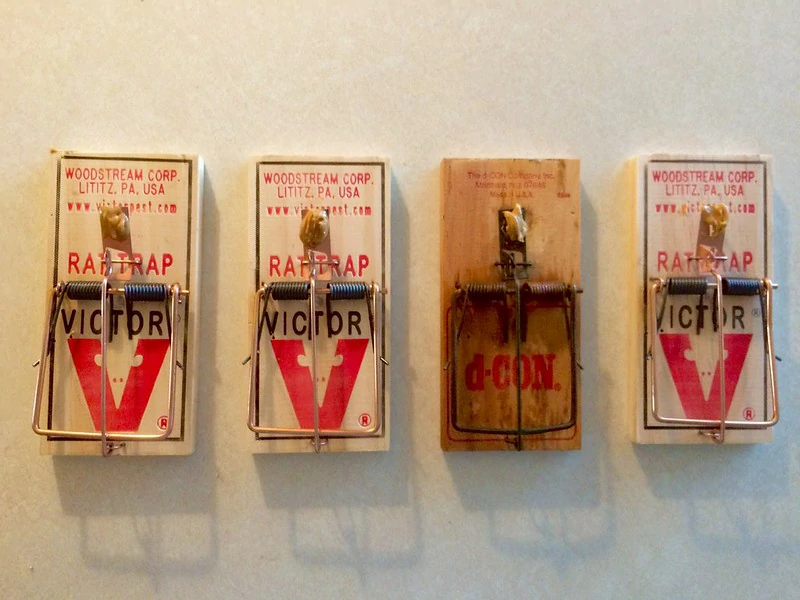
When you’re trying to catch rats, the type of bait you use can make all the difference between an empty trap and a successful catch. Many people reach for cheese because that’s what they’ve seen in cartoons, but rats actually prefer different foods.
The right bait will attract rats from across the room and make them eager enough to risk approaching your trap. So what’s the best bait for a rat snap trap?
The best bait for a rat snap trap is peanut butter. It’s sticky (so rats can’t steal it easily), has a strong smell that attracts rats, and it’s high in protein and fat, which rats love. Other excellent options include bacon, dried fruit, chocolate, nuts, and hot dogs.
Peanut butter works so well because rats have to lick and nibble at it, which keeps them positioned right where the trap will strike. Let’s look at why certain baits work better than others.
Why Peanut Butter Is the Top Choice
Peanut butter is hands down the most effective bait for rat traps, and there are several reasons why it works so well.
First, it has a strong smell that rats can detect from far away. Rats rely heavily on their sense of smell to find food, and the nutty scent of peanut butter is really appealing to them.
Second, it’s sticky. When you spread peanut butter on the trigger plate, rats can’t just grab it and run. They have to spend time licking and nibbling at it, which keeps them in the strike zone longer.
Third, it’s high in fat and protein, which rats need for energy. In the wild, rats eat seeds, nuts, and grains, so peanut butter is similar to their natural diet.
You only need a tiny amount, about the size of a pea. Press it firmly into the trigger plate so the rat has to work to get it off.
Bacon: A Close Second That Rats Can’t Resist
If peanut butter isn’t working or you want to try something different, bacon is an excellent choice. The smell of cooked bacon is incredibly attractive to rats.
Use a small piece of bacon, about the size of your thumbnail. You can use crispy bacon or fatty bacon, but fatty bacon tends to work better because the smell is stronger.

To keep the bacon from being stolen, you can tie it to the trigger plate with a piece of thread or dental floss. This forces the rat to pull and tug, which triggers the trap.
Raw bacon works too, but cooked bacon has a stronger smell. Just make sure it’s not too greasy, or it might make the trap mechanism slippery.
Dried Fruit Attracts Rats with Its Sweet Smell
Rats have a bit of a sweet tooth, and dried fruit is one of their favorite treats. Raisins, dried cranberries, dried apricots, and dried apple pieces all work well.
Dried fruit is great because it has a strong, sweet smell that rats find really appealing. It’s also chewy, so rats have to spend time gnawing on it.

Use a small piece, about the size of a raisin or two. You can press it onto the trigger plate with a tiny dab of peanut butter to help it stick.
Dried fruit works especially well in the fall and winter when rats are looking for high-energy foods to help them survive the cold.
Chocolate: A Sweet Option That Works Surprisingly Well
Chocolate isn’t the first thing people think of for rat bait, but it actually works really well. Rats are attracted to the sweet smell and the fat content.
Use a small piece of milk chocolate or dark chocolate, about the size of a chocolate chip. You can also use chocolate chips directly.
Press the chocolate into the trigger plate or use a tiny bit of peanut butter to stick it down. In warm weather, chocolate can melt, so this works best in cooler temperatures.
Some rats seem to prefer chocolate over other baits, so if peanut butter and bacon aren’t working, chocolate is worth a try.
Nuts Are a Natural Choice for Rat Bait
Rats eat nuts in the wild, so they’re naturally attracted to them. Almonds, walnuts, pecans, and peanuts all work well as bait.
You can use a whole nut or crush it into smaller pieces. If you use a whole nut, tie it to the trigger plate with thread so the rat can’t just grab it and run.
Crushed nuts work well mixed with a little peanut butter. This gives you the sticky quality of peanut butter plus the extra nutty smell from the crushed nuts.
The oily smell of nuts is really attractive to rats, especially in colder months when they’re looking for high-fat foods.
Hot Dogs and Processed Meats Work Well
Small pieces of hot dog, sausage, or luncheon meat can be very effective rat bait. These meats have a strong smell that rats find appealing.
Cut a piece about the size of a bean and press it onto the trigger plate. You can also tie it down with thread if needed.
Hot dogs are soft and chewy, so rats have to spend time nibbling on them. This keeps them in position long enough for the trap to spring.
The downside is that processed meats can dry out quickly, so you’ll need to replace them daily to keep them fresh and smelly.
Why Cheese Isn’t Actually the Best Choice
You’ve probably seen cartoons where mice and rats love cheese, but in reality, cheese isn’t the best bait option. Rats will eat it, but they don’t prefer it over other foods.
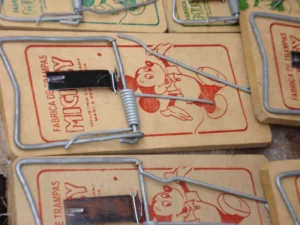
Cheese doesn’t have as strong a smell as peanut butter or bacon, so it doesn’t attract rats from as far away. Also, rats can sometimes nibble on cheese without applying enough pressure to trigger the trap.
If you do want to use cheese, go for something with a strong smell like aged cheddar or blue cheese. Soft cheeses like brie can work because they’re sticky.
But honestly, you’re better off using peanut butter, bacon, or dried fruit if you want the best results.
How to Apply Bait So Rats Can’t Steal It
The way you apply bait to your trap is just as important as the type of bait you use. If you just place bait on top of the trigger plate, smart rats can sometimes steal it without setting off the trap.
Press the bait firmly into the trigger plate. If there are any small holes or grooves in the metal, push the bait into them. This forces the rat to pull and tug to get it.
For solid baits like bacon, nuts, or hot dogs, tie them to the trigger plate with thread or dental floss. This makes it impossible for the rat to grab and run.
Only use a small amount of bait. A pea-sized amount is plenty. If you use too much, the rat might be able to eat some without triggering the trap.
Should You Use Multiple Baits at Once?
Some people wonder if using multiple types of bait on the same trap will work better. Generally, it’s best to stick to one type of bait per trap.
If you use too many different foods, the smells can compete with each other and become confusing to the rat. A single, strong smell is more effective.
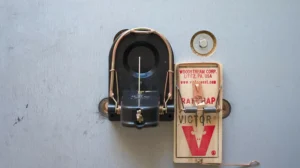
However, you can use different baits on different traps in the same area. One trap might have peanut butter, another might have bacon, and a third might have dried fruit.
This way, you’re covering different preferences. Some rats might prefer one food over another, and you’ll have better odds of catching all of them.
When to Change Your Bait
If you’ve had bait on a trap for 24-48 hours and it hasn’t been touched, it’s time to change it. Old bait loses its smell and becomes less attractive to rats.
Even if the bait looks fine, replace it with fresh bait every couple of days. Peanut butter can dry out, bacon can go rancid, and dried fruit can lose its smell.
If you’re using the same type of bait and rats still aren’t touching it, try switching to a completely different type. Maybe they’re not interested in peanut butter but would go crazy for bacon.
Pay attention to which baits are working and which aren’t. If peanut butter is getting stolen from multiple traps, that’s your winner.
What About Using Food Rats Have Been Eating in Your Home?
If you’ve noticed rats getting into specific foods in your pantry or kitchen, you might think using that same food as bait would work well. This can be effective, but it’s not always the best approach.
Rats are creatures of habit, and if they’re already eating a certain food, they might continue seeking it out. So using bread crumbs, cereal, or whatever they’ve been eating could work.

The problem is that these foods might not be as sticky or smelly as purpose-chosen baits like peanut butter. They’re also usually available elsewhere in your home, so the rat has no reason to risk approaching your trap.
If you want to try this approach, use the food they’ve been eating but mix it with peanut butter to make it sticky and increase the smell.
Commercial Rat Baits vs. Household Foods
You can buy commercial rat attractants and baits at hardware stores. These are specifically designed to attract rats and often contain pheromones or other chemicals that rats find appealing.
These products can work, but they’re usually not any better than simple household foods like peanut butter or bacon. They’re also more expensive.
The advantage of household foods is that you probably already have them in your kitchen, they’re cheap, and they work just as well or better than commercial products.
Save your money and stick with peanut butter, bacon, or dried fruit. You’ll get the same results without spending extra on specialty products.
Seasonal Considerations for Rat Bait
The time of year can affect which baits work best. Rats’ dietary needs change with the seasons, and they’ll be attracted to different foods at different times.
In fall and winter, rats need high-fat, high-calorie foods to survive the cold. This is when bacon, nuts, and peanut butter work especially well.

In spring and summer, rats might be more attracted to fresh foods and fruits. Dried fruit can work really well during these months.
If you’re not having success with your current bait, consider the season and try something that matches what rats would naturally be looking for at that time of year.
How Fresh Bait Makes a Difference
Fresh bait is always more effective than old, dried-out bait. Rats are attracted to the smell, and old bait doesn’t smell as strong.
Check your traps every day and replace any bait that looks dried out, moldy, or just old. This is especially important with fresh foods like bacon or hot dogs, which can spoil quickly.
Even peanut butter, which lasts longer, should be replaced every 2-3 days. Fresh peanut butter has a much stronger smell than peanut butter that’s been sitting out.
Think of it from the rat’s perspective. Would you be more attracted to fresh, warm bacon or bacon that’s been sitting out for three days? The same logic applies to rats.
Conclusion
The best bait for a rat snap trap is peanut butter because it’s sticky, smells strong, and rats love it. Bacon, dried fruit, chocolate, nuts, and hot dogs are all excellent alternatives. Use a small amount, press it firmly into the trigger plate, and replace it every couple of days to keep it fresh.
Different rats might prefer different foods, so don’t be afraid to experiment until you find what works best in your situation.

Hi, my name is Ezra Mushala, i have been interested animals all my life. I am the main author and editor here at snakeinformer.com.