
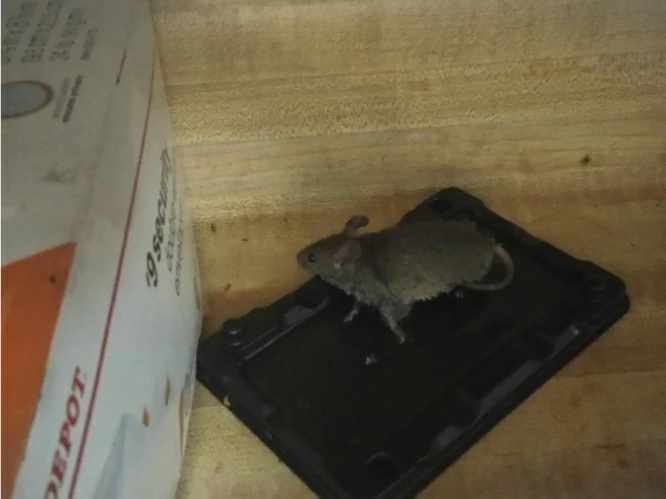
You’ve got rats running around your yard, garage, or shed, and you’re thinking about putting down some glue traps to catch them.
It seems like an easy solution since glue traps are cheap and you don’t have to deal with setting a complicated trap. But before you stick them outside, you might be wondering if they’ll actually work out there. Can you use rat glue traps outside?
You can technically use rat glue traps outside, but they’re not designed for outdoor use and usually don’t work well. Rain, humidity, extreme temperatures, and debris quickly ruin the adhesive, making the traps useless within hours or days.
Glue traps are made for indoor use where the environment is controlled. When you put them outside, you’re fighting against weather, temperature changes, and all kinds of things that can mess up how well they work.
Why Glue Traps Don’t Work Well Outside
Glue traps are built to work in your house, basement, or garage where conditions stay pretty much the same all the time. Outside is a completely different story.
Rain is the biggest problem. If a glue trap gets even a little bit wet, the adhesive becomes useless. Water dilutes the sticky surface and can wash it away completely.
Even morning dew or high humidity can make the glue less sticky. Once the trap gets wet, you might as well throw it away.
Direct sunlight heats up the adhesive and can make it melt or dry out too quickly. In the summer, a glue trap sitting in the sun can become a puddle of goo that won’t hold anything.
In the winter, cold temperatures make the adhesive hard and brittle, so it loses its stickiness.
Dust, leaves, grass clippings, and other debris blow onto the sticky surface constantly when the trap is outside.
Within just a few hours, the trap can be covered in so much junk that there’s no sticky surface left for a rat to step on. You’d have to check and replace the traps multiple times a day to keep them clean.
Wind can also blow lightweight glue traps around your yard. Rats are smart and cautious animals. If they see something moving or shifting position, they’ll avoid it completely.
What Happens to Glue Traps in Different Weather?
Different types of weather affect glue traps in different ways, and none of them are good.
Hot weather makes the adhesive too soft. When temperatures get above 85 or 90 degrees, the glue can start to melt and become runny.
Instead of being sticky and tacky, it turns into a liquid mess. A rat could walk right across it without getting stuck because its feet won’t sink into the softened adhesive.
Cold weather has the opposite problem. When it’s below 50 degrees, the adhesive gets hard and loses most of its stickiness. It’s kind of like how honey gets thick and hard in the fridge. The trap might look fine, but it won’t grab onto a rat’s feet the way it should.
Humid weather is terrible for glue traps even if it’s not raining. Moisture in the air gets absorbed by the adhesive and makes it less effective.
If you live in a humid area, glue traps can lose their stickiness overnight just from the dampness in the air.
Windy conditions blow all kinds of stuff onto the trap. Pollen, dirt, seeds, small insects, and anything else that’s light enough to get picked up by the wind will end up stuck to your trap. After just a few hours on a windy day, the entire sticky surface can be covered.
Do Covered Areas Make a Difference?
Putting glue traps in a covered area like under a deck, porch, or shed can help protect them from rain and direct sunlight, but it doesn’t solve all the problems.
A covered area will keep the trap dry, which is the biggest advantage. You won’t have to worry about rain washing away the adhesive or morning dew making it less sticky. This alone makes a huge difference in how long the trap will last.
But covered areas still get humidity, temperature changes, and debris. If you put a glue trap under your deck, it’s still exposed to moisture in the air, especially after it rains.
The temperature under a deck or shed can still get pretty hot in summer and cold in winter.
Dirt and dust are actually worse in some covered areas. Spaces under decks and sheds tend to be dusty and dirty, and there’s less air circulation to blow debris away. The trap can get covered in dust and spider webs pretty quickly.
Animals other than rats might also find the trap. Lizards, frogs, snakes, and even small birds can get stuck on glue traps that are outside.
This isn’t just bad for those animals, it’s also a waste of your trap because you’ll have to throw it away after removing the non-target animal.
Can You Protect Glue Traps From the Weather?
Some people try to protect their outdoor glue traps by putting them inside boxes or containers, but this comes with its own problems.
You can put a glue trap inside a cardboard box or plastic container with holes cut in the sides for rats to enter. This keeps rain off the trap and protects it from some debris. But cardboard gets soggy and falls apart when it’s damp, so you’d need to replace the box frequently.
Plastic containers work better than cardboard, but they can create their own issues. If the container doesn’t have enough ventilation, condensation can build up inside and make the glue trap wet.
This is especially common on cool mornings when there’s a temperature difference between inside and outside the container.
The container also needs to be big enough that a rat will actually go inside. Rats are cautious about entering small, enclosed spaces where they might get trapped.
If the container is too small or has only one entrance, rats will likely avoid it.
You’ll also need to secure the container so it doesn’t blow away or tip over in the wind. But you can’t secure it so well that you can’t check and change the trap regularly. This balance can be tricky to get right.
What Animals Besides Rats Might Get Caught?
When you put glue traps outside, you’re not just targeting rats. All kinds of animals can end up stuck to them.
Small birds are common victims of outdoor glue traps. They might land on the trap while looking for insects or seeds, and then they can’t get free. Removing a bird from a glue trap without hurting it is really difficult and stressful for the animal.
Lizards and small snakes often get caught on outdoor glue traps. These animals are attracted to the same areas where you might see rats, like sheds, garages, and areas with debris.
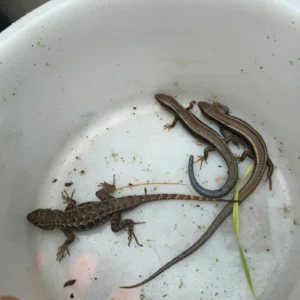
Lizards are actually beneficial because they eat insects, so catching them is counterproductive.
Toads and frogs can also get stuck, especially in damp areas near water sources. Like birds and lizards, these animals are harmless and beneficial to your yard because they eat mosquitoes and other pests.
Squirrels and chipmunks might step on glue traps if they’re looking for food in your garage or shed. These animals are much bigger than rats, so they might drag the trap around before getting completely stuck.
Family pets are also at risk. If you have a dog or cat that goes outside, they could easily step on a glue trap. Getting the adhesive off their paws is extremely difficult and often requires a visit to the vet.
How Quickly Do Outdoor Glue Traps Become Useless?
The lifespan of a glue trap outside is measured in hours or days, not weeks like it would be indoors.
If you put a glue trap outside on a sunny day with no rain, it might last 24 to 48 hours before dust and debris make it useless. That’s assuming the temperature stays moderate and there’s not too much wind.
On a rainy day, the trap is basically ruined as soon as it gets wet. Even a light rain shower can destroy the adhesive in minutes. Once water hits the glue, you can’t dry it out and make it sticky again.
In very humid conditions without rain, you might get 2 to 3 days out of a trap before the moisture in the air breaks down the adhesive enough that it won’t hold a rat. But this also depends on how much dust and debris land on it during that time.
In cold weather below 50 degrees, the trap might technically last a while, but it won’t work because the adhesive is too hard. You could leave it out for a week and it would still look fine, but it wouldn’t catch anything because it’s not sticky enough.
Hot weather above 90 degrees will melt the adhesive within hours. By the middle of a hot summer day, the trap will be a runny mess that’s more likely to stick to your shoes than to a rat.
Are There Better Alternatives for Outdoor Rat Control?
If you need to catch rats outside, there are much better options than glue traps.
Snap traps work great outdoors because they’re not affected by weather the same way glue traps are. Rain won’t ruin them, and temperature changes don’t matter. You can set up snap traps in your yard, garage, or shed and they’ll work just as well as they do indoors.
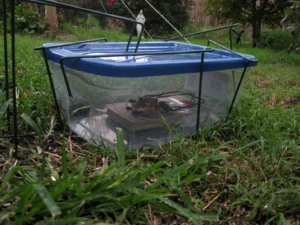
Tony Alter (CC BY 2.0)
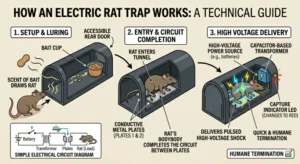
Electronic traps can also be used outside if you put them in a protected area where they won’t get rained on. Most electronic traps are battery-powered, so you don’t need to worry about running an extension cord outside. Just make sure they’re in a dry spot.
Live catch traps (cage traps) are excellent for outdoor use. They’re made from metal or heavy-duty plastic that can handle being outside.
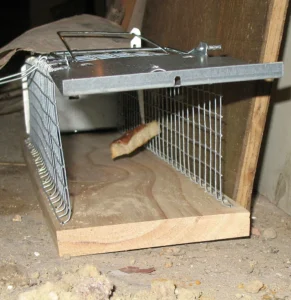
You can leave them out in the rain and they’ll still work fine. The only downside is you’ll need to check them frequently and figure out what to do with any rats you catch.
Bait stations with poison are commonly used outdoors, but they come with risks. Pets and wildlife can potentially access the poison if the station isn’t secured properly. You also won’t know if the rat died somewhere inside your walls or under your house.
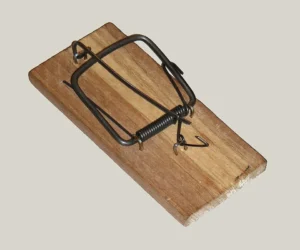
Traditional wooden rat traps (the kind with a metal bar) are cheap, effective, and work perfectly well outside. They can get wet without any problems, and they’ll last for years if you take care of them.
What If You’ve Already Put Glue Traps Outside?
If you’ve already set out glue traps in your yard or around your house, here’s what you should do.
Check them frequently, at least twice a day. If an animal gets stuck (whether it’s a rat or something else), you don’t want it suffering out there for hours. The longer an animal is stuck, the more it will struggle and injure itself trying to get free.
Have a plan for removing non-target animals. If you find a bird, lizard, or other harmless animal stuck to the trap, you’ll need to free it.
You can use vegetable oil or cooking oil to loosen the adhesive, but this takes time and patience. Wear gloves to protect yourself and the animal.
Replace the traps daily if you want them to have any chance of working. An outdoor glue trap that’s been out for more than a day is probably too dirty and weathered to be effective. This gets expensive fast since glue traps aren’t reusable.
Keep them away from areas where pets or children play. Even if your pets are trained not to bother traps, accidents can happen. A curious dog or cat can easily step on a glue trap before you can stop them.
Consider moving them to a more protected indoor area instead. If you have a shed, garage, or covered porch, putting the traps there will make them much more effective. You’ll catch more rats and waste fewer traps.
Where Glue Traps Actually Work Best
Since glue traps don’t work well outside, it’s worth knowing where they do work if you decide to use them at all.
Inside your house, glue traps can be very effective when placed along walls and in corners where rats travel. Rats tend to run along edges rather than out in the open, so putting traps in these spots increases your chances of catching them.
Basements and attics are good locations because the temperature is relatively stable and there’s no rain or excessive humidity. Just make sure you check the traps regularly so you don’t have a dead or dying rat stuck to a trap for days.
Inside sheds and garages can work if those spaces are relatively clean and dry. If your shed is old and leaky, or if your garage door doesn’t seal well, you’ll have the same problems as putting traps outside.
Under sinks and behind appliances are classic spots for glue traps. These areas are protected from foot traffic and environmental factors, and they’re common rat pathways. Just make sure pets and children can’t reach them.
Storage rooms and closets work well because they’re enclosed, dry, and don’t get much foot traffic. You can leave a trap there for several days without worrying about it getting dirty or damaged.
How to Tell If a Glue Trap Is Still Working
Whether your trap is inside or in a semi-protected outdoor area, you need to know if it’s still effective.
Touch the sticky surface lightly with a pencil eraser or the tip of your finger. If it grabs onto your finger immediately and feels very tacky, the trap is still good. If it feels dry, dusty, or barely sticky, it’s time to replace it.
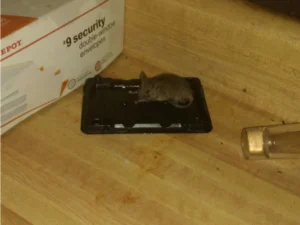
Look at the surface of the trap. If you can see dust, debris, or dead insects covering the adhesive, it’s not going to work anymore. A good glue trap should look clean and glossy, not dirty and dull.
Check if the trap is flat or if it’s warped from temperature changes. A trap that’s curled up at the edges or bent in the middle won’t lie flat on the ground, which means rats might not step on it.
Smell the trap if you’re not sure about it. Old glue traps that have been exposed to moisture or extreme heat sometimes develop a weird chemical smell. Rats have excellent noses and they’ll avoid anything that smells wrong to them.
If the trap has been outside for more than 24 hours, just assume it’s no good anymore. It’s not worth the risk of leaving out an ineffective trap when you could replace it with something that actually works.
Conclusion
While you can technically put glue traps outside, it’s really not a good idea. They’re designed for indoor use where they’re protected from rain, extreme temperatures, and debris. Outside, they stop working within hours or days because the weather ruins the adhesive.
If you need to deal with rats in outdoor areas, you’re much better off using snap traps, electronic traps, or live catch traps.
These options are designed to handle outdoor conditions and they’ll save you money in the long run because you won’t be constantly replacing ineffective glue traps.
If you do decide to use glue traps outside anyway, put them in the most protected area you can find, check them at least twice a day, and be prepared to replace them frequently. But honestly, switching to a different type of trap will give you much better results with less hassle.

Hi, my name is Ezra Mushala, i have been interested animals all my life. I am the main author and editor here at snakeinformer.com.