
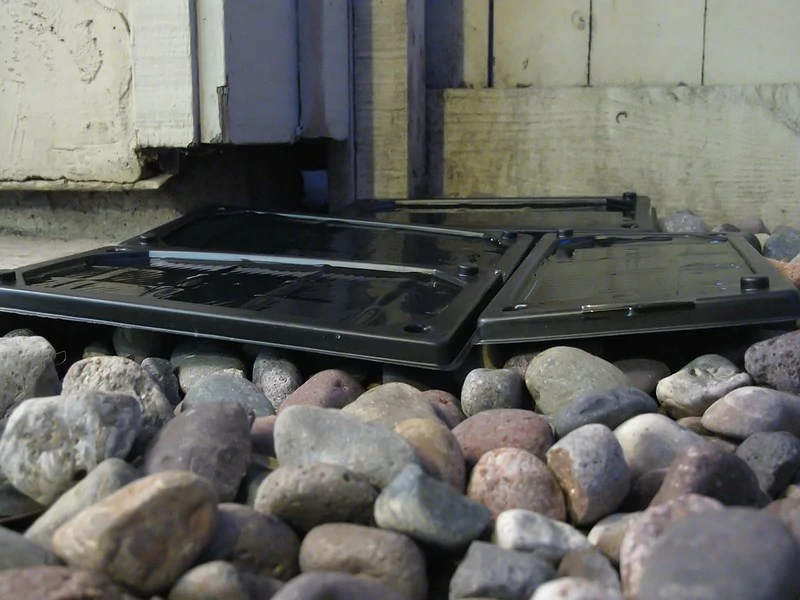
You set out a glue trap for mice, and a week later you notice a few dead flies stuck to it. Or you put down a couple of sticky traps for spiders, and suddenly there are more bugs around than before. It’s fair to wonder if these traps are actually calling bugs into your home.
So do glue traps attract bugs, and is that why you’re suddenly seeing more of them?
Plain glue traps, glue boards, and sticky traps don’t attract insects on their own, since most bugs just wander into them. However, some are made with scents, pheromones (bug perfume), or bright colors that do attract insects, and a dead animal stuck on one can draw flies.
That answer covers a lot of ground, because “glue trap” means a few different products. A basic rodent glue board acts very differently from a yellow sticky card or a trap with a built-in lure.
So let’s go through what draws bugs to these traps, what doesn’t, and how to keep a sticky trap from making your problem worse.
Glue Traps, Glue Boards, and Sticky Traps Don’t Attract Insects by Default
Most glue traps are simply a sticky surface, with nothing else that pulls bugs in. The trap works by being in the wrong place at the wrong time for the bug, not by luring it to your home.
A basic sticky board has no way of attracting crawling pests, so it depends on insects and spiders happening upon the trap.
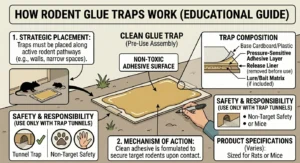
That works because most insects and rodents like to travel in dark areas and along edges. A trap placed against a wall or in a corner catches whatever walks by.
That’s why a trap behind your stove or under your sink can catch so many roaches or spiders. The bugs were already there, and the trap just made them visible.
So if you see a bunch of bugs on a sticky trap, the trap probably didn’t bring them in. It showed you they were already living nearby.
Why It Can Feel Like Sticky Traps Are Bringing in More Bugs
A lot of people swear that sticky traps make their bug problem worse. There’s a simple reason it can look that way.
Before you set the trap, you couldn’t see the bugs. Roaches, spiders, and beetles tend to hide in the daytime and come out at night, so most of them go unnoticed.
Once a trap catches them, you can suddenly count them. A trap that catches 15 roaches in a week didn’t create 15 roaches. It showed you a problem that was already there, and that’s useful for you to know.
Pest control pros count on this. Sticky traps are useful for watching an area for crawling insects around the clock, and professionals often use them to spot pests during inspections.
That’s the good news. A sticky trap is like a security camera for bugs, and it tells you where to focus your cleanup and treatment.
Which Sticky Traps Do Attract Insects With Scent, Color, or Light?
Some sticky traps go beyond a plain sticky surface. They add something that draws insects in, and that changes the answer.
There are four main ways a trap can attract bugs: pheromones (scent signals that bugs use to find each other), food bait, color, and light. Each one works on different pests, so let’s take them one at a time.
Pheromone lures are one of the most common. A pheromone is basically a scent that insects give off to find mates or food, and a trap can copy it.
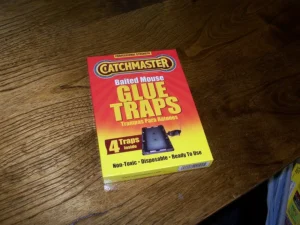
Store-bought pantry pest traps use a sex pheromone (a scent that says “come find me” to a mate). It lures adult moths and beetles, usually the males, onto a sticky card.
Food bait works on other pests. Some cockroach traps come with a food scent inside the trap, and some contain a pheromone that’s claimed to attract cockroaches.
Color is a quiet attractant. Yellow sticky cards draw in many flying insects like fungus gnats, whiteflies, and aphids, since those bugs are drawn to the color yellow. Blue cards work well for thrips.
Light is the fourth. Many flying insects are drawn to ultraviolet (UV) light, which is a kind of light people can’t see well. Some glue board traps use a UV bulb to pull flying insects in, then hold them quietly on a disposable board.
Here’s how the different setups compare:
| Type of Trap | Does It Attract Bugs? | What Draws Them | Best For |
|---|---|---|---|
| Plain rodent glue board | No, not on its own | Nothing (bugs wander in) | Mice and rats |
| Plain sticky card for crawlers | No | Nothing (placed on bug paths) | Roaches, spiders, beetles |
| Scented or baited sticky trap | Yes | Food scent or pheromone | Cockroaches, some crawlers |
| Pantry pest trap | Yes | Sex pheromone lure | Pantry moths and beetles |
| Yellow sticky card | Yes | The color yellow | Fungus gnats, whiteflies, aphids |
| Blue sticky card | Yes | The color blue | Thrips |
| UV light glue trap | Yes | Ultraviolet light | Flies, moths, flying insects |
If the trap you bought has a scent, a color, or a light, it can pull bugs in. If it’s a plain board, it can’t.
Bait Can Make a Sticky Trap Catch Far More Cockroaches
Yes, and there’s real research behind it. Scientists at Purdue University tested eight different traps and five attractants for German cockroaches (the small, fast ones found in kitchens and bathrooms).
They found that adding an attractant made a big difference. All the attractants increased the number of cockroaches caught compared to a trap with no bait.
The winner might surprise you. Bread with beer was by far the most attractive, bringing in 34 times more cockroaches than an unbaited trap.
The study also found that the pheromones and food scents built into some of the commercial traps had a limited effect compared to bread and beer. In other words, homemade bait beat most of the store-bought scents.
That doesn’t mean you should start baiting your traps with beer, especially if you’re worried about drawing more bugs. But it does show that a scent can pull insects in, which is why the answer to your question isn’t a flat no.
Traps placed against vertical surfaces, like walls, also caught more German cockroaches. That matches what pros already say about setting traps along edges.
Rodent Glue Boards Catch Insects, but They Rarely Lure Them In
A glue board set for mice or rats doesn’t usually attract insects on its own. But it can catch them anyway, since a sticky surface grabs anything that walks across it.
The bigger issue is the mouse or rat itself. If you use bait, or if a rodent is stuck on the trap, the smell can draw other things in.
Some glue boards for rodents come pre-scented with a food smell to lure mice, so you don’t need to add bait.
That smell is meant for mice, but bugs can smell food too. It’s a good example of how a scent meant for one pest can pull in another.
In most homes, though, you’ll find ants, beetles, or the odd fly on a rodent trap because they walked into it or came for the bait. It usually isn’t a sign of a bigger bug problem.
Do Dead Mice on Glue Traps Attract Flies?
This is the one situation where a glue trap really can pull in insects. A dead animal on a trap draws flies fast.
Blow flies and flesh flies are attracted to recently dead animals, where they lay their eggs. Their young, called maggots, feed on the dead tissue.
Blow flies can find a dead animal in just minutes outdoors, and indoors they can turn up in a day or two.
Here’s how it goes. A mouse dies on the glue board, and the smell of decay floats out. Flies come in, lay eggs on the body, and within about a day the eggs hatch into maggots.
Maggots left to grow turn into adult flies in 5 to 7 days. The adults are large, sluggish flies that are black or shiny green or blue.
Beetles can show up too. They arrive later to eat what’s left of the tissue, and carpet beetles sometimes come for the dry remains.
The fix is simple. Check your traps every day, and throw out any that hold a dead rodent right away. If maggots do show up, vacuum or sweep them up and toss them, then look for any dead animals in the walls or attic.
A Dead Rodent Inside Your Walls Can Draw Flies Into Your Home
A rodent that gets stuck and then breaks free, or one that eats poison and hides, can die where you can’t see it. That’s a bigger fly problem than a trap sitting out in the open.
The sight of flies or maggots in your house often means an animal has died inside the walls or attic. You’ll usually see a cluster of flies near one spot on a wall or floorboard, and the carcass is likely right behind it.
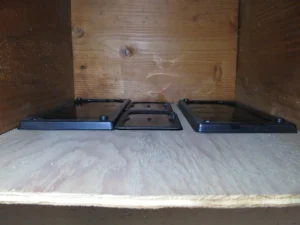
That’s one more reason glue boards worry pest experts. A rodent that’s badly hurt but not stuck can crawl away and die out of reach.
If you find flies gathering in one spot, follow your nose to the smell. Then put on gloves, remove the animal if you can reach it, and clean the area well.
If you can’t get to it, a pest control pro can help. Sometimes it means cutting into a wall, which is another reason to prevent the problem by using the right trap and checking it daily.
Can Dead Bugs Stuck on the Trap Draw in Other Insects?
Yes, a little. Dead bugs stuck on a trap can act like bait for other insects that eat them.
A pile of dead insects can cause an odor problem, and they can rot in the catch tray of an insect light trap.
Some pests come for the dead ones. Spiders, for example, will happily walk onto a sticky trap that’s full of trapped bugs, since it looks like an easy meal. Beetles and ants can do the same.
That’s a good reason to swap out your sticky traps often. A trap that’s covered in dead bugs works less well anyway, since the sticky surface gets used up.
Dust does the same thing. Glue boards can stop working early because they collect dust and debris.
Cockroaches, Spiders, and Beetles Get Stuck on Sticky Traps Most
Not every bug is equally likely to end up on a trap. The pests caught most easily include cockroaches, spiders, pantry beetles, and other crawling insects, plus mites and scorpions.
Sticky traps are less effective at catching bed bugs and flying insects. So if you’re worried about a flying pest, a plain sticky trap probably won’t be much help.
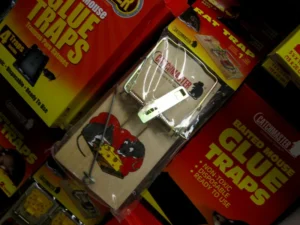
Brown recluse spiders are readily caught on sticky traps too. That’s useful if you live in a place where they’re a worry, since a trap can tell you whether they’re around.
For outdoor pests, try placing sticky cards on either side of exterior doors and other entry points. That’s where outdoor cockroaches, beetles, crickets, and scorpions tend to sneak in.
Behind stoves and refrigerators, in cupboards, and under sinks are the best indoor spots for roaches.
How Can You Use Sticky Traps Without Attracting More Bugs?
If you want to catch bugs without pulling extra ones in, a few habits help. None of them is hard, and they make your traps work better too.
Choose the right type for the pest. Use plain sticky cards for crawling insects, yellow cards for gnats and whiteflies, and pheromone traps only when you know the pest, like pantry moths.
Skip the food bait unless you need it. A scent can pull bugs from a wider area, so keep bait to a minimum in your living spaces.
Place traps flat against walls and in corners, since that’s where bugs travel. Most insects and rodent pests prefer to move through dark areas and along edges.
Check them often, at least once a week for bugs and daily for rodents. Throw out any trap that’s full or that holds a dead animal.
And keep traps away from your kids and pets. A sticky board can grab a curious paw or hand.
What Should You Do With a Sticky Trap After It Catches Bugs?
A full sticky trap doesn’t just stop working. It can also turn into a small mess, so it’s worth knowing what to do with it.
Start by looking at what’s on it. A few crawling bugs, like roaches or beetles, are easy to handle. Just fold the trap in half so the sticky sides stick together, then drop it in a sealed bag.
If the trap has a dead mouse or rat on it, treat it more carefully. Put on gloves, slide the whole trap into a plastic bag, tie it shut, and put that bag inside a second one before it goes in your outside trash.
Then wash your hands with soap and water, even if you wore gloves. Rodents and bugs can carry germs, and you don’t want them on your kitchen counter or your face.
Don’t leave old traps sitting around either. A trap full of dead bugs can smell, and it can pull in other bugs that come looking for a free meal.
Swap in a fresh trap, and try setting it in a slightly different spot. If the new trap catches fewer bugs, your cleanup is working. If it fills up just as fast, the problem is bigger than one trap can handle, and it might be time to call a pro.
How Long Do Sticky Traps Keep Working?
A sticky trap doesn’t last forever, and that matters if you’re trying to figure out whether it’s really attracting fewer bugs. A worn-out trap can look like a sign that your problem has gone away, when the trap has simply stopped working.
Dust is the biggest enemy. As dust and lint settle on the glue, it loses its grip, so a trap in a dusty garage or basement can go dead in a few weeks.
Moisture and heat cause trouble too. A damp basement can make a cardboard trap go soft and limp, while a hot attic can make the glue run and lose its shape.
The catch itself can also hurt the trap. Once dead bugs cover most of the sticky surface, new bugs can walk right across the top without getting stuck.
A good habit is to check your traps once a week and swap them out every month or so. If a trap is dusty or half covered in bugs, replace it sooner.
Write the date on the back with a marker when you put one down. That way you’ll know how long it’s been out, and you won’t get fooled by an old trap that quit working weeks ago.
Fixing What Draws Bugs Into Your Home Works Better Than Any Trap
A sticky trap tells you there’s a problem, but it doesn’t solve it. To really cut down the bugs, you have to fix what’s drawing them in.
Start with food and water. Wipe up crumbs, store food in sealed containers, take out the trash often, and fix leaky pipes, since roaches and many other bugs need water.
Seal up the entry points too. Caulk cracks around windows, doors, and pipes, and add door sweeps so bugs can’t squeeze underneath.
Clear clutter, cardboard, and piles of paper, since these make great hiding spots. And keep your yard tidy near the house, since leaf piles and woodpiles bring in beetles, crickets, and spiders.
If the numbers keep climbing, call a pest control company. They can find the source and treat the whole area.
For rodents, skip the glue board and use a snap trap or electronic trap. They kill quickly and don’t leave a live animal for flies to find.
Conclusion
Plain glue traps, glue boards, and sticky traps don’t attract insects on their own. Bugs wander into them, and the trap just makes them easy to see, which can make it feel like you have more of them.
However, some sticky traps are made to attract bugs. Pheromone lures, food scents, the color yellow, and UV light can all pull insects in.
Purdue researchers even found that bread and beer brought in 34 times more cockroaches than a plain trap.
A dead mouse or rat on a glue board can also draw blow flies and beetles fast. Check your traps every day, and throw out any that hold a dead animal.
Use the right trap for the pest, set it along walls, and fix the food, water, and gaps that bring bugs in. That’s how you get real results without making the problem worse.

Hi, my name is Ezra Mushala, i have been interested animals all my life. I am the main author and editor here at snakeinformer.com.