
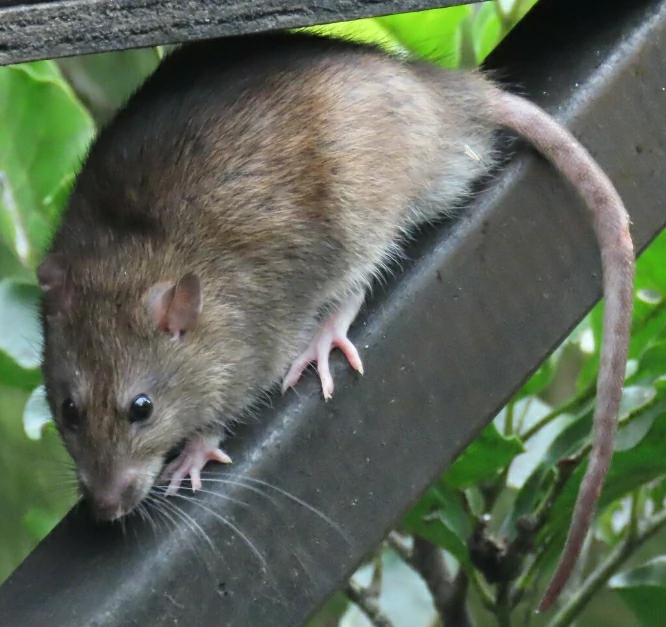
If you’re setting out bait for the first time, you’ve probably wondered how much of it a rat actually has to eat before it works. Too little bait and nothing happens, but you also don’t want to way overdo it and waste money. So how much rat poison does it really take?
Most rats need to eat somewhere between 1 and 9 grams of bait to get a lethal dose, depending on the poison type and the rat’s size. Some poisons work after just one feeding, while older types need the rat to come back and feed several days in a row.
That’s a fairly wide range, and for good reason. The exact amount depends on which active ingredient you’re using, how big the rat is, and whether the poison is a single-feed type or one that builds up over several meals.
Why There’s No One Answer To This Question
A rat’s size plays a big role in how much poison it needs to eat. A small roof rat weighing 5 ounces needs less bait than a hefty Norway rat pushing 16 ounces or more.
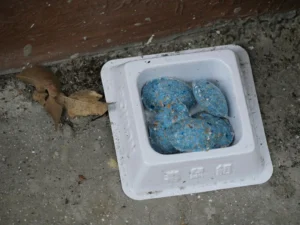
The type of poison matters just as much, if not more. Some rodenticides are built to work off a single feeding, while others need repeated doses over several days to add up to a lethal amount.
Because of this, you’ll often see a range rather than one exact number when you look up how much bait it takes. Even scientists measuring this in labs use something called an LD50, which just means the dose that kills half of a test group of rats.
What Is LD50 And Why It Matters Here
LD50 stands for lethal dose 50 percent. It’s the amount of poison, based on a rat’s body weight, that kills half the rats in a study.
This number matters because it’s how toxicologists and pest control companies figure out how strong a poison actually is. A lower LD50 means it takes less poison to be deadly, so the product is more potent.
For example, second-generation anticoagulants like brodifacoum have a very low LD50, somewhere around 0.2 to 0.3 milligrams per kilogram of body weight. That’s an extremely small amount compared to older poisons like warfarin.
Since LD50 is based on body weight, it also explains why a bigger rat needs to eat more bait than a smaller one to reach a lethal amount.
How Much Bait A Rat Needs To Eat, By Poison Type
Let’s break this down by the actual poison type, since this is where the real differences show up.
| Poison Type | Approx. Amount Needed | Feedings Required |
|---|---|---|
| Brodifacoum (2nd gen anticoagulant) | About 1.5 to 3 grams of bait | Usually just one |
| Bromadiolone (2nd gen anticoagulant) | About 2 to 6 grams of bait | Usually just one |
| Difenacoum (2nd gen anticoagulant) | About 9 grams of bait | Can take a few feedings |
| Warfarin (1st gen anticoagulant) | Small amounts daily | Several days in a row |
| Bromethalin | A few grams, varies by concentration | Usually just one |
| Zinc Phosphide | Around 2 to 3 percent of body weight | Usually just one |
Keep in mind these numbers are rough averages. The exact amount always depends on the specific product’s concentration, which you can check on the label.
Second-Generation Anticoagulants Need The Least Bait
Second-generation anticoagulants are the strongest poisons most homeowners can buy. Because they’re so potent, a rat doesn’t need to eat very much to get a lethal dose.
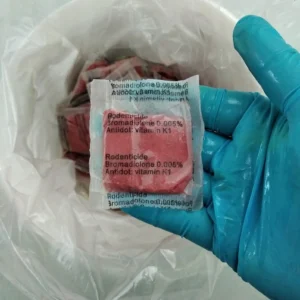
Brodifacoum is one of the strongest of the bunch. A typical adult rat weighing around 11 ounces might only need to eat somewhere around 2 to 3 grams of bait, which isn’t much more than a few bites.
Bromadiolone works in a similar range, usually needing a few grams to reach a lethal amount. Both of these poisons are built to work after just one feeding, even though death still takes several days.
This is actually a big reason these poisons are so widely used. A rat doesn’t need to keep coming back to the bait station, which makes the whole process more reliable.
First-Generation Anticoagulants Need Much More
Older anticoagulants like warfarin work completely differently in terms of how much a rat needs to eat. Since warfarin is much weaker, a rat has to feed on it multiple times to build up a lethal dose.
This usually means several days of feeding in a row, often five to seven days, before enough poison has built up in the rat’s system. If a rat skips even a day or two, the poison already in its body can start to clear out.
This is actually the main reason second-generation poisons became so popular. Rats that skip a few days of feeding on warfarin might survive, but that’s much less likely with a single-feed poison like brodifacoum.
Bromethalin Needs Only A Small Amount
Bromethalin is a non-anticoagulant, so it works completely differently in the rat’s body. It’s also fast acting, which means a rat only needs one good feeding to get a lethal dose.
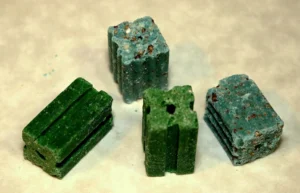
The exact amount depends on the concentration of the product, but most bromethalin baits are formulated so a normal-sized feeding is enough. This is part of why it’s marketed as a fast, single-feed poison.
One interesting detail about bromethalin is that rats tend to stop eating it once they’ve had enough for a lethal dose. This actually saves on bait, since you don’t end up with rats overeating and wasting the product.
Zinc Phosphide Needs A Higher Percentage Of Body Weight
Zinc phosphide works a bit differently than the other poison types when it comes to dosing. Instead of needing a small, fixed weight of bait, it’s usually described as a percentage of the rat’s own body weight.
A rat typically needs to eat around 2 to 3 percent of its body weight in zinc phosphide bait to reach a lethal dose. For an 11-ounce rat, that works out to roughly 6 to 9 grams of bait.
This might sound like more than the other poisons, but zinc phosphide bait usually only has a small percentage of actual active ingredient mixed into it, similar to the other poison types.
Does A Rat’s Weight Really Change How Much It Needs?
Yes, and this matters more than a lot of people realize. Since poison doses are measured per kilogram of body weight, a heavier rat genuinely needs more poison to reach the same lethal dose as a lighter one.
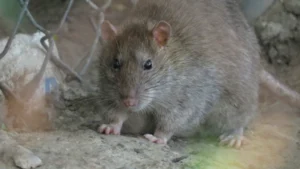
A young or small rat weighing around 5 ounces might only need a fraction of the bait a full-grown 16-ounce Norway rat would need. This is one reason juvenile rats sometimes die faster than adults from the same bait station.
This is also part of why bait stations are stocked generously rather than with just a tiny amount. Manufacturers plan for larger rats, and for more than one rat feeding from the same station over time.
Why Rats Sometimes Eat More Than They Need To
Rats don’t know they’re eating something lethal, so they don’t ration themselves down to the exact minimum dose. A hungry rat will often eat well beyond what it actually needs to die.
This is especially true with tasty bait formulas, since manufacturers make these products smell and taste appealing on purpose. A rat that finds a bait block appetizing might keep coming back and eating more than one lethal dose’s worth.
With single-feed poisons, this doesn’t really change the outcome, since the rat was already going to die from the first feeding. But it does mean bait disappears faster than the bare minimum numbers might suggest.
Why Multiple Rats Complicate The Math
If you’re dealing with an infestation instead of just one rat, the amount of bait you need goes up fast. Each rat needs its own lethal dose, and you can’t really predict which rat will visit which station.

This is part of why pest control guides always recommend stocking bait stations generously and checking them often, rather than trying to calculate an exact total amount for your whole rat population.
A good rule of thumb is to keep replacing bait as it disappears, rather than assuming one round of bait will be enough for every rat in the area.
What Happens If A Rat Eats Less Than A Lethal Amount?
If a rat eats less than a full lethal dose, especially with a first-generation anticoagulant, it can survive and its body will slowly process the poison out over time. This is more common with weaker poisons that need repeated feeding.
With stronger, single-feed poisons like brodifacoum or bromethalin, this is much less likely, since even a modest feeding usually clears the threshold needed for a lethal dose.
This is part of why potency matters so much when choosing a product. A poison that needs a huge feeding to work leaves more room for a rat to survive an incomplete dose.
How This Applies To Choosing Bait For Your Situation
If you’re dealing with just a rat or two, a second-generation anticoagulant is usually your best bet, since it only takes a small amount to be effective and works reliably after one good feeding.
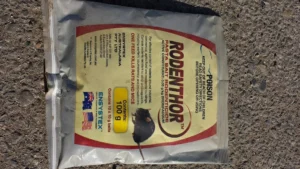
If you’re dealing with a bigger infestation, you might want a product with a higher total bait volume, simply because more rats means more total bait needs to disappear before the problem is under control.
Either way, checking the label for the active ingredient and its concentration tells you far more than trying to work out the math based on weight on your own. The manufacturer has already done that calculation for the product you’re holding.
How Label Concentration Actually Works
Every rat poison label lists a concentration, usually written as parts per million or a small percentage, like 0.005 percent or 50 ppm. This tells you how much active ingredient is packed into the bait itself.
A higher concentration means less bait is needed to hit a lethal dose, since more of the poison is packed into every gram. A lower concentration means the rat has to eat more of the product to get the same effect.
Most consumer bait blocks use pretty similar concentrations across brands, since the EPA regulates how strong these products can be for home use. This is part of why the grams-needed numbers tend to land in a similar range across different brands using the same active ingredient.
If you’re comparing two products, checking the percentage on the back of the package tells you more than the front label’s claims about speed or strength. A product boasting “extra strength” isn’t always using a higher percentage than a basic one.
A Real Example, Worked Out
Let’s walk through an actual example to make this easier to picture. Say you’ve got a typical Norway rat weighing about 12 ounces, which works out to roughly 340 grams.
If you’re using a brodifacoum bait block at a common concentration of 0.005 percent, or 50 parts per million, the LD50 for a rat that size works out to around 0.1 milligrams of pure brodifacoum.
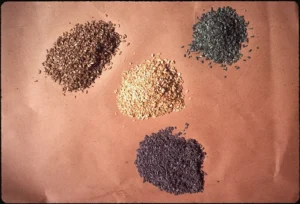
To get that amount of pure brodifacoum from a bait that’s only 0.005 percent active ingredient, the rat needs to eat around 2 grams of bait. That’s roughly the size of a large pea, maybe a bit more.
For comparison, a typical bait block weighs somewhere between 15 and 28 grams. So a rat eating just a small bite, not even the whole block, is already well past what it needs for a lethal dose.
This is part of why bait blocks look barely touched even after they’ve done their job. A rat doesn’t need to finish the whole thing, it just needs a bite or two.
How This Compares To Mice
If you’re also dealing with mice, it helps to know the numbers work differently for them. Mice are much smaller than rats, usually weighing under an ounce, so they need far less poison to reach a lethal dose.
Where a rat might need a couple grams of bait, a mouse often only needs a fraction of a gram, sometimes less than half a gram depending on the poison. This is why mouse-specific bait stations use smaller bait pieces than rat stations.
This size difference is also part of why the same product often works for both, just with different placement and station sizes. The active ingredient and concentration usually stay the same, only the amount a given rodent needs to eat changes.
Why Bigger Doesn’t Always Mean More Bait Used
You might assume a bigger rat problem means burning through way more bait overall, but this isn’t always true in practice. Since single-feed poisons only need a small amount per rat, even a large infestation might not use as much total bait as you’d expect.

What actually drives up bait usage in a bigger infestation is the number of rats visiting stations, not how much each individual rat eats. Ten rats each eating 2 grams still adds up fast, even though each rat’s share is small.
This is why pest control professionals focus more on station placement and rat activity than on stocking huge amounts of bait per station. A well-placed station with the right amount refilled regularly usually beats one giant pile of bait in one spot.
Resistant Rats Sometimes Need Much More
In some areas, rats have built up a real resistance to certain anticoagulants, especially older ones like warfarin. This changes the math significantly for those specific populations.
A resistant rat might need several times the normal amount of bait to reach a lethal dose, sometimes even after multiple days of steady feeding. This is one reason a bait that worked great a few years ago might suddenly seem useless in the same neighborhood.
If you notice rats feeding heavily on bait without dying, resistance is worth considering. Switching to a different active ingredient, ideally a second-generation anticoagulant or a non-anticoagulant like bromethalin, usually solves the problem faster than adding more of the same bait.
Conclusion
There’s no single number that answers exactly how much rat poison a rat needs to eat, since it depends on the poison type, its concentration, and the rat’s own body weight. Most modern single-feed poisons only need a few grams to work.
Second-generation anticoagulants like brodifacoum are some of the most potent, often needing just 1.5 to 3 grams for an average rat. Older poisons like warfarin need much more, spread out over several days of feeding.
Whatever product you choose, the label will tell you the real concentration and recommended bait amount for your situation. Stick to those directions rather than guessing, and always keep bait stations secured away from pets and kids.

Hi, my name is Ezra Mushala, i have been interested animals all my life. I am the main author and editor here at snakeinformer.com.