
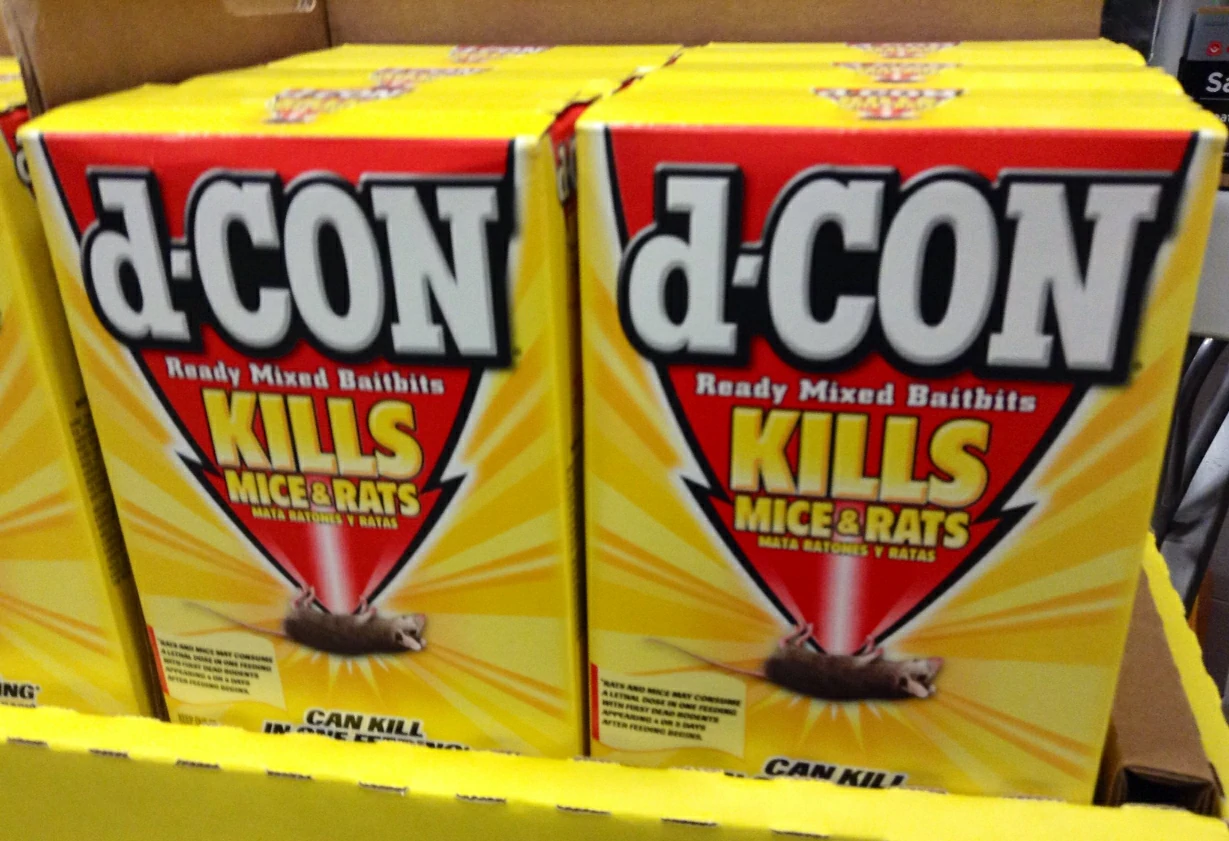
If you’re dealing with rats and starting to shop around, the price range out there can be confusing. Some products cost ten dollars, others cost close to a hundred, and then there’s the option of just calling a professional. So how much does rat poison actually cost?
Store-bought rat poison typically costs $10 to $30 for a basic bait station or a small pack of bait blocks. Bulk pails for bigger jobs run $50 to $100 or more. Hiring a pest control professional usually costs $150 to $500 for a full treatment.
That’s a wide range, and where you land on it depends on how bad your rat problem is, whether you want to do it yourself, and how long-term of a solution you’re after. Let’s break down what actually drives the price up or down.
Basic Bait Stations Are The Cheapest Starting Point
A single disposable bait station, already filled with poison, usually costs somewhere between $10 and $15. These are meant to be tossed once the bait inside runs out.
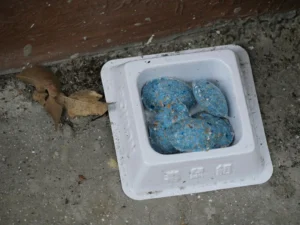
Brands like Tomcat and d-CON sell these in stores like Walmart, Home Depot, and most hardware stores. A 2-pack of pre-filled disposable stations often runs around $25 to $27.
These are a solid starting point if you’re only dealing with a rat or two and want something simple. You place it, you wait, and you throw it away once it’s empty.
Refillable Bait Stations Cost More Upfront But Save Money Later
Refillable stations cost more to buy at first, usually $15 to $25 for the station itself, but they let you buy just the bait refills afterward instead of a whole new station.
Refill packs of bait blocks typically run $10 to $20 for a set of 10 to 20 blocks, depending on the brand and active ingredient. Over time, this usually works out cheaper than buying disposable stations again and again.
If you expect an ongoing rat problem, or you live somewhere rats tend to show up every year, a refillable station is often the better long-term buy.
Multi-Packs Save Money If You Need Several Stations
Buying stations one at a time adds up fast if you actually need several placed around your house. Most pest control guides recommend spacing bait stations every 20 to 30 feet along the areas rats travel.
A 6-pack of tamper-resistant bait stations, like the kind sold under the Tomcat Outpost line, typically runs somewhere in the $50 to $80 range. That works out to less per station than buying six single ones separately.
If you’ve got a bigger house, a detached garage, or an outdoor perimeter to cover, buying a multi-pack upfront is usually the more cost-effective route.
Bulk Bait Pails Are The Cheapest Option Per Pound
If you’re dealing with a serious infestation, or you manage a property where rats are a recurring problem, bulk bait pails offer the best price per pound of poison.

A 4-pound pail of bait blocks, the kind often used by pest control professionals, typically costs $50 to $100 depending on the active ingredient and brand. Some larger pails go even higher.
This works out to a much lower cost per block than buying small retail packs, but it only makes sense if you actually need that much bait. A pail sitting mostly unused isn’t saving you anything.
Cost Breakdown By Product Type
Here’s a quick look at how the pricing tends to break down across different product types.
| Product Type | Typical Cost | Best For |
|---|---|---|
| Single disposable bait station | $10 to $15 | One or two rats, quick fix |
| 2-pack disposable stations | $25 to $27 | Small households, light activity |
| Refillable station (station only) | $15 to $25 | Ongoing or repeat rat problems |
| Bait refill pack (10 to 20 blocks) | $10 to $20 | Restocking a refillable station |
| 6-pack tamper-resistant stations | $50 to $80 | Bigger homes, full perimeter coverage |
| 4-pound bulk bait pail | $50 to $100 | Serious infestations, larger properties |
| Professional treatment | $150 to $500 | Large infestations, recurring problems |
Prices shift a bit depending on the retailer and whether something’s on sale, but this gives you a realistic starting point for budgeting.
Why Active Ingredient Changes The Price
Not all poisons cost the same, even when the packaging looks similar. Products with second-generation anticoagulants like brodifacoum tend to cost a bit more than older first-generation options like warfarin.
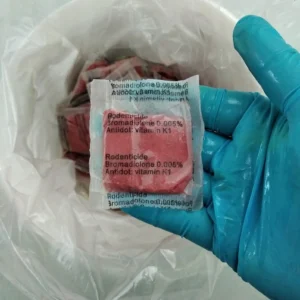
Products built around bromethalin, marketed as fast or single-feed poisons, also tend to sit at the higher end of the price range compared to basic anticoagulant bait blocks.
This price difference usually comes down to how the product performs, not just branding. A single-feed poison that works faster and more reliably is generally worth a few extra dollars over a slower, weaker option.
Where You Shop Changes The Price Too
Big box stores like Walmart and Home Depot tend to have the most competitive prices on common brands like Tomcat and d-CON, especially if you catch a sale.
Specialty pest control supply stores or farm supply stores, like Do My Own Pest Control or a local farm co-op, often carry bulk pails and professional-grade products that aren’t available at a regular hardware store.
Buying online through Amazon or a retailer’s website sometimes saves a few dollars compared to in-store prices, especially on multi-packs, though shipping costs can eat into that savings on heavier items like bulk pails.
When A Professional Is Worth The Extra Cost
Professional rat extermination typically costs $150 to $500 for a full treatment, which sounds like a lot compared to a $15 bait station. But that price usually covers more than just the poison itself.
A typical service includes an inspection to figure out how rats are getting in, the actual baiting and trap placement, sealing up entry points, and at least one follow-up visit to check progress.
This tends to be worth it if you’ve already tried store-bought poison without much luck, if the infestation is large, or if you’re dealing with rats getting into walls, attics, or other hard-to-reach spots.
DIY Versus Professional: A Real Cost Comparison
If you’re dealing with a small, contained problem, DIY is almost always cheaper. A couple of bait stations and some bait refills might only run you $30 to $50 total, and you can handle it yourself in an afternoon.
If the problem keeps coming back, or you’re finding new signs of rats every few weeks despite using poison, the math starts to shift. Buying bait repeatedly over several months can end up costing close to what a one-time professional treatment would.
There’s also the time and effort to think about. A professional finds and seals entry points, something a store-bought bait station can’t do on its own, which is often the real reason rats keep coming back in the first place.
Hidden Costs People Forget To Factor In
Beyond the poison itself, there are a few smaller costs that tend to sneak up on people dealing with a rat problem.
Gloves, a decent flashlight for checking dark corners, and cleaning supplies for droppings all add a small amount to the total. Altogether, that’s usually another $15 to $30 if you don’t already have them on hand.
If a rat dies somewhere hard to reach, like inside a wall, you might also end up paying for odor removal or minor repair work to access it. That can run anywhere from $100 to a few hundred dollars depending on the situation.
How Much It Costs To Treat An Outdoor Area
Outdoor rat problems, like rats getting into a garden, shed, or chicken coop, usually cost a bit more to manage properly because you need weather-resistant bait stations built for outdoor conditions.
Weather-resistant stations tend to cost slightly more than basic indoor ones, often adding $5 to $10 per station. You’ll also likely need more stations to cover a larger outdoor perimeter compared to a single room indoors.
For a decent-sized yard or small farm setup, budgeting $75 to $150 for a proper outdoor bait station setup is a realistic starting point.
Cost Differences In The US, Canada, The UK, And Australia
Prices shift a bit depending on where you live, mostly because of local regulations and how the product gets to the shelf.
In the US, basic bait stations from Tomcat or d-CON usually run $10 to $30, and that’s the pricing used throughout this post.
Canada has similar pricing overall, though it tends to run 10 to 20 percent higher once you convert from Canadian dollars, partly due to shipping and import costs.
In the UK, rat poison is often sold under different brand names, like Pest Expert or Roshield. Prices tend to fall in a similar range once converted, roughly £8 to £25 for a basic station.
Second-generation anticoagulants are more tightly regulated for consumer sale in the UK, so some of the stronger products are limited to professional use only.
Australia has some of the strictest rules around consumer rodenticide access, especially for second-generation anticoagulants.
bait stations still run somewhere around AU$15 to AU$40, but stronger professional-grade products are harder for regular homeowners to buy directly.
Ongoing Costs If Your Rat Problem Doesn’t Go Away Quickly
A single bait station handles a light problem, but rats aren’t always a one-and-done situation. If new rats keep showing up, you’ll need to keep restocking bait, and that adds up over time.
Restocking a refillable station every few weeks during an active infestation might run you $10 to $20 per refill. Over a couple of months of steady restocking, that can end up costing $40 to $100, even without buying any new equipment.
This is part of why sealing up entry points matters so much. Bait alone treats the rats you already have, but it doesn’t stop new ones from finding their way in, which is what turns a one-time cost into a recurring one.
Comparing Cost Per Rat Across Poison Types
It helps to think about cost not just per package, but per rat actually dealt with, since some poisons need less bait to do the job.
Second-generation anticoagulants like brodifacoum only need a small amount per rat, sometimes just a couple grams. Because of this, a single retail bait block, weighing 15 to 28 grams, can often handle several rats before it’s used up, which stretches your money further.
Older first-generation poisons like warfarin need repeated feeding over several days per rat, which means more total bait gets used per kill. Even though the product itself might be cheaper per pound, you can end up using more of it overall.
When you factor this in, a slightly pricier second-generation product often ends up being the better value per rat, not just the better performer in terms of speed.
Should You Buy The Cheapest Option You Can Find?
Not necessarily. The cheapest bait station on the shelf sometimes uses an older, weaker active ingredient that needs more feedings and more time to work.
If you end up needing to buy that cheap product two or three times because it didn’t fully solve the problem, you’ve likely spent more in the long run. A slightly pricier, more effective product bought once often costs less overall.
A better approach is comparing the active ingredient and concentration, not just the price tag, before deciding which product actually gives you the best value for your specific situation.
A Simple Way To Decide Between DIY And Professional Help
If you’ve spotted a rat once or twice and haven’t seen droppings or gnaw marks building up, a basic bait station setup is usually enough. Budget $15 to $50 and give it two to three weeks to work.
If you’re seeing droppings daily, hearing scratching in the walls, or finding chewed wiring or food packaging, you’re likely dealing with more than one or two rats. At that point, a multi-station setup or even a professional inspection is worth the extra cost.
If you’ve already spent $50 or more on bait over the past month without any real improvement, that’s usually the clearest sign it’s time to call a professional. At that spending level, you’re already close to the lower end of what a full treatment would cost anyway.
Ways To Save Money Without Cutting Corners On Safety
Buying a refillable station instead of disposable ones saves money over time, even though the upfront cost is a bit higher.
Buying bait in bulk packs rather than single stations almost always works out to a lower price per unit, as long as you’ll actually use it before it expires.
Checking a product’s expiration date before buying also helps, since rat poison does lose potency over time, and a discounted product close to its expiration date might end up being a false discount.
Conclusion
Rat poison costs vary a lot depending on what you’re buying and how big your rat problem actually is. A single disposable bait station runs about $10 to $15, while a full setup with several tamper-resistant stations might cost $50 to $100.
Bulk pails offer the best price per pound for serious infestations, usually landing between $50 and $100 for a 4-pound pail. Hiring a professional costs more upfront, typically $150 to $500, but often solves the underlying entry point problem that store-bought poison alone can’t fix.
For most small, one-off rat problems, a basic bait station setup is the more affordable choice. If the problem keeps coming back despite your best efforts, it’s worth weighing the cost of continued DIY treatment against a one-time professional visit that actually addresses how the rats are getting in.
At the end of the day, the cheapest option isn’t always the one that costs the least money overall. A five-dollar price difference barely matters if it means solving the problem in one trip instead of three. Factor in your time and peace of mind, not just the number on the receipt.

Hi, my name is Ezra Mushala, i have been interested animals all my life. I am the main author and editor here at snakeinformer.com.