
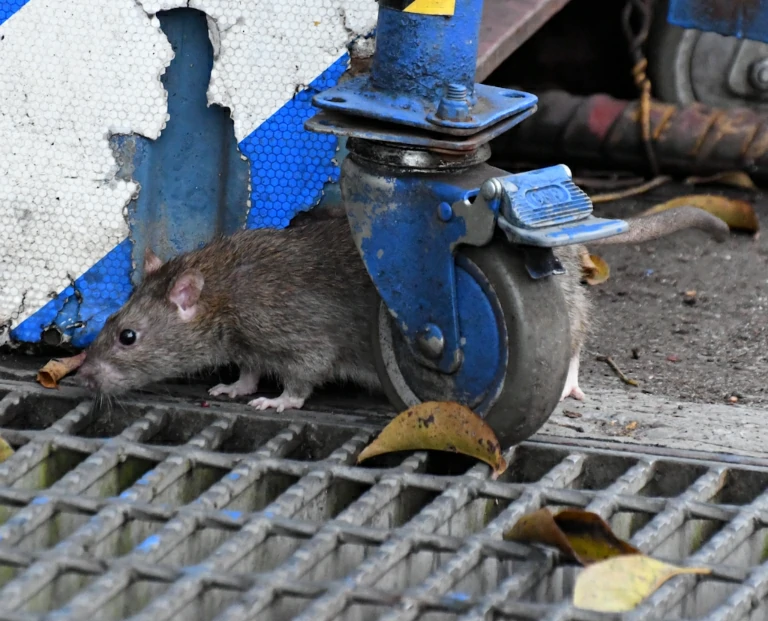
If you’ve ever set out rat bait, you’ve probably heard the idea that rats carry poison back to their nest and share it with the rest of the colony. It sounds efficient, one bait station wiping out an entire nest at once.
But is there actually rat poison that works this way?
Rats generally don’t carry solid bait back to a nest to share with others. What actually happens is that a rat eats bait where it finds it, then wanders back to its nest before the poison finally kills it, often days later. So while the bait itself doesn’t travel, the poisoned rat does.
That distinction actually matters more than it sounds like it would. The popular idea of rats “sharing” poison with each other isn’t quite how it works.
Still, the end result does happen. Several rats from the same colony often end up dying around the same time.
It just happens for a slightly different reason than most people assume.
Why the “Sharing” Idea Got Started
It’s an easy thing to believe, since rats are famously social and live together in colonies.
If you imagine a rat carrying a chunk of poisoned bait home like a squirrel with a nut, it makes intuitive sense that other rats would eat it too.

The reality is a bit different. Most rats eat where they find food rather than hauling it back to a den.
This is especially true with solid bait blocks or pellets, which just aren’t practical for a rat to carry very far.
Rats are also naturally cautious animals. Researchers describe this as neophobia, which just means a fear of new things showing up in a familiar space.
A rat encountering a new bait station for the first time is more likely to avoid it, or take a tiny, cautious taste, than to grab a mouthful and run.
This caution is actually a big part of why anticoagulant poisons like brodifacoum and warfarin were designed to work slowly in the first place.
If a rat got sick right after eating bait, it would connect the sickness to that specific food and avoid it from then on. Pest control professionals call this response bait shyness.
How the Poison Actually Reaches Other Rats
Even though rats don’t typically carry bait home, the poison still tends to spread through a colony in a real, documented way.
Anticoagulant poisons take anywhere from four days to two weeks to kill. A rat that’s eaten a lethal dose doesn’t drop dead at the bait station.
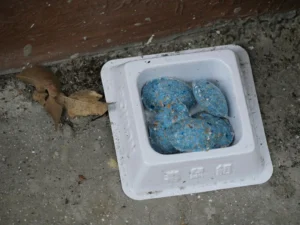
It goes on with its normal routine for days, eating, exploring, and returning to its nest like nothing happened.
Rats also tend to follow the same foraging trails as the rest of their colony, according to researchers who study rodent behavior. That’s really the key detail here.
This means multiple rats from the same group are likely to visit the same bait source over the course of several days. They’re all just using the same paths to find food.
The result is that several rats from one colony can end up eating from the same bait station over time, then dying within days of each other, even without any bait ever being physically carried or shared.
Does Any Product Actually Rely on Rats Bringing Bait Home?
Interestingly, some bait station marketing does lean into this idea, even though it’s not quite accurate. You’ll sometimes see language suggesting a bait station will “eliminate the whole nest” because rats bring bait back to share.
| Claim | What’s Actually True | Why It Matters |
|---|---|---|
| Rats physically carry bait back to the nest | Rare, most rats eat where they find food | Solid bait blocks aren’t practical to transport |
| One bait station can affect multiple rats in a colony | True, but through repeated visits over days, not bait sharing | Multiple colony members use the same foraging trails |
| Poison works instantly so rats can’t get suspicious | False for anticoagulants | Anticoagulants are intentionally slow to avoid bait shyness |
| A poisoned rat returns to the nest before dying | Generally true | This is the real mechanism behind “colony-wide” die-off |
| Young or nest-bound rats can be exposed through a nursing mother | True in some cases | Poison can pass through milk if a nursing female eats bait |
That last point is worth pausing on. If a nursing female rat eats poisoned bait, the toxin can pass to her pups through her milk.
This is a real, documented pathway. It’s a big part of why an entire nest of young rats can sometimes be affected even though none of them ever touched the bait station directly.
Why Bait Stations Are Designed the Way They Are
Understanding this behavior actually explains a lot about how modern bait stations and rodenticides are built.
Anticoagulant poisons are deliberately slow acting, and this isn’t a design flaw, it’s the whole point.
A fast acting poison would kill a rat quickly enough that other rats in the colony would associate the bait station with danger and avoid it completely.
By delaying the effect for several days, the poison avoids triggering that response. Rats keep visiting the bait station normally.
That means more members of the colony end up exposed before anyone catches on.
Pest control professionals also use a strategy called pre-baiting, where they set out non-toxic bait first to get an entire colony comfortable feeding at a station.
Once the rats are reliably feeding there, the real poison gets swapped in. It’s timed so multiple rats are exposed close together rather than just one at a time.
What This Means for Where Rats Actually Die
Since rats return to their nest instead of dying at the bait station, this directly connects to a problem a lot of people run into. Dead rats keep turning up in walls, attics, and other hard to reach places.
A rat’s nest is typically somewhere dark, quiet, and protected. In a house, that often means wall cavities, attic insulation, or crawl spaces.
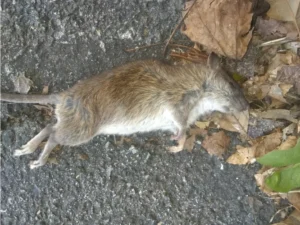
If that’s where a poisoned rat retreats to before dying, that’s also where the smell problem starts.
This is really the trade-off with slow acting poisons. They’re effective at reaching more of the colony over time.
But that same delay is what leads to rats dying somewhere you can’t easily find or remove them.
Faster acting options like zinc phosphide work differently, causing death within a matter of hours rather than days. This reduces the chance of a rat making it back to an inaccessible nest.
Still, it comes with its own downsides. Rats can develop bait shyness toward it faster if they don’t die quickly enough after that first dose.
Do Rats Warn Each Other About Poison?
This is another idea that comes up a lot alongside the sharing myth, and it’s actually partly true, just not in the way most people picture it.
Rats don’t warn each other with anything like a spoken signal, but they do communicate through scent. Researchers have found that rats use pheromones in their urine and droppings to mark territory and pass along information to other rats.
This is actually one reason bait stations sometimes take a while to become effective.
A brand new object placed in a rat’s territory can trigger that neophobic avoidance response we mentioned earlier, and it can take days or even weeks before the colony treats it as safe to approach.
Pest control professionals sometimes speed this process up by adding scent markers, like soil or even rat droppings, to a new bait station.
This makes the unfamiliar object smell more like something already part of the rat’s environment, which helps override some of that natural caution.
Interestingly, if the scent marking happens to come from a dominant rat in the colony, it can actually work against the goal and make other rats more hesitant rather than less.

Rat social structure is more layered than most people realize, and dominant individuals do influence how the rest of the group behaves around new objects and food sources.
The two rat species most common in US and Canadian homes, Norway rats and roof rats, both show this same general pattern. Their nesting habits differ a bit, though.
Norway rats tend to burrow and nest at ground level or below it, often in basements, crawl spaces, or outdoor burrows near a building’s foundation.
A poisoned Norway rat is more likely to die somewhere at or below ground level.
Roof rats, true to their name, prefer nesting higher up. Think attics, wall voids, and even trees when they’re outdoors.
A poisoned roof rat is more likely to die up in an attic or upper wall cavity instead.
Knowing which species you’re dealing with can actually help narrow down where to check if you suspect a poisoned rat has died somewhere in your home. Each species tends to retreat to a fairly predictable part of the structure.
Conclusion
Rats don’t typically carry solid bait back to their nest to share with others. That means the popular idea of one bait station wiping out a whole colony through sharing isn’t quite accurate.
What actually happens is a slower process. A rat eats the bait, wanders back to its nest, and dies there days later, often before the poison ever raises any alarm among the rest of the colony.
This slow, delayed action is intentional. It’s specifically designed to avoid the bait shyness that would happen if rats died too quickly and connected the danger to the food source.
The real world effect is still similar to what most people imagine. Several rats from the same colony can end up affected over time.
It just happens through repeated visits to the same bait source rather than any kind of sharing back at the nest. Understanding that difference helps explain both why bait stations take patience to work, and why dead rats so often turn up somewhere hidden well after the bait itself is gone.
If you’re dealing with an active colony, the most useful mindset shift is really just patience. Give the process the days or weeks it actually needs, keep bait placed along known travel routes, and pair it with sealing up entry points so new rats can’t simply move in to replace the ones the colony loses over time.
None of this requires the bait itself to travel anywhere. The rats do all the moving on their own, which is really the whole point.

Hi, my name is Ezra Mushala, i have been interested animals all my life. I am the main author and editor here at snakeinformer.com.