
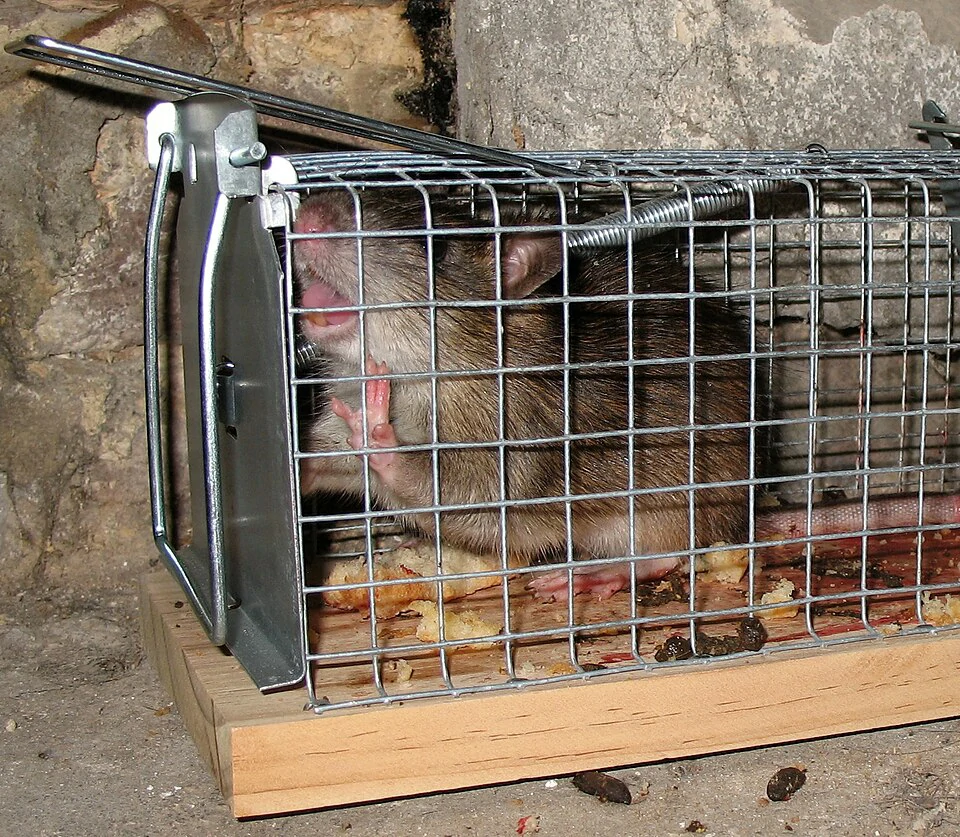
When you’re dealing with rats in your home, you want a trap that actually works without killing the animal. There are tons of humane rat traps on the market, but not all of them are worth your money. So what’s the most effective humane rat trap?
The most effective humane rat trap is a dual-door live cage trap with a sensitive trigger plate. These traps catch rats consistently because they have two entry points, which makes rats feel safer about going inside, and the trigger system closes both doors at once so the rat can’t escape.
Dual-door traps work better than single-door models because rats can see through to the other side, which makes the trap feel less like a dead end. This simple design change makes a huge difference in how many rats you’ll actually catch.
Why Dual-Door Traps Work Best
Rats are naturally cautious animals. They don’t like walking into dark, enclosed spaces where they might get stuck.
A single-door trap looks like a dead end to a rat. They can smell the bait inside, but they’re not sure if it’s safe to go in.
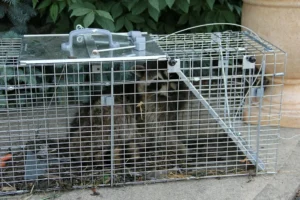
With a dual-door trap, the rat can see light coming through from the other side. It looks like a tunnel or passageway instead of a trap.
Rats feel more comfortable running through something they can see all the way through. They think they can grab the bait and keep moving, but as soon as they step on the trigger, both doors slam shut.
This design takes advantage of how rats naturally behave, which is why it catches more rats than other styles.
What Makes a Trigger System Effective
The trigger is the most important part of any humane trap. If it’s too sensitive, it’ll close before the rat is fully inside. If it’s not sensitive enough, the rat can grab the bait and run out before the door shuts.
The best traps use a pressure plate in the middle of the cage. When the rat steps on it to reach the bait, it pushes the plate down and triggers the door mechanism.

Good triggers are balanced perfectly so they only close when there’s enough weight on them. This means the trap won’t go off if a bug or piece of debris lands on the plate, but it will close as soon as a rat steps inside.
Some cheaper traps use flimsy triggers that don’t work reliably. The rat can walk in, grab the food, and leave without getting caught. You want a trap with a solid, well-designed trigger that works every single time.
Size Matters When Choosing a Trap
Rats come in different sizes, and your trap needs to be big enough to hold the type of rat you’re dealing with.
Norway rats are the most common type in homes, and they’re pretty big. An adult can be over 10 inches long, not counting the tail.

If your trap is too small, the rat might not fit all the way inside. The doors could close on the rat’s body or tail, which can hurt the animal and let it escape.
The most effective traps are at least 12 to 16 inches long. This gives even large rats enough room to walk all the way in before the trigger closes the doors.
A bigger trap also means the rat won’t feel as cramped while it’s waiting for you to release it. This reduces stress and keeps the animal safer.
Metal vs. Plastic Traps
Most humane rat traps are made from either metal wire or hard plastic. Both can work, but metal traps are usually more reliable.
Metal traps are stronger and harder for rats to chew through. Rats have really strong teeth, and they’ll try to gnaw their way out if they can.
Plastic traps are lighter and easier to carry, but they can crack or break if you drop them. They also tend to have weaker door mechanisms that don’t always close properly.
If you want a trap that’ll last for years and catch rats consistently, go with a metal wire cage. The wire lets air flow through, which keeps the rat comfortable, and it’s nearly impossible for the rat to escape once it’s caught.
How Bait Placement Affects Success
Even the best trap won’t work if you don’t use bait correctly. You need to put the food in exactly the right spot.
Place the bait at the very back of the trap, as far from the doors as possible. This forces the rat to walk all the way inside to reach it.
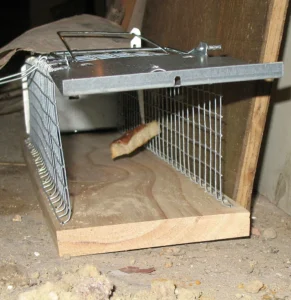
If you put the bait too close to the entrance, the rat can grab it without stepping on the trigger. The doors won’t close, and you’ll lose your bait without catching anything.
The best baits are sticky foods like peanut butter because the rat has to spend time licking it off instead of just grabbing and running. You can also use things like chocolate, nuts, dried fruit, or bacon.
Why Some Traps Fail to Catch Rats
If you’ve tried a humane trap and it didn’t work, there’s usually a specific reason why.
Poor Quality Triggers
Cheap traps often have triggers that don’t work right. The door might not close all the way, or it might close too slowly, giving the rat time to escape.
Always buy traps from trusted brands that have good reviews. It’s worth spending a bit more money to get something that actually works.
Wrong Size
If your trap is too small, rats won’t go inside. If it’s too big and open, it might not feel secure enough for the rat to explore.
Match the trap size to the size of the rats you’re dealing with. A 14-inch trap is a good middle ground that works for most situations.
Bad Location
Rats travel along specific paths, usually right next to walls. If you put your trap in the middle of a room, they’ll probably never find it.

Place traps along walls, in corners, and anywhere you’ve seen rat droppings or gnaw marks. The trap should be right in the rat’s path so it has to walk through it.
How to Set Up the Trap for Maximum Success
Setting up your trap the right way can make a huge difference in how quickly you catch rats.
First, wash the trap with soap and water to remove any human scent or chemical smells. Rats have sensitive noses, and they’ll avoid anything that smells wrong.
Next, place the trap along a wall where you’ve seen rat activity. Make sure the doors are open and the trigger is set.
Put a small amount of bait at the very back. Don’t use too much, or the rat might be able to grab some from outside the trap without going in.
For the first day or two, you can leave the trap open without setting the trigger. Let the rat get used to going in and out safely. Once it trusts the trap, set the trigger, and you’ll catch it the next time it comes for food.
What Happens After You Catch a Rat?
Once the trap closes, both doors lock, and the rat can’t escape. The cage keeps it safe until you’re ready to release it.

Check your traps at least twice a day. Rats can get stressed if they’re trapped for too long, and they need access to water.
Some traps have handles on top so you can carry them easily. If yours doesn’t, just pick it up carefully by the frame.
Don’t shake the trap or try to scare the rat. This will stress the animal out and make it harder to release safely.
Where to Release the Rat
You need to take the rat far away from your home, or it’ll just come back. Most experts recommend releasing it at least 3 to 5 miles away.
Find a wooded area, park, or field where the rat can find food and shelter. Don’t release it near someone else’s house, because that just gives them the same problem you had.
When you get to the release spot, set the trap on the ground and open both doors. The rat will usually run out on its own within a few seconds.
If the rat doesn’t leave right away, step back and give it time. It might be scared or confused, but it’ll eventually realize it can escape.
Can You Use the Same Trap Multiple Times?
Yes, you can reuse a humane trap as many times as you need. After releasing a rat, clean the trap thoroughly before setting it up again.
Wash it with hot soapy water to remove any smells from the previous rat. Other rats might avoid the trap if it smells like a captured animal.
Check the trigger mechanism to make sure it still works properly. Sometimes the spring or latch can get bent after repeated use.
If everything looks good, dry the trap completely, add fresh bait, and set it up again. You can catch multiple rats over several weeks using the same trap.
How Long Does It Take to Catch a Rat?
This depends on how many rats you have and how cautious they are. Some people catch a rat the first night, but it can take up to a week in other cases.
Rats are smart and suspicious of new objects. They’ll usually circle around the trap, sniff it, and check it out for a while before going inside.

If you’re not catching anything after a few days, try moving the trap to a different location. You might not have placed it along the rat’s actual travel path.
You can also try changing the bait. If the rat isn’t interested in peanut butter, try chocolate or bacon instead.
What If You Have Multiple Rats?
If you have more than one rat, you’ll need to catch them one at a time with a single trap, or use multiple traps at once.
Using several traps increases your chances of catching rats faster. Place them in different areas where you’ve seen activity.
Just remember that you’ll need to check all the traps regularly. If you set up five traps, you need to be ready to release five rats if they all get caught at the same time.
Some people prefer to catch and release one rat, then reset the trap for the next one. This takes longer but requires less effort.
Are There Traps Designed for Specific Rat Species?
Norway rats and roof rats are the two main types you’ll find in homes, and they behave a bit differently.
Norway rats are bigger and prefer to stay on the ground. They like tight spaces and will readily enter ground-level traps.

Roof rats are smaller and like to climb. They’re more likely to be in your attic or on top of cabinets.
The same dual-door trap works for both species, but you need to place it in the right location. For roof rats, put traps up high where they’re traveling. For Norway rats, keep traps on the ground along walls.
What About Traps with Clear Sides?
Some humane traps are made with clear plastic sides so you can see inside without opening the door.
This can be helpful because you don’t have to get close to the trap to check if you caught something. You can just look from a distance.
However, clear traps can also scare rats away. They prefer dark, enclosed spaces, and a see-through trap doesn’t feel as safe to them.
If you’re choosing between a clear trap and a solid one, go with solid sides. Rats are more likely to go inside, which means you’ll catch them faster.
Do Electronic Sensors Make Traps Better?
Some newer traps have electronic sensors that send you an alert when a rat is caught. You get a notification on your phone so you know right away.
This is convenient because you don’t have to keep checking the trap manually. You’ll know immediately when it’s time to release the rat.
However, these traps are usually more expensive, and the electronic parts can break or need batteries. They’re not necessary for the trap to work.
A good old-fashioned dual-door trap with a solid trigger will catch just as many rats without the extra technology.
Why Location Is More Important Than the Trap Itself
Even the most effective trap won’t work if you put it in the wrong place. Rats follow specific paths, and if your trap isn’t on that path, they’ll never find it.

Look for signs of rat activity like droppings, gnaw marks, greasy smudges on walls, and disturbed insulation or paper.
These signs show you exactly where the rats are traveling. Place your trap right in the middle of that path, and you’ll catch rats much faster.
If you’ve had the trap set for several days with no luck, don’t assume the trap is bad. Try moving it to a different spot and see if that makes a difference.
How to Know If Your Trap Is Working
A good trap should feel solid when you set it. The trigger should click into place, and the doors should open and close smoothly.
Test the trap before you set it with bait. Put a stick or pencil on the trigger plate and make sure the doors close properly.
If the doors don’t close all the way, or if they close crooked, the trap isn’t working right. You might need to adjust the trigger or replace the trap.
Once you’ve tested it and everything works, you can set it with bait and wait for a rat to trigger it.
Conclusion
The most effective humane rat trap is a dual-door live cage trap with a sensitive, well-designed trigger plate. These traps work better than single-door models because rats feel safer walking through something they can see all the way through.
The trigger needs to be sensitive enough to close as soon as the rat steps inside, but not so sensitive that it goes off too early. Metal traps are more durable than plastic, and bigger traps work better for larger rats.
If you want to catch rats without killing them, invest in a quality dual-door trap, place it in the right location, use good bait, and check it regularly. This combination gives you the best chance of catching rats quickly and humanely.

Hi, my name is Ezra Mushala, i have been interested animals all my life. I am the main author and editor here at snakeinformer.com.