
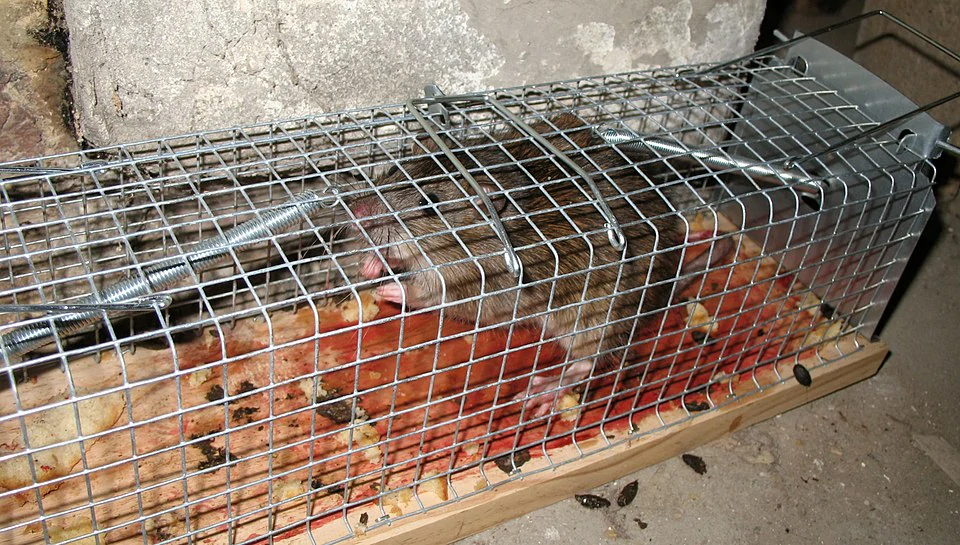
Sometimes you catch a rat in a live trap but can’t or don’t want to release it. Maybe there’s nowhere safe to let it go, or maybe local laws say you can’t relocate wild animals. In these situations, you might need to kill the rat instead. What’s the most humane way to kill a rat in a trap?
The most humane way to kill a rat in a trap is to use carbon dioxide (CO2) gas in an enclosed container. The rat falls unconscious within seconds and dies peacefully without pain or stress. This method is considered the most humane by veterinarians and animal welfare experts.
CO2 creates a quick, painless death because the rat simply goes to sleep and doesn’t wake up. It’s much better than methods that cause pain, fear, or suffering.
Why CO2 Is the Most Humane Method
Carbon dioxide works by replacing the oxygen in the air the rat is breathing. As the rat inhales CO2, it becomes drowsy and loses consciousness very quickly.
The rat doesn’t feel like it’s suffocating because CO2 doesn’t trigger the panic response that comes from lack of oxygen. It just feels sleepy and drifts off.
Within 30 to 60 seconds, the rat is completely unconscious. After a few more minutes, the heart stops, and the rat dies without ever waking up.
This is the same method used by veterinarians and research facilities when they need to put down rodents. It’s considered the gold standard for humane killing.
How to Use CO2 to Kill a Rat
You’ll need a few things to do this properly. First, you need a source of CO2 gas. You can buy compressed CO2 in small canisters from welding supply stores or homebrew shops.
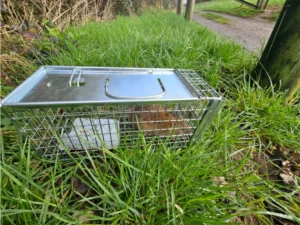
You also need a container that’s big enough to hold the trap with the rat inside. A plastic storage bin with a tight-fitting lid works well.
Place the trap with the rat inside into the container. Don’t open the trap or try to transfer the rat. Just put the whole thing in.
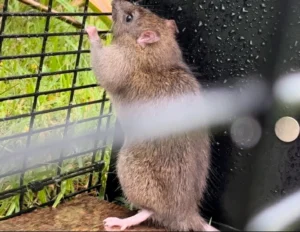
Slowly release CO2 into the container. You want the gas to gradually replace the air so the rat doesn’t panic from a sudden change.
Fill the container until it’s completely full of CO2. This usually takes a few minutes depending on the size of your container and how fast the gas flows.
Leave the rat in the CO2-filled container for at least 10 minutes after it stops moving. This makes sure the rat is actually dead and not just unconscious.
Why Other Methods Aren’t as Humane
There are other ways people kill trapped rats, but most of them cause unnecessary pain or fear.
Drowning
Some people drown rats by submerging the trap in water. This is not humane at all.
Drowning causes extreme panic and suffering. The rat struggles to breathe and experiences the terror of suffocating for several minutes before it dies.
This method should never be used. It’s cruel and causes way more suffering than necessary.
Blunt Force
Hitting the rat with a heavy object can kill it quickly, but only if you do it perfectly. If you miss or don’t hit hard enough, you’ll just injure the rat and cause terrible pain.
Most people don’t have the skill or stomach to kill a rat this way effectively. It’s also traumatic for the person doing it.
Freezing
Putting a rat in the freezer might seem painless, but it’s actually quite cruel. The rat doesn’t just fall asleep. It suffers from the cold for a long time before it dies.
Freezing causes pain, stress, and a slow death. It can take hours for the rat to actually die, and it’s conscious and suffering for most of that time.
What If You Don’t Have Access to CO2?
If you can’t get CO2, there are a couple of other options, but they’re not as good.
Cervical Dislocation
This means breaking the rat’s neck quickly to sever the spinal cord. When done correctly by someone with experience, it causes instant death with no suffering.
The problem is that most people don’t know how to do this properly. If you do it wrong, you’ll just hurt the rat without killing it.
Unless you’ve been trained by a veterinarian or have experience with this method, don’t try it. You’ll probably mess it up and cause more harm.
Sedation Plus CO2
If you can get a sedative from a vet, you can use it to put the rat to sleep first, then use CO2 to finish the job.
This is even more humane than CO2 alone because the rat is completely unconscious before you start. It doesn’t experience any stress at all.
Why You Shouldn’t Use Poison
Poison might seem like an easy option, but it’s one of the worst ways to kill a rat.
Most rat poisons work by causing internal bleeding. The rat bleeds to death slowly over several days, which is extremely painful and cruel.
Other poisons mess with the rat’s nervous system or organs. The rat suffers for days before it finally dies.
Even if the rat is already trapped and can’t escape, giving it poison is still inhumane. There are much better methods that cause instant or near-instant death with no suffering.
Is It Legal to Kill a Trapped Rat?
Laws about killing trapped animals vary depending on where you live. In most places, it’s legal to kill rats because they’re considered pests.
However, some areas have rules about how you can kill them. Certain methods might be banned because they’re considered cruel.
Before you kill a trapped rat, check your local laws. You can usually find this information on your state or county’s wildlife management website.
If you’re not sure, call your local animal control office and ask. They can tell you what’s legal and what isn’t.
What About Taking It to a Vet?
If you’re not comfortable killing the rat yourself, you can take it to a veterinarian. Most vets will put down a wild rat for a small fee.
The vet will use professional methods like injectable sedatives or CO2 in a controlled setting. This guarantees a quick, painless death.
This is a good option if you want to make sure the rat is killed as humanely as possible but don’t want to do it yourself.
Just call ahead and make sure the vet is willing to take wild rodents. Not all of them do this service.
How to Handle the Body After
Once the rat is dead, you need to get rid of the body safely. Don’t just throw it in the trash or leave it outside.
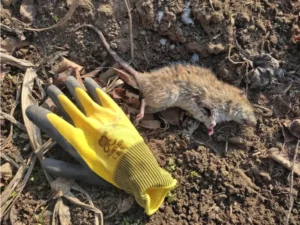
Wear gloves when you handle the dead rat. Even dead rats can carry diseases or parasites.
You can double-bag the body in plastic bags and put it in your outdoor trash. Make sure the bag is sealed so other animals can’t get to it.
Some people bury dead rats in their yard, but check local laws first. Some areas don’t allow you to bury animal remains.
Whatever you do, wash your hands thoroughly after handling the body, even if you wore gloves.
Why Some People Choose to Kill Instead of Release
There are several reasons why someone might kill a trapped rat rather than release it.
No Safe Release Location
In urban areas, there might not be anywhere appropriate to release the rat. Parks and nature areas often have rules against releasing wild animals.
If you release a rat near someone else’s house, you’re just giving them your problem. That’s not fair to them.
Legal Restrictions
Some states and cities have laws that say you can’t relocate wild animals. You’re legally required to either release them on your own property (which defeats the purpose) or kill them.
Preventing Return
Even if you take a rat far from your home, there’s a chance it’ll find its way back. If you want to guarantee it won’t come back, killing it is the only sure way.
Protecting Native Wildlife
In some areas, rats are invasive species that harm native animals. Releasing them means they’ll keep breeding and damaging the local environment.
What If the Rat Is Injured?
Sometimes rats get hurt in the trap, even in humane traps. They might break a leg, injure their tail, or hurt themselves trying to escape.
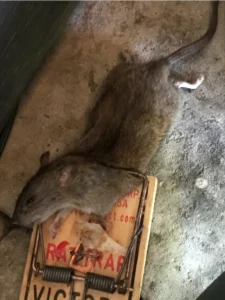
If the rat is badly injured, killing it is often the kindest option. An injured rat won’t survive well in the wild, and it’ll just suffer until it dies from infection or predators.
Use the same CO2 method for injured rats. It’s still the most humane way to end their life quickly and painlessly.
Can You Use Other Gases?
Some people ask about using other gases like helium or nitrogen. These can work, but they’re not as reliable as CO2.
Helium and nitrogen cause death by oxygen deprivation, but rats might panic when they can’t breathe properly. CO2 is better because it creates a calm, drowsy feeling instead.
Stick with CO2 if you can get it. It’s the proven, most humane method.
How to Know When the Rat Is Dead
After using CO2, you need to make sure the rat is actually dead before you remove it from the container.
Look for any movement, including breathing. A dead rat won’t move at all.
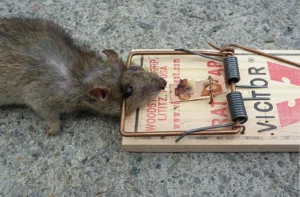
You can check for a heartbeat by gently pressing on the rat’s chest. If you don’t feel anything, the heart has stopped.
The eyes will usually be open and won’t blink if you gently touch near them (use a stick or tool, not your finger).
Leave the rat in the CO2 for at least 10 to 15 minutes after it stops moving, just to be absolutely sure.
What About Your Own Safety?
When you’re killing a rat, you need to protect yourself too.
Always wear gloves when handling traps with rats in them. Rats carry diseases, and you don’t want to risk getting bitten or scratched.
If you’re using CO2, make sure you’re in a well-ventilated area. Don’t breathe in the CO2 yourself.
After everything is done, wash your hands with soap and water, even if you wore gloves the whole time.
How to Clean the Trap After
Once you’ve removed the dead rat, you need to clean the trap before using it again.
Wash the trap with hot soapy water and a disinfectant. This kills any bacteria or parasites the rat might have left behind.
Rinse the trap thoroughly and let it dry completely before setting it up again.
If the trap is damaged or bent from the rat trying to escape, you might need to replace it or fix it before using it again.
Conclusion
The most humane way to kill a rat in a trap is to use carbon dioxide gas in an enclosed container. The rat loses consciousness quickly and dies without pain or stress.
Other methods like drowning, freezing, or blunt force cause unnecessary suffering and should be avoided. If you can’t get CO2, taking the rat to a vet is a good alternative.
Always check local laws before killing a trapped rat, and make sure you handle the body safely afterward. Killing should only be done when releasing the rat isn’t possible or legal.

Hi, my name is Ezra Mushala, i have been interested animals all my life. I am the main author and editor here at snakeinformer.com.