
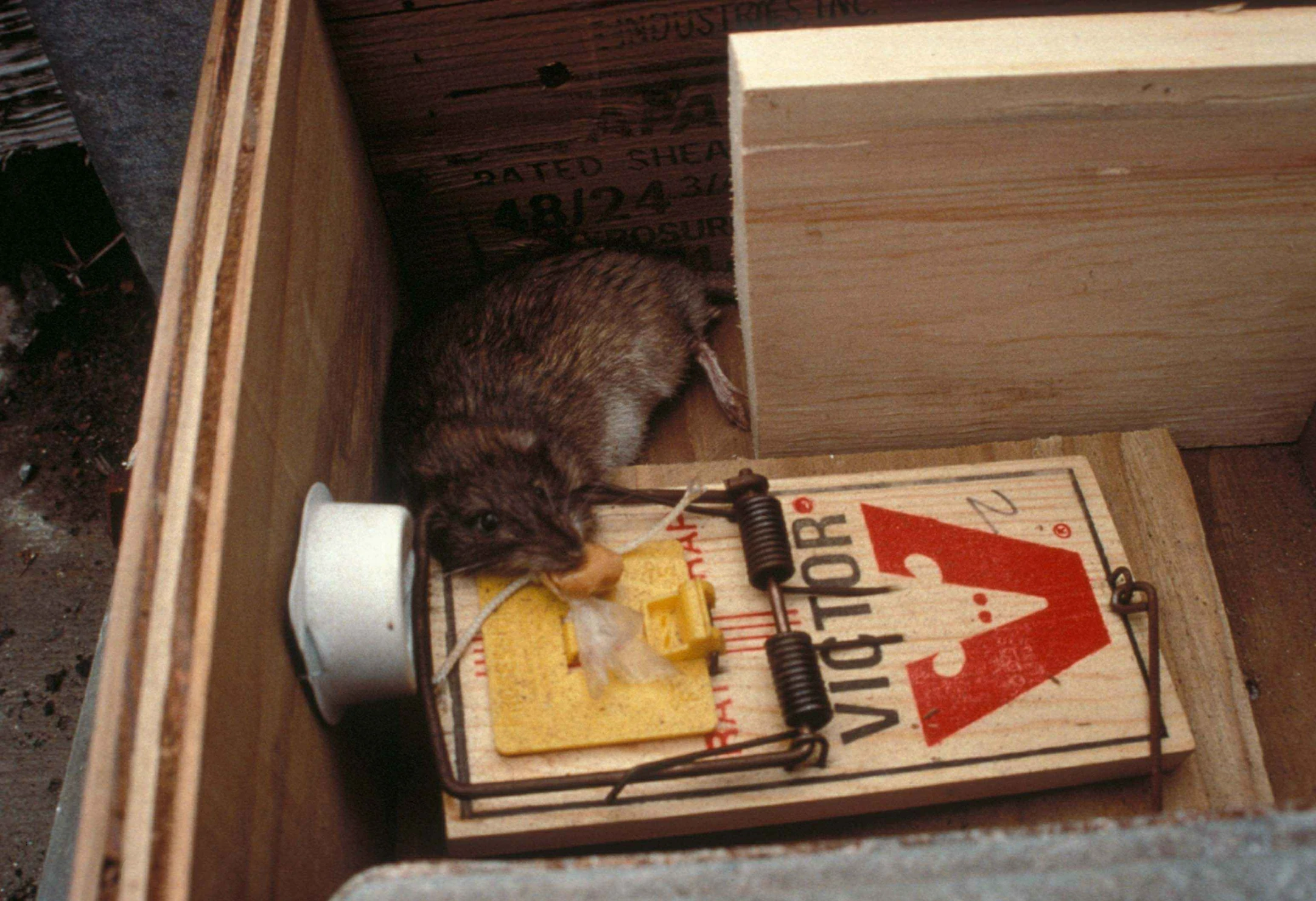
When you’re dealing with rats, your first instinct might be to set out as many traps as possible. More traps mean more chances to catch rats, right? But can you actually have too many rat traps?
Yes, you can have too many rat traps. Using too many traps in a small area can make rats suspicious and cause them to avoid the traps entirely. It can also create safety hazards for pets, children, and even yourself.
While it might seem like overkill isn’t possible when dealing with pests, there’s actually a sweet spot for how many traps you should use. Setting out the right number in the right places is more effective than just blanketing your space with traps everywhere.
Why Too Many Traps Can Backfire
Rats are naturally cautious animals. When they see too many new objects (like traps) suddenly appearing in their environment, they become suspicious and avoid the entire area. This is called neophobia, which basically means fear of new things.
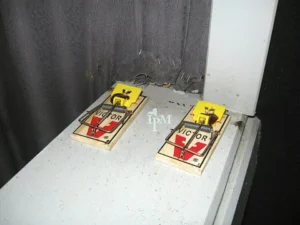
If you put out 20 traps in a small basement, rats will notice something’s off. They’ll stick to their usual paths and avoid the trapped areas completely, making all those traps useless.
Too many traps also means too much human scent in one area. Even if you wear gloves when setting traps, rats can still detect that humans have been messing around in their territory. The more traps you set, the more human scent you’re spreading around.
The Safety Issue With Too Many Traps
Snap traps can seriously hurt a person or pet if they accidentally trigger them. The more traps you have out, the higher the chance someone or something will get caught. This is especially dangerous if you have kids or pets in the house.
Electronic traps use high voltage to kill rats instantly. Having too many of these around increases the risk of accidental shocks. Even though most are designed with safety features, accidents can still happen.
You also create a tripping hazard when you have traps scattered everywhere. It’s easy to forget where you placed them all, especially in dark basements or attics. You might step on one yourself or knock it over while walking around.
How Many Traps Should You Actually Use?
A good rule is to start with 2 to 3 traps per room where you’ve seen rat activity. Place them along walls where rats typically travel, not randomly throughout the space. Rats like to move along edges, so that’s where your traps will be most effective.
For a serious infestation, you might need 6 to 12 traps total throughout your house. But don’t put them all in one room. Spread them out in the areas where you’ve actually seen signs of rats like droppings, gnaw marks, or greasy rub marks on walls.
In really small spaces like a closet or pantry, one or two traps is plenty. You don’t need five traps in a 3-foot by 3-foot area. That’s just overkill and will probably scare rats away from that space entirely.
What Happens When You Use the Right Number of Traps?
When you use the right number of traps, rats are less likely to notice the change in their environment. A few traps placed strategically along their travel routes won’t trigger their neophobia response the same way dozens of traps would.
You’ll also catch rats more quickly. Rats will investigate one or two new objects out of curiosity, but they’ll avoid an area that’s suddenly filled with strange things. By keeping trap numbers reasonable, you’re working with rat behavior instead of against it.
The right number of traps is also safer and easier to manage. You can remember where each trap is, check them regularly, and reset them without creating a maze of potential hazards throughout your home.
Signs You’re Using Too Many Traps
If you’ve had traps set for over a week and haven’t caught anything, you might have too many out. Rats are avoiding the area because they sense something’s wrong. Try removing half your traps and see if that changes things.
Another sign is if your pets are constantly getting near the traps or you’re finding yourself worried about where you step. If the traps are making your home feel dangerous or unlivable, you’ve definitely gone overboard.
If you’re spending more time managing and checking traps than actually catching rats, that’s also a red flag. Trap maintenance should be quick and simple, not a full-time job.
The Right Way to Add More Traps
If you start with a few traps and they’re not catching rats, don’t immediately triple the number. Instead, move the traps you already have to different locations. Rats might be traveling different routes than you thought.

When you do need to add more traps, do it gradually. Add one or two at a time over several days. This keeps the environment from changing too dramatically all at once, which is less likely to spook the rats.
Focus on quality placement over quantity. One trap in the perfect spot (along a wall near food sources, in a corner, or by a hole) will catch more rats than five traps scattered randomly around a room.
Can Too Few Traps Also Be a Problem?
Yes, using too few traps can let your rat problem get worse. If you only have one or two traps for a house with multiple rats, you’re not going to solve the problem quickly. The rats will keep breeding faster than you can catch them.
For large infestations, you need enough traps to make a real dent in the population. But “enough” doesn’t mean dozens. It means having the right number in the right places to catch rats consistently.
The key is finding that balance between too many and too few. You want enough traps to be effective without overwhelming the space or spooking the rats away.
Different Traps, Different Numbers
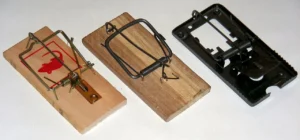
The type of trap you’re using affects how many you need. Snap traps are small and single-use (you catch one rat per trigger), so you might need more of them compared to other trap types.
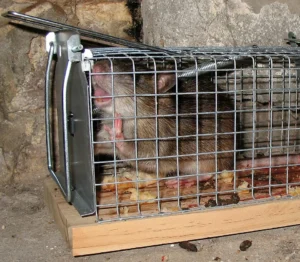
Multi-catch traps can capture several rats before needing to be emptied, so you need fewer of them overall. One or two multi-catch traps might do the work of six snap traps.
Electronic traps kill one rat at a time but reset automatically in some models. You’ll need fewer of these compared to traditional snap traps, but they should still be placed strategically rather than everywhere at once.
What About Outdoor Rat Problems?
For outdoor rat infestations around sheds, garages, or yards, the same principle applies. Don’t just throw 30 traps around your property hoping to catch something. Focus on areas where you’ve seen actual rat activity.
Place traps near burrow entrances, along fence lines, and by structures where rats are likely traveling. Start with 4 to 6 traps spread across these key areas, not clustered together in one spot.
Outdoor spaces are bigger, so you can use slightly more traps than indoors. But more doesn’t always mean better. Rats will still avoid areas that suddenly have too many strange objects appearing overnight.
How Often Should You Check Your Traps?
Regardless of how many traps you have, check them at least once a day. Dead rats start to smell quickly, and you want to remove them as soon as possible. This also lets you reset traps for the next catch.
If you have too many traps to check daily, that’s another sign you’re using too many. Trap management should be quick and efficient, not an all-day project.
Regular checking also helps you figure out which traps are actually catching rats and which ones are in the wrong spots. You can then adjust your strategy instead of just adding more traps.
The Cost Factor of Too Many Traps
Rat traps aren’t super expensive individually, but costs add up when you’re buying 20 or 30 of them. Basic snap traps cost $2 to $5 each, electronic traps run $30 to $60, and live catch traps are around $15 to $40.

If you’re spending hundreds of dollars on traps because you think more is better, you’re wasting money. That money would be better spent on a few quality traps or hiring a professional if the problem is really bad.
You also waste money on bait when you have too many traps. Each trap needs fresh bait regularly, and that adds up quickly when you’re maintaining 25 traps instead of 8.
When Professional Help Makes More Sense
If you feel like you need an excessive number of traps to handle your rat problem, that’s usually a sign the infestation is too big for DIY methods. Professionals have better equipment and know exactly where to place traps for maximum effectiveness.
Pest control experts also address the root cause of the infestation. They’ll find and seal entry points, remove food sources, and create a comprehensive plan instead of just setting out traps everywhere.
Sometimes the smartest move is admitting you need help. A professional can solve your rat problem faster and more efficiently than you can with 40 traps scattered throughout your house.
What the Experts Recommend
Most pest control professionals recommend starting small and adjusting based on results. They’ll typically place 4 to 8 traps in a standard home, positioned in high-traffic rat areas. This is way less than most homeowners think they need.
Experts focus on trap placement and bait quality over trap quantity. They know that one well-placed trap with the right bait will outperform ten poorly placed traps every time.
Professional pest controllers also use multiple methods together. They’ll combine traps with exclusion techniques (sealing entry points) and sanitation improvements. This multi-method approach is more effective than just piling on more traps.
Conclusion
You can definitely have too many rat traps, and it’s actually a common mistake people make when dealing with infestations. Too many traps make rats suspicious, create safety hazards, and waste your money without improving results.
The key is using the right number of traps in the right places. Start with 2 to 3 traps per room where you’ve seen rat activity, and adjust from there based on what’s working. Quality placement beats quantity every single time.
If you’re still not catching rats after placing a reasonable number of traps strategically, the problem might be bigger than traps alone can handle. That’s when it’s time to call in professional help instead of just adding more traps and hoping for the best.

Hi, my name is Ezra Mushala, i have been interested animals all my life. I am the main author and editor here at snakeinformer.com.