
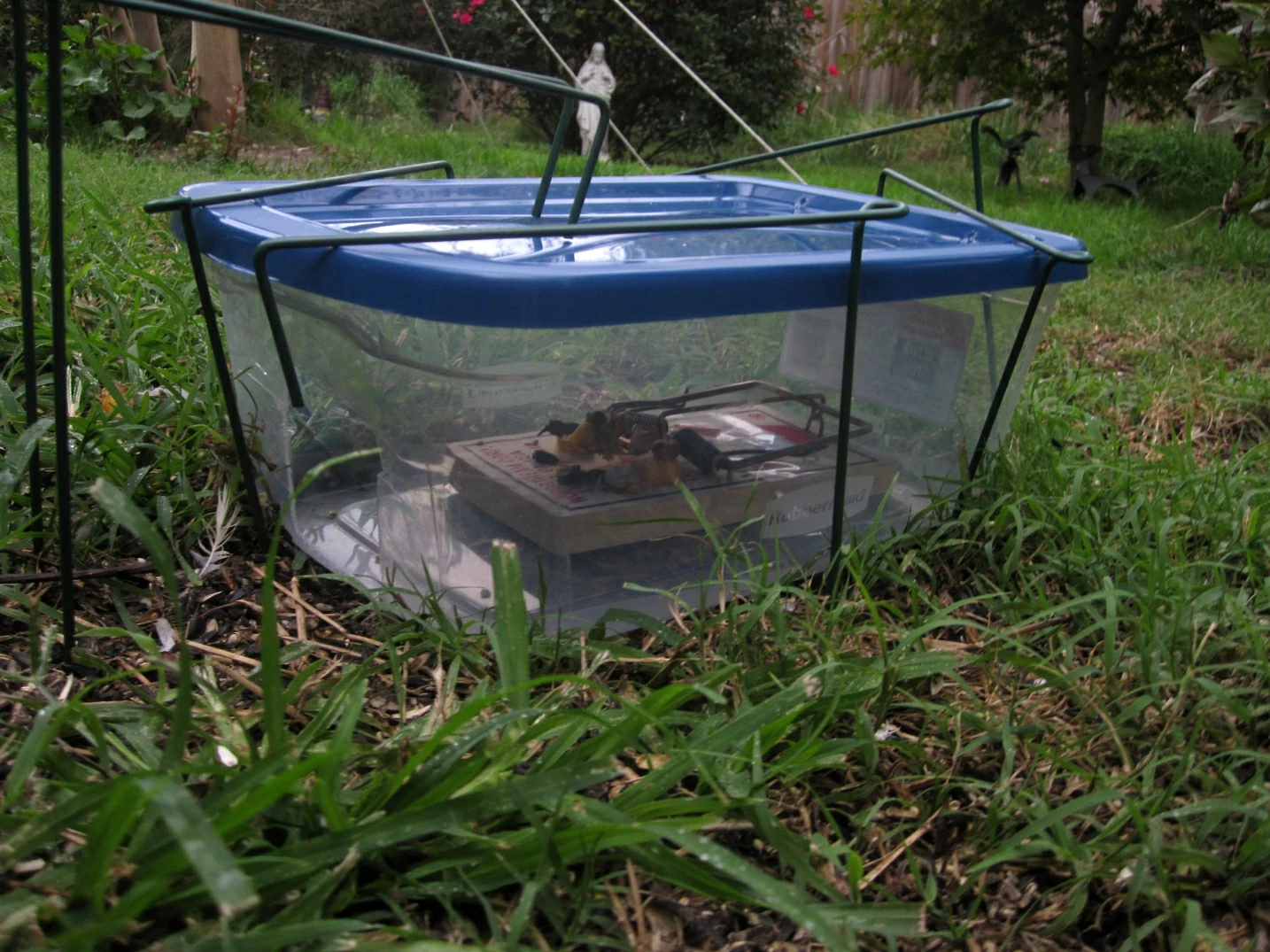
If you’ve got rats in your house or yard, setting a trap feels like the easy part. The hard part is knowing when to stop.
Do you pull the trap after a day with no luck? A week? A month? Getting this timing right actually matters a lot more than most people think.
You should leave a rat trap out for at least one to two weeks, even if it doesn’t catch anything right away. Rats are naturally cautious, so it often takes several days before they’ll go near a new object. If you still see no activity after two weeks, you can move the trap to a new spot.
The short version is patience. Rats don’t behave like mice, and they won’t just walk into danger because there’s food sitting there. You have to give them time to get comfortable, and that takes longer than most people expect.
Why Rats Take So Long to Approach a New Trap
Rats are naturally suspicious of anything new in their space. This is actually a survival trait, not stubbornness.
In the wild, anything unfamiliar could be a threat. So when a rat sees a strange object appear overnight (like your trap), its first instinct is to avoid it completely.
This behavior even has a name: neophobia, which just means a fear of new things. It’s why rats will often walk around a trap for days before they finally trust it enough to get close.

Because of this, giving up after one or two nights is one of the biggest mistakes people make. You haven’t failed. The rat just hasn’t warmed up to the idea yet.
This caution isn’t just about the trap itself either. Rats also notice changes in scent, and a brand new trap often smells like plastic, metal, or your hands from setting it up.
To a rat, that unfamiliar smell can be just as alarming as the shape of the object. Some pest experts even suggest wearing gloves when setting traps so you leave less human scent behind.
Over time, though, rain, dust, and general handling wear that smell down. This is actually one more reason traps tend to work better after they’ve been sitting out a while, rather than right when they’re brand new.
How Long Rats Usually Take to Approach a Trap
Most pest control experts agree that rats need somewhere between three days and two weeks before they’ll approach a new trap.
Younger or hungrier rats might take the bait sooner, sometimes within a day or two. Older, more cautious rats (the ones that have survived traps before) can take much longer.
This is also why baiting the trap without setting it first can help. When you leave food out without any snap risk attached to it, the rat learns the object is safe.
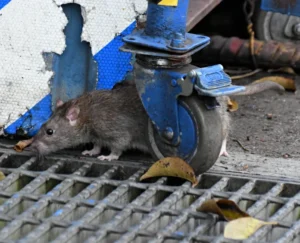
Once it’s used to visiting the trap for a free meal, you can go ahead and set it. At that point, the trap usually gets triggered a lot faster.
This approach is actually recommended by places like the CDC for anyone dealing with a stubborn rat problem. Pre-baiting takes a bit more patience upfront, but it saves you time overall.
Think of it like earning trust before asking for something in return. The rat has to believe the trap is just part of the environment before it’ll ever go near it while it’s actually set.
It also helps to leave the pre-baited trap in the exact spot you plan to use once it’s set. Moving it around during this stage can reset the rat’s trust and slow the whole process down.
Table: How Long to Leave a Rat Trap Out
| Situation | How Long to Wait |
|---|---|
| New trap, no bait pre-training | 1 to 2 weeks |
| Pre-baited trap (unset first) | 3 to 5 days before setting |
| No activity at all after 2 weeks | Move trap to a new location |
| Trap catches nothing but bait is gone | Rat is eating around it, reset carefully |
| Heavy infestation | Leave traps out continuously, check daily |
| Just one or two rats suspected | 1 to 2 weeks, then reassess |
This table isn’t a strict rulebook. Every home and every rat population is a little different. But it gives you a solid baseline so you’re not guessing.
A few things can speed the process up or slow it down. Weather is one of them. Cold weather often pushes rats indoors faster, looking for warmth and shelter, which can actually make them bolder around new objects.
Food availability matters too. If a rat has plenty of other food sources nearby, it has less reason to risk approaching your trap. Cutting off those extra food sources can make your trap far more appealing, much faster.
What It Means If the Bait Disappears But Nothing Gets Caught
This is one of the most frustrating situations, and it happens more than you’d think. You check the trap and the bait is gone, but the trap never went off.
This usually means the rat figured out how to eat the bait without setting off the trigger. Rats are smart, and they’re especially good at stealing food from things that look risky.
If this keeps happening, try moving the bait further back on the trigger plate. You can also switch bait types, since some rats prefer nut butter, while others go for seeds or dried fruit.

Another option is using a trap with a larger, more sensitive trigger area. This makes it much harder for the rat to reach the bait without setting it off.
It’s also worth checking how you’re attaching the bait in the first place. Loose bait sitting on top of the trigger plate is much easier to steal than bait that’s pressed firmly into place or tied on with thread.
Peanut butter works well for this reason. It sticks to the trigger plate, so the rat usually has to put real pressure on it to get a bite, which is exactly what sets the trap off.
If you keep losing bait no matter what you try, it might be worth switching to a different trap style entirely, like an electronic trap, which uses a sensor instead of a mechanical trigger.
Should You Move the Trap If Nothing Happens?
If you’ve left the trap out for two full weeks with zero activity, it’s probably time to move it.
This doesn’t always mean there are no rats around. It could just mean the trap is in the wrong spot.
Rats tend to travel along walls, edges, and hidden paths rather than open floor space. If your trap is sitting out in the middle of a room, that’s likely why it’s being ignored.
Move it closer to a wall, near a hole, or along a path where you’ve actually seen droppings or gnaw marks. Rats are creatures of habit, so placing the trap directly on their usual route makes a big difference.
Rats have poor eyesight, so they rely heavily on touch and smell to get around. This is why they almost always run along walls and edges instead of cutting across open space.
If you place the trap perpendicular to the wall, with the trigger end facing the wall, you’re far more likely to catch a rat as it runs past. This small placement detail matters more than most people realize.
It also helps to set up more than one trap at a time, spaced a few feet apart along the same wall or path. Rats often have more than one travel route, so covering a wider area increases your odds.
How to Know If You Actually Have Rats (Not Just One)
Before you decide how long to leave a trap out, it helps to know what you’re actually dealing with. Seeing one rat almost always means there are more.
Rats reproduce fast. A single female can have several litters a year, with up to a dozen babies each time.
So if you’ve spotted droppings, chewed wires, or greasy smudge marks along baseboards, you’re probably not dealing with just one rat. This also means you may need more than one trap to actually get ahead of the problem.

Signs to look for include small dark droppings (about the size of a grain of rice), gnaw marks on wood or wiring, and dark greasy rub marks along walls where rats travel repeatedly.
Another sign a lot of people miss is scratching or scurrying sounds at night. Rats are nocturnal, which means they sleep during the day and come out to eat and explore once it’s dark.
If you’re hearing noise in the walls, ceiling, or attic mostly at night, that’s a strong clue you’re dealing with rats rather than something like squirrels, which are usually active during the day.
Knowing the size of the problem helps you set realistic expectations. One trap for a whole nest of rats takes a lot longer than one trap for a stray rat.
Does Trap Type Change How Long You Should Wait?
Yes, actually. Not all traps behave the same way, and that changes how patient you need to be.
Snap traps are fast and effective once a rat commits to them, but they also require the most patience upfront because of that natural caution we talked about earlier.
Glue traps and live traps tend to work faster since rats can wander into them by accident. But many pest experts (and the CDC) actually recommend against using them, since they can cause the rat to panic and urinate, raising your risk of exposure to bacteria.
Bait stations, which use poison instead of a physical trap, work differently. The rat eats the bait and leaves, then dies somewhere else days later. This means you might not see results right away even if the bait is working.
Most rat poisons take anywhere from two to six days to actually work. So if you’re using a bait station, don’t panic if you don’t see dead rats right away.
The downside is that a poisoned rat might die somewhere hard to reach, like inside a wall or under the floor. This can lead to a bad smell for a few days until the process runs its course.
Because of this, a lot of people prefer snap traps for indoor use. You know right away if the trap worked, and there’s no risk of a rat dying somewhere out of sight.
What If You Still See Rats After a Month?
If a full month goes by and you’re still seeing rats, it’s a sign the problem is bigger than a few traps can handle.
At this point, it’s worth checking your home for entry points. Rats can squeeze through gaps as small as a coin, so sealing up cracks, gaps around pipes, and holes near the foundation is just as important as trapping.
You should also make sure there’s no easy access to food. Pet food left out overnight, unsealed trash, or crumbs on the counter can keep drawing rats back no matter how many traps you set.

If none of this helps, it’s probably time to call a pest control professional. Ongoing infestations, especially inside walls or attics, often need more than DIY traps to fully resolve.
A professional can also help you figure out where rats are actually nesting, not just where they’re feeding. Traps placed near a nest tend to work much faster than traps placed randomly around the house.
It’s worth remembering that trapping alone rarely solves a serious infestation on its own. Sealing entry points and removing food sources has to happen alongside trapping, or new rats will just keep replacing the ones you catch.
Think of trapping as treating the symptom, while sealing up your home treats the actual cause. You really need both working together to get lasting results.
Is It Safe to Leave Traps Out Around Kids or Pets?
This is a really important question, and the answer depends on the type of trap you’re using.
Snap traps can injure small fingers or paws if they’re placed somewhere a child or pet can reach. It’s best to place them in areas that are blocked off, like behind appliances, inside cabinets, or in crawl spaces.
If you’re using poison bait stations, these need to be completely inaccessible to kids and pets. Poison doesn’t just affect rats, and accidental exposure can be dangerous.
Many bait stations come in locked, tamper-resistant cases specifically for this reason. Still, it’s smart to place them somewhere pets and children simply can’t get to at all.

Curious dogs and cats are actually more likely to get hurt by traps than kids in most homes, simply because pets roam around more freely and investigate things with their nose or mouth first.
If you have pets, it’s worth checking traps a bit more often than you normally would. Catching a triggered trap early keeps both the pet and the trap area cleaner and safer.
How Often Should You Check the Trap While It’s Out?
Even though the trap might sit out for one to two weeks, that doesn’t mean you should ignore it the whole time.
Checking it every day or two lets you catch a rat quickly, refresh the bait if it’s gone stale, and reposition the trap if it seems like it’s being avoided.
Stale or dried out bait loses its smell over time, which makes it far less appealing to a rat with a sharp nose. Refreshing it every few days keeps the scent strong enough to actually draw rats in.
Daily checks also matter for hygiene and safety. A trapped rat left too long can start to smell, attract other pests, or become a health concern, especially in warmer weather.
Conclusion
So, how many days should you leave a rat trap out? In most cases, one to two weeks is a fair amount of time to see results, especially if you’re dealing with cautious or older rats.
Rats aren’t lazy or dumb when they avoid a trap. They’re being careful, and that caution is exactly what’s kept them alive this long.
If nothing happens after two weeks, don’t assume the trap failed. Move it to a new spot, try pre-baiting it, or switch up the bait entirely.
And if the problem keeps going after a month of consistent effort, that’s usually your sign to bring in a professional. Sometimes the smartest move isn’t a better trap. It’s knowing when to ask for help.

Hi, my name is Ezra Mushala, i have been interested animals all my life. I am the main author and editor here at snakeinformer.com.