
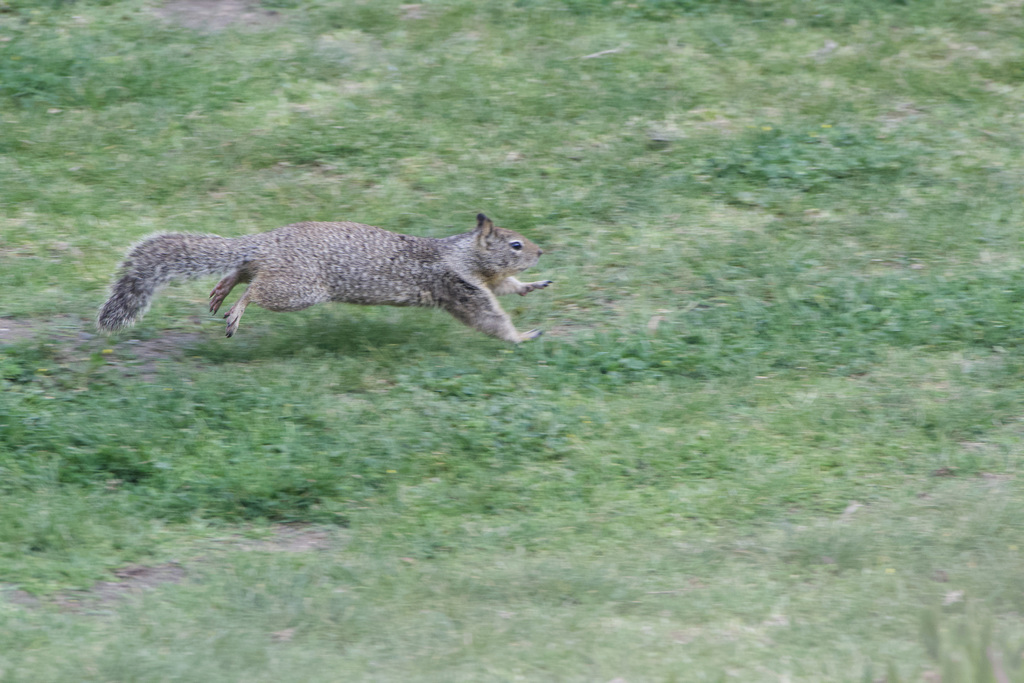
If you’ve put rat poison in your attic because you think rats are getting in, you might start wondering what else could get to it.
Squirrels can get into attics too, especially if there’s a gap around the roof, a damaged vent, or another opening.
So will squirrels eat rat poison if they find it in your attic?
Yes, squirrels can eat rat poison in an attic. They’re not specifically looking for rat poison, but many rodent baits contain grains, seeds, fats, or other food ingredients that can attract squirrels. A squirrel that finds the bait may ignore it, but it can also eat enough to become seriously poisoned.
That doesn’t mean every squirrel that gets into your attic will go straight for the bait.
A squirrel may have plenty of food outside and completely ignore it.
But you also can’t assume the poison will only be eaten by the rats you’re trying to control.
If squirrels are getting into the same attic, they’re another animal that can potentially come across the bait.
Why Would a Squirrel Eat Rat Poison?
Rat poison is made to attract rodents. And squirrels are rodents too.
That doesn’t mean squirrels will automatically eat every type of rat poison.
Different baits contain different ingredients, and some may be much more interesting to a squirrel than others.
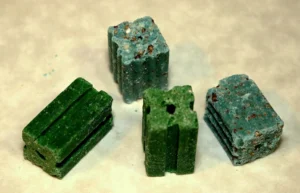
Many rodent baits use food ingredients to make them appealing to rats.
Depending on the product, that can include things like grains, seeds, or fats.
Those aren’t exactly strange foods to a squirrel.
A squirrel doesn’t know that something is called “rat poison.”
If it finds something that smells or looks like food, it may investigate it.
It might sniff it and walk away. It might take a small bite. Or it might eat more than you expected.
That’s why you shouldn’t assume that squirrels will automatically avoid rat bait.
Are Squirrels Attracted to Rat Poison?
Not necessarily. Squirrels aren’t walking around looking specifically for rat poison. They’re looking for food.
If they already have easy access to nuts, seeds, fruits, and other food outside, they may have very little interest in a strange piece of bait sitting in an attic.
This is probably one reason why a squirrel can live around rat poison without ever touching it.
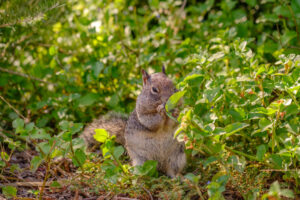
But that doesn’t make the bait safe for squirrels.
Their behavior can change depending on what’s available.
A hungry or curious squirrel may investigate something it normally wouldn’t bother with.
The type of bait matters too.
Some rat poisons are made into blocks or pellets with food-based ingredients.
Others have different formulations and may be less interesting to a squirrel.
So there’s no simple rule that says squirrels will always eat rat poison or always avoid it.
Can Squirrels Smell Rat Poison?
Squirrels have a good sense of smell and use it when looking for food.
So a squirrel may be able to detect bait in an attic.
But smelling it doesn’t necessarily mean it’ll eat it.
The squirrel may investigate the smell and decide that it isn’t interested.
It may also recognize the food-like smell and take a bite.
This is why the smell of the bait isn’t really the main issue.
The bigger issue is access.
If a squirrel can easily reach the bait, there’s at least a chance it will investigate it.
If it’s kept somewhere the squirrel can’t reach, that risk is much lower.
Will Squirrels Eat Rat Poison Before Rats Do?
There’s no way to guarantee which animal will find the bait first.
If rats and squirrels are both using the same attic, either one could come across it.
The rat might find it first.
The squirrel might find it first.
They might both find it.
Or the squirrel might ignore it completely while the rats eat it.
A squirrel eating rat poison also doesn’t mean the rats won’t eat it.
Both animals can investigate food-based bait, although their interest in a particular product can vary.
So if you’ve noticed squirrels in your attic, it’s better to think of the bait as something that both animals might potentially access rather than assuming it’s available only to rats.
What Happens If a Squirrel Eats Rat Poison?
That depends on what type of rat poison it eats.
There are several different types of rodenticide, and they don’t all work the same way.
Anticoagulant rat poisons interfere with the body’s ability to clot blood normally.
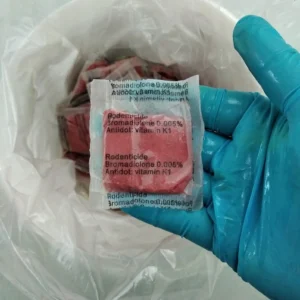
Other rodenticides work through completely different mechanisms.
Because of that, you can’t tell what will happen to a squirrel just from knowing that it ate “rat poison.”
The active ingredient matters.
The amount matters too.
A squirrel that eats a tiny amount of one product isn’t necessarily going to have the same outcome as a squirrel that eats a larger amount of another product.
That’s why the product label is important if you think a squirrel has eaten bait.
Knowing the active ingredient gives a wildlife professional or veterinarian much more useful information about what was involved.
Can Rat Poison Kill a Squirrel?
Yes.
Rat poison isn’t harmless to squirrels simply because the label says it’s for rats.
Many rodenticides are toxic to other mammals too.
Squirrels are mammals, so they can be poisoned if they consume enough of certain rodenticides.
The exact risk depends on the active ingredient, the amount eaten, and the size of the animal.
This is also why squirrels are considered a potential non-target animal when rodent bait is being used.
The poison doesn’t somehow stop working when a squirrel eats it.
It’s still a toxic substance.
What If a Squirrel Eats the Rat Poison in Your Attic?
If you know a squirrel has eaten rat poison, don’t try to catch or handle the animal yourself.
A sick or frightened wild animal can still bite or scratch.
Instead, contact a local wildlife professional, veterinarian, or wildlife rehabilitator for advice.\

Try to keep the package or take note of the product name and active ingredient.
That information can be useful when figuring out what the squirrel was exposed to.
Don’t assume that a squirrel is fine just because it looks normal afterward.
Some types of rodenticide don’t cause obvious signs immediately.
The amount of time before symptoms appear can depend on the particular poison involved.
Could a Poisoned Squirrel Die in the Attic?
Unfortunately, yes.
And this is one of the bigger concerns when squirrels and rat poison are sharing the same enclosed space.
Rat poisons don’t necessarily kill an animal immediately.
Depending on the type of poison, the squirrel may remain active for some time after eating the bait.
If it normally uses your attic as a nesting or resting area, it may stay there while it becomes sick.
That creates a chance that it could die somewhere you can’t easily reach.
It could end up inside insulation, behind a wall, or in another hidden part of the attic.
Once an animal dies inside a building, decomposition can create a strong smell and make cleanup much more difficult.
So even if your original goal was simply to get rid of rats, squirrels in the same space create another problem to think about.
Why Would a Squirrel Be in My Attic Anyway?
Squirrels usually don’t move into an attic because they’re looking for rat poison.
They’re looking for shelter.
An attic gives them protection from weather and predators, along with plenty of material for building a nest.
They can get inside through surprisingly small openings.
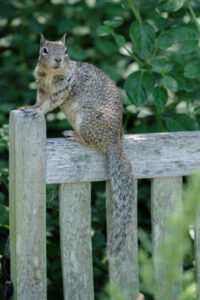
Gaps around roof edges, damaged vents, holes near the eaves, and other openings can all give them access.
Once a squirrel finds a way inside, it may keep using the same opening to come and go.
This means a squirrel in your attic may still be going outside regularly to find food.
That’s important because it explains why a squirrel may ignore rat poison for days.
It may simply have better food waiting for it outside.
What If the Squirrel Has Plenty of Food Outside?
This can make it less likely that a squirrel will bother with rat bait.
A squirrel that can easily leave your attic and find nuts, seeds, fruit, or other natural foods may not be very interested in unfamiliar bait.
The attic may simply be where it sleeps or raises young.
Its actual food source can still be outside.
But this isn’t something you should rely on.
Wild animals don’t always behave predictably.
A squirrel may investigate something new even when it has plenty of other food available.
It only takes one squirrel deciding to eat the bait for accidental poisoning to become a concern.
Does Rat Poison Attract Squirrels?
It can, but I wouldn’t say that rat poison generally attracts squirrels in the same way that natural squirrel food does.
Squirrels aren’t searching for poison.
They’re searching for things they can eat.
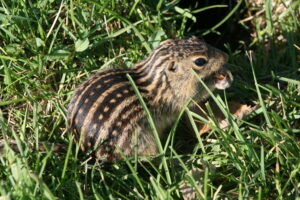
If the bait contains ingredients that resemble food, the squirrel may investigate it.
If it doesn’t seem interesting, the squirrel may walk right past it.
This is why saying “squirrels will eat rat poison” doesn’t mean every squirrel will eat it.
The more accurate answer is that squirrels can eat rat poison if they come across it.
That’s the part that matters if you’re using it in an attic where squirrels are also present.
What If I Only Put the Rat Poison Where Rats Travel?
This can reduce the chance of a squirrel coming across it, but it doesn’t automatically eliminate the risk.
Squirrels can move around surprisingly well.
They can climb, jump, squeeze through openings, and reach areas that might seem difficult to access.
An attic also isn’t necessarily divided into neat areas where rats stay on one side and squirrels stay on the other.
Both animals may move through the same spaces.
If you’re using rodent bait, following the product’s label instructions and using the recommended baiting equipment is important.
Keeping bait secured can also reduce the chance of other animals getting access to it.
The goal is to make the bait available to the intended target while reducing unnecessary exposure to everything else.
What If There Are Both Rats and Squirrels in the Attic?
This is a situation where it’s especially useful to figure out exactly what’s happening.
Rats and squirrels can both make scratching and running noises in an attic.
But they’re active at different times and leave different signs.
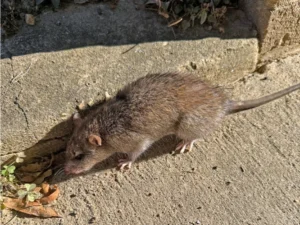
Squirrels are usually active during the day.
Rats are mostly active at night.
That isn’t a perfect way to identify them, but it’s a useful clue.
Squirrel droppings are generally larger and more rounded, while rat droppings are smaller and more elongated.
The sounds can be different too.
Squirrels can make loud running and jumping noises across the attic.
Rats tend to produce more consistent scratching, gnawing, and movement sounds.
If both animals are present, you don’t want to assume that everything you’re hearing is caused by rats.
You could end up putting out bait for rats while another animal is regularly moving through the same area.
How Do You Keep Squirrels Away From Rat Poison?
The most important thing is to prevent squirrels from having easy access to the bait.
Using the product exactly as directed on its label is important.
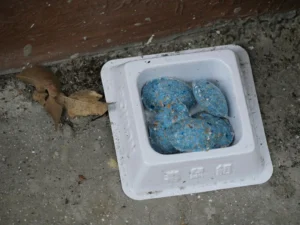
Bait should also be kept in the type of secured bait station or placement method recommended for that product.
This is much better than simply leaving loose bait where any animal can reach it.
It’s also worth dealing with the reason squirrels can get into the attic in the first place.
Check around roof edges, vents, eaves, and other possible entry points.
If squirrels can freely enter and leave, they’ll continue to have opportunities to encounter anything placed inside.
However, don’t seal an opening while you’re certain squirrels are still inside.
A trapped animal can create a much bigger problem.
What If a Squirrel Eats the Bait and Leaves?
A squirrel doesn’t necessarily have to die inside your attic just because it ate rat poison there.
It may leave afterward and return outside.
But that doesn’t mean the poisoning risk disappears.
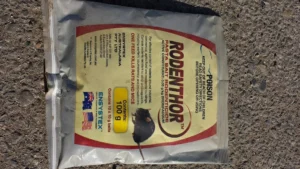
Depending on the type of rodenticide, the animal may become sick later.
This can also create concerns for other animals if a poisoned squirrel is later caught by a predator.
The exact risk depends heavily on the active ingredient and the circumstances.
That’s another reason not to treat rodent bait as something that only affects the animal you originally intended to control.
Should You Remove Rat Poison If Squirrels Are in the Attic?
If you discover that squirrels are also using the attic, it’s worth reconsidering how you’re handling the rat problem.
That doesn’t necessarily mean every situation requires the same solution.
The first thing to figure out is what animals are actually present.
If you’re dealing with rats, you want a method that controls the rats while reducing unnecessary exposure to squirrels and other animals.
If you’re dealing with both, the situation may require separate approaches.
A pest control professional can help identify the animals and determine how they’re getting into the space.
This can be especially useful if you’re finding signs from more than one species.
Why You Shouldn’t Assume Rat Poison Only Affects Rats
The name can make rat poison sound more specific than it really is.
It’s called rat poison because it’s used to control rats.
That doesn’t mean rats are the only animals that can be poisoned by it.
Other mammals can be affected too.
Squirrels are one example.
Pets and other wildlife can also be at risk if they get access to bait.
This is why rodenticide should always be treated as a toxic substance rather than ordinary food.
The fact that a squirrel might ignore it doesn’t make it safe.
The important thing is reducing the chance that the squirrel can get to it in the first place.
Conclusion
Squirrels can eat rat poison in an attic, even when you’ve placed the bait there specifically to deal with rats.
They may ignore it because they have plenty of natural food outside, but some squirrels may investigate food-based bait and eat it.
If they eat enough, they can be seriously poisoned or killed.
So if you’ve got both rats and squirrels using your attic, don’t assume that the bait is only going to affect the rats.
The type of rat poison matters, the way it’s placed matters, and how easily the squirrels can reach it matters too.
Using secured baiting methods according to the product label can help reduce accidental exposure.
It’s also worth confirming that rats really are the animals you’re hearing before relying on rat poison in the first place.
A squirrel doesn’t know that the bait was put there for rats.
If it looks or smells like food, it may decide to investigate it.

Hi, my name is Ezra Mushala, i have been interested animals all my life. I am the main author and editor here at snakeinformer.com.