
Finding out a squirrel may have eaten rat poison is a stressful moment.
Whether it’s a squirrel in your yard, one you’re rehabilitating, or a pet you keep at home, it’s natural to want a clear answer right away.
It’s natural to want a clear answer right away.
So if a squirrel eats rat poison, will it actually die?
Yes, a squirrel can die from eating rat poison, but it depends on how much it ate and which type of poison was used. Most rat poison works slowly, taking one to seven days to cause death. Not every squirrel that nibbles a small amount will die, but a large enough dose is often fatal without treatment.
The outcome really comes down to dose, poison type, and how quickly the situation is caught.
None of these factors are things you can know for certain just by watching from a distance.
Why the Amount Eaten Matters So Much
Rat poison isn’t an instant, all-or-nothing kind of toxin.
The outcome depends heavily on how much a squirrel actually consumed relative to its body weight.
Squirrels are small animals, typically weighing between half a pound and a pound and a half depending on the species.
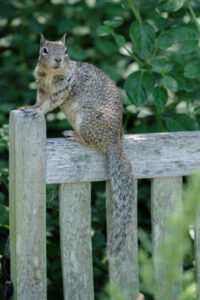
This small body size means it doesn’t take a large amount of poison to reach a dangerous dose.
A squirrel that only takes a small taste, out of curiosity rather than actually eating a meaningful portion, may not ingest enough to cause serious harm.
Its body might be able to process a small amount without lasting damage.
However, a squirrel that eats a substantial portion of bait, especially from a second generation anticoagulant, is at serious risk.
These products are specifically designed to be lethal after just one good feeding.
How the Type of Poison Changes the Outcome
Not all rat poison works the same way, and the specific product involved has a big impact on both the likelihood of death and how quickly it happens.
First generation anticoagulants, like warfarin and diphacinone, generally require multiple feedings over several days to reach a lethal dose.
A squirrel that eats bait once and never returns may not get enough to die from this type.
Second generation anticoagulants, like brodifacoum, bromadiolone, and difethialone, are far more potent.
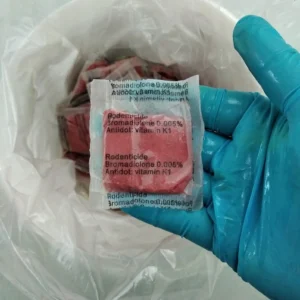
These are designed to be lethal from a single feeding, which makes them significantly more dangerous to non-target animals like squirrels.
Non-anticoagulant poisons, like bromethalin, work differently by affecting the nervous system rather than blood clotting.
These can also be dangerous in smaller amounts, depending on the concentration in the specific product used.
Cholecalciferol based products are a less common but still available type.
They cause a dangerous buildup of calcium in the blood and organs, which can also be fatal if enough is consumed.
What Actually Kills a Squirrel After Poisoning?
Understanding the mechanism behind rat poison helps explain why the process takes time rather than happening immediately after ingestion.
With anticoagulant poisons, the chemical blocks the body’s ability to use vitamin K, which is essential for producing the proteins that allow blood to clot properly.
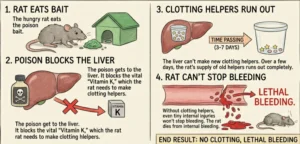
Without functioning clotting factors, even minor everyday injuries inside the body can turn into serious, ongoing internal bleeding.
These are the kind of injuries that would normally heal without any issue at all.
Over several days, this bleeding can become severe enough to cause organ failure.
This happens mainly due to blood loss and a lack of oxygen reaching important organs as the bleeding progresses.
This is fundamentally different from something like a fast acting toxin.
The squirrel’s body essentially loses its ability to repair itself internally, and the damage compounds over time rather than happening all at once.
The Timeline: How Long Does It Take?
If a squirrel has eaten a lethal dose, the timeline tof death isn’t immediate.
Knowing what to expect can help you understand what’s happening if you’re monitoring a squirrel showing symptoms.
In the first day or two after ingestion, a poisoned squirrel typically shows no visible symptoms at all.
It usually continues eating, moving, and behaving normally, giving no outward sign anything is wrong.
Around days two through four, subtle symptoms may start to show up.
This includes reduced appetite, slightly slower movement, or mild lethargy that could easily be mistaken for the squirrel simply resting.
By days four through seven, more obvious symptoms typically develop.
This includes visible weakness, unsteady movement, pale gums, and sometimes visible bleeding from the nose or gums.
In the final stage, severe internal bleeding leads to extreme weakness, difficulty breathing, and eventually death.
This usually happens somewhere between five and ten days after the poison was originally eaten, though it can vary based on dose and poison type.
Can a Poisoned Squirrel Survive If Caught Early?
Survival is possible, particularly if the poisoning is caught before symptoms become severe.
Successful treatment requires professional care, though, not home remedies.
For anticoagulant poisoning specifically, vitamin K1 is the standard veterinary treatment.

It directly counters how the poison blocks the body’s clotting ability, allowing normal blood clotting to resume over time.
Treatment often needs to continue for several weeks, even after the squirrel seems to be recovering.
The poison can remain active in the body longer than the visible symptoms might suggest.
For non-anticoagulant poisons like bromethalin, treatment is more complicated and generally less effective.
There’s no direct antidote, so supportive care is typically the main option available.
The earlier treatment begins, the better the outcome tends to be.
A squirrel brought to a wildlife rehabilitator within the first day or two of exposure has a meaningfully better chance.
That’s compared to one that isn’t found until symptoms are already severe.
Signs a Squirrel Is Dying From Rat Poison
If you’re trying to figure out whether a squirrel you’re watching might be suffering from rodenticide poisoning, there are several signs worth watching for.
Early signs are subtle and easy to miss.
This includes slightly reduced activity, spending more time resting than usual, or seeming a bit less alert than a typical healthy squirrel.
As the poisoning advances, more noticeable signs develop, like stumbling or uncoordinated movement.
Labored breathing and a general reluctance to move much at all are also common.
Visible bleeding is a serious warning sign at any stage.
This can appear as blood around the nose or mouth, blood in urine or stool, or unexplained bruising visible on the skin.
In the final stages, a squirrel may become almost entirely unresponsive.
Extreme lethargy and little reaction to nearby movement or sound typically means the poisoning has progressed very far.
What to Do If You Find a Poisoned Squirrel
If you come across a squirrel you believe has eaten rat poison, taking the right steps quickly can meaningfully improve its chances of survival.
Contact a licensed wildlife rehabilitator as soon as possible.
Most areas have at least one rehabilitator who accepts injured or sick wildlife.
Many can be found through a quick search, or by contacting a local veterinarian for a referral.
Avoid handling the squirrel more than necessary, since a sick or frightened wild animal can still bite or scratch, even when it seems too weak to move much.
If possible, note any details that might help a rehabilitator.
That includes how long ago you first noticed the symptoms, what kind of poison might be involved, and any specific symptoms you’ve seen.
Don’t attempt to treat the squirrel yourself with home remedies or over the counter products.
Anticoagulant poisoning requires a specific veterinary treatment that isn’t available without professional care.
Does Every Squirrel That Eats Rat Poison Die?
Not necessarily, and it’s worth understanding why outcomes can vary so much from one situation to the next.
A squirrel that eats only a very small amount, well below a lethal dose for its body weight, may show no symptoms at all and recover without any noticeable effects.
The specific poison matters too.
A small dose of a first generation anticoagulant is far less dangerous than the same small dose of a potent second generation product like brodifacoum.
Individual factors can also play a role, including the squirrel’s overall health, age, and body condition heading into the exposure.
A healthier squirrel may have slightly more capacity to handle a borderline dose than one that was already unwell.
Ultimately, without knowing the exact amount eaten and the specific product involved, it’s impossible to predict the outcome with certainty.
This is exactly why monitoring for symptoms and seeking professional help matters so much.
How Veterinarians Confirm Rodenticide Poisoning
If a squirrel does make it to a wildlife rehabilitator or veterinarian, there are specific tests used to confirm rodenticide poisoning.
These are more reliable than relying on symptoms alone.
A clotting time test, often called a PT test, measures how long it takes blood to clot.

With anticoagulant poisoning, this time is significantly extended compared to a healthy animal, which helps confirm the diagnosis.
Blood tests can also reveal anemia, a shortage of red blood cells, which often develops as a result of the internal bleeding caused by the poison over several days.
In some cases, especially if the animal doesn’t survive, a necropsy can help confirm the cause.
This is an examination performed after death, similar to an autopsy in humans, that checks for the specific pattern of internal bleeding these poisons cause.
Knowing the exact poison involved, if possible, helps guide treatment.
Different rodenticides sometimes require different approaches, so knowing whether it’s an anticoagulant or a different type changes what a vet will do next.
Why Squirrels Can React Differently to the Same Dose
Two squirrels of similar size that eat the same amount of poison won’t necessarily have identical outcomes, and a few factors help explain why.
Age plays a role.
Very young squirrels and older squirrels often have less physical resilience overall, which can make them more vulnerable to the same dose than a healthy adult.
Existing health conditions matter too.
A squirrel already dealing with an infection, injury, or poor nutrition has less physical reserve to draw on while its body copes with the damage.
Individual variation in how quickly a squirrel’s body processes and eliminates toxins can also play a role.
This is similar to how different people react differently to the same medication or dose of alcohol.
This variability is part of why it’s never possible to say with complete certainty whether a specific amount of poison will be fatal for a particular squirrel.
Too many individual factors are involved.
What This Means If You’re Trying to Help an Injured Squirrel
If you’re currently caring for or observing a squirrel you believe was exposed to rat poison, there are a few practical things worth keeping in mind.
Time matters more than almost anything else in these situations.
The sooner a squirrel receives proper veterinary care, the better its chances.
This is particularly true for anticoagulant poisoning, where vitamin K1 treatment works well when started early.
Avoid giving the squirrel food or water beyond what it would normally have access to.
Introducing anything unfamiliar could complicate its condition or get in the way of treatment a veterinarian might need to give.
Keep the squirrel in a quiet, low stress environment while you arrange for professional help.
Additional stress can worsen its condition and make handling riskier for both of you.
If you’re unable to reach a wildlife rehabilitator immediately, many veterinary clinics can also provide emergency guidance.
Some will accept wildlife for treatment, even if they don’t typically treat squirrels as a regular part of their practice.
Does the Time of Year Affect Survival Chances?
The season a poisoning occurs in can have a subtle effect on a squirrel’s overall chances.
This mostly comes down to factors somewhat separate from the poison itself.
During colder months, a poisoned squirrel already has to work harder to maintain its body temperature.
This adds extra strain to a body already dealing with the effects of the poison.
Natural food availability also shifts by season.
A squirrel with easy access to nutritious food during recovery may fare somewhat better than one poisoned during a lean season when food is already scarce.
None of these seasonal factors change the underlying mechanism of the poison itself.
But they can influence overall resilience, particularly in borderline cases where a squirrel’s body is already working hard to cope with normal seasonal demands.
Why Prevention Matters More Than Treatment
Given everything involved in treating a poisoned squirrel, prevention is genuinely the better strategy whenever possible.
This includes the difficulty of catching poisoning early and the weeks of follow up care often required.
If you’re using rat poison on your property and know squirrels are present, take a few precautions upfront.
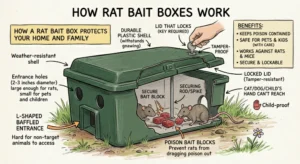
Securing bait stations and choosing less potent poison types is far easier than dealing with a sick squirrel later.
For anyone caring for wild squirrels or living near active rodent control, simply being aware of the signs described here helps a lot.
You’re much more likely to catch a problem early if one does happen.
Ultimately, most squirrels never come across rat poison at all, and the vast majority go about their lives without ever being exposed to it.
Still, knowing what to watch for, and what to do if the worst happens, is worth understanding for anyone who spends time around squirrels regularly.
That’s true whether it’s in your own backyard or as part of caring for wildlife more broadly.
Conclusion
A squirrel that eats rat poison can die from it, but the outcome depends on how much was eaten and which type of poison was involved.
Getting a clear picture of the specific situation matters far more than assuming the worst automatically.
How quickly the situation is caught matters too.
Death from anticoagulant poisoning typically takes several days to a week, rather than happening immediately.
Survival is possible, especially with early veterinary treatment involving vitamin K1 for anticoagulant exposure.
Modern veterinary care has come a long way in treating this specific kind of poisoning.
The odds improve significantly the sooner the poisoning is identified and addressed.
If you suspect a squirrel near you has eaten rat poison, watch for the signs described here. Acting quickly makes a real difference.
Contacting a wildlife rehabilitator as soon as possible gives it the best realistic chance of survival.

Hi, my name is Ezra Mushala, i have been interested animals all my life. I am the main author and editor here at snakeinformer.com.