
If you’ve been looking into rat poison options, you’ve probably come across cholecalciferol. It’s sold under brand names like Quintox, Rampage, and Terad3.
It works in a very different way than most other rat poisons on the market. Unlike the anticoagulant baits most people are familiar with, cholecalciferol doesn’t cause a rat to bleed to death.
So how does cholecalciferol rat poison actually work?
Cholecalciferol rat poison is a form of vitamin D3. When a rat eats it, the vitamin D3 causes calcium levels in the blood to rise to dangerous levels. This condition, called hypercalcemia, damages the organs and usually kills the rat within 3 to 7 days.
In other words, this poison doesn’t attack the rat directly. It messes with the body’s calcium system until the calcium itself becomes the thing that causes death.
That might sound strange. So let’s break down exactly what happens inside a rat’s body once it eats this bait.
What Cholecalciferol Actually Is
Cholecalciferol is just the chemical name for vitamin D3. It’s the same vitamin your body makes when your skin gets sunlight.
It’s also the same one you’ll find in a bottle of vitamin D supplements at the pharmacy. In small, normal amounts, vitamin D3 is completely safe and necessary.
Your body uses it to absorb calcium from food and keep your bones strong. Without enough of it, bones become weak and brittle over time.
Rat poison makers took this helpful vitamin and used it in a very different way. Instead of a small daily dose, rat bait delivers a massive dose all at once, or over just a couple of days of feeding.
Most cholecalciferol rat baits contain the active ingredient at a concentration of about 0.075%. That might sound like a tiny amount.
But for a small animal like a rat, it’s an overwhelming dose of vitamin D3. It’s far more than any body, rat or otherwise, could safely handle.
How Cholecalciferol Causes Hypercalcemia
Here’s where the science gets interesting, and it’s worth understanding step by step. Vitamin D3’s main job in the body is to help pull calcium out of food and out of bone, then move it into the bloodstream.
Normally, this is a helpful, closely controlled system. Your body only pulls out as much calcium as it actually needs, then it stops.
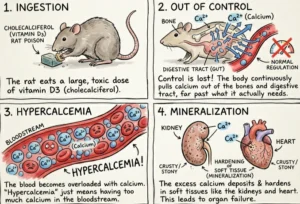
When a rat eats a large dose of cholecalciferol, that control disappears completely. The body keeps pulling calcium out of the bones and out of the digestive tract, way past what it actually needs.
This flood of calcium into the blood is called hypercalcemia. That word just means having way too much calcium floating around in your bloodstream.
Calcium is supposed to stay mostly locked inside bones and teeth, not loose in the blood. Once calcium levels get high enough, it starts causing damage almost everywhere in the body.
The extra calcium doesn’t just sit there quietly, either. It starts to harden and build up in soft tissue that was never meant to hold that much calcium.
Why This Damage Is So Deadly
Think of it this way. Calcium is supposed to build hard, solid structures like bones and teeth.
When it ends up in the wrong places, like the kidneys, lungs, heart, and blood vessels, it starts turning those soft tissues hard too. This process is called mineralization.
Basically, it’s the body’s own calcium turning against its organs. The kidneys are usually hit the hardest out of everything.
As calcium deposits build up inside the kidneys, they lose their ability to filter blood and remove waste. This leads to acute kidney failure.
Kidney failure is one of the main causes of death in cholecalciferol poisoning. The heart and blood vessels take heavy damage too.
As calcium builds up in the walls of blood vessels, they become stiff. This makes it much harder for the heart to pump blood the way it’s supposed to.
The buildup also messes with the heart’s normal rhythm. Heart muscle relies on a very sensitive electrical balance, and high blood calcium throws that balance off completely.
The lungs take a hit as well. They can become stiff and have a harder time moving air properly.
This adds even more strain on a body that’s already struggling to keep up.
What Happens to the Rat as the Poison Takes Effect?
A rat that’s eaten a lethal dose of cholecalciferol won’t die right away. Unlike some poisons that act fast, this one takes several days to fully run its course.
Death usually happens somewhere between 3 and 7 days after a rat eats a lethal dose. In the first day or so, the rat probably won’t show any obvious signs at all.
This delay is actually part of what makes cholecalciferol effective as a pest control tool. As calcium levels keep climbing, the rat starts to lose its appetite.
This works in the poison’s favor from a pest control standpoint. A rat with no interest in food will stop eating other things around your home too, not just the bait.
Weakness and lethargy set in next. The rat also tends to drink and urinate more than usual, since its kidneys are struggling to manage all that extra calcium.
The rat becomes noticeably less active during this stage. It also starts to isolate itself, often hiding away instead of moving around like usual.
In the final stage, kidney failure and heart problems really take hold. The rat becomes extremely weak and mostly stops eating and drinking.
Eventually, it dies. The cause is usually a mix of kidney failure and heart strain. The widespread damage that calcium buildup causes throughout its body plays a big part too.
Why Rats Can’t Build Up Resistance to It
One reason cholecalciferol has become more popular in recent years comes down to resistance. Older rat poisons, especially first generation anticoagulants like warfarin, have been used so widely for so long that many rat populations have developed a genetic resistance to them.
Cholecalciferol works completely differently, so that kind of resistance doesn’t really apply here. It’s messing with a basic biological process that every single rat depends on to survive: calcium regulation.
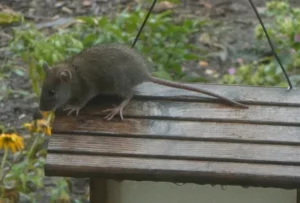
That’s a very different target than a blood clotting pathway. Blood clotting genes can shift and adapt across rat generations, but a rat’s need to keep its calcium levels in balance isn’t something evolution can easily work around.
This is a big part of why pest control companies have leaned into cholecalciferol more. It’s especially useful in areas where rats have already built up resistance to older anticoagulant baits.
How This Differs from Anticoagulant Rat Poisons
Most people are more familiar with anticoagulant rat poisons like bromadiolone, brodifacoum, or warfarin. These work by blocking the rat’s ability to use vitamin K, which its body needs to form blood clots.
Over several days, the rat’s blood loses its ability to clot properly. Eventually, the rat dies from internal bleeding.
Cholecalciferol takes a completely different path to a similar result. It still kills the rat over several days rather than instantly, but through calcium overload instead of blood loss.
There’s one major practical difference worth knowing about here. Anticoagulant poisoning has a known antidote, vitamin K1, which vets can give to a pet that’s eaten the bait.
Cholecalciferol poisoning has no antidote at all. Once a pet has eaten a toxic amount, treatment focuses on managing the calcium overload directly.
That approach is harder to manage, takes longer, and usually costs a lot more at the vet.
Is Cholecalciferol Safer for Pets and Wildlife?
This is a common question, and the honest answer is: it’s complicated. In one specific way, cholecalciferol actually carries a lower risk of secondary poisoning than older rat poisons do.
Secondary poisoning happens when a predator eats a rodent that’s already been poisoned. Owls, hawks, and family pets can all be at risk this way.

With anticoagulants, rats often keep eating bait for several days before they die. That means dangerously high levels of poison can build up in their bodies over that time.
Cholecalciferol works differently here too. Since it causes rats to lose their appetite fairly early in the process, poisoned rats tend to have less of the toxin built up in their system.
Research on barn owls backs this up. In one study, owls fed poisoned rats over several days stayed completely healthy throughout the test.
However, dogs are a clear exception to all of this. Dogs are highly sensitive to cholecalciferol, whether they eat the bait directly or eat a poisoned rodent.
Even a small amount of bait can cause serious, sometimes fatal poisoning in a dog. And since there’s no antidote, there’s no quick fix once it happens.
This is exactly why cholecalciferol bait should always go in tamper resistant bait stations. It should also be kept far out of reach of any pets, especially dogs, at all times.
Signs Your Pet Might Have Gotten Into It
Knowing what to watch for can make a real difference if a pet gets into cholecalciferol bait. The tricky part is that symptoms usually don’t show up right away.
In the first day or two after a pet eats it, you might not notice anything unusual at all. This delay is one of the most dangerous parts of cholecalciferol poisoning, since owners often don’t realize anything is wrong until real damage has already started.
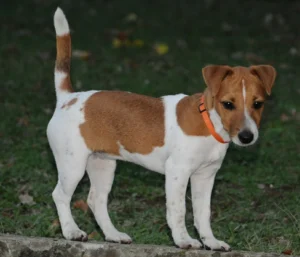
As calcium levels start climbing, early signs tend to include increased thirst and more frequent urination. You might also notice your pet seems unusually tired or just isn’t acting like themselves.
Loss of appetite is another common early sign, along with vomiting. As things progress, symptoms can turn more serious, including weakness, tremors, and signs of stomach pain.
If you know or even just suspect your pet ate cholecalciferol bait, don’t wait for symptoms before acting.
Getting treatment early, before calcium levels spike, gives your pet a much better chance at a full recovery. It really can be the difference between a manageable case and a life threatening one.
Where You’ll Usually Find Cholecalciferol Rat Poison
Cholecalciferol is most often sold as a soft bait, though you’ll also find it as hard blocks or pellets. Common brand names in the US and Canada include Quintox, Terad3, and Ortho Rat-B-Gon.
Pest control companies also use it professionally. This is especially true in situations where anticoagulant resistant rats have become a bigger, more stubborn problem to deal with.
How EPA Rules Have Shaped Where You’ll Find It
Back in 2008, the EPA made a major change to how rat poisons get sold in the US. Second generation anticoagulants like brodifacoum and bromadiolone, the strongest and longest lasting anticoagulant poisons, got pulled from store shelves for everyday consumers.
Those products are now mostly limited to licensed pest control professionals. But cholecalciferol wasn’t included in that restriction.
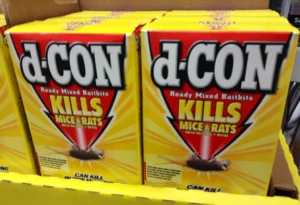
It’s still sold directly to homeowners at hardware stores and online, as long as it comes in a tamper resistant bait station and a package of one pound or less. Because of this, cholecalciferol has actually become more common in homes over the past decade or so.
This is worth knowing if you have pets. As the stronger anticoagulants became harder for regular people to buy, more households turned to cholecalciferol and bromethalin instead.
Veterinary groups have pointed something out about this shift. More pets are now being exposed to a poison with no antidote, simply because it’s easier to legally get a hold of than the alternatives.
How It Compares to Bromethalin, the Other Common Option
Cholecalciferol isn’t the only non-anticoagulant poison available to homeowners. Bromethalin is the other major option, and it’s actually become the most common cause of rodenticide poisoning in pets since the 2008 EPA restrictions took effect.
Bromethalin works in a completely different way from cholecalciferol. Instead of messing with calcium, it messes with how brain cells produce energy.
This causes fluid to build up around the brain, a condition called cerebral edema. In plain terms, it means the brain swells inside the skull, which leads to tremors, weakness, and sometimes seizures.
Both poisons share one thing in common: neither has a specific antidote. But they cause very different symptoms, so treatment looks different depending on which one a pet has gotten into.
This is exactly why it matters to know which active ingredient is in the bait you’re using. If a pet ever eats some, telling your vet the exact product name and active ingredient can genuinely speed up treatment.
Conclusion
Cholecalciferol rat poison works by flooding a rat’s body with way more vitamin D3 than it can safely handle. This causes calcium levels in the blood to spike to dangerous levels.
That condition, hypercalcemia, damages the kidneys, heart, and blood vessels over the course of several days. Unlike anticoagulant poisons that cause internal bleeding, cholecalciferol kills through calcium overload and organ failure.
It usually takes 3 to 7 days for a rat to die after eating a lethal amount. It’s become a popular option partly because rats can’t build genetic resistance to it the way they have with older anticoagulant baits.
Still, it comes with real trade offs worth knowing about. There’s no antidote if a pet gets into it, and dogs in particular are highly sensitive to its effects.
If you’re using cholecalciferol bait at home, keep it in a locked or tamper resistant bait station. Make sure it stays well out of reach of children and pets at all times.
And if you ever suspect a pet has eaten any amount of it, don’t wait around to see if symptoms show up. Call your vet or an animal poison control line right away, since early treatment makes a real difference in the outcome.

Hi, my name is Ezra Mushala, i have been interested animals all my life. I am the main author and editor here at snakeinformer.com.