
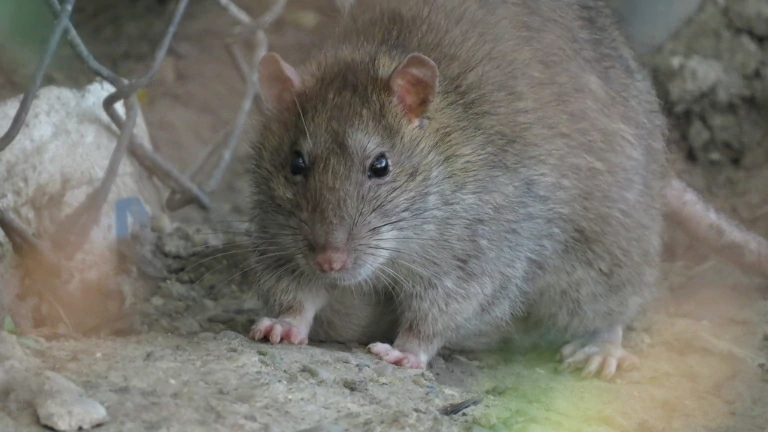
Cholecalciferol has become one of the more popular rat poisons sold to homeowners in the US and Canada. This is especially true since some of the stronger anticoagulant poisons got pulled from consumer shelves.
But popularity and performance aren’t always the same thing. Before you count on it to solve a rat problem, it helps to know how well it actually works.
So how effective is cholecalciferol rat poison?
Cholecalciferol rat poison is moderately to highly effective. Mortality rates in studies range from about 70% to 100%, depending on the formulation and how much bait the rats actually eat. It works especially well against rats resistant to older anticoagulant poisons.
That’s a pretty wide range. The reason for it comes down to a few real factors: bait quality, how much the rats eat, and whether they’ve been exposed to it before.
Let’s get into what actually determines how well this poison performs.
What “Effective” Actually Means for Rat Poison
Before getting into numbers, it helps to define what effectiveness even means here. For rat poison, this usually comes down to two things: what percentage of the rat population dies, and how much bait it takes to get there.
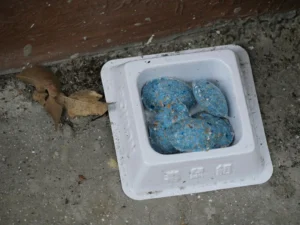
A poison that kills every rat but needs huge amounts of bait to work isn’t very practical. On the other hand, a poison that’s cheap and easy to use but only kills half the rats isn’t solving your problem either.
Good rat poison needs to balance both. It should kill a high percentage of the population using a reasonable amount of bait.
It also shouldn’t let rats catch on and start avoiding it.
Real Mortality Rates From Research
In one well known study on wild wood rats, cholecalciferol bait achieved a mortality rate of about 71%. That was actually higher than the warfarin bait tested in the same study.
Warfarin is one of the oldest and weakest anticoagulant poisons. It only managed a mortality rate of about 46% in that research.

Other studies on more refined, modern cholecalciferol formulations report far better results. In laboratory trials using an improved, more appealing bait, researchers recorded 100% mortality in rats within just 4 days.
Field trials backed this up too. They showed complete population control within about 7 days of baiting.
So the honest answer is that cholecalciferol’s effectiveness depends heavily on the specific product. Older or poorly made cholecalciferol baits tend to perform worse than newer ones built to be more appealing to rats.
Why Bait Quality Makes Such a Big Difference
This might be the single biggest factor in how well cholecalciferol actually performs. Cholecalciferol on its own doesn’t taste great to rats, and older formulations really struggled with this.
Rats are naturally cautious eaters. If a bait tastes off or makes them feel sick without killing them, they’ll often remember that and avoid it going forward.
This is called bait shyness, and it’s a well documented problem specific to cholecalciferol. A rat that eats a small, less than lethal amount and gets mildly sick from it may never touch that bait again, even if you keep refilling the station.
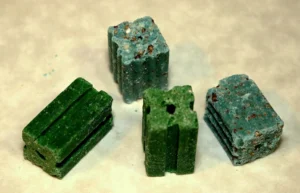
This is very different from how anticoagulant poisons work. Since those don’t cause any immediate symptoms, rats don’t connect the bait to feeling sick.
That means they keep coming back and eating more over several days, which actually works in the poison’s favor.
Because of this, manufacturers have worked hard in recent years to improve cholecalciferol’s taste and appeal. Newer formulations use better attractants and flavoring to get rats eating a lethal dose before bait shyness has a chance to set in.
If you’re using an older or generic cholecalciferol product, don’t be surprised if results feel less consistent. A newer, better formulated brand tends to perform noticeably better in real world use.
How It Performs Against Resistant Rats
This is where cholecalciferol truly shines, and it’s the main reason it’s grown in popularity. Rat populations in many parts of the US and Canada have built up a genetic resistance to older anticoagulant poisons, especially first generation ones like warfarin.
Some populations have even developed partial resistance to second generation anticoagulants like brodifacoum. When that happens, those poisons stop working reliably, no matter how much bait a rat eats.
Cholecalciferol sidesteps this problem entirely. Since it works through calcium overload rather than blood clotting, the genetic mutations that make rats resistant to anticoagulants simply don’t apply here.
In studies specifically testing cholecalciferol against anticoagulant resistant rat strains, mortality rates reached 100% within just a few days of feeding. This makes it one of the most reliable options out there.
That’s especially true when you’re dealing with a rat population that anticoagulants haven’t been able to touch.
How Long Does It Take to See Results?
Cholecalciferol is considered a sub-acute rodenticide. That just means it works faster than slow acting anticoagulants, but not as instantly as fast acting poisons like zinc phosphide.
Most research points to death happening somewhere between 2 and 8 days after a rat eats a lethal dose. Well made, modern baits tend to land on the faster end of that range.
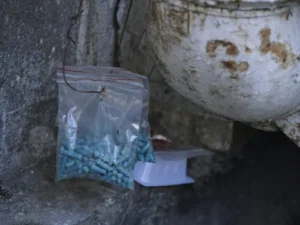
This timeline actually matters for a couple of reasons. A faster time to death means less time for rats to keep breeding and causing damage while the poison takes effect.
It also tends to mean less bait gets eaten overall. Rats naturally slow down eating as symptoms progress.
That, in turn, can lower the risk of a pet or wild predator getting poisoned from eating a dying rat.
Cholecalciferol vs Anticoagulants: Which Actually Works Better
There’s no single answer here, since it really depends on your specific rat problem. Against anticoagulant resistant rats, cholecalciferol clearly performs better, sometimes dramatically so.
Against rats with no resistance built up, well made second generation anticoagulants like brodifacoum or bromadiolone still tend to be extremely effective. They often reach close to 100% mortality with proper bait placement.
However, those stronger anticoagulants aren’t sold directly to regular consumers anymore in the US. They’re now restricted to licensed pest control professionals because of their higher risk to wildlife and pets.
This leaves most homeowners choosing between cholecalciferol, bromethalin, and first generation anticoagulants like diphacinone. Those older anticoagulants tend to be weaker and more prone to resistance issues.
Among the options available to regular consumers, cholecalciferol often comes out ahead. That’s assuming you’re using a well made, appealing formulation, not an older or cheaper one.
Factors That Can Lower Its Effectiveness
A few real world conditions can drag down how well cholecalciferol performs, even with a good product. Competing food sources are one of the biggest issues.
If rats have easy access to pet food, bird seed, garbage, or other food nearby, they may simply prefer that over the bait. No poison works well if rats aren’t actually eating enough of it.

Bait placement matters just as much. Bait needs to go along active rat pathways, near nesting areas, or close to entry points, not just wherever seems convenient for you.
Rats also tend to avoid new objects in their environment at first. This behavior is called neophobia, and it just means being cautious around anything unfamiliar.
Because of this, bait stations sometimes need a few days before rats start approaching them regularly. This can make the poison look slower or less effective than it actually is early on.
Weather and moisture can degrade bait over time too, especially outdoors. Bait should be checked and replaced regularly to stay effective.
Tips to Get the Best Results
If you want cholecalciferol to work as effectively as possible, a few practical habits make a real difference. Use multiple bait stations rather than just one or two.
Rats are far more likely to come across bait if it’s placed at several points along their usual paths. Keep bait fresh and dry, and replace it if it becomes moldy, hardened, or dirty.
Try to reduce competing food sources around your home as much as you reasonably can. This pushes rats toward the bait instead of away from it.
Above all, be patient. Cholecalciferol takes several days to work.
Don’t assume it has failed just because you’re not seeing dead rats within a day or two.
How Cholecalciferol Compares to Snap Traps and Other Methods
Poison isn’t the only option, and it’s worth understanding how cholecalciferol stacks up against other common approaches. Snap traps and electronic traps kill instantly, with no waiting period and no risk of a rat dying somewhere hidden in your walls.
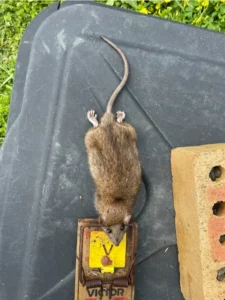
However, traps only catch one rat at a time and need to be checked, reset, and moved around regularly. For a small, localized problem, traps can actually outperform poison in terms of speed and certainty.
For larger infestations, cholecalciferol bait tends to be more practical. It works on multiple rats at once without you needing to actively manage each one.
The trade off is the waiting period, along with a small chance that a rat dies somewhere out of sight. That can lead to an unpleasant smell for a few days.
How to Tell If the Bait Is Actually Working
Since cholecalciferol takes days to kill a rat, it’s easy to assume it isn’t working when you don’t see immediate results. There are a few signs worth watching for instead of just waiting to see dead rats.
Check the bait itself regularly. If it’s being eaten down and the level keeps dropping, that’s a solid sign rats are actively feeding on it.
Watch for a drop in rat activity around your home. Less scratching in walls, fewer droppings, and less chewed packaging all suggest the population is shrinking.
You also may notice a temporary smell in hard to reach areas like wall cavities, attics, or crawl spaces. This usually means a rat has died somewhere out of sight, which is a normal part of the process even though it isn’t pleasant.
If you’re refilling bait constantly with no drop in activity after a couple of weeks, something is off. At that point, it’s worth reconsidering bait placement or checking for competing food sources. Trying a different product altogether is also worth considering.
Does Cost Affect How Well It Works?
Price differences between cholecalciferol products can be significant, and this often does point to real differences in quality. Cheaper, generic bait is more likely to use an older, less palatable cholecalciferol formulation, the kind more prone to bait shyness.
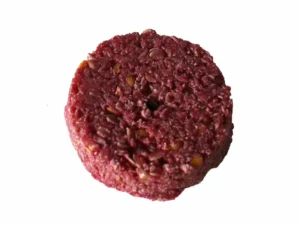
Pricier, name brand products often use improved flavoring and attractants designed specifically to get rats eating a lethal dose quickly. In this case, spending a bit more upfront can genuinely save you time and frustration.
That said, price alone isn’t a perfect guide. It’s worth looking at the actual product label. Where possible, checking for any published efficacy data or reviews from other users dealing with a similar rat problem can help too.
Does Season or Location Affect How Well It Works?
Timing and location can genuinely change how well cholecalciferol performs, even with a great product. Fall and winter tend to be the most effective seasons to bait, since rats are actively seeking food and shelter as outdoor sources dry up.
During these colder months, rats are more motivated to explore new food sources, including bait stations. Natural options like seeds and insects become much harder to find outdoors.
In warmer months, rats often have more natural food available, so bait may face more competition. This doesn’t mean cholecalciferol stops working in summer.
It just means it may take a bit longer, or need more consistent placement, to get the same results.
Location matters too. Rats living in and around homes, barns, or other structures tend to come across bait stations more predictably than rats in open fields.
Rats in open agricultural land simply have more space and more food options to roam between. This is part of why cholecalciferol tends to show its strongest, most consistent results in urban and suburban pest control.
Large scale outdoor agricultural use is a tougher environment for any bait to compete in.
Conclusion
Cholecalciferol rat poison is a genuinely effective option. Real world mortality rates range from around 70% in older formulations to close to 100% in newer, better formulated baits.
It performs especially well against anticoagulant resistant rat populations, which is a major reason it’s grown more popular over the past decade. Its biggest weakness is bait shyness.
This is a real risk if rats eat a small amount, get sick without dying, then learn to avoid the bait afterward. This is exactly why bait quality and formulation matter so much when comparing different cholecalciferol products on the shelf.
For most homeowners dealing with a stubborn rat problem, especially one that hasn’t responded to older poisons, cholecalciferol is a solid choice. Just make sure you’re using a well made product, placing bait properly, and giving it enough time to work before judging the results.
And as always, keep it in a tamper resistant bait station. Make sure it stays well out of reach of pets and children, since there’s no antidote if something other than a rat gets into it.

Hi, my name is Ezra Mushala, i have been interested animals all my life. I am the main author and editor here at snakeinformer.com.