
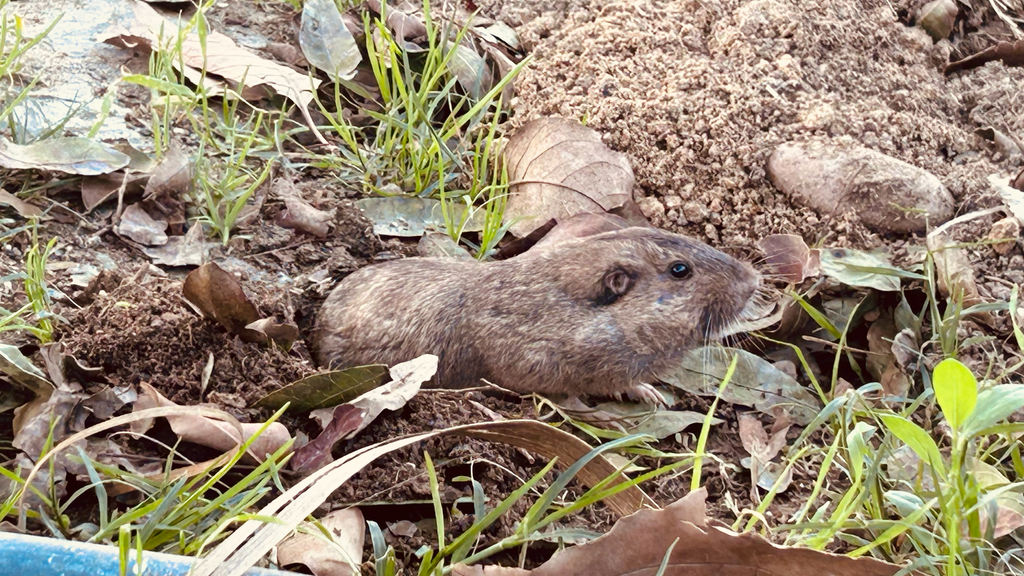
Gophers can destroy a garden in no time, digging tunnels and eating plants from the roots up. If you already have rat poison on hand for dealing with rodents, you might wonder if it’ll work on gophers too. After all, they’re both rodents, right? So will gophers eat rat poison?
Gophers might eat rat poison if they come across it, but they’re much less likely to than rats. Gophers spend most of their time underground eating roots and plants, so they rarely encounter poison blocks placed on the surface. Even underground, gophers prefer fresh plant material over processed bait blocks.
Getting gophers to actually eat rat poison is difficult, and even if they do, you’ll face serious problems with secondary poisoning of pets and wildlife. There are much better ways to deal with gophers.
Gophers Are Different from Rats
Gophers and rats are both rodents, but they have very different lifestyles and eating habits. Understanding these differences explains why rat poison often fails with gophers.
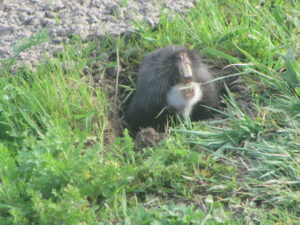
Rats are omnivores that eat almost anything. They actively search for food above ground and aren’t picky about what they consume. They’ll happily eat grain-based poison blocks.
Gophers are herbivores that eat only plants. They live almost entirely underground and get their food from roots, tubers, and underground plant parts. They rarely come to the surface.
Where Gophers Spend Their Time
Gophers live in complex underground tunnel systems. They create these tunnels to find food, not to travel to different locations like rats do.
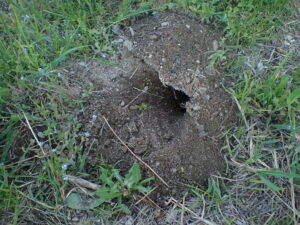
A gopher will dig a tunnel, eat all the roots it encounters along the way, and then dig a new tunnel in a different direction. It might dig hundreds of feet of tunnels without ever coming above ground.
Because gophers stay underground so much, placing rat poison on the surface (where most people put it) won’t reach them at all.
What Gophers Actually Eat
Gophers have very specific food preferences. They eat roots, bulbs, tubers, and underground stems. Their favorites include carrots, potatoes, sweet potatoes, and the roots of most garden plants.
Above ground, they’ll occasionally pull whole plants down into their tunnels by the stem. But this is relatively rare compared to how much they eat underground.
Gophers don’t naturally eat grains, seeds, or anything processed. This makes grain-based rat poison blocks unappealing to them even if they encounter them.
Can You Put Rat Poison in Gopher Tunnels?
Some people try to solve the access problem by putting rat poison blocks directly into gopher tunnels. This sometimes works, but it creates huge problems.
First, the gopher might just push the poison block out of its tunnel. Gophers are very particular about keeping their tunnels clean and will remove anything that doesn’t belong.
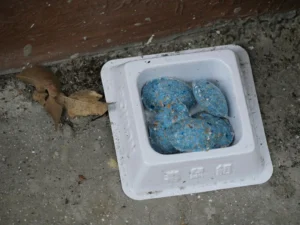
Second, if the poison stays in the tunnel and the gopher does eat it, the gopher will die somewhere in its underground tunnel system. You’ll never find the body.
Third, other animals use gopher tunnels. Snakes, lizards, ground squirrels, and even small rabbits will enter abandoned or active gopher tunnels. If they find the poison, they might eat it.
The Secondary Poisoning Problem with Gophers
Even if you successfully poison a gopher, you’ve created a toxic time bomb underground. When the gopher dies in its tunnel, predators that hunt gophers will find it.
Snakes are major gopher predators. Many snake species will enter gopher tunnels looking for prey. If they find and eat a poisoned gopher, they’ll die too.
Owls, hawks, foxes, coyotes, and even house cats dig up gopher tunnels to get at the gophers inside. All of these animals can be poisoned by eating a gopher that ate rat poison.
Why Rat Poison Usually Fails on Gophers
Beyond the access and preference issues, there’s another reason rat poison often doesn’t work on gophers: timing.
Most rat poisons are designed to be eaten multiple times over several days. Rats visit bait stations repeatedly until they’ve consumed a lethal dose.
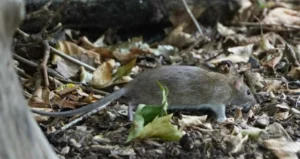
Gophers don’t work that way. If a gopher encounters something in its tunnel, it either eats it once or removes it. It won’t keep coming back to the same food source day after day.
This means even if a gopher finds rat poison and takes a bite, it might not eat enough to actually die from it.
Special Gopher Baits vs. Rat Poison
There are products specifically made for gophers that work much better than regular rat poison. These are formulated differently to appeal to gopher food preferences.
Gopher baits often contain strychnine (which is banned for rat poison but still allowed for underground use against gophers) or zinc phosphide. These work faster than anticoagulant rat poisons.
The baits are also shaped and flavored to mimic the roots and plants gophers naturally eat. They’re much more likely to be consumed than grain-based rat poison blocks.
How to Actually Use Bait for Gophers
If you decide to use poison bait for gophers (whether rat poison or gopher-specific bait), you need to place it correctly or it won’t work.
Find an active gopher tunnel by probing the ground with a metal rod. Active tunnels will have a hollow space about 6 to 12 inches below the surface.
Dig down to expose the tunnel, place the bait inside, and cover the hole with a board or piece of sod to block light. Gophers will plug holes that let in light, and they might bury the bait in the process.
Check the tunnel after 24 hours. If the bait is gone, the gopher might have eaten it (or just pushed it out of another tunnel opening).
The Problems with Any Poison for Gophers
Whether you use rat poison or gopher-specific bait, poisoning gophers creates problems that go beyond just the gopher.
You never know where the gopher will die. It might die deep in its tunnel where it becomes food for predators, or it might die near the surface where a pet could dig it up.
Pets, especially dogs, love to dig up gopher tunnels. If your dog digs up a poisoned gopher and eats it, you’ll have a very expensive emergency vet bill.

Poisoned gophers can take days to die, and during that time they might travel through tunnel systems that connect to other properties. Your neighbor’s pet could end up eating a gopher you poisoned.
Better Alternatives to Poison for Gophers
Trapping is far more effective and safer than poison for controlling gophers. Gopher traps are specifically designed to work in tunnels.
The most common types are pincer traps (like the Cinch trap) and box traps (like the Gophinator). Both kill gophers quickly when placed correctly in active tunnels.
Trapping lets you remove the dead gopher instead of leaving it underground to poison other animals. It’s also reusable, so one trap can catch multiple gophers.
Using Barriers and Exclusion
If you’re protecting a specific area like a vegetable garden or flower bed, physical barriers work great and don’t require killing anything.
Bury hardware cloth (wire mesh) around the perimeter of the area you want to protect. It should go at least 2 feet deep and extend 6 inches above the surface.
Gophers can chew through plastic, but they can’t chew through metal mesh. This creates a permanent barrier that keeps them out.
Natural Gopher Deterrents
Some plants naturally repel gophers. While these aren’t 100% effective, they can help reduce gopher activity.
Gophers avoid areas with strong-smelling plants like lavender, rosemary, and oleander. Planting these around the edges of gardens can provide some protection.
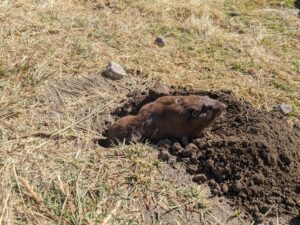
Castor oil-based repellents can also make soil taste bad to gophers. You spray or spread these on the ground, and they soak in. Gophers dislike the taste and move elsewhere.
Why Gopher-Specific Methods Matter
Gophers aren’t just small rats. They’re specialized animals with unique behaviors, and controlling them requires understanding those behaviors.
Methods that work great for rats (llike poison blocks in bait stations) often fail completely with gophers. You end up wasting money and possibly harming other animals without solving your gopher problem.
If you’re serious about getting rid of gophers, invest in the right tools and methods for gophers specifically, not just whatever happens to be in your garage.
Conclusion
Gophers might eat rat poison if they encounter it in their tunnels, but they’re far less likely to than rats. Gophers prefer fresh plant material and spend most of their time underground where they won’t find surface-placed poison.
Even if you manage to get a gopher to eat rat poison, you create serious secondary poisoning risks for pets and wildlife without the certainty of actually solving your gopher problem.
Trapping, barriers, and gopher-specific control methods work much better than rat poison and don’t create the same dangers. If you’re dealing with gophers, use tools designed for gophers.

Hi, my name is Ezra Mushala, i have been interested animals all my life. I am the main author and editor here at snakeinformer.com.