
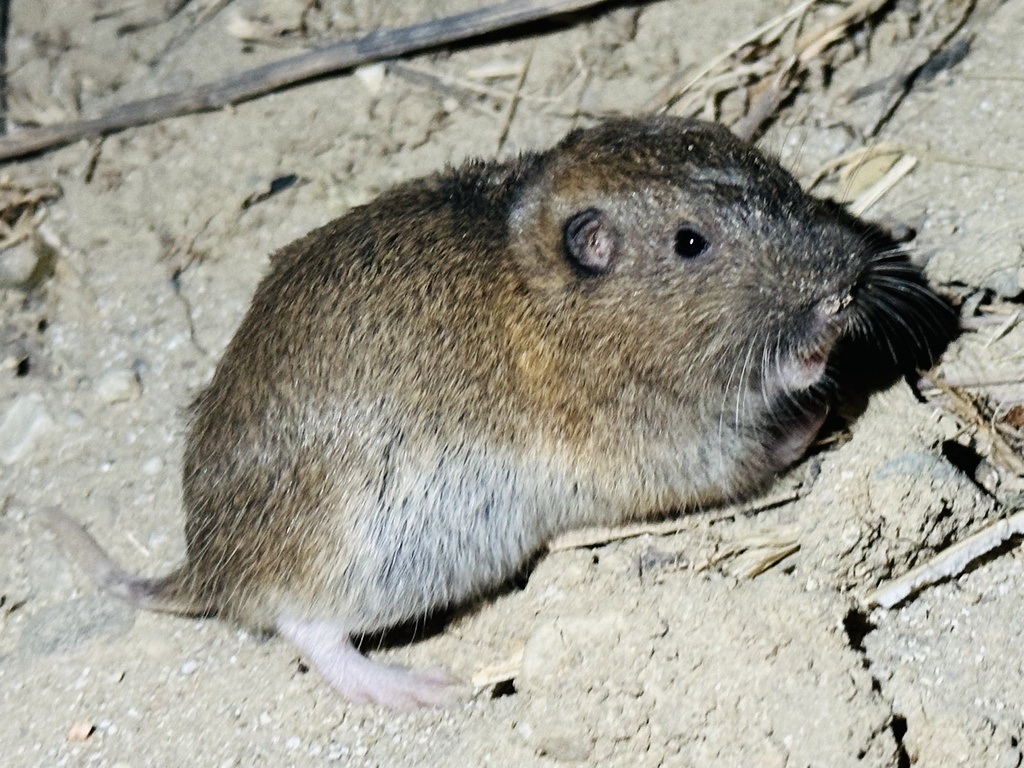
Gophers are destroying your lawn and garden with their tunnels and mounds. You’ve tried a few things, but nothing seems to work.
You have rat poison in your garage and you’re wondering if it would work on gophers too. After all, they’re both rodents that dig tunnels, so maybe the same poison would kill both. Can you use rat poison for gophers?
No, you shouldn’t use rat poison for gophers. Gophers won’t eat most rat poisons because these products are made with grains and seeds, which aren’t what gophers naturally eat. Gophers mainly eat plant roots, bulbs, and vegetables. Even if a gopher did eat rat poison, it often won’t kill them because they process toxins differently than rats.
Using rat poison for gophers is mostly just a waste of money. The gophers will ignore it or push it aside in their tunnels. You’ll spend time and money on poison that doesn’t solve your gopher problem, while the gophers keep destroying your yard.
Why Rat Poison Doesn’t Work on Gophers
The main reason rat poison fails with gophers is that gophers have totally different eating habits than rats. Understanding what gophers eat explains why they won’t touch rat poison.
Gophers are herbivores. They eat plants, not grains or seeds. Their diet consists mainly of roots, tubers, bulbs, and the underground parts of plants. They pull entire plants down into their tunnels by the roots and eat them there.
Rat poison is designed to attract rats, which are omnivores that eat grains, seeds, nuts, and protein-based foods.
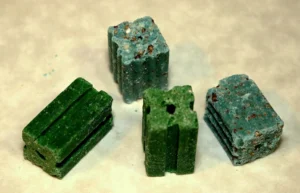
Poison blocks are made from grains like wheat or oats, mixed with peanut butter, fish meal, or molasses. These smells and tastes attract rats but mean nothing to gophers.
A gopher living in your yard is surrounded by its favorite foods: plant roots, carrots, potatoes, flower bulbs, and lawn grass roots. Why would it eat a strange-smelling grain block when there’s fresh food everywhere?
Gophers also have really keen senses. They can smell food through soil and are very picky about what they eat. If something doesn’t smell like a plant they recognize, they won’t eat it. Rat poison smells chemical and wrong to a gopher.
Even if you somehow got a gopher to eat rat poison (which is unlikely), the dosage might not be right. Rat poison is formulated for rats, which have different body weights and metabolisms than gophers.
What kills a rat might only make a gopher sick, or might not affect them at all.
How Gophers Are Different From Rats
Gophers and rats are both rodents, but that’s about where the similarities end. These animals have completely different lifestyles, diets, and behaviors.
Gophers spend almost their entire lives underground. They dig extensive tunnel systems and rarely come to the surface. When they do surface, it’s usually just to push out dirt or grab nearby plants to pull underground.
Rats live above ground or in structures. They build nests in walls, attics, and other sheltered spots. They travel on the surface to find food and water.
Gophers are solitary animals. Each gopher has its own tunnel system and doesn’t share territory with other gophers except during breeding. Rats are social and often live in groups.
The way they eat is different too. Gophers eat while sitting in their tunnels. They pull plants down through the soil and consume them underground. Rats grab food and carry it back to their nest, or eat it where they find it.
Gophers have specialized teeth and claws for digging. Their front teeth stick out and can cut through roots and soil. Their claws are like shovels. Rats have smaller teeth designed for gnawing and hands that are good for climbing and manipulating objects.
These differences mean that what works for rats won’t work for gophers. You need gopher-specific solutions, not rat solutions.
What Actually Works for Killing Gophers
If rat poison doesn’t work, what does? There are several effective methods for getting rid of gophers, though none of them involve rat poison.
Gopher-specific poison is available and actually works. Unlike rat poison, gopher bait is designed to look and taste like the plants gophers naturally eat. It’s made to smell like roots and vegetables, not grains.
Brands like Kaput and Gopher Gopher make baits that are shaped like carrots or worms and scented with plant-based attractants. These trick gophers into eating them. The active ingredient is usually strychnine or zinc phosphide, which are effective on gophers.
Gopher traps are really effective if you know how to use them. There are several types including pincher traps, choker traps, and box traps. You set these in active tunnels, and they kill the gopher when it passes through.
The key with traps is finding active tunnels. Gophers use some tunnels regularly and others they’ve abandoned. You can test this by collapsing a small section of tunnel and checking the next day. If it’s been reopened, that’s an active tunnel.
Some people flood gopher tunnels with water or exhaust fumes. This can work but often just drives the gopher to a different part of your yard. Gophers are good swimmers and can escape flooding.
Castor oil-based repellents make your yard taste bad to gophers. You spray these on your lawn and the gophers leave to find better-tasting territory. This doesn’t kill them, just relocates the problem.
Why People Try Rat Poison on Gophers
It makes sense why people think rat poison might work on gophers. Both animals are rodents that cause property damage by digging. If you already have rat poison and you see gopher holes, it’s tempting to try it.
Hardware stores often display rat poison and gopher products in the same section. This creates the impression that they’re interchangeable. People assume “rodent poison is rodent poison” without realizing the products are formulated differently.
Rat poison is usually cheaper and easier to find than gopher-specific products. A box of rat poison costs $15 to $25, while gopher poison might be $20 to $35. People want to save money and use what they already have.
There’s also confusion about burrows versus tunnels. Some people see holes in their yard and assume they have rats, when they actually have gophers. They use rat poison thinking they’re treating the right pest.
Internet advice and old wives’ tales spread misinformation too. Someone might post “I put rat poison in the gopher holes and they went away,” but the gophers probably left for other reasons. People read this and think it works.
Problems With Using Rat Poison for Gophers
Even though rat poison won’t kill gophers effectively, using it can still create problems. It’s not just ineffective, it’s also potentially harmful.
The biggest problem is poisoning other animals. When you put rat poison in gopher tunnels, other animals might eat it. Mice, ground squirrels, and rats might find the poison and eat it.
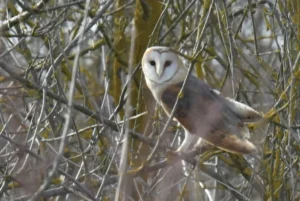
Birds and predators can be poisoned too. Hawks, owls, foxes, coyotes, and bobcats all hunt gophers and other small rodents. If they eat an animal that’s eaten rat poison, they get poisoned through secondary exposure.
Your pets are at risk. Dogs and cats are curious about gopher holes and might dig into tunnels looking for the animals. If they find rat poison in the tunnels, they might eat it.
Using rat poison in the ground can contaminate soil. When it rains, the poison can wash into your garden and lawn. Some types of rat poison contain chemicals that persist in the environment.
You’re also wasting money. Gopher-specific products cost about the same as rat poison, but they actually work. Spending money on rat poison that doesn’t solve your gopher problem means you’ll have to spend more money later on something that does work.
How to Tell If You Have Gophers or Rats
Before you try any pest control method, you need to know what you’re dealing with. Gophers and rats leave different signs, and identifying them correctly helps you choose the right solution.
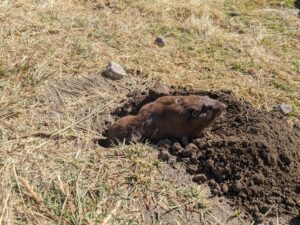
Gopher mounds are fan-shaped or crescent-shaped piles of dirt. The dirt is usually soft and fresh, pushed up from below. The mound has a plugged hole on one side where the gopher pushed the dirt out.
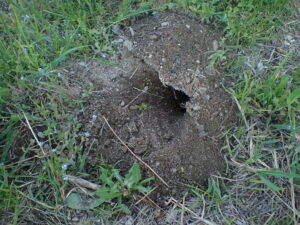
Rat burrows are different. They’re round holes about 2 to 4 inches across with smooth, worn edges. The dirt around the entrance is packed down from repeated use.
Gopher tunnels are closed systems underground. You won’t see open holes leading into the ground, just the mounds where dirt was pushed up. Gophers plug their tunnel entrances from inside.
Rats leave open holes that lead to their burrows. You can often see into the entrance, and there might be tracks or droppings near the hole.
Gopher damage focuses on plants. You’ll see plants that suddenly wilt and die, or vegetables that disappear from your garden. This happens because gophers ate the roots or pulled the whole plant underground.
Rat damage is different. Rats gnaw on wood, wires, and structures. They leave droppings along walls and paths. They contaminate food. If your problem is mainly dead plants and lawn damage, you probably have gophers.
The time of day matters too. Gophers are most active in the morning and evening. Rats are mostly active at night. If you see fresh mounds appearing during the day, that’s a gopher.
Gopher-Specific Poison: How It’s Different
Understanding how gopher poison differs from rat poison helps explain why you need the right product for the right pest.
Gopher poison is formulated to smell and taste like plants. It might be scented with vegetable oil, grain, or plant extracts that gophers find attractive. The texture is often softer and more similar to roots or tubers.
Some gopher baits are shaped like carrots or grain kernels. This mimics the food gophers naturally eat. When a gopher encounters this in their tunnel, it looks and smells like food they recognize.
The active ingredients are chosen for effectiveness on gophers. Strychnine is commonly used in gopher bait because it works quickly and at doses that are effective for gopher-sized animals. Zinc phosphide is another common active ingredient.
Gopher poison is designed to work underground where there’s limited air flow and high humidity. It stays effective in tunnel conditions. Rat poison is often designed for use in dry, above-ground locations.
The application method is different too. Gopher poison comes with instructions for placing it deep in active tunnels, not just at the surface. You need to open the tunnel, place the bait, and reseal the opening.
Better Alternatives to Poison for Gophers
If you don’t want to use any kind of poison at all, there are other ways to deal with gophers. Some are more effective than others.
Traps are the most reliable non-poison method. Gopher traps kill quickly and humanely. You can check traps daily and remove dead gophers immediately. There’s no risk of poison affecting other animals.
Ultrasonic repellents claim to drive gophers away with sound vibrations. These battery-powered stakes emit sounds that supposedly bother gophers. Results are mixed, and some people swear by them while others say they don’t work.
Exclusion barriers can protect specific areas. You can line garden beds with hardware cloth or wire mesh buried at least 2 feet deep. This prevents gophers from tunneling into your vegetables.
Removing food sources helps. If you have a lawn, gophers will eat the grass roots. If you have a garden, they’ll eat everything. Making your yard less appealing can encourage gophers to move elsewhere, though this is hard to do.
Natural predators keep gopher populations down. Owls, hawks, snakes, and cats all hunt gophers. Providing habitat for these predators (like owl boxes) can help control gophers naturally over time.
Professional pest control companies can solve gopher problems effectively. They have commercial-grade tools and poisons that aren’t available to homeowners. The cost is higher but it’s worth it if gophers are destroying expensive landscaping.
Where to Place Gopher Poison (Not Rat Poison)
If you do decide to use gopher-specific poison, proper placement is critical. This is another area where gopher control differs from rat control.
You need to find active tunnels. Gophers don’t use all their tunnels regularly. Placing poison in an abandoned tunnel wastes the bait. Probe around mounds with a metal rod or stick to find the main tunnel, usually 6 to 12 inches below the surface.
Open the tunnel carefully with a shovel or trowel. Make the opening just big enough to place the bait. Don’t destroy the tunnel or make a huge hole.
Place the bait inside the tunnel, not at the surface. Gophers travel through their tunnels and will encounter the bait naturally. Bait left at the surface won’t be found.
Seal the opening after placing the bait. Use a piece of cardboard or sod to cover the hole you made. Gophers don’t like light and air flow in their tunnels, so they’ll avoid open sections. A sealed tunnel looks normal to them.
Check the tunnel the next day. If the gopher has pushed the bait out or sealed off that section of tunnel, try a different spot. Some gophers are warier than others.
Use fresh bait. Gopher poison goes stale just like food. Old bait loses its scent and becomes less attractive. Replace bait every few days if it’s not being eaten.
How Long Does It Take to Get Rid of Gophers?
Getting rid of gophers takes time, whether you use poison or traps. Understanding the timeline helps you set realistic expectations.
With gopher-specific poison, you might see results in 3 to 7 days. The gopher needs to find and eat the bait, and then the poison needs time to work. Dead gophers usually stay in their tunnels, so you won’t see the body.
You’ll know the gopher is dead when new mounds stop appearing. If you’ve been getting fresh mounds every day or two, and then several days pass with no new activity, the gopher is probably gone.
Traps work faster. If you set traps in active tunnels, you might catch a gopher within 24 to 48 hours. You’ll find the body in the trap when you check it.
One important thing to understand: you might have multiple gophers. If you kill one gopher but new mounds keep appearing, there’s another gopher in your yard. Each gopher needs to be dealt with individually.
Gophers from neighboring properties can move into your yard after you get rid of the current ones. This is an ongoing battle in some areas. You might need to monitor and treat your yard regularly.
Conclusion
You can’t effectively use rat poison for gophers because gophers won’t eat it. Rat poison is made with grains and seeds that don’t appeal to gophers, who eat plant roots and vegetables. Even if a gopher did eat rat poison, it might not kill them.
If you want to get rid of gophers, use gopher-specific poison that’s designed to attract them. These products smell and taste like the plants gophers naturally eat, making them much more effective.
Traps are another good option and don’t involve poison at all. Both gopher poison and traps work well when used correctly, but you need to target active tunnels and be patient.
The key is using the right product for the specific pest you’re dealing with. What works for rats won’t work for gophers, and vice versa. Correctly identify your pest problem first, then choose the appropriate solution.

Hi, my name is Ezra Mushala, i have been interested animals all my life. I am the main author and editor here at snakeinformer.com.