
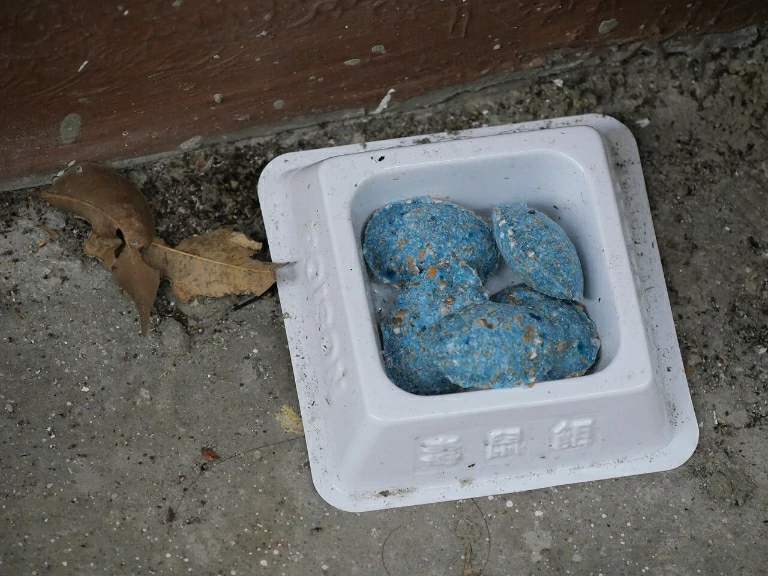
When you buy rat poison, it often comes in block form. These solid chunks sit in bait stations or get placed where rats travel. But what’s actually in these blocks? What is in rat poison blocks?
Rat poison blocks contain an active ingredient (the poison that kills rats), plus inert ingredients like grains, wax, and dye. The active ingredient is usually an anticoagulant like bromadiolone, brodifacoum, or diphacinone, which makes up about 0.005% to 0.01% of the block. The rest is food material that attracts rats and wax that holds everything together.
The blocks are carefully formulated to be attractive to rats while being durable enough to resist moisture and handling. Understanding what’s in them helps you use them safely and effectively.
The Active Ingredient: What Actually Kills the Rat
The most important part of a rat poison block is the active ingredient. This is the chemical that actually kills the rat.
Most rat poison blocks use anticoagulants. These are chemicals that stop blood from clotting. When a rat eats enough anticoagulant poison, it bleeds internally and dies.

Common anticoagulants in rat poison blocks include bromadiolone, brodifacoum, difethialone, and diphacinone. Each one works basically the same way but with slightly different potency and speed.
The active ingredient makes up a really small percentage of the block, usually between 0.005% and 0.01%. That’s 5 to 10 parts per million. The rest of the block is other stuff.
This tiny amount is enough to kill a rat that eats just an ounce or two of the block. But it also means that most of what’s in the block isn’t poison at all.
Food Ingredients That Attract Rats
The bulk of a rat poison block is food material. This is what makes the block attractive to rats.
Most blocks use grains as the base. Wheat, corn, oats, and barley are all common. These grains are cheap, easy to work with, and rats naturally like to eat them.
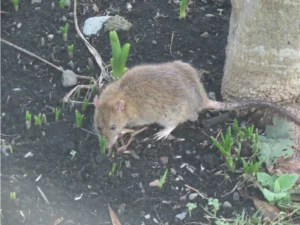
Some blocks also include seeds like sunflower seeds or pumpkin seeds. These add flavor and texture that rats find appealing.
Molasses or sugar is sometimes added for sweetness. Rats have a sweet tooth just like people do. A slightly sweet block is more attractive than a bland one.
Vegetable oils or animal fats might be included to add calories and improve the taste. Fat gives the block a rich flavor that rats like.
All these food ingredients serve one purpose to make the rat want to eat the block. If the block doesn’t taste good to a rat, the poison won’t work because the rat won’t eat it.
The Wax That Holds It Together
Wax is a critical ingredient in rat poison blocks. It’s what holds all the other ingredients together in a solid form.
Most blocks use food-grade paraffin wax. This is the same type of wax used in candles and some food coatings. It’s safe for rats to eat and doesn’t affect how the poison works.
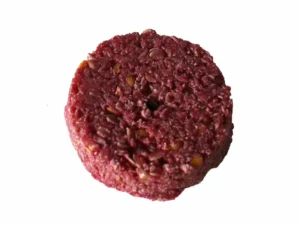
The wax serves several purposes. First, it binds the grains and active ingredient into a solid block. Without wax, you’d just have loose powder.
Second, the wax makes the block water-resistant. If rain gets on a block, the wax keeps the inside dry. This makes the poison last longer, especially in outdoor bait stations.
Third, the wax gives the block structure so rats have to gnaw on it. This is actually important because gnawing is natural behavior for rats. A block that requires gnawing feels more like natural food to the rat.
The wax usually makes up about 3% to 5% of the block’s weight. It’s not the main ingredient, but the block wouldn’t work without it.
Dyes: Why Poison Blocks Are Bright Colors
Almost all rat poison blocks are dyed bright colors like blue, green, red, yellow, or purple. This isn’t just for looks it’s a safety feature.
The dye is added to make the poison easy to identify. If you find a bright blue block on your floor, you know immediately that it’s poison, not food.
The color also helps prevent accidental poisoning. A child who picks up a bright green block might hesitate before eating it because the color signals that something’s wrong.
Different manufacturers use different colors, partly for branding. Tomcat might use blue, JT Eaton might use green, and so on. But they all use obviously artificial colors.
The dye makes up a tiny fraction of the block, usually less than 0.1%. It doesn’t affect how the poison works or how attractive it is to rats.
Some people worry that bright colors might actually attract children. But studies have shown that unnatural colors tend to make kids more cautious, not more curious.
Preservatives and Stabilizers
Rat poison blocks need to last for months or even years on the shelf. To make this happen, manufacturers add preservatives and stabilizers.
These ingredients prevent the food components from going rancid or moldy. Grains and oils can spoil over time, especially in humid conditions.

Common preservatives include BHT (butylated hydroxytoluene) and BHA (butylated hydroxyanisole). These are the same preservatives used in some human foods.
Stabilizers keep the active ingredient effective over time. Some anticoagulants can break down when exposed to heat, light, or air. Stabilizers slow this process.
These ingredients make up less than 1% of the block. You won’t see them listed prominently on the package, but they’re there.
Without preservatives and stabilizers, rat poison blocks would have a short shelf life. They might go bad before you even opened the package.
Flavoring Agents
Some rat poison blocks include flavoring agents to make them more attractive to rats. These are usually food-grade ingredients that smell and taste good to rodents.
Peanut butter flavoring is really common. Rats love peanut butter, and even a small amount of flavoring can make a block much more appealing.
Fish meal or fish oil is used in some blocks. Rats are omnivores and like protein-rich foods. The fish smell attracts them.
Apple or berry flavorings show up in some products. These sweet fruit scents are attractive to rats just like they are to people.
The flavoring makes up less than 1% of the block, but it can make a big difference in how quickly rats find and eat the poison.
Different rats prefer different flavors. This is why some professionals use multiple types of blocks in different bait stations. They’re testing to see which flavor the local rats prefer.
How the Ingredients Work Together
All these ingredients work together to create an effective rat poison block.
The food ingredients attract the rat and make it want to eat the block. The wax holds everything together and protects the block from moisture. The active ingredient kills the rat. The dye makes the block easy to identify for safety. The preservatives keep it fresh.
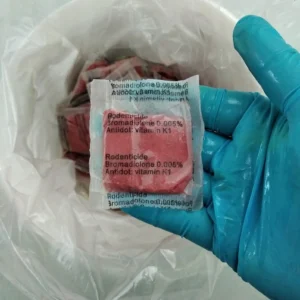
When manufacturers make poison blocks, they’re balancing a lot of factors. The block needs to be attractive to rats but not to other animals. It needs to be durable but not so hard that rats can’t gnaw it. It needs to be shelf-stable but still effective when it’s finally used.
Getting this balance right takes a lot of testing and formulation work. That’s why commercial rat poison blocks work better than homemade poisons.
What’s NOT in Rat Poison Blocks
It’s worth talking about what’s not in rat poison blocks, because there are a lot of myths.
Rat poison blocks don’t contain strychnine. Strychnine is a different type of poison that’s rarely used anymore and isn’t sold in consumer products.
They don’t contain arsenic or cyanide. These are too dangerous for consumer use and aren’t effective as rat poisons anyway.
They don’t contain dehydrating agents that make rats thirsty and go looking for water. That’s a myth. Anticoagulant poisons don’t work that way.
They also don’t contain any ingredients that prevent rats from smelling bad when they die. Another myth. Dead rats smell bad no matter what killed them.
Different Formulations for Different Situations
Not all rat poison blocks are exactly the same. Manufacturers make different formulations for different situations.
Some blocks are designed for outdoor use. These have extra wax to resist rain and moisture. They might also have UV stabilizers to prevent sun damage.
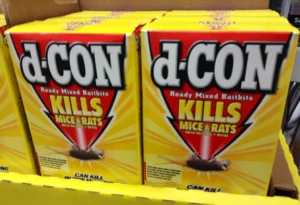
Indoor blocks might have less wax since they don’t need as much weather protection. They might focus more on palatability.
Agricultural blocks often have different food ingredients. They might use whole grains instead of ground grains because farm rats are used to eating whole kernels of corn or wheat.
Some blocks are made specifically for Norway rats, others for roof rats, and some for mice. The formulations are slightly different because these rodents have different food preferences.
Professional-grade blocks often have higher concentrations of active ingredient than consumer blocks. This makes them work faster but also makes them more dangerous if misused.
How Do Blocks Compare to Other Forms of Poison?
Rat poison comes in several forms blocks, pellets, meal, and liquid. Each has advantages and disadvantages.
Blocks are the most popular form. They’re durable, easy to use in bait stations, and resistant to moisture. Rats have to gnaw on them, which is natural behavior.
Pellets are small grain-sized pieces. Rats can eat them quickly, which means they might consume more poison faster. But pellets are easier to spill and harder to secure in bait stations.
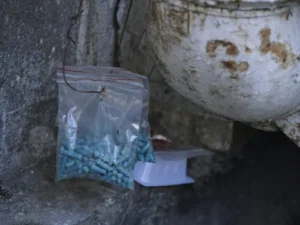
Meal is a loose powder or granular form. It’s usually mixed with food for bait. Meal is less common because it’s messy and easy for non-target animals to eat.
Liquid poison is rare in consumer products. It’s mostly used by professionals in specific situations.
For home use, blocks are usually the best choice. They’re safer and easier to manage than the other forms.
Reading the Ingredients List on the Package
If you want to know exactly what’s in a rat poison block, read the label. By law, the package has to list the active ingredient and its concentration.
The front of the package will say something like “Active Ingredient: Bromadiolone 0.005%.” This tells you the poison and how much is in the block.
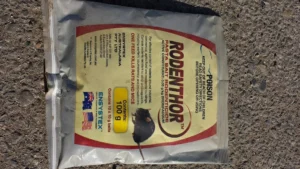
The back of the package might list some of the inert ingredients, though it doesn’t have to list all of them. You’ll usually see things like “grains, wax, dye” mentioned.
What you won’t see is the exact recipe. The specific blend of grains, the exact type of wax, and the flavoring agents are usually proprietary. Manufacturers consider this their trade secret.
If you have allergies or specific concerns, you can call the manufacturer. The phone number is on the package. They can tell you more about what’s in the product.
Safety Concerns About Ingredients
The ingredients in rat poison blocks are chosen to be effective at killing rats but as safe as possible for manufacturing, handling, and storage.
The food ingredients like grains and sugars are non-toxic. You could eat them without harm. It’s only the active ingredient that’s dangerous.
The wax is food-grade paraffin, which is non-toxic. Some candies are even coated with the same type of wax.
The dyes are usually food-grade colorings. They’re the same dyes used in candy and other foods.
The real danger is the active ingredient, the anticoagulant. This is what makes the blocks toxic.
If a child or pet eats a rat poison block, the concern isn’t the grains or wax. It’s the anticoagulant that can cause internal bleeding.
This is why you need to use blocks in tamper-resistant bait stations and keep them away from areas where kids and pets can access them.
How Long Do the Ingredients Stay Effective?
Rat poison blocks don’t last forever. Over time, the ingredients can break down.
The active ingredient is usually the first thing to degrade. Heat, light, and moisture can break down anticoagulants. After a year or two, the poison might not be strong enough to kill rats anymore.
The food ingredients can go rancid, especially if the block gets hot. Oils and fats in the grains can oxidize and develop an off smell. Rats won’t eat rancid bait.
The wax is pretty stable. It can last for years without breaking down. But in extreme heat, the wax can melt or soften, which changes the texture of the block.
Most manufacturers give their blocks a shelf life of 1 to 3 years. This is how long the blocks will stay effective if stored properly.
Proper storage means keeping them in a cool, dry place, in the original package. Don’t leave them in a hot garage or shed.
What’s The Environmental Impact of Block Ingredients?
The ingredients in rat poison blocks can have environmental effects, especially the active ingredient.
When rats eat the poison and die, the anticoagulant stays in their bodies. If a hawk, owl, fox, or other predator eats the dead rat, the predator gets poisoned too. This is called secondary poisoning.
Second-generation anticoagulants like brodifacoum and difethialone are especially problematic. They persist in the environment and accumulate in animals that eat poisoned rats.
The food ingredients in the blocks biodegrade quickly. Grains, wax, and oils break down naturally in soil.
The dyes are usually chosen to be non-toxic and to break down over time. But if you’re using poison outdoors, it’s still a good idea to collect any uneaten blocks and dispose of them properly.
Some areas have restricted or banned certain types of rat poison because of environmental concerns. California, for example, has banned second-generation anticoagulants for most uses.
Conclusion
Rat poison blocks contain a small amount of active ingredient (usually an anticoagulant like bromadiolone or brodifacoum) mixed with food ingredients like grains, wax to hold it together, dye for safety, and preservatives to keep it fresh.
The active ingredient makes up less than 0.01% of the block, while the rest is there to attract rats and make the block durable.
Understanding what’s in rat poison blocks helps you use them safely and effectively. The blocks are carefully formulated to do their job while minimizing risk, but they’re still toxic.
Always use them in tamper-resistant bait stations, follow label directions, and keep them away from children and pets.

Hi, my name is Ezra Mushala, i have been interested animals all my life. I am the main author and editor here at snakeinformer.com.