
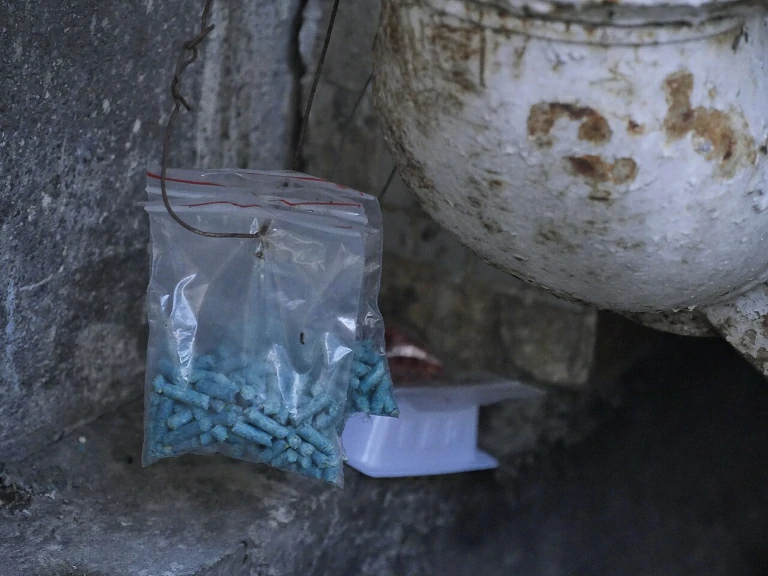
When you’re dealing with a rat problem, you want results fast. Nobody wants these pests hanging around longer than they have to, and the last thing you need is a slow-acting poison that gives rats time to keep causing damage. So what rat poison kills the fastest?
The fastest-acting rat poisons are zinc phosphide and bromethalin. Zinc phosphide can kill rats within hours of eating it, while bromethalin typically works within 1 to 2 days. Both are considered acute poisons, meaning they work much faster than the more common anticoagulant rat poisons that can take 3 to 7 days to kill.
These fast-acting poisons work differently than the slow poisons most people are used to.
Instead of slowly thinning the blood over several days, they attack the rat’s system quickly and directly.
How Zinc Phosphide Works
Zinc phosphide is one of the oldest and fastest rat poisons still used today. When a rat eats this poison, something really interesting happens in its stomach.
The zinc phosphide reacts with the stomach acid and creates a toxic gas called phosphine. This gas is what actually kills the rat. It happens fast, usually within a few hours of the rat eating the bait.
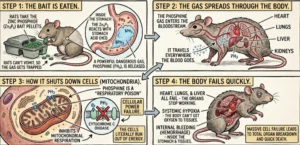
The gas damages the rat’s lungs, heart, and other organs. The rat typically dies within 3 to 12 hours, though it can sometimes take up to 24 hours depending on how much the rat ate.
One thing to know about zinc phosphide is that it smells bad to rats.
It has a garlic or rotten fish smell that can make rats suspicious of the bait. This is why some rats won’t eat it right away, even if they’re hungry.
Why Bromethalin Is So Effective
Bromethalin works in a completely different way than zinc phosphide. Instead of creating toxic gas, it attacks the rat’s nervous system directly.
When a rat eats bromethalin, the poison stops the rat’s cells from making energy. Without energy, the cells in the brain and spinal cord start to swell up and die.
This causes paralysis, seizures, and eventually death. The whole process usually takes 1 to 2 days, which is still much faster than anticoagulant poisons.
Bromethalin is really popular because rats can’t build up a resistance to it.
With older anticoagulant poisons, some rats have developed resistance over the years. But bromethalin works every time, no matter what.
How Fast Do Anticoagulant Poisons Work?
If you’re wondering why anyone uses slow poisons when fast ones exist, it’s a good question. Anticoagulant poisons are actually the most common type of rat poison, even though they’re slower.
These poisons work by stopping the rat’s blood from clotting. The rat slowly bleeds internally over several days. It usually takes 3 to 7 days for the rat to die after eating the poison.
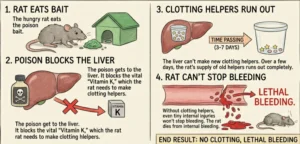
First-generation anticoagulants like warfarin can take even longer, sometimes up to 10 days. Second-generation anticoagulants like brodifacoum and bromadiolone are stronger and work a bit faster, but they still take several days.
The reason people use these slower poisons is because they’re actually safer in some ways. If a pet or child accidentally eats anticoagulant poison, there’s an antidote (vitamin K) that works really well.
With fast-acting poisons like bromethalin, there’s no antidote.
Rat Poison Speed Comparison Table
| Rat Poison | How It Works | Typical Time to Death | Speed |
|---|---|---|---|
| Zinc phosphide | Reacts with stomach acid and releases toxic phosphine gas | 3–12 hours | Fastest |
| Bromethalin | Disrupts energy production in the brain and nervous system | 1–2 days | Very fast |
| Cholecalciferol | Causes dangerously high calcium levels that damage organs | 3–4 days | Moderate |
| Second-generation anticoagulants | Prevent blood from clotting properly | 3–7 days | Slow |
| First-generation anticoagulants | Gradually interfere with blood clotting | 5–10 days | Slowest |
Why Speed Matters in Rat Control
You might think that dead is dead, so what does it matter if it takes a few days or a few hours? But the speed of the poison actually makes a big difference in real-world rat control.
Rats reproduce incredibly fast. A female rat can have up to 12 babies every three weeks. If your poison takes a week to work, those rats have time to make more rats before they die.
Fast-acting poisons stop this cycle quicker. The rats die before they can reproduce, which means you solve the problem faster overall.
Speed also matters if the rats are causing active damage. If you have rats chewing through electrical wires or contaminating food, you want them gone as soon as possible.
Every extra day they’re alive is another day of potential damage.
The Downsides of Fast-Acting Poisons
Fast-acting poisons aren’t perfect, even though they work quickly. They come with some real downsides that you need to know about.
First, they’re more dangerous to pets and people. If a dog eats bromethalin poison, there’s no antidote. You have to rush to the vet immediately and hope they can pump the dog’s stomach before too much is absorbed.
Second, fast-acting poisons can cause bait shyness in rats. If a rat eats a small amount of zinc phosphide and gets sick but doesn’t die, it will avoid that bait forever. It will also warn other rats to stay away.
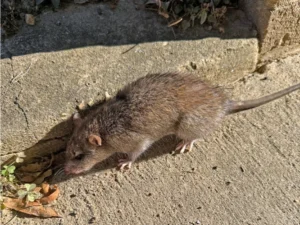
This is why slow-acting anticoagulant poisons are sometimes more effective overall. The rat doesn’t feel sick right away, so it keeps eating the poison over several days. By the time it feels bad, it’s already eaten a lethal dose.
Third, fast-acting poisons are often restricted. In many places, you can’t buy bromethalin or zinc phosphide over the counter.
You need a professional pest control license to use them.
What About Cholecalciferol?
There’s another type of rat poison that falls somewhere in between fast and slow. It’s called cholecalciferol, which is basically a mega-dose of vitamin D3.
When rats eat cholecalciferol, it causes calcium levels in their blood to spike really high. This calcium builds up in the kidneys, heart, and other organs and causes them to fail.
Cholecalciferol usually kills rats in 3 to 4 days. That’s faster than anticoagulants but slower than bromethalin or zinc phosphide.
The interesting thing about cholecalciferol is that it doesn’t cause bait shyness. Rats don’t feel sick right away, so they keep eating it.
And there’s no resistance, rats can’t develop immunity to vitamin D poisoning.
How to Choose the Right Poison for Your Situation
Picking the fastest poison isn’t always the best choice. You need to think about your specific situation.
If you have pets or small children, you might want to stick with anticoagulant poisons even though they’re slower. At least there’s an antidote if something goes wrong.
If you’re dealing with a severe infestation and need results fast, a professional-grade bromethalin product might be worth the extra cost and risk.

If you’re using poison outdoors where wildlife might get into it, you need to be extra careful. Fast-acting poisons can kill birds of prey and other animals that eat poisoned rats.
In most cases, the best approach is to use bait stations that keep the poison contained. This protects pets and wildlife while still allowing the poison to work.
Understanding “Time to Death” vs “Time to Effect”
Here’s something that confuses a lot of people. When we talk about how fast a poison works, we’re usually talking about time to death. But there’s also time to effect, which is different.
Time to effect is how long it takes for the poison to start making the rat sick. Time to death is how long until the rat actually dies.
With zinc phosphide, the time to effect is really short, maybe an hour or two. The rat starts feeling sick quickly. Time to death is usually 3 to 12 hours.
With bromethalin, time to effect is longer, maybe 12 to 24 hours. But once the rat starts showing symptoms, death follows pretty quickly, usually within another day.
With anticoagulants, time to effect can be several days. The rat doesn’t feel anything wrong at first. Time to death is usually 3 to 7 days after the first feeding.
This matters because if the time to effect is too short, rats can develop bait shyness. They eat a little, feel sick, and avoid the bait after that.
Professional vs Consumer Products
The fastest rat poisons are usually only available to licensed pest control professionals. You can’t just walk into a hardware store and buy bromethalin or zinc phosphide in most places.
Consumer products are mostly limited to anticoagulant poisons. These are slower but safer for home use.
If you really need a fast-acting poison, your best bet is to hire a professional pest control company. They have access to products you can’t buy and know how to use them safely.
Some professional companies will use a combination approach. They’ll start with a fast-acting poison to knock down the population quickly, then switch to a maintenance poison to catch any survivors.
How to Tell Which Rat Poison You Have
You can’t always tell what rat poison you’re looking at just by its color.
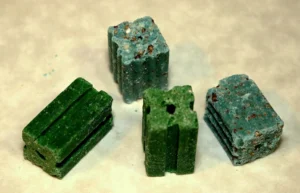
Rat poison can come in different colors, shapes, and forms. Green pellets, brown blocks, and blue bait can all contain different types of poison.
The best way to find out what you have is to check the label. Look for the name of the poison listed under the active ingredient section.
This is especially important if you find some old rat poison and want to know how fast it works. You can’t reliably tell just by looking at it.
If you still have the original package, keep it with the poison. That makes it much easier to find out exactly what you’re dealing with.
How Application Method Affects Speed
The way you put out the poison can affect how fast it works, even if you’re using the same active ingredient.
Loose bait works fastest because rats can eat a lot of it quickly. But it’s also the most dangerous because it’s easy for pets or kids to get into.
Bait blocks take longer because rats have to gnaw on them. They can’t eat as much in one sitting. But blocks are safer because they’re harder for non-target animals to eat.
Pellets fall somewhere in between. Rats can eat them fairly quickly, but they’re usually put in bait stations for safety.
The placement also matters. If you put the bait right in the rat’s main travel path, it will find it and eat it quickly. If you put it in a random spot, it might take days for the rats to discover it.
How Long Does Rat Poison Stay Dangerous?
Just because rat poison works quickly doesn’t mean it stops being dangerous afterward.
The poison can still be dangerous if it’s left sitting around after the rat has eaten it. This is why old bait shouldn’t be left where pets or other animals can get to it.
There’s another thing people don’t always think about. A poisoned rat can still be dangerous to animals that eat it.
This is called secondary poisoning. Some rat poisons are more likely to cause this than others because they can stay inside the rat for longer.
So the danger doesn’t always end when the rat dies. Leftover poison and the poisoned rat can both cause problems if other animals get to them.
Conclusion
The fastest-acting rat poisons are zinc phosphide and bromethalin, with zinc phosphide working in as little as a few hours and bromethalin taking 1 to 2 days. These are much faster than the common anticoagulant poisons that take nearly a week to work.
But faster isn’t always better. Fast-acting poisons are more dangerous to pets and people, often harder to get, and can sometimes be less effective if they cause bait shyness in rats.
For most home situations, a second-generation anticoagulant poison is probably your best choice. It’s slower but safer and less likely to cause problems.
If you really need fast results, it’s worth calling a professional who has access to the stronger stuff and knows how to use it safely.

Hi, my name is Ezra Mushala, i have been interested animals all my life. I am the main author and editor here at snakeinformer.com.