
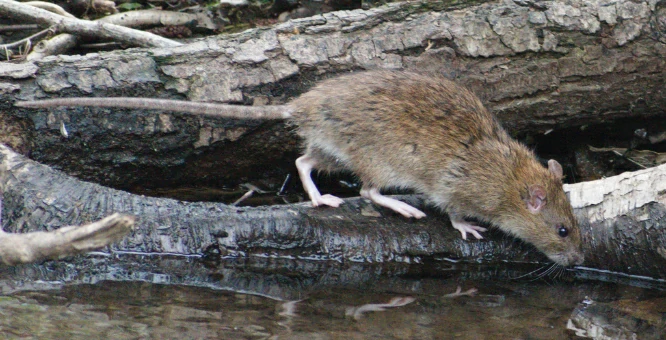
You might have heard that some rat poisons make rats so thirsty they leave the building to find water and die outside.
This sounds convenient because it would mean you don’t have dead rats decomposing in your walls, but it’s mostly a myth that poison manufacturers use to sell their products.
The truth about rat poison and thirst is more complicated and less helpful than the marketing suggests. So what rat poison makes rats thirsty?
Cholecalciferol (vitamin D3) rat poison causes increased thirst in rats as a symptom of kidney damage and elevated calcium levels, but this doesn’t reliably make rats leave buildings to find water. Anticoagulant poisons don’t cause thirst. The claim that poisoned rats will seek water outside and die there is mostly false marketing. Most poisoned rats die wherever they happen to be when the poison takes effect, often inside walls or hidden spaces.
Understanding what actually happens when rats eat poison can help you make better decisions about rodent control and set realistic expectations.
Rat Poisons and Their Effect on Thirst
| Poison Type | Does It Cause Thirst? | Why/Why Not | Will Rats Leave to Find Water? | Where Rats Actually Die | How Long Until Death | Marketing Claims vs Reality |
|---|---|---|---|---|---|---|
| Cholecalciferol (Vitamin D3) | YES | Causes kidney damage and high calcium levels, leading to increased thirst and urination | RARELY – most rats stay near familiar areas even when thirsty | Mostly in nests, walls, or hidden areas inside buildings | 2-4 days | CLAIM: “Rats seek water outside.” REALITY: Some rats drink more but most die inside. |
| Anticoagulant poisons (all types) | NO | These cause internal bleeding but don’t directly affect thirst mechanisms | NO – no reason to seek water | Anywhere – walls, attics, basements, outdoors if that’s where they were when poison took effect | 3-7 days | CLAIM: Sometimes falsely marketed as causing thirst. REALITY: They don’t cause thirst at all. |
| Bromethalin | NO | Causes brain swelling and neurological damage, not thirst | NO | Wherever they are when neurological symptoms hit | 1-3 days (varies by dose) | CLAIM: Rarely makes thirst claims. REALITY: Rats become disoriented and die in place. |
| Zinc Phosphide | Sometimes (indirectly) | Severe stomach pain might make rats seek water, but they’re usually too sick to travel | RARELY | Usually near where they ate the poison | 15 minutes to 4 hours | CLAIM: Sometimes marketed as fast-acting outdoor solution. REALITY: Rats die too quickly to travel far. |
| “Mummifying” poisons | MYTH | No poison actually mummifies or desiccates rats; this is false marketing | NO | Same as other poisons | Varies | CLAIM: “Dries out rats so they don’t smell.” REALITY: Complete myth, no such poison exists. |
This table shows the truth about different rat poisons and thirst, versus what manufacturers sometimes claim.
Why the “Rats Seek Water” Claim Is Mostly False
The idea that poisoned rats will leave your building to find water outside is one of the most persistent myths in pest control.
This claim is mostly marketing. Poison manufacturers know people’s biggest fear about rat poison is having dead rats rotting in their walls and creating horrible smells. The water-seeking claim addresses this fear.
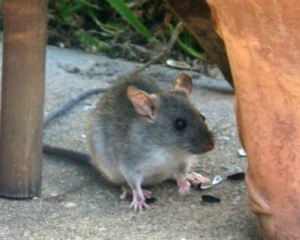
In reality, rats are creatures of habit who stay in familiar territory. Even when sick or dying, they typically stay in the areas they know, which is usually inside your building.
Rats establish “home ranges” where they live, nest, and forage. They don’t venture far from these familiar areas unless absolutely necessary. Being sick or poisoned makes them less likely to explore, not more.
Most rats have water sources inside buildings where they’re living. Condensation, leaky pipes, pet water bowls, drips under sinks – these provide enough water that rats don’t need to leave to find it.
The few rats that do die outside probably were already spending time outdoors when they ate the poison. They didn’t leave the building because they were thirsty; they just happened to be outside when the poison killed them.
Studies of rat behavior after eating poison show that most rats die in their nests or in wall voids, not outside buildings.
How Cholecalciferol Actually Works
Cholecalciferol (vitamin D3) is the poison most likely to cause thirst, so let’s look at what actually happens.
This poison causes calcium levels in the blood to spike dramatically. The rat’s body tries to get rid of the excess calcium through the kidneys.
As calcium builds up in the kidneys, it damages kidney tissue and interferes with normal kidney function. This causes increased urination.
Increased urination leads to increased thirst. The rat feels thirsty because it’s losing more water than normal through urine.
However, by the time the rat is experiencing severe thirst, it’s already very sick. Sick rats typically hide in their nests and don’t move around much.
The rat might drink more water if it’s available nearby (in its usual drinking spots), but it’s unlikely to go exploring for new water sources when it’s feeling terrible.
Within 2-4 days of eating cholecalciferol poison, most rats die from kidney failure. Death usually happens in the rat’s nest or somewhere it was resting, not at a water source.
Why Anticoagulant Poisons Don’t Cause Thirst
Anticoagulant poisons (both first and second-generation) are the most common type of rat poison, and they don’t make rats thirsty at all.
These poisons work by preventing blood from clotting. They interfere with vitamin K, which the body needs to produce clotting factors.
As the rat’s blood loses its ability to clot, internal bleeding begins. The rat bleeds into its chest, abdomen, muscles, or other tissues.
This internal bleeding makes the rat weak and lethargic. It might have difficulty breathing if bleeding into the lungs. But none of this creates thirst.
Rats poisoned with anticoagulants typically become less active as they get sicker. They retreat to their nests and stay there, getting weaker until they die.
There’s no physiological reason why anticoagulant poisoning would make a rat thirsty or cause it to seek water.
Despite this, some brands of anticoagulant poison are marketed with claims about rats seeking water. This is false advertising designed to make the product seem more appealing.
The Mummification Myth
Some rat poisons claim they “mummify” or “dry out” dead rats so they don’t smell. This is completely false.
There is no poison that mummifies rats. Dead rats decompose according to environmental conditions (temperature, humidity, air flow), not because of what killed them.
The mummification claim is pure marketing nonsense designed to address people’s fears about dead rat odors.
What actually affects how much a dead rat smells is where it dies and the environmental conditions there. A rat that dies in a cool, dry, well-ventilated attic will decompose slower and smell less than one that dies in a warm, humid wall void.
The poison the rat ate has no effect on how its body decomposes after death.
If a dead rat is going to smell, it’s going to smell regardless of what poison killed it. The only way to prevent the smell is to find and remove the dead rat, or to not use poison at all (use traps instead).
What Really Happens When Rats Eat Poison?
Here’s the actual sequence of events for most poisoned rats, regardless of poison type.
The rat eats the poison bait, usually at night since rats are nocturnal. It might eat the bait over multiple nights depending on the poison type.
After eating a lethal dose, the rat continues its normal activities for a while. It doesn’t immediately know it’s poisoned.

As the poison starts working (anywhere from hours to days later depending on the type), the rat begins to feel sick. Different poisons cause different symptoms (bleeding, kidney failure, neurological problems, etc.).
Sick rats typically retreat to safe, hidden places: their nests, wall voids, spaces under appliances, attics, crawl spaces, or other dark, enclosed areas where they feel protected.
As the rat gets sicker, it becomes less mobile. It doesn’t have the energy or inclination to go exploring for water or to leave familiar territory.
The rat dies wherever it was resting when the poison effects became fatal. This is usually in a hidden space inside the building where the rat was living.
The dead rat’s body then begins to decompose. If it’s in a wall void or other enclosed space with poor ventilation, it will create a smell that can last for weeks.
Why Do Some Rats Die Outside?
If you’ve found dead poisoned rats outside your house, there’s a simple explanation that has nothing to do with water-seeking.
The rats were probably already spending time outdoors when they ate the poison. Many rats have territories that include both indoor and outdoor areas.
Rats who primarily live outdoors (like in gardens, sheds, or under porches) will die outdoors because that’s where they spend their time, not because the poison drove them outside.
Some rats might die outside while traveling between the building and an outdoor food source or nesting area. They just happened to be outside when the poison took effect.
The few rats that die outdoors are noticeable because you can see them. The many rats that die inside your walls are hidden, but they’re the majority.
Finding dead rats outside doesn’t mean the poison made them seek water. It means those particular rats were outside when they died, which was probably part of their normal routine.
The Problem With Poison and Dead Rat Odor
The real issue that the “water-seeking” marketing tries to address is the smell of dead rats in walls. Here’s why poison creates this problem.
When you use poison, you have no control over where rats will be when they die. Most will die in hidden spaces you can’t access.
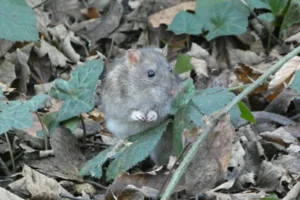
Dead rats in wall voids, under floors, in ceilings, or in other enclosed spaces will decompose and create horrible smells.
The smell can last for 2-4 weeks depending on the size of the rat, the temperature, and the humidity. During this time, your house will smell like death.
There’s often no way to access the dead rat to remove it. You might have to cut holes in walls or ceilings to find it, which is expensive and damaging.
Air fresheners and odor eliminators don’t really work on decomposition smell. The only thing that truly eliminates the odor is removing the dead rat or waiting for it to fully decompose.
This is the single biggest reason why many pest control professionals recommend traps instead of poison. With traps, you know exactly where dead rats are because they’re in the traps.
Poisons That Work Fast vs Slow
The speed at which poison works affects where rats die, though not in the way marketing suggests.
Fast-acting poisons like zinc phosphide kill rats quickly (hours instead of days). This means rats are more likely to die near where they ate the bait, since they don’t have time to travel far.
However, “near where they ate the bait” is still usually inside your building, in walls, or in other hidden areas where you placed the bait.
Slow-acting poisons like anticoagulants take days to kill. Rats can travel throughout their normal territory during this time, but again, their territory is usually mostly indoors.
The time factor doesn’t really change the outcome: most rats still die inside in hidden spaces.
Manufacturers sometimes claim fast-acting poisons are better for outdoor use because rats will die outside before returning indoors. This only works if you’re baiting exclusively outdoor areas and rats truly live outside, which isn’t common.
Realistic Expectations for Poison Use
If you decide to use rat poison despite its problems, here’s what you should realistically expect.
You will probably have dead rats in your walls, attic, or other inaccessible places. This is almost guaranteed with poison use.
Some of these dead rats will smell. The smell might be horrible and last for weeks. There might be nothing you can do about it except wait.
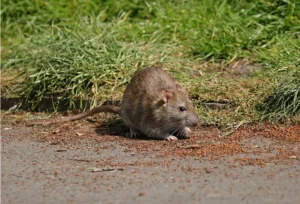
Don’t buy poison based on claims that rats will seek water and die outside. This is marketing, not reality. Plan for indoor dead rat problems.
If avoiding dead rat smells is important to you, don’t use poison. Use snap traps or electronic traps instead. You’ll know exactly where dead rats are and can dispose of them immediately.
Poison is best suited for situations where you truly can’t use traps (like in active commercial kitchens during business hours) and you accept the dead rat smell risk.
For most homeowners, the problems poison creates (dead rat odor, risk to pets and wildlife, uncertainty about where rats will die) outweigh the convenience of not having to set traps.
Better Alternatives to Avoid the Dead Rat Problem
If you want to avoid dead rats rotting in your walls, skip poison entirely and use these methods.
Snap traps kill rats instantly and you know exactly where the dead rat is (in the trap). You can dispose of it immediately with no smell issues.
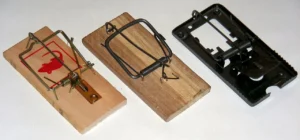
Electronic traps work the same way. The rat dies in the trap, you empty it, and there’s no mystery about where the body is.
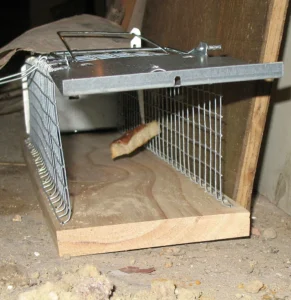
Live traps capture rats alive so you can release them far from your property. There’s no dead rat at all (though you need to check traps frequently and actually relocate the rats).
Exclusion (sealing holes and gaps where rats enter) prevents rats from getting into your walls in the first place. No rats inside means no dead rat smell problems.
Combining traps with exclusion gives you the best results. You trap the rats already inside, then seal up entry points so no more can get in.
These methods take more effort than just scattering poison, but they don’t leave you with dead rats rotting in inaccessible places.
What Pest Control Professionals Actually Recommend
Professional pest control operators know the truth about poison and dead rat problems. Here’s what many of them actually recommend.
Most pros prefer traps over poison for residential work specifically because of the dead rat smell issue. They don’t want callbacks from angry customers whose houses stink.
When professionals do use poison, they try to place it in areas where dead rats can be easily found and removed (like attics or basements you can access), not in wall voids.
Good pest control companies do a thorough inspection first to find entry points and travel routes. They use this information to place traps strategically rather than relying on poison.
Many professionals use integrated pest management (IPM) approaches that prioritize exclusion and traps, only using poison as a last resort.
If a professional tells you poison will make rats seek water and die outside, they’re either uninformed or being dishonest. Find a different company.
Ask potential pest control companies about their approach before hiring. Companies that emphasize exclusion and traps over poison are generally more reputable.
Conclusion
Cholecalciferol (vitamin D3) rat poison can cause increased thirst as a symptom of kidney damage, but this doesn’t reliably make rats leave buildings to find water outside. Most poisoned rats die inside in hidden areas like walls, attics, and crawl spaces regardless of poison type.
The marketing claim that rats will seek water and die outside is mostly false. It’s designed to address people’s fears about dead rat odors but doesn’t reflect reality. If you use poison, expect dead rats in your walls and potential smell problems.
For better results without the dead rat smell risk, use snap traps or electronic traps instead. You’ll know exactly where dead rats are and can remove them immediately. Combine trapping with exclusion (sealing entry points) for the most effective long-term rodent control.

Hi, my name is Ezra Mushala, i have been interested animals all my life. I am the main author and editor here at snakeinformer.com.