
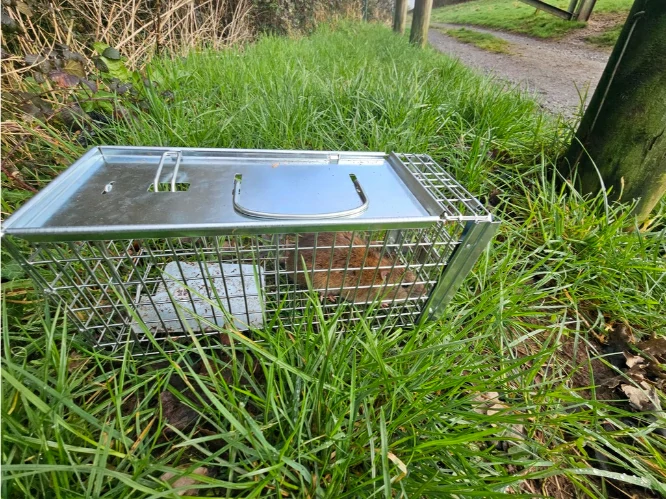
You’ve caught a rat in a live trap, and now you’re faced with a difficult decision. Releasing it outside might just move the problem to someone else’s property, and the rat probably won’t survive anyway in an unfamiliar area.
But what’s the most humane way to kill a rat that’s trapped alive? This is a question many people struggle with, and it’s important to handle it the right way.
The most humane way to kill a rat in a live trap is CO2 euthanasia using carbon dioxide gas, which causes the rat to lose consciousness within seconds before dying. If you don’t have access to CO2, cervical dislocation (breaking the neck) is quick but requires proper technique. Never use drowning, freezing, or blunt force trauma, as these methods cause unnecessary suffering.
Understanding the right method isn’t just about being humane. It’s also about doing what’s practical, safe, and legal in your area.
Some methods that seem quick can actually cause a lot of suffering, while others that sound harsh are actually more humane when done correctly.
Why You Shouldn’t Just Release the Rat
Before we talk about euthanasia methods, it’s worth understanding why releasing a trapped rat usually isn’t a good solution.
Many people think they’re being kind by letting the rat go far from their property, but this often leads to more suffering, not less.
Rats are highly territorial animals. If you release a rat into an area where other rats already live, those rats will attack and possibly kill the newcomer. Rats defend their territory aggressively, and a rat that doesn’t belong will be seen as a threat.
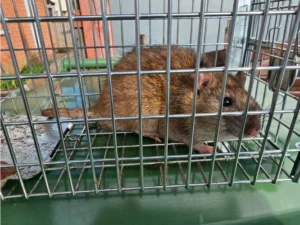
Even if the rat doesn’t encounter other rats, it still faces serious survival challenges. Rats rely on knowing their environment well. They know where to find food, water, and safe shelter.
When you drop a rat in an unfamiliar location, it doesn’t have this knowledge. It might starve, die of thirst, or fall victim to predators like hawks, owls, cats, or snakes.
In many places, it’s also illegal to release trapped rats. Check your local laws before you consider this option.
Some areas require you to kill trapped rats on your property rather than relocating them.
CO2 Euthanasia: The Most Humane Method
CO2 euthanasia is widely considered the most humane way to kill a rat. This method is used by veterinarians, research facilities, and professional pest control companies because it causes minimal distress and pain.
Here’s how it works. You place the live trap (with the rat still inside) into a sealed container or chamber. Then you slowly introduce carbon dioxide gas into the container.
The CO2 displaces the oxygen, and the rat gradually loses consciousness. Once unconscious, the rat’s breathing stops, and it dies within a few minutes.
The key word here is “gradually.” If you flood the chamber with CO2 too quickly, it can cause distress and a painful burning sensation in the rat’s respiratory system.
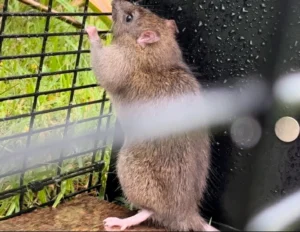
When done correctly, the CO2 concentration increases slowly, and the rat simply falls asleep before dying.
To do this at home, you’ll need a CO2 source. Some people use dry ice, which releases CO2 gas as it sublimates (turns from solid to gas). Others use CO2 canisters designed for home soda makers or beer kegs.
Place the live trap inside a large plastic bin or container with a tight-fitting lid. If you’re using dry ice, place several small pieces in the container (not directly touching the trap).
Close the lid and wait at least 30 minutes. If you’re using a CO2 canister, you can slowly release the gas into the container through a small tube.
After 30 minutes, check to make sure the rat isn’t breathing. If you’re not certain, wait another 15 minutes. D
on’t open the container too soon, or you might find out the rat is just unconscious and will wake up.
Cervical Dislocation: Quick but Requires Skill
Cervical dislocation means breaking the rat’s neck in a way that severs the spinal cord and causes instant death. When done correctly, this method is very fast and the rat doesn’t suffer. The problem is that it requires proper technique, and most people don’t know how to do it correctly.
If done wrong, you could seriously injure the rat without killing it, which causes tremendous pain and suffering.
For this reason, cervical dislocation should only be attempted if you’ve been trained by someone with experience, or if you’ve watched detailed instructional videos and practiced the technique.
The basic method involves holding the rat’s body firmly with one hand while using your other hand to quickly pull and twist the head in a specific motion. The goal is to separate the skull from the spine in one smooth, fast movement.
This isn’t something you should try to figure out on your own. If you’re interested in this method, look for instructional videos from veterinary or research sources, not random people on the internet.
The technique matters a lot, and small mistakes can lead to a botched attempt.
Why You Should Never Use Drowning
Drowning might seem like a simple option, especially if you already have a bucket of water handy, but it’s actually one of the cruelest ways to kill a rat.
Drowning causes panic, distress, and suffering that can last for several minutes.
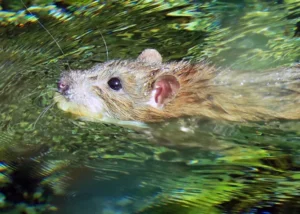
When a rat is submerged in water, it doesn’t die instantly. It holds its breath and struggles desperately to escape. Eventually, the rat’s lungs fill with water and it suffocates. This process is terrifying for the animal and takes much longer than most people realize.
Some people think that if they weigh down the trap or hold it underwater, the rat will die faster. This is true, but it doesn’t reduce the suffering.
The rat is still drowning, which is a horrible experience regardless of how long it takes.
If you care about being humane, don’t use drowning. There are much better options that cause far less distress.
Why Freezing Doesn’t Work
Some people have heard that putting a rat in the freezer will cause it to “fall asleep” and die peacefully. This is a myth. Freezing is not a humane method of euthanasia.
When you put a rat in a freezer, it doesn’t gently drift off to sleep. Instead, it experiences extreme cold stress. The rat’s body temperature drops, which is painful and distressing. Ice crystals form in the rat’s tissues, causing cellular damage.
The rat may go into shock, but this isn’t the same as being unconscious. It’s still aware and suffering.
Death by freezing can take a very long time, sometimes over an hour. During that time, the rat is in pain and distress. This is one of the worst methods you can use.
Blunt Force Trauma: Only If Done Correctly
Blunt force trauma means striking the rat’s head with enough force to cause instant death. This method can be humane if done correctly, but it’s very easy to mess up.
The key is using enough force to destroy the brain immediately. A quick, powerful blow to the head with a heavy object (like a hammer or a rock) can cause instant death with no suffering.
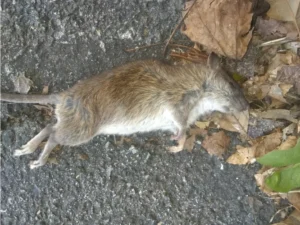
The problem is that most people either don’t hit hard enough, or they miss the target, which results in serious injury without death.
If the first blow doesn’t kill the rat, the animal is now in extreme pain and you have to hit it again. This is traumatic for both you and the rat.
For this reason, blunt force trauma is generally not recommended unless you have experience with it or you’re in a situation where no other options are available. Even then, it should be a last resort.
What About Shooting?
In rural areas where firearms are legal and commonly used, shooting can be a quick and humane method if you have good aim. A properly placed shot to the head kills the rat instantly with no suffering.
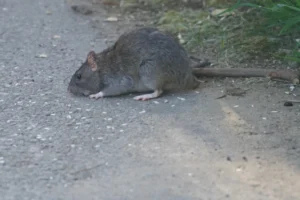
However, this method has obvious safety concerns. You need a safe backdrop to shoot into, you need to follow all local laws regarding firearm use, and you need to be accurate. Missed shots or glancing blows can cause injury without death, which defeats the purpose.
Most people in urban or suburban areas won’t have this option available to them, and even in rural areas, it’s often not practical or safe to shoot a rat that’s in a small live trap.
Using Professional Pest Control Services
If you’re uncomfortable with any of these methods, or if you’re not confident you can do them correctly, the best option is to contact a professional pest control service. They have the training, equipment, and experience to handle trapped rats humanely.
Most pest control professionals use CO2 euthanasia or other approved methods that comply with local regulations. They can also help you identify how the rats are getting into your property and what you need to do to prevent future infestations.
Yes, this costs money, but it takes the burden off you and ensures the rat is dealt with in the most humane way possible.
What to Do After the Rat Is Dead
Once the rat is dead, you need to dispose of it properly. Wear gloves when handling the body, even if the rat is still inside the trap.
Rats can carry diseases and parasites, and you don’t want to touch them with bare hands.
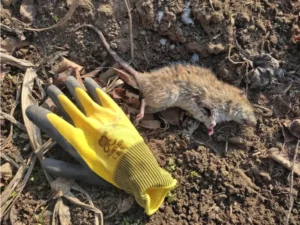
Place the body in a plastic bag, seal it tightly, and throw it in your outdoor trash. Some areas have specific regulations about disposing of pest animals, so check your local rules if you’re unsure.
If the rat was in a live trap, clean and disinfect the trap before using it again.
Wash it with hot soapy water, then spray it with a disinfectant or a mixture of bleach and water (one part bleach to ten parts water). Rinse it thoroughly and let it dry.
How to Avoid This Situation in the Future
If you found the process of killing a trapped rat difficult or upsetting, you’re not alone. Many people struggle with this, which is why prevention is so important.
The best way to avoid having to kill rats is to keep them out of your property in the first place. Seal all entry points, including gaps around pipes, vents, doors, and windows.
Rats can squeeze through openings as small as a quarter, so be thorough in your inspection.
Remove food sources by storing pantry items in sealed containers, not leaving pet food out overnight, and keeping trash cans tightly closed.
Clean up fallen fruit from trees, and don’t leave birdseed or other attractants accessible to rats.
Eliminate water sources by fixing leaky pipes and faucets, and don’t leave standing water sitting around your property.
Keep your yard clean and organized. Remove piles of debris, wood, or clutter where rats might nest. Trim bushes and trees away from your house so rats can’t use them as highways to your roof.
When Lethal Traps Might Be a Better Option
If you’re going to trap rats and you know you’ll need to kill them anyway, it might make more sense to use lethal traps from the start.
Snap traps, when set correctly, kill rats instantly with no suffering. You don’t have to deal with the difficult decision of what to do with a live rat.
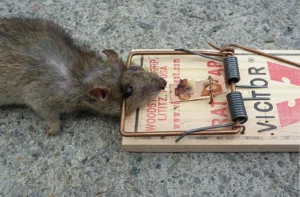
Electric traps are another option. These use a high-voltage shock to kill rats in less than a second. They’re more expensive than snap traps, but they’re extremely effective and humane.
The downside of lethal traps is that you can’t release the rat if you change your mind. But if you’re certain you need to kill rats that are invading your property, lethal traps save you from having to perform euthanasia yourself.
Legal and Ethical Considerations
Before you kill a trapped rat, check your local laws. Some areas have specific regulations about how you can euthanize pest animals. What’s legal in one place might be illegal in another.
From an ethical standpoint, the goal should always be to minimize suffering. If you’re going to kill a rat, do it quickly and humanely.
Don’t use methods that cause prolonged pain or distress, even if they seem easier or more convenient.
Remember that rats are living creatures that feel pain and fear. They’re pests and they need to be controlled, but that doesn’t mean they should suffer unnecessarily.
The fact that you’re reading this article suggests you care about doing the right thing, which is commendable.
Conclusion
The most humane way to kill a rat in a live trap is CO2 euthanasia, which causes the rat to lose consciousness quickly before dying. If you don’t have access to CO2, cervical dislocation can be effective but requires proper technique and training.
Never use drowning, freezing, or poorly executed blunt force trauma. These methods cause unnecessary suffering and should be avoided.
If you’re not comfortable with any of these methods, contact a professional pest control service that can handle the situation humanely.
The best long-term solution is prevention. Seal entry points, remove food and water sources, and keep your property clean to avoid attracting rats in the first place.
If you do need to trap rats, consider using lethal traps that kill instantly rather than live traps that require you to make difficult decisions later.
Whatever method you choose, the goal should always be to minimize suffering while effectively dealing with the pest problem.

Hi, my name is Ezra Mushala, i have been interested animals all my life. I am the main author and editor here at snakeinformer.com.