
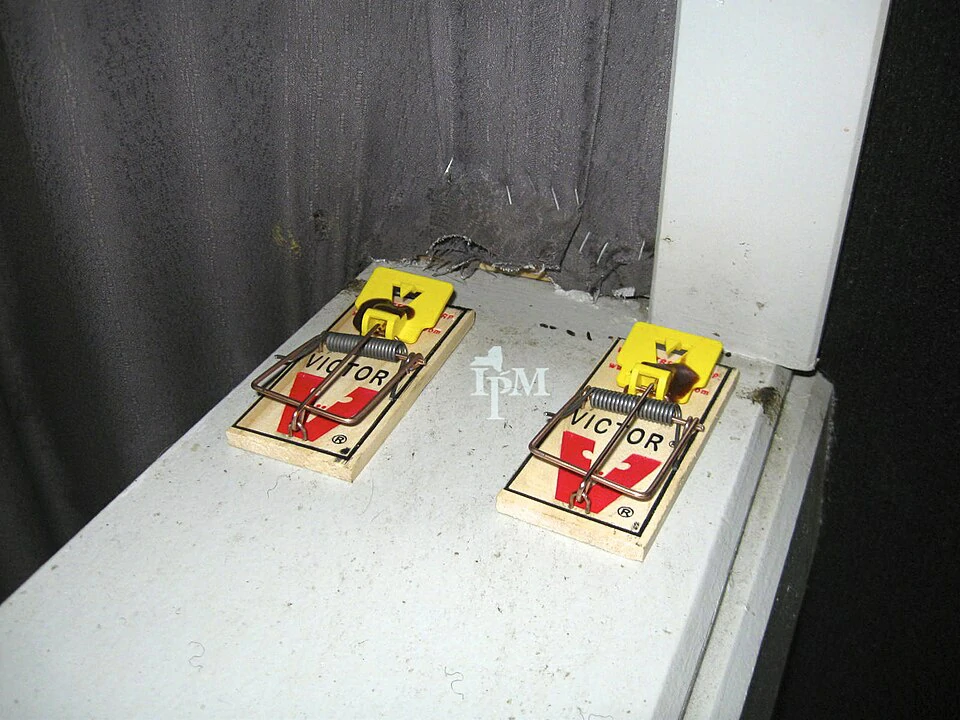
Snap traps are one of the oldest and most reliable ways to catch rats in your home. They’re cheap, easy to find, and when you set them up right, they work really well.
But if you’ve never used one before, the spring-loaded bar can seem a bit scary to work with. How do you set a snap trap for a rat without snapping your fingers in the process?
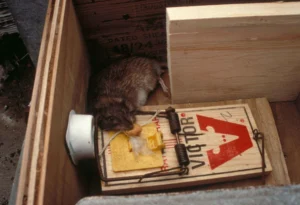
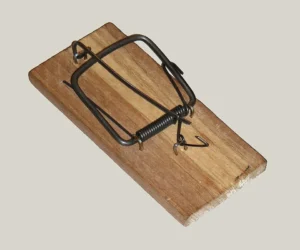
To set a snap trap for a rat, pull back the metal kill bar over the bait platform, hold it down, and hook the catch plate under the small metal rod. Place the trap against walls where you’ve seen rat activity, with the bait end facing the wall.
The whole process takes less than a minute once you know what you’re doing. You just need to be careful with your fingers and make sure the trap is positioned in the right spot where rats actually travel.
Why Snap Traps Work So Well for Rats
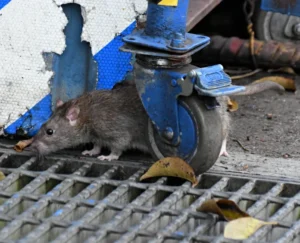
Rats are creatures of habit. They like to run along walls and edges because it makes them feel safe.
When they smell food on a snap trap, they’ll investigate it. The moment they step on the trigger plate or try to grab the bait, the spring releases and the metal bar comes down fast.

Snap traps are effective because they’re designed to kill instantly. This is actually more humane than poison, which can make rats suffer for days before they die.
They’re also reusable. You can clean them off and set them again, which makes them way cheaper than buying new poison or glue traps all the time.
What You’ll Need Before You Start
You don’t need much to set up a snap trap. Just grab a few basic things and you’re ready to go.
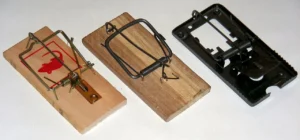
First, you’ll need the snap trap itself. The classic wooden Victor traps work great, but there are also plastic versions that are easier to clean.
You’ll also need bait. Peanut butter works better than cheese (we’ll talk more about that in a minute).
Some people like to wear gloves when they handle traps. This keeps your scent off the trap and protects your hands if the trap goes off accidentally.
A flashlight helps too, especially if you’re setting traps in dark corners, under cabinets, or in basements where rats like to hide.
The Best Bait to Use on Rat Snap Traps
Everyone thinks rats love cheese, but that’s actually not their favorite food. Rats are way more interested in high-protein, high-fat foods.
Peanut butter is hands down the best bait for snap traps. It’s sticky, so rats can’t just grab it and run. They have to work at it, which means they’re more likely to trigger the trap.
You only need a small amount. A pea-sized dab is enough. If you use too much, smart rats might figure out how to lick it off without setting off the trap.
Other good options include small pieces of bacon, dried fruit, or even chocolate. Nuts work well too, but you’ll want to tie them to the bait platform with string or wire so rats can’t steal them.
Don’t use liquid baits or anything that can drip off. You want something that stays put and forces the rat to really interact with the trap.
How to Actually Set the Snap Trap
This is where people get nervous, but it’s really not that hard. You just need to go slow and pay attention to where your fingers are.
First, place the trap on a flat surface with the bait platform facing you. Put your bait on the small metal platform in the middle of the trap.
Now comes the part where you need to be careful. Pull the metal kill bar all the way back over the bait platform. It’s the long metal piece that does the actual killing.
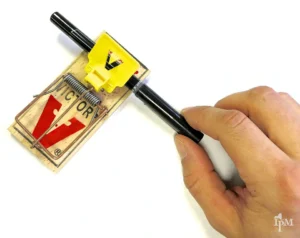
Hold the kill bar down with one hand. With your other hand, pull back the small metal catch plate (it’s the piece with the little hook on it).
Hook the catch plate under the metal rod that sticks up from the bait platform. You’ll feel it click into place.
Here’s the important part: keep your fingers away from the trigger plate and the kill bar when you let go. The trap is now armed and ready.
If you’re worried about your fingers, you can use a pencil or stick to hold down the kill bar while you set the catch plate. Some newer traps even have yellow plastic tabs you can pull to set them without touching the spring.
Where to Place Your Rat Snap Traps
Location matters just as much as how you set the trap. You can have a perfectly set trap, but if it’s in the wrong spot, you won’t catch anything.
Rats almost always run along walls. They don’t like being out in the open where predators can see them.
Place your traps right up against walls where you’ve seen rat droppings, gnaw marks, or greasy rub marks. The bait end should face the wall, not out into the room.
Rats will run along the wall, see the trap in their path, and investigate the bait. This puts them in the perfect position to trigger the trap.
Good spots include: behind appliances, under sinks, in corners of basements or garages, along fence lines outside, and anywhere you’ve actually seen a rat.
Don’t put traps in the middle of rooms or out in open areas. Rats won’t go there, so you’re just wasting your time.
How Many Traps Should You Set?
One trap probably won’t cut it. If you’ve seen one rat, there are almost certainly more hiding nearby.
Start with at least three to five traps in the area where you’ve seen activity. Rats are social animals and they usually live in groups.
Space the traps about 10 to 15 feet apart along walls and in corners. You want to cover the routes rats use to move around your house.
In really bad infestations, you might need 10 or more traps. It sounds like a lot, but it’s better to over-trap than under-trap.
Check your traps every day. If you catch a rat, reset the trap right away. Where there’s one rat, there are usually others.
Important Safety Tips When Setting Snap Traps
Snap traps can hurt you if you’re not careful. The spring is strong enough to break a rat’s neck, so it can definitely bruise or cut your fingers.
Always set the trap on a flat, stable surface before you place it in position. Don’t try to set it while it’s already in a tight corner or under a cabinet.
Keep your fingers away from the kill bar and trigger plate once the trap is set. Only touch the edges of the wooden or plastic base when you move it.
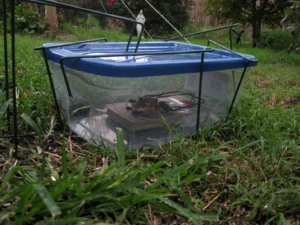
If you have kids or pets, put the traps in places they can’t reach. Behind appliances, inside cabinets (with the door closed), or in crawl spaces work well.
You can also buy trap covers or bait stations that let rats in but keep kids and pets out. These are especially useful if you’re setting traps in areas where people walk.
Never try to adjust a trap that’s already set. If you need to move it or change the bait, use a stick to trigger it first, then reset it properly.
What to Do If the Trap Keeps Going Off Without Catching Anything
This happens sometimes, and it’s usually because the trap is too sensitive or the rats are being extra careful.
If the trap snaps shut with no rat in it, the trigger might be set too lightly. Try adjusting the catch plate so it’s hooked a little deeper under the metal rod.
Some rats are smart enough to steal bait without triggering the trap. If this keeps happening, use stickier bait like peanut butter, or tie solid baits (like nuts) to the platform with thread.
You might also be dealing with a trap-shy rat. These are rats that have seen other rats get caught, so they avoid traps completely.
Try leaving the trap unset for a few days with bait on it. Let the rat get comfortable eating from it. Then set it once the rat thinks it’s safe.
Another trick is to use multiple traps. Set two or three traps really close together along the same wall. If a rat jumps over one trap, it’ll land on another.
How Often Should You Check Your Traps?
You need to check snap traps at least once a day, preferably twice. A dead rat will start to smell after 24 hours, especially in warm weather.
If you catch a rat, remove it right away. The smell of a dead rat can actually scare off other rats, making your remaining traps less effective.
Checking daily also lets you see which traps are working and which ones aren’t catching anything. You can move the unsuccessful traps to better locations.
If you’re using traps outside, check them even more often. Other animals might mess with them, or rain and weather might affect how they work.
Empty traps should be re-baited every few days. The scent of the bait fades over time, and old, dried-out bait won’t attract rats.
Common Mistakes People Make When Setting Snap Traps
The biggest mistake is using too much bait. A tiny dab of peanut butter works way better than a huge glob.
Another mistake is setting traps in the wrong places. Remember, rats travel along walls, not across open floors.
Some people set the trap facing the wrong direction. The bait end needs to be against the wall so rats approach it naturally as they run along the baseboard.
Not using enough traps is another problem. One or two traps might catch a rat eventually, but you’ll get rid of the problem much faster with five or six traps.
People also forget to wear gloves. Your scent on the trap can make rats suspicious. If you don’t have gloves, at least wash your hands first.
Finally, giving up too soon is a mistake. Sometimes it takes a few days for rats to find and investigate new traps. Don’t move them around constantly or you’ll just confuse the rats.
What Makes Snap Traps Different from Other Rat Traps
Snap traps kill instantly, which is way more humane than glue traps or poison. With glue traps, rats can suffer for hours or even days.
Poison makes rats die slowly, and they often crawl into walls or other hidden spots to die. Then you’ve got a dead rat you can’t find, and it smells horrible for weeks.
Snap traps also let you see exactly what you caught. You know when you’ve got a rat, and you can remove it right away.
They’re cheaper than electronic traps, which can cost $30 to $60 each. A good snap trap costs just a few dollars and works just as well.
The downside is that snap traps can be a bit messy. You have to handle the dead rat when you remove it, which some people find gross.
But if you can get past that, snap traps are one of the most effective and affordable ways to deal with rats.
Dealing with Trap-Shy Rats
Some rats are really smart. If they’ve seen other rats get caught in traps, they’ll avoid anything that looks like a trap.
The best way to deal with this is to pre-bait. Put bait on the trap but don’t set it. Let the rat eat from it safely for a few nights.
Once the rat thinks the trap is a safe food source, set it. The rat will come back for more food and won’t expect the trap to be armed.
You can also try different types of traps. If a rat is avoiding snap traps, try a live cage trap instead. Sometimes changing up your approach works.
Moving traps to completely new locations can help too. A trap-shy rat might avoid a certain spot, but it won’t know there’s a trap somewhere else.
Cleaning and Resetting Your Snap Traps
After you catch a rat, you need to clean the trap before you use it again. Dead rats can leave blood and other stuff on the trap that might scare away other rats.
Use hot, soapy water and a scrub brush to clean the trap. You can also use a diluted bleach solution to disinfect it.
Rinse the trap well and let it dry completely. Any smell of cleaning chemicals can make rats avoid the trap.
Once it’s clean and dry, you can set it up again with fresh bait. The same trap can catch multiple rats if you take care of it.
Wooden traps can get worn out after a while. If the wood is cracked or the spring is getting weak, just buy a new trap. They’re cheap enough that it’s not worth messing with a broken one.
Signs Your Snap Trap Strategy Is Working
You’ll know your traps are working when you start catching rats. That’s the obvious sign.
But you should also notice less rat activity overall. Fewer droppings, less gnawing on food packages, and no scratching sounds in the walls at night.
If you were catching a rat every day and now you’re going several days without catching anything, that’s a good sign. It means you’ve reduced the population.
Keep the traps set for at least a week after you catch your last rat. You want to make sure there aren’t any stragglers left.
Once you haven’t caught anything for a full week, you can probably take the traps up. But keep them handy in case you see signs of rats again.
Conclusion
Setting a snap trap for rats isn’t complicated, but you do need to do it right if you want it to work. The key things to remember are: use a small amount of sticky bait like peanut butter, place the trap against walls where rats travel, and set enough traps to actually make a difference.
Take your time when you’re setting the trap to avoid hurting your fingers. Once you’ve done it a few times, it becomes second nature.
Check your traps daily, clean them between uses, and don’t give up if you don’t catch something right away. Rats can be cautious, but a well-placed snap trap will eventually get them.
If you follow these steps, you’ll have a much better chance of getting rid of your rat problem quickly and humanely.

Hi, my name is Ezra Mushala, i have been interested animals all my life. I am the main author and editor here at snakeinformer.com.