
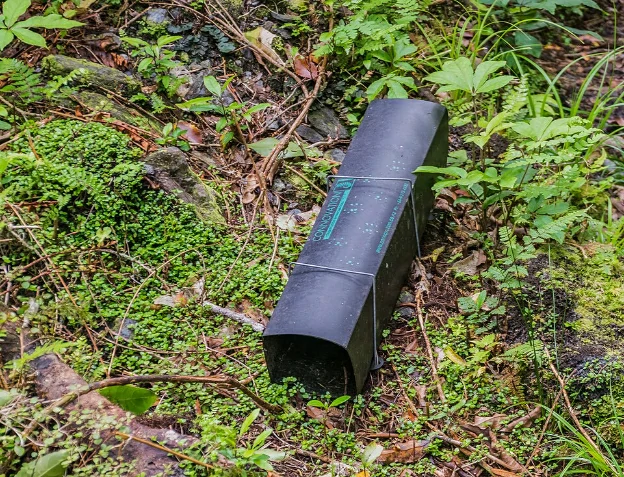
Rats are smart, cautious creatures that often avoid traditional traps. If you’ve been dealing with rats in your yard, garage, or garden, you’ve probably come across tunnel rat traps as a solution.
These traps are designed to look like natural pathways that rats would normally use, making them seem less threatening than other trap types. But do tunnel rat traps actually work?
Yes, tunnel rat traps work very well when placed correctly. Rats naturally prefer traveling through enclosed spaces and tunnels, so they’re more likely to enter a tunnel trap than an open trap. The key is placing the trap along their regular travel routes and using the right bait.
Tunnel traps take advantage of rat behavior. Rats don’t like being out in the open where predators can see them.
They stick to walls, edges, and covered pathways whenever possible. A tunnel trap mimics these safe spaces, which makes rats feel more comfortable entering.
Why Rats Prefer Tunnel-Style Traps
Rats are prey animals, even though they can be aggressive when cornered. In the wild, they’re hunted by owls, hawks, cats, snakes, and other predators.
Because of this, they’ve developed strong survival instincts that make them extremely cautious.
When a rat is moving around looking for food or exploring new territory, it won’t just run across an open floor.

Instead, it’ll hug walls and stick to covered areas where it feels protected. This is called thigmotaxis, which is just a fancy scientific term for wall-hugging behavior.
Tunnel traps work because they match this natural behavior. When a rat sees a tunnel, it doesn’t trigger the same alarm bells as an open snap trap sitting in the middle of the floor.
The tunnel looks like a safe passageway, so the rat is more willing to enter.
This is especially true if you place the tunnel trap along a route the rat already uses. Rats are creatures of habit and will take the same paths over and over again.
If you put a tunnel trap right in their usual pathway, they’ll often walk right in without thinking twice.
How Tunnel Rat Traps Are Different From Regular Traps
Regular snap traps and glue traps are completely exposed. A rat can see them from a distance, and if the rat has seen another rat get caught (or if it’s just naturally cautious), it’ll avoid the trap entirely.
Tunnel traps hide the actual trapping mechanism inside an enclosed space.
The rat can’t see what’s inside until it’s already committed to entering. By that point, it’s usually too late.
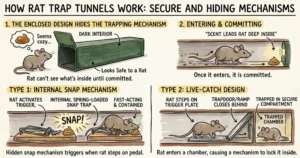
Some tunnel traps use snap mechanisms inside the tunnel. Others use live-catch designs that trap the rat in a chamber once it enters.
Both styles work, but snap traps inside tunnels tend to be faster and more humane because the rat is killed instantly.
Another big advantage is that tunnel traps protect the trap mechanism from kids, pets, and non-target animals.
If you have a dog or cat, you don’t want them accidentally setting off a snap trap. The tunnel keeps curious paws out while still allowing rats to enter.
Where Should You Place Tunnel Rat Traps?
Placement is everything when it comes to tunnel traps. You can have the best trap in the world, but if you put it in the wrong spot, you won’t catch anything.
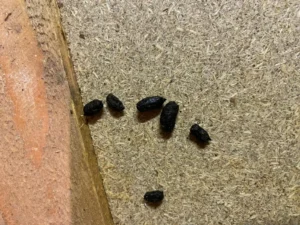
Start by looking for signs of rat activity. Rats leave droppings, greasy smudge marks along walls (from their oily fur), and gnaw marks on wood, plastic, or food containers.
If you see these signs, you’ve found an active area.
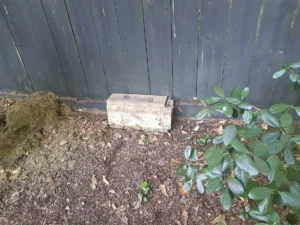
Place your tunnel trap right along the wall where you see the most activity. Don’t put it in the middle of the room.
Rats won’t cross open spaces if they can avoid it, so a trap in the center of a floor will just sit there unused.
If you’re using the trap outdoors, look for rat burrows, runways in the grass, or areas near compost piles, garbage cans, and bird feeders.
Rats love these spots because there’s usually food nearby.
You can also place tunnel traps near entry points. If rats are getting into your house through a gap in the foundation or a hole in the wall, put a trap right outside that opening.
The rat will have to pass through the trap to get inside.
What Bait Works Best in Tunnel Rat Traps?
The right bait makes a huge difference. Rats are attracted to high-protein, high-fat foods because these give them the most energy.
Contrary to popular belief, cheese isn’t the best bait. Rats will eat it, but there are much better options.
Peanut butter is one of the most effective baits you can use. It’s sticky, so the rat has to work to get it off the trigger plate, which increases the chance of setting off the trap. It also has a strong smell that attracts rats from a distance.
Other great baits include bacon, dried fruit, nuts, seeds, and even chocolate. If you know the rats have been getting into specific food in your house (like dog food or birdseed), use that as bait.
Rats are more likely to go for something they already recognize as food.
You don’t need a lot of bait. A small dab of peanut butter or a single piece of bacon is enough.
Too much bait can actually make it easier for the rat to grab the food without triggering the trap.
How Long Does It Take to Catch a Rat in a Tunnel Trap?
This depends on how many rats you’re dealing with and how cautious they are. Some rats will enter a tunnel trap on the first night.
Others might avoid it for several days while they get used to seeing it in their environment.
Rats are naturally suspicious of new objects. If you place a trap in an area and it’s the first new thing the rat has seen there in weeks, the rat might avoid it at first. This is called neophobia, which just means fear of new things.
One trick to speed things up is to leave the trap unset for a day or two with bait inside. Let the rat take the bait without getting caught.
Once the rat learns that the tunnel is a safe place to find food, set the trap. The rat will return expecting another easy meal and get caught.
If you’re dealing with a large rat population, you might catch one rat per night until the population is under control. If you’re only dealing with one or two rats, it might take a few nights to catch them all.
Can Rats Learn to Avoid Tunnel Traps?
Rats are incredibly smart. If a rat sees another rat get caught in a trap, it’ll avoid that trap and anything similar to it. This is why it’s important to use multiple traps in different locations rather than relying on just one.
If you’ve been using the same trap in the same spot for weeks without success, the rats in your area might have learned to avoid it.
In that case, switch to a different type of trap or move the trap to a new location.
You can also try changing the bait. If you’ve been using peanut butter for a while, switch to bacon or dried fruit. Sometimes a new smell is enough to trick a cautious rat into investigating.
Another option is to use multiple tunnel traps at the same time. If you have several traps set along different parts of the rat’s travel route, it’s much harder for the rat to avoid all of them.
Are Tunnel Traps Better Than Other Rat Traps?
Tunnel traps aren’t necessarily better than all other traps, but they do have some clear advantages. They’re safer around pets and kids, they’re more discreet, and they take advantage of natural rat behavior.
Snap traps that aren’t inside tunnels can still work, but they’re more likely to be avoided by cautious rats. Glue traps are effective but inhumane because the rat suffers for hours or even days before dying.
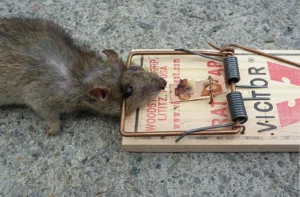
Poison is risky because the rat can die inside your walls and cause a terrible smell.
Live-catch traps work well if you want to release the rat far away from your property, but you’ll need to check the trap frequently. If a rat is stuck in a live trap for too long without food or water, it’ll become stressed and dehydrated.
Tunnel traps that use snap mechanisms are one of the most humane options because the rat dies instantly. There’s no suffering, and you don’t have to worry about poisoning non-target animals or dealing with a live rat.
What to Do After You Catch a Rat
Once you’ve caught a rat, you need to dispose of it properly. If you used a snap trap, the rat is already dead. Wear gloves and place the rat in a plastic bag, seal it, and throw it in your outdoor trash.
If you used a live-catch tunnel trap, you’ll need to decide what to do with the rat. Some people release rats far from their property, but this often just moves the problem to someone else’s yard.
Rats are also unlikely to survive if released in an unfamiliar area because they won’t know where to find food, water, or shelter.
The most humane option for a live-caught rat is to use CO2 euthanasia, but this requires special equipment. If you’re not comfortable with this, contact a pest control professional who can handle it for you.
After you’ve removed the rat, clean the trap thoroughly before using it again. Rats can smell the scent of a dead rat on the trap, and some will avoid it because of that. Wash the trap with soap and water, or wipe it down with a disinfectant.
How to Prevent Rats From Coming Back
Catching rats is only half the battle. If you don’t address what attracted them in the first place, more rats will show up to take their place.
Start by sealing entry points. Rats can squeeze through gaps as small as a quarter, so check your foundation, walls, doors, and windows for any openings.

Use steel wool, caulk, or metal mesh to block these gaps. Rats can chew through wood and plastic, but they can’t chew through metal.
Remove food sources. Don’t leave pet food out overnight, store birdseed in sealed containers, and keep your trash cans tightly closed. If you have fruit trees, pick up fallen fruit regularly. Compost piles should be turned frequently and kept away from your house.
Eliminate water sources. Rats need water to survive, so fix any leaky pipes, drains, or outdoor faucets. Don’t leave standing water in buckets, birdbaths, or plant saucers.
Keep your yard clean. Trim back bushes and trees so they’re not touching your house.
Rats use branches as highways to get onto your roof. Remove piles of wood, debris, or clutter where rats could hide or nest.
Conclusion
Tunnel rat traps work very well when used correctly. They take advantage of rat behavior by providing an enclosed space that feels safe, which makes rats more likely to enter.
The key to success is placing the trap along active rat pathways, using attractive bait like peanut butter or bacon, and being patient.
If you’ve been struggling with rats and haven’t had luck with open traps, tunnel traps are definitely worth trying. They’re safer, more effective, and more humane than many other options.
Just remember that trapping is only part of the solution. You also need to seal entry points, remove food sources, and keep your property clean to prevent new rats from moving in.
With the right approach, tunnel rat traps can help you get rid of rats for good.

Hi, my name is Ezra Mushala, i have been interested animals all my life. I am the main author and editor here at snakeinformer.com.