
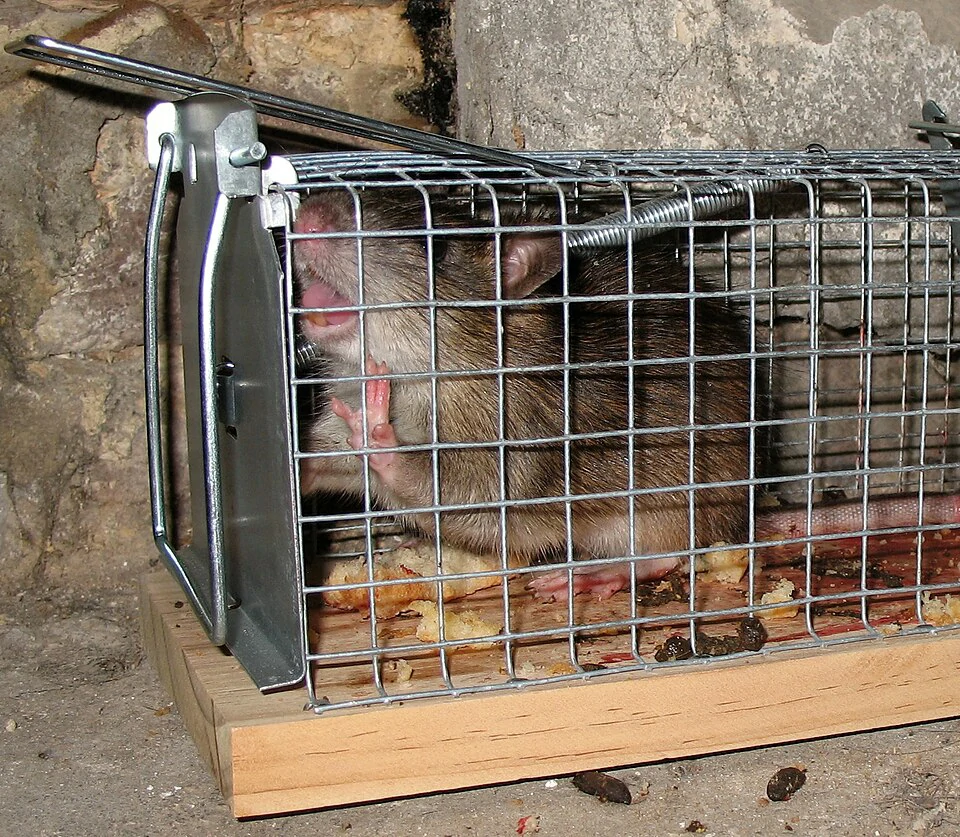
When you’re dealing with a rat problem, you’ve got several options for getting rid of them. Snap traps, poison, glue traps, and cage traps are all available at your local hardware store.
Cage traps seem like the most humane option because they catch rats alive instead of killing them. But just because something seems like a good idea doesn’t mean it actually works. Do rat cage traps work?
Yes, rat cage traps work when used correctly. They can catch rats just as effectively as snap traps or poison, but success depends on proper placement along rat runways, using attractive bait, setting the trigger mechanism correctly, and being patient while rats overcome their natural caution around new objects.
Cage traps aren’t magic solutions, though. They work well in some situations and poorly in others.
Let’s look at when they work best and what you need to do to actually catch rats with them.
Why Cage Traps Can Be Just as Effective as Kill Traps
A lot of people assume that kill traps work better than cage traps, but that’s not really true. Both types of traps can catch rats effectively if you use them right.
The main advantage of cage traps is that they’re reusable. Once you catch a rat and release it (or euthanize it yourself), you can clean the trap and use it again immediately.
Snap traps need to be reset, and sometimes rats are so strong they actually break the traps.

Cage traps also tend to be safer around pets and kids. If a dog or cat sticks their nose into a cage trap, nothing bad happens.
The worst case is the door closes and you have to release your pet (which is embarrassing but harmless). With snap traps, pets can get seriously hurt.
Another benefit is that cage traps let you see what you’ve caught. Sometimes you might catch something other than a rat (like a chipmunk or a mouse), and with a cage trap, you can just release it.
With a snap trap, you’ve killed an animal you didn’t mean to kill.
The success rate with cage traps is actually pretty similar to snap traps in controlled studies. The difference isn’t in how well they work, but in how they work and what you do with the rat afterward.
When Cage Traps Work Best
Cage traps are most effective in certain situations. Understanding when to use them can save you a lot of frustration.
They work really well when you only have a few rats. If you’re dealing with one or two rats that got into your house, cage traps are perfect.
You can catch them, release them far away, and solve your problem humanely.

Cage traps are also great for situations where you can’t use poison. If you have pets or small kids in the house, poison is dangerous.
Even if you put it somewhere you think they can’t reach, accidents happen. Cage traps eliminate that risk completely.
They work best in areas where you can easily check them regularly. If you have a rat in your basement and you go down there every day anyway, a cage trap is ideal. You can check it morning and evening without much extra effort.
Cage traps are also good when you’re not sure if you have rats or some other animal. Since you catch the animal alive, you can identify it and decide what to do.
This is especially useful in attics or sheds where various animals might be living.
When Cage Traps Don’t Work Well
There are definitely situations where cage traps struggle or just aren’t practical. Being honest about this can save you time and money.
If you have a major infestation with dozens of rats, cage traps probably aren’t your best option. You’d need so many traps, and checking them all twice a day would become a full-time job.
In these cases, professional pest control with multiple methods is usually necessary.

Cage traps also don’t work well in tight spaces where you can’t place a full-sized trap. If rats are living in your walls or in very narrow crawl spaces, you physically can’t fit a cage trap there. You’d need smaller snap traps or other methods.
They’re not ideal if you live somewhere that makes releasing rats difficult or illegal. Some states and cities have laws against relocating wildlife (including rats) because it can spread disease.
If you can’t release the rats and you’re not comfortable euthanizing them yourself, cage traps create an awkward situation.
Cage traps can also be frustrating if you’re in a hurry to solve your rat problem. Rats are cautious around new objects, and it might take several days before they’re comfortable enough to enter a trap. If you need results immediately, faster methods might be better.
What Actually Makes Cage Traps Succeed or Fail
The difference between catching rats and catching nothing comes down to a few key factors. Getting these right makes all the difference.
Location is probably the most important factor. If your trap isn’t where the rats are traveling, they’ll never find it. Rats follow the same paths repeatedly, usually along walls and in corners. Your trap needs to be on one of these paths.
The bait you use matters a lot too. Rats are attracted to high-calorie foods with strong smells.
Peanut butter is popular because it works, but chocolate, bacon, dried fruit, and nuts can all be effective. What works in one house might not work in another, so you might need to experiment.
How you set the trigger mechanism is critical. If it’s too tight, the rat won’t be heavy enough to trigger it. If it’s too loose, the door will close before the rat is fully inside. Finding the right balance takes some practice.
Patience is another factor that people underestimate. Rats have neophobia, which means they’re naturally suspicious of new objects in their environment.
Even if your trap is perfectly placed with great bait, rats might avoid it for a day or two. This is normal, not a sign that the trap doesn’t work.
How Rat Behavior Affects Trap Success
Understanding how rats think and move helps you use cage traps more effectively. Rats aren’t random in their behavior. They follow patterns.
Rats are creatures of habit. Once they establish a path between their nest and a food source, they use the same route over and over. This is good for you because it means if you place a trap on that route, the rat will eventually encounter it.
They’re also most active at night. During the day, rats usually stay hidden in their nests. When it gets dark and quiet, that’s when they come out to search for food. This means you won’t hear or see rats during the day even if they’re there.

Rats have excellent senses of smell and touch but relatively poor eyesight. They navigate more by smell and by feeling their way along walls than by seeing where they’re going. This is why they prefer running along edges rather than crossing open spaces.
They’re also very intelligent animals. If a rat sees another rat get caught in a trap, it might avoid that trap completely. This is called trap-shyness, and it’s one reason why cage traps (which don’t kill the first rat) can actually work better than snap traps in some situations.
Comparing Cage Traps to Other Rat Control Methods
To really understand if cage traps work, it helps to compare them to the alternatives. Each method has strengths and weaknesses.
Snap traps kill rats instantly (when they work correctly), which some people consider more humane than trapping and relocating.

They’re also smaller and easier to place in tight spaces. However, they’re single-use (you have to reset them after each catch), they can hurt pets and kids, and they require you to dispose of dead rats.
Poison is effective for large infestations and requires less effort than trapping. But it’s dangerous around pets and kids, rats often die in walls or other inaccessible places (creating terrible smells), and it’s arguably less humane because rats suffer before dying.
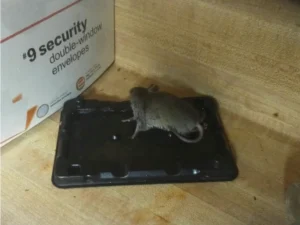
Glue traps are cheap and easy to use, but they’re considered inhumane by most people. Rats stuck to glue boards often panic and injure themselves trying to escape, and you still have to deal with a live, terrified rat afterward.
Electronic traps kill rats with an electric shock and are more humane than glue traps or poison. But they’re expensive, require batteries or electricity, and still require you to dispose of dead rats.
Cage traps fall somewhere in the middle. They’re humane, safe, and reusable, but they require more effort and patience than some other methods.
Real Success Rates Based on Proper Use
When cage traps are used correctly, how often do they actually catch rats? The answer depends a lot on what “correctly” means.
Studies on trap effectiveness show that cage traps can have success rates of 70% or higher when placed in optimal locations with good bait and proper setup. That’s just as good as snap traps in the same conditions.
However, in real-world use, success rates vary widely. People who just throw a cage trap on the floor with some random bait might only catch rats 20-30% of the time. The trap itself works fine, but the user isn’t doing everything right.
The biggest factor in success is location. Traps placed directly on rat runways (along walls where you see droppings and grease marks) catch rats much more often than traps placed in random spots.
Bait choice also matters significantly. Tests show that peanut butter and chocolate-hazelnut spread catch more rats than most other baits. But some rat populations have learned to be suspicious of these common baits, so variety can help.
Pre-baiting (leaving the trap unset with food for a few days before setting it) can increase success rates by 40% or more. This lets rats get comfortable eating from the trap before there’s any danger.
Why Some People Say Cage Traps Don’t Work
If cage traps can be effective, why do some people claim they don’t work at all? Usually, it’s because they made one of several common mistakes.
The most common mistake is placing the trap in the wrong location. People put the trap in the middle of a room or in a spot that’s convenient for them, not where the rats actually travel. Then they’re surprised when nothing gets caught.
Another mistake is using too much bait or the wrong kind of bait. If you pile food in the front of the trap, rats can grab it without fully entering. If you use stale or odorless bait, rats aren’t attracted to the trap at all.

Some people set the trigger mechanism incorrectly. If it’s too tight, rats can walk through the trap without triggering it. If it’s too loose, the door closes before the rat is inside. Either way, you don’t catch anything.
Impatience is also a big factor. People set a trap and expect immediate results. When they don’t catch anything in 24 hours, they declare the trap doesn’t work and give up. But rats often need 2-3 days to overcome their natural caution around new objects.
Finally, some people don’t check their traps regularly. If you only check once every few days, you might catch a rat but then it dies of stress or dehydration in the trap. This isn’t the trap’s fault, but it gives cage traps a bad reputation.
How to Maximize Your Success With Cage Traps
If you want cage traps to work for you, there are specific things you can do to improve your chances. These tips come from people who successfully use cage traps regularly.
First, do your homework before placing the trap. Spend a day or two observing where you see rat activity. Look for droppings, grease marks, gnaw marks, and other signs. Place your trap directly on the paths where rats are traveling.
Use high-quality bait with a strong smell. Fresh peanut butter is the standard for good reason. Some people mix it with a little bit of bacon grease or chocolate to make it even more attractive.
Consider pre-baiting your trap. Leave it unset with food inside for 2-3 days. Let rats eat from it freely. Once they’re comfortable, set the mechanism and you’ll likely catch them quickly.
Check your trap at least twice a day, once in the morning and once in the evening. This ensures that if you catch a rat, it isn’t stuck in the trap for too long. It also lets you refresh bait and adjust placement if needed.
Use multiple traps if you have multiple areas with rat activity. Don’t rely on a single trap to solve your entire problem. The more traps you have out, the better your odds.
What to Expect Timeline-Wise
When you set up a cage trap, what’s a realistic timeline for catching something? This varies, but there are some general guidelines.
If you’ve placed your trap on an active rat runway with good bait and correct setup, you might catch something within 24 hours. Rats that are actively using an area will find your trap quickly.
More commonly, it takes 2-4 days to catch a rat. The first day or two, rats notice the trap but avoid it because it’s new and unfamiliar. By the third or fourth day, their curiosity and hunger overcome their caution and they enter the trap.
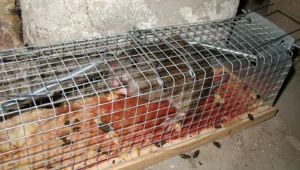
If you’ve gone a full week without catching anything, something is probably wrong. Either the location isn’t right, the bait isn’t attractive enough, or the trigger mechanism isn’t set correctly. At this point, you should make changes rather than just keep waiting.
Sometimes you’ll catch multiple rats in quick succession. If you catch one rat, check the trap frequently over the next few days. Where there’s one rat, there are often more. They tend to live in small groups or families.
After you’ve caught several rats and then go a few days without catching any more, you’ve probably caught all the rats in your immediate area. Check for fresh droppings and other signs to confirm they’re actually gone.
Factors Outside Your Control
Even when you do everything right, some factors can affect whether cage traps work for you. Being aware of these can help set realistic expectations.
The size of your rat population matters. If you have just one or two rats, cage traps work great. If you have twenty rats, cage traps alone probably won’t solve the problem fast enough.
Rat intelligence varies between individuals. Some rats are naturally more cautious and harder to catch than others. You might catch three rats easily and then struggle for weeks with a fourth that’s just smarter or more suspicious.
The availability of other food sources plays a big role. If rats have easy access to pet food, garbage, or other food in your home, your trap bait might not be attractive enough by comparison. You need to remove competing food sources.
Some rats become trap-shy after seeing other rats get caught. This is more common with snap traps (where trapped rats struggle and die visibly), but it can happen with cage traps too.
Weather and seasons can affect rat behavior. In winter, rats are often more desperate for food and shelter, making them easier to catch. In summer, when food is abundant outside, they might be pickier about entering your trap.
Conclusion
So do rat cage traps work? Yes, they definitely work when you use them correctly. They can be just as effective as snap traps or poison in the right situations.
The key is understanding that “working” requires proper use. You need to place the trap on rat runways, use attractive bait, set the mechanism correctly, and be patient. If you do these things, cage traps will catch rats reliably.
They’re not magic solutions, and they’re not the best choice for every situation. But for many rat problems, especially smaller infestations in homes where safety and humaneness are priorities, cage traps work very well.
The trap isn’t the problem. Usually, it’s how people use them that determines success or failure.

Hi, my name is Ezra Mushala, i have been interested animals all my life. I am the main author and editor here at snakeinformer.com.