
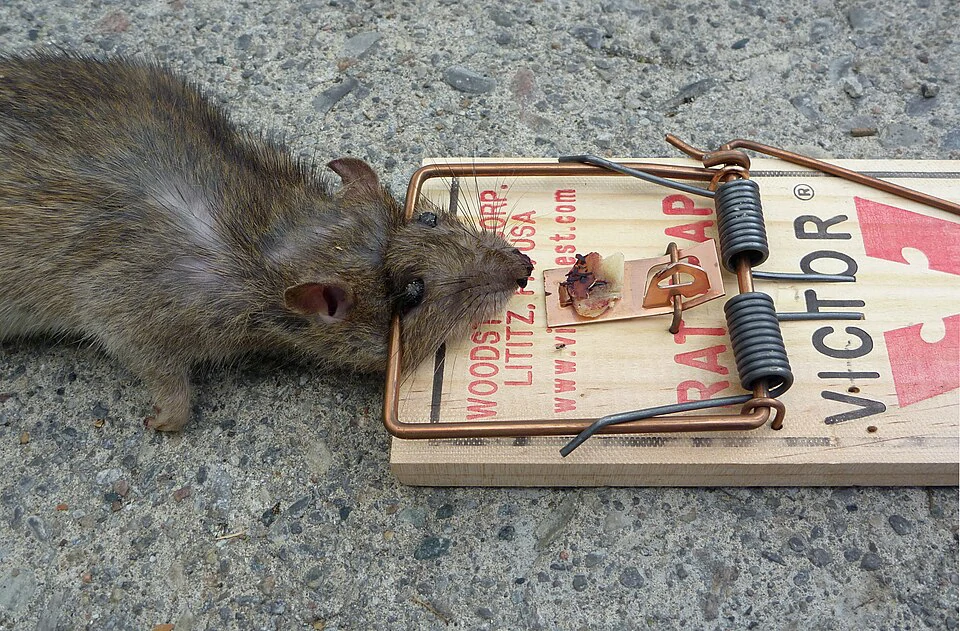
You set a rat trap, and it worked. There’s a dead rat in it, and now you’re looking at the trap wondering what to do next.
Should you throw the whole thing away and buy a new one, or can you clean it up and use it again? Rat traps aren’t expensive, but if you’ve got multiple rats, buying new traps every time adds up.
The thought of cleaning and reusing a trap that just killed an animal might seem gross, but is it actually safe and effective? Can you reuse a rat snap trap?
Yes, you can reuse a rat snap trap. After removing the dead rat, clean the trap thoroughly with hot soapy water and disinfect it to kill bacteria. Most snap traps are designed to be reused multiple times. As long as the trap mechanism still works properly and isn’t damaged, you can reset it with fresh bait and use it again.
Reusing rat traps is common practice and makes sense both financially and practically. A good snap trap can catch dozens of rats over its lifetime if you maintain it properly.
The key is cleaning it well enough to remove disease-causing bacteria while making sure the trap mechanism stays in good working condition.
Why Snap Traps Are Designed to Be Reused
Snap traps are made from durable materials like wood, metal, or heavy plastic. They’re built to last through multiple uses. The spring mechanism is designed to spring back hundreds or even thousands of times without wearing out.
Manufacturers know that people dealing with rat problems often have more than one rat. If traps could only be used once, they’d be impractical and expensive. A single-use trap would need to be incredibly cheap to make sense, and cheap traps usually don’t work well.
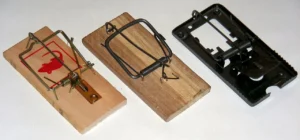
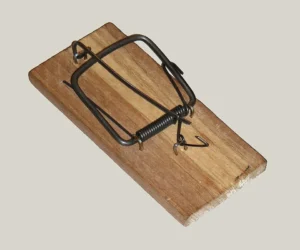
The wooden base on classic Victor traps can last for years. The metal spring and trigger mechanism are even more durable. Unless you break something while setting or cleaning the trap, it should work just as well the second, third, or tenth time as it did the first.
Modern plastic snap traps are also designed for multiple uses. They’re made from tough plastics that can be washed and disinfected without degrading. Many of these traps are actually easier to clean than wooden ones because plastic doesn’t absorb fluids or odors.
How to Remove a Dead Rat from the Trap
Before you can reuse a trap, you need to get the dead rat out of it. This part makes a lot of people uncomfortable, but it’s pretty straightforward if you take the right precautions.
First, wear gloves. Disposable gloves are best because you can throw them away afterward. Rats can carry diseases like hantavirus, salmonella, and leptospirosis. You don’t want to touch a dead rat or its fluids with bare hands.
Hold the trap over a plastic bag and release the bar. On most snap traps, you just need to lift or push the metal bar to free the rat’s body. Let the rat fall directly into the bag. This minimizes contact and keeps things contained.
If the rat is stuck to the trap because of blood or other fluids, you might need to gently pull it free. Do this carefully so you don’t damage the trap mechanism. If it’s really stuck, you can rinse the trap with water while holding it over the bag.
Seal the bag tightly. Double-bagging is a good idea to prevent leaks and odors. Dispose of the bag in an outdoor trash can, not inside your house.
Cleaning the Trap Properly
Once the rat is removed, the trap needs to be cleaned thoroughly. This isn’t just about making it look nice. It’s about killing bacteria and removing scents that might affect how the trap works.
Start by rinsing the trap under hot running water. This washes away blood, tissue, and other debris. Hold the trap so the water flows away from you, not toward you. You don’t want any splashing.
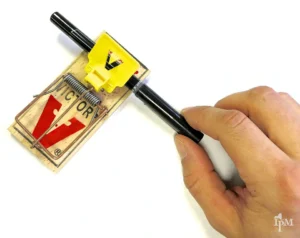
Use dish soap and a scrub brush to clean all parts of the trap. Pay special attention to the trigger mechanism and anywhere blood or fluids might’ve gotten into cracks or joints. The trigger area is where the rat’s body was, so it’ll have the most contamination.
For wooden traps, don’t soak them in water for long periods. Wood can absorb water and swell, which might affect how the trap works. Just scrub it quickly under running water and then dry it off.
Plastic traps can handle more thorough washing. You can even put some plastic traps in the dishwasher on a hot cycle, though this might gross out other people in your household.
Disinfecting to Kill Bacteria and Viruses
Washing with soap and water removes visible dirt and kills some bacteria, but it’s not enough to eliminate all pathogens. You need to disinfect the trap to make it safe to handle and use again.
A bleach solution works well for disinfection. Mix one part bleach with nine parts water. This creates a 10% bleach solution that kills most bacteria, viruses, and parasites.
Spray or wipe the bleach solution onto all surfaces of the trap. Make sure you get the trigger mechanism, the bar, and any areas that came in contact with the rat. Let the solution sit on the trap for at least five minutes. This contact time is important because it gives the bleach time to kill pathogens.
After five minutes, rinse the trap again with clean water to remove the bleach. Bleach residue can corrode metal parts over time, and it might also create a chemical smell that could repel rats.
You can also use commercial disinfectants designed for cleaning up after animals. Products like Lysol or similar disinfectant sprays work, but make sure they’re safe for the material your trap is made from.
Drying the Trap Completely
After cleaning and disinfecting, the trap needs to dry completely before you use it again. Moisture can cause several problems. It can rust metal parts, it can make wooden traps swell and warp, and it can dilute fresh bait when you add it.
Wipe the trap down with paper towels to remove excess water. Then let it air dry in a well-ventilated area. Putting it outside in the sun works great because the UV light from the sun also helps kill any remaining bacteria.
If you need to use the trap right away, you can speed up drying with a hair dryer. Just use a low heat setting so you don’t damage any plastic parts or loosen the glue holding wooden traps together.
Check that all moving parts are dry before resetting the trap. The trigger mechanism especially needs to be completely dry so it moves freely and triggers properly.
Checking the Trap for Damage
Before reusing a trap, inspect it carefully to make sure it’s still in good working condition. A damaged trap might not trigger correctly, or it might be dangerous to set.
Check the spring first. It should have good tension and snap back quickly when released. If the spring feels weak or doesn’t snap with force, the trap might not kill rats effectively. Replace it if the spring seems worn out.
Look at the trigger mechanism. Make sure the trigger plate moves freely and the catch holds the bar securely when set. If the trigger is bent, loose, or sticky, the trap might not work right.
Examine the base of the trap. Wooden bases can crack or split, especially if they’ve gotten wet repeatedly. A cracked base might not hold the mechanism securely. Plastic bases can crack too, particularly if the trap has been in freezing temperatures.
Make sure all parts are still attached properly. On wooden traps, the staples holding the spring and trigger might work loose over time. If anything feels wobbly or unstable, you might need to reinforce it or replace the trap.
When to Throw Out a Trap Instead of Reusing It
Most snap traps can be reused many times, but eventually they need to be replaced. There are certain signs that tell you a trap has reached the end of its useful life.
If the spring is weak or broken, throw the trap away. A weak spring won’t kill rats quickly or humanely. It might just injure them, which is cruel and defeats the purpose of using a snap trap.
Severe rust on metal parts is another reason to replace a trap. Rust can make the trigger stick or prevent the bar from snapping properly. It also makes the trap harder to clean and disinfect.
If the wooden base is badly damaged, cracked, or rotting, get a new trap. The base needs to be sturdy to hold the mechanism in place. A damaged base creates safety issues when you’re setting the trap.
Sometimes a trap just gets too contaminated or gross to want to clean anymore. If you’ve used the same trap dozens of times and it’s covered in stains and residue that won’t come off, it might be time for a fresh one.
How Scent Affects Trap Reuse
Rats have an incredible sense of smell. Some people worry that reusing a trap will leave scents that warn other rats away. This is actually less of a problem than you might think.
When you clean and disinfect a trap properly, most scents are removed. Any lingering smell is usually masked by the fresh bait you put on the trap when you reset it.
In fact, some trappers believe that a tiny bit of rat scent can actually help attract other rats. Rats are curious about what other rats have been doing, and they might investigate a trap that smells like another rat was there.
That said, you don’t want strong scents of death or fear hormones on the trap. These could potentially make rats more cautious. This is why thorough cleaning is important, not just for health reasons but also for effectiveness.
Using Different Baits on a Reused Trap
When you reuse a trap, you don’t have to use the same bait you used before. In fact, switching baits can sometimes be a good strategy.
If you caught one rat with peanut butter, you might try bacon on the next set. Rats in the same area might have different food preferences. Offering variety increases your chances of appealing to the next rat.
Switching baits also helps if you think rats might be getting wise to your traps. While most rats won’t avoid a clean, baited trap, changing things up keeps them from recognizing a pattern.
Make sure you’ve cleaned the trap well before putting on a different bait. You don’t want old peanut butter residue mixed with new bacon grease. Clean slate, fresh bait works best.
Storing Traps Between Uses
If you’ve caught all the rats you know about and want to save your traps for future use, proper storage keeps them in good condition.
Clean and disinfect the traps thoroughly before storing them. You don’t want any dried residue or bacteria sitting on the trap for weeks or months.
Store traps in a dry place. Moisture can cause rust and mold. A garage shelf, tool shed, or closet works well as long as it stays dry.
Keep traps in a box or bag to protect them from dust and to keep them away from kids or pets. A stored trap with the bar set can be dangerous if someone accidentally triggers it.
Before using a stored trap, check it over just like you would check a used trap. Make sure the mechanism still works and nothing has corroded or been damaged during storage.
Safety When Cleaning Rat Traps
Cleaning rat traps involves handling equipment that’s been in contact with a dead animal and potentially dangerous bacteria. Safety should be your top priority.
Always wear gloves. Disposable nitrile or latex gloves work well. If you don’t have disposable gloves, use heavy-duty rubber gloves that you can wash and disinfect afterward.
Consider wearing a mask, especially if you’re dealing with rat infestations in dusty areas like attics or basements. Hantavirus, which rats can carry, is transmitted through airborne particles from rat droppings and urine. While the virus is rare, it’s serious enough that taking precautions makes sense.
Work in a well-ventilated area. Cleaning traps outside is ideal. If you have to clean them inside, open windows and run fans to keep air moving.
Don’t clean traps near food preparation areas. Use a utility sink, outdoor faucet, or bathroom sink. Anywhere that’s not used for cooking or eating.
Wash your hands thoroughly with soap and hot water after handling traps, even if you wore gloves. It’s an extra layer of protection against contamination.
The Cost Savings of Reusing Traps
Reusing traps makes financial sense, especially if you’re dealing with a significant rat problem. A basic snap trap costs anywhere from two to five dollars. If you’re setting ten traps and need to replace them after each catch, costs add up quickly.
By reusing traps, you only pay for them once. Over the course of dealing with a rat infestation, you might catch 20 or 30 rats with the same set of 10 traps. That’s a big savings compared to buying new traps every time.
The time and effort to clean a trap is minimal compared to the time and money spent going to the store for new traps. A few minutes of scrubbing and disinfecting saves you a trip and several dollars per trap.
This is especially important for people dealing with ongoing rat problems in places like farms, warehouses, or rural homes. These situations require long-term trapping, and reusing traps is the only practical approach.
Environmental Considerations
Throwing away traps after one use creates unnecessary waste. Snap traps are made from materials like wood, metal, and plastic that take years to break down in a landfill.
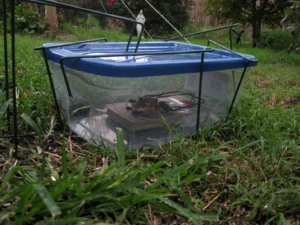
Tony Alter (CC BY 2.0)
By reusing traps, you’re reducing waste and being more environmentally responsible. This is a small thing, but it adds up when you consider how many people are dealing with rat problems at any given time.
Metal and plastic from old traps can often be recycled if you do eventually need to throw them away. Check with your local recycling program to see if they accept these materials.
Wood from old traps can be composted or burned if it’s clean and untreated. However, if the wood has been soaked in rat fluids or heavily contaminated, it’s better to throw it in the trash.
Conclusion
You can definitely reuse rat snap traps, and doing so makes sense in almost every situation. Clean the trap thoroughly with hot soapy water, disinfect it to kill bacteria, and make sure it’s completely dry before resetting it.
Check the trap for damage before each use. As long as the spring is strong and the mechanism works properly, the trap is good to go. Most quality snap traps will last through dozens of uses if you take care of them.
Reusing traps saves money, reduces waste, and is just as effective as using new traps. With proper cleaning and maintenance, there’s no reason not to get the maximum use out of every trap you buy.

Hi, my name is Ezra Mushala, i have been interested animals all my life. I am the main author and editor here at snakeinformer.com.