
If you have cats and you’re dealing with a rat problem, you’ve probably thought about using snap traps but hesitated. Cats are naturally curious, and you don’t want your pet getting hurt while you’re trying to catch rats.
It’s a real concern, especially if your cat likes to explore under furniture or in areas where you’d normally place rat traps. So can a rat snap trap actually kill a cat?
A rat snap trap is very unlikely to kill a cat, but it can cause painful injuries. The trap isn’t powerful enough to kill a full-grown cat, but it can break a cat’s paw bones, cause deep cuts, bruise tissue, or damage the nose if the cat investigates it. Small kittens are at higher risk of serious injury than adult cats.
The bottom line is that while a rat trap probably won’t kill your cat, it can definitely hurt them badly enough to need a vet visit. Let’s look at the risks and how to keep your cat safe.
How Powerful Are Rat Snap Traps?
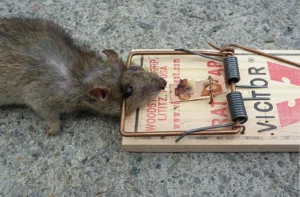
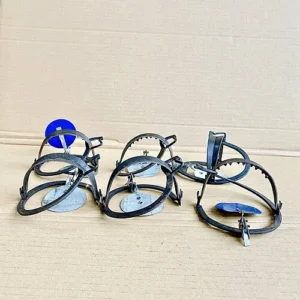
Rat snap traps are designed to deliver enough force to break a rat’s neck or spine instantly. The spring mechanism is strong, and when it releases, the metal bar comes down with significant force.
For perspective, a standard rat trap delivers about 8-12 pounds of force when it snaps. That’s enough to break the bones of a small rodent but not nearly enough to kill a cat.
A cat’s skull and neck are much larger and stronger than a rat’s. The same force that would kill a rat would hurt a cat but wouldn’t be lethal in most cases.
Still, 8-12 pounds of force is nothing to take lightly. It’s like getting hit with a hammer, and that’s going to cause pain and potential injury.
What Kind of Injuries Can Happen to a Cat?
Even though a rat trap won’t kill your cat, it can cause some pretty serious injuries that will need veterinary attention.
The most common injury is broken bones in the paw. If your cat steps on the trigger plate, the bar will snap down on their paw and can break the small bones there.
Cats might also get their nose caught if they’re sniffing the bait. This can cause deep cuts, bruising, and a lot of pain. The nose is sensitive, and any injury there is going to be really uncomfortable for your cat.
If the trap catches your cat’s tail, it can cause bruising, cuts, or even break tail bones. While not life-threatening, these injuries are painful and stressful for the cat.
In rare cases with very small kittens, the force could potentially cause more serious injuries. Kittens have smaller, more fragile bones than adult cats.
Why Cats Are Attracted to Rat Traps
Cats are natural hunters, and their instinct is to investigate anything that might be prey. A rat trap baited with food smells interesting to a cat, especially if you’re using something like bacon or fish.
Cats are also curious by nature. A new object in their territory (like a trap you just set) is something they want to check out. They’ll sniff it, paw at it, and potentially trigger it.

If you’ve placed traps in areas where your cat normally explores, like under the sink, behind the refrigerator, or in the basement, there’s a good chance your cat will find them.
Cats can also hear and smell rats, so if there’s rat activity in an area, your cat will be drawn there naturally. This puts them right where your traps are.
Stories from Cat Owners Who’ve Had Close Calls
Many cat owners have shared stories online about their cats getting caught in rat traps, and the experiences are scary but usually not fatal.
One common scenario is a cat getting their paw caught in the trap. The owner hears a loud snap followed by their cat yowling in pain. The cat usually runs away with the trap still attached to their paw.
Another common story is cats getting their nose caught while investigating the bait. This results in a bloody nose and a very frightened, angry cat.
In most cases, cats recover fully after treatment, but the vet bills can be expensive. X-rays, pain medication, and sometimes splinting broken bones can cost $200-$500 or more.
The emotional trauma to the cat is also significant. Cats who’ve been caught in traps often become anxious and skittish for weeks or months afterward.
The Difference Between Rat Traps and Mouse Traps
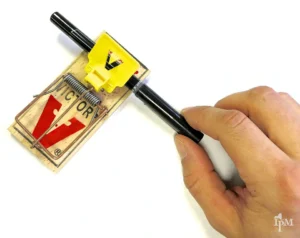
It’s worth noting that there’s a big difference between rat traps and mouse traps. Mouse traps are much smaller and weaker, and they pose almost no danger to cats.
A mouse trap might startle a cat or cause a minor pinch, but it won’t cause serious injury. The spring is just too weak.
Rat traps, on the other hand, are much more powerful because rats are bigger and stronger than mice. This extra power is what makes them dangerous to cats.
If you only have a mouse problem (not rats), you can use mouse traps around your cat with minimal risk. But never use rat traps in areas your cat can access.
How to Protect Your Cat While Using Rat Traps
If you need to use rat traps but have a cat, there are ways to do it more safely. The key is to make the traps inaccessible to your cat.
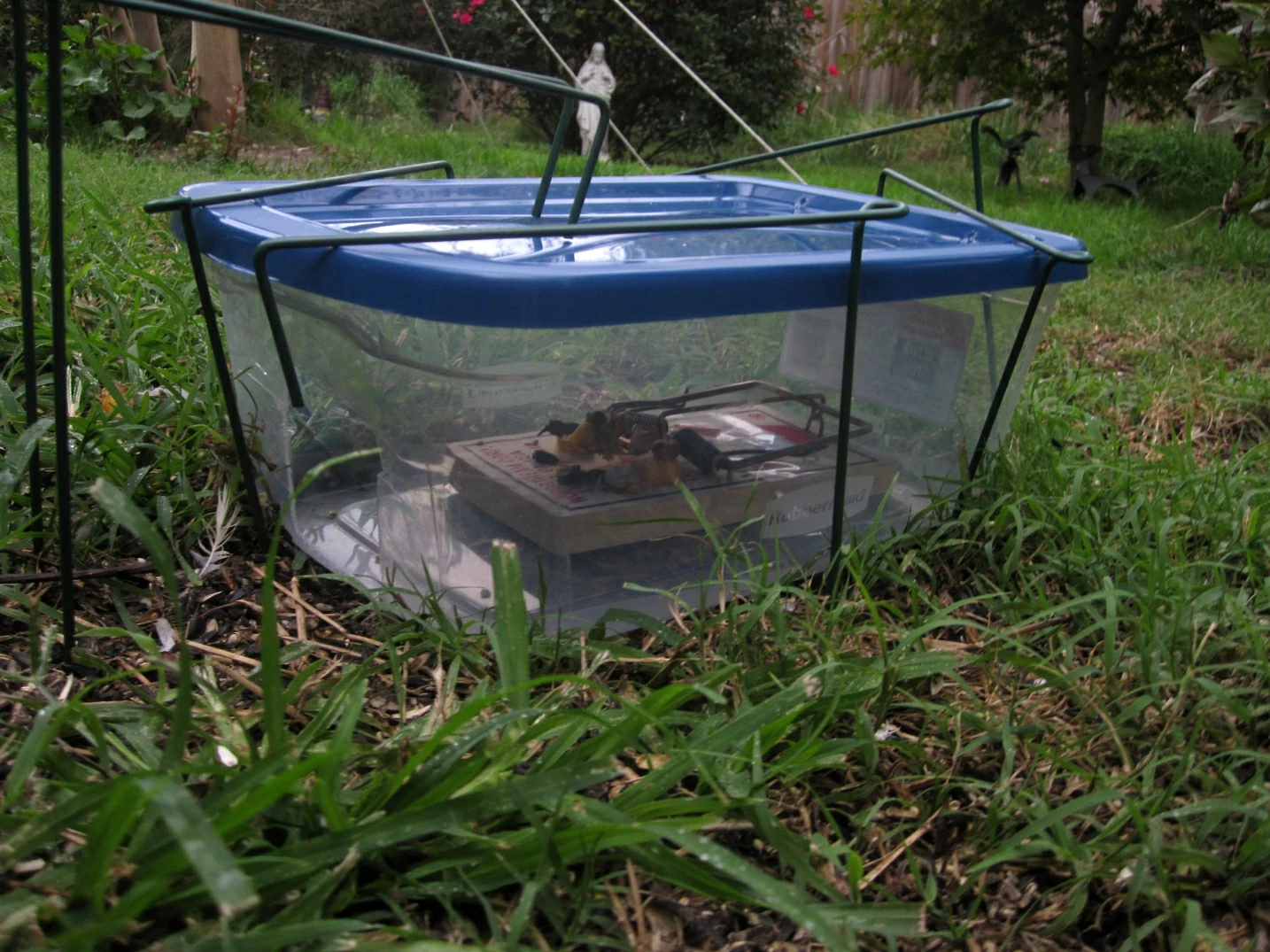
Place traps inside bait stations or trap boxes. These are enclosed containers with small entrance holes that rats can fit through but cats can’t. You can buy these at hardware stores, or you can make your own from cardboard boxes.
Put traps in areas your cat can’t reach. This might be inside closed cabinets, behind appliances that are flush against the wall, or in the attic or crawl space where your cat doesn’t go.
Set traps at night and check them first thing in the morning. Rats are most active at night, so you’re likely to catch them overnight. In the morning, you can remove the traps before your cat gets active.
You can also confine your cat to certain rooms at night while the traps are out. This ensures they can’t accidentally encounter a trap while you’re sleeping.
Using Alternative Traps That Are Safer Around Cats
If you’re worried about your cat, consider using different types of traps that are safer or easier to protect them from.
Electronic traps are enclosed boxes that rats enter, and then they receive a lethal electric shock. These are safer for cats because the entrance is small, and most cats won’t fit inside.
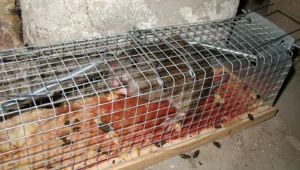
Live catch traps are also safer. These trap the rat alive in a cage, and while a cat could theoretically get their paw caught in the door, it’s not going to cause serious injury.
Glue traps are controversial and not very humane, but they won’t hurt your cat in the same way a snap trap would. The worst that happens is your cat gets sticky and needs a bath.
The downside of alternatives is that they’re usually more expensive than simple snap traps. Electronic traps cost $30-$60 each, while snap traps are $2-$5.
What to Do If Your Cat Gets Caught in a Trap
If the worst happens and your cat gets caught in a rat trap, stay calm and act quickly.
First, approach your cat slowly and speak in a calm voice. They’re going to be frightened and in pain, and they might try to run or hide.
If the trap is still attached to your cat, don’t try to force it open. Rat traps are designed to stay closed until you release the mechanism. Look for the release bar (usually a thin metal piece) and press or pull it to open the trap.
Once the trap is off, check your cat for injuries. Look for bleeding, swelling, or obvious breaks. Even if the injury looks minor, call your vet right away.
Cats are good at hiding pain, so even if your cat seems okay, there could be internal damage or fractures that need treatment.
Never punish your cat for getting caught in the trap. It wasn’t their fault, and they’re already scared and hurting.
Signs Your Cat Needs Immediate Veterinary Care
Some injuries from rat traps need immediate attention, while others can wait until your regular vet opens. Here’s how to tell the difference.
If there’s heavy bleeding that doesn’t stop within a few minutes of applying pressure, that’s an emergency. Get to an emergency vet right away.
If your cat is limping severely and won’t put any weight on the injured paw, there’s probably a broken bone. This needs x-rays and treatment soon, but it can usually wait until morning if it happens at night.
If your cat’s nose is bleeding and they’re having trouble breathing, that’s an emergency. Swelling in the nose can block airways.
If your cat seems disoriented, won’t eat or drink, or is hiding and acting completely different from normal, they might be in shock. This needs immediate veterinary attention.
For minor cuts, bruises, or scrapes without heavy bleeding, you can usually wait for your regular vet’s office hours, but it’s still important to get them checked.
The Cost of Treating Trap Injuries in Cats
Vet bills for trap injuries can add up quickly, depending on how serious the injury is.
A basic exam and pain medication might cost $100-$200. If x-rays are needed to check for broken bones, add another $150-$300.
If bones are broken and need to be set or splinted, you’re looking at $300-$800 or more. Surgery for complex fractures can cost $1,000-$3,000.
Even “minor” injuries can end up costing several hundred dollars by the time you pay for the exam, medications, and follow-up visits.
This is another good reason to take precautions to keep your cat away from rat traps in the first place.
Legal and Ethical Considerations
In some places, there might be laws about setting traps where pets can access them. If your neighbor’s cat gets injured by a trap you set, you could potentially be liable.
From an ethical standpoint, most people agree that if you have a pet, it’s your responsibility to make sure they’re safe from any pest control methods you’re using.
If you live in an apartment or shared housing, be extra careful about where you place traps. Other people’s pets might have access to common areas.
Always warn family members, roommates, or anyone else in your home about where you’ve placed traps. Make sure everyone knows to keep pets away from those areas.
Prevention Is the Best Approach
The best way to protect your cat from rat traps is to prevent the situation in the first place. If you don’t have to use snap traps at all, that’s ideal.
Focus on sealing up entry points where rats are getting into your home. Close gaps around pipes, repair holes in walls, and seal cracks in the foundation.
Remove food sources that attract rats. Store all food in sealed containers, clean up spills immediately, and don’t leave pet food out overnight.
If you can prevent rats from entering your home in the first place, you won’t need traps at all. This is safer for both your cat and more effective long-term.
Conclusion
A rat snap trap is unlikely to kill a cat, but it can cause painful injuries like broken bones, deep cuts, and bruising. The risk is especially high for curious cats and small kittens. To keep your cat safe, place traps inside enclosed bait stations, put them in areas your cat can’t access, or use alternative traps like electronic traps that are safer around pets.
If your cat does get caught in a trap, release them carefully and get veterinary care immediately for serious injuries.

Hi, my name is Ezra Mushala, i have been interested animals all my life. I am the main author and editor here at snakeinformer.com.