
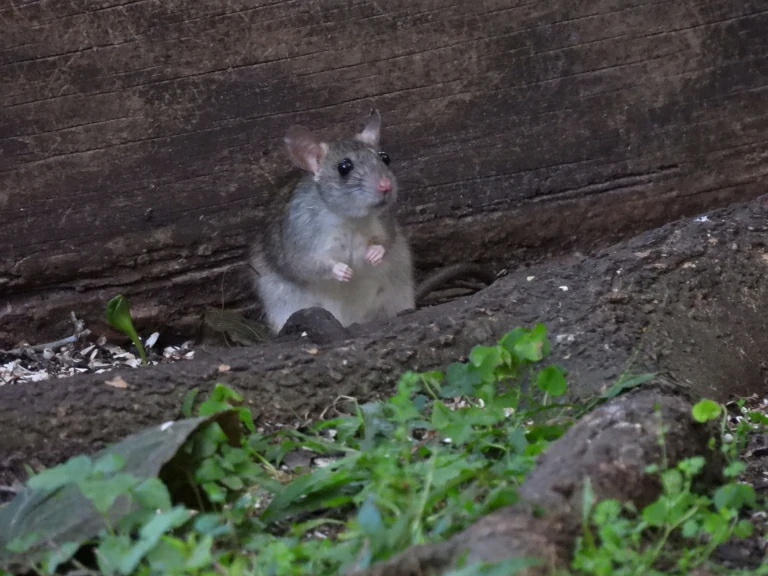
You’ve set out rat traps, checked them daily, refreshed the bait, but nothing’s working. The traps just sit there, empty and untouched, while you still hear rats scurrying around at night. If you can’t catch rats in traps, what’s going wrong?
You can’t catch rats in traps usually because of poor trap placement, wrong bait choice, or trap-shy behavior. Rats travel along walls and in specific patterns, so traps placed randomly won’t work. They also become suspicious of traps after seeing other rats caught.
Understanding why traps fail is the first step to fixing the problem. Once you know what’s going wrong, you can adjust your strategy and actually start catching the rats that have been avoiding your efforts.
Wrong Trap Placement Is the Biggest Problem
Most people place traps wherever it’s convenient, not where rats actually travel. Rats don’t wander randomly around your house.
They follow the same routes every night, usually along walls and through tight spaces. If your traps aren’t on these routes, rats will never find them.
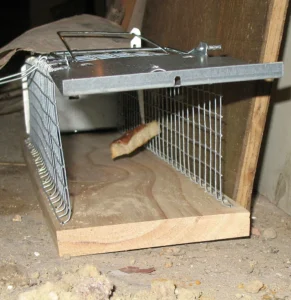
Look for signs of rat activity. Check for droppings, greasy rub marks on walls (from their fur), gnaw marks, and urine stains (visible with a blacklight). These signs tell you exactly where rats are traveling. Place traps in these high-traffic areas, not just anywhere.
Rats almost always travel along walls, never across open spaces. Place traps perpendicular to walls with the trigger end facing the wall. This forces rats to walk directly into the trigger as they move along their usual path.
You’re Using the Wrong Bait
Peanut butter is everyone’s go-to bait, but it doesn’t work for all rats. Different rat populations have different food preferences based on what they’ve been eating in your area. If rats have been getting into your dog food, they’ll ignore peanut butter in favor of familiar food.
Stale bait doesn’t work either. Rats have an excellent sense of smell and can tell when food is old. If your bait has been sitting in a trap for more than 2 to 3 days, replace it with fresh bait. This small change can make a huge difference.
Try different bait types to see what your rats prefer. Good options include bacon grease, chocolate, dried fruit, nuts, meat scraps, or even cotton balls and dental floss (for nesting material). Switch it up until you find what works.
Rats Are Naturally Suspicious of New Objects
Rats have something called neophobia, which means fear of new things. When a trap suddenly appears in their environment, they avoid it for several days just because it’s new and unfamiliar. This is a natural survival instinct.
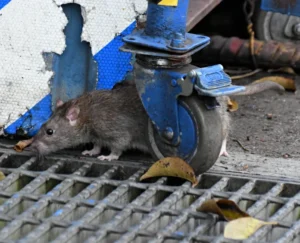
To work around this, try “pre-baiting” your traps. Leave traps unset with bait on them for 3 to 5 days. Let rats eat from them safely. Once they’re comfortable and returning regularly, set the traps. This makes them familiar and less threatening.
Some people tie the trap down or disable it during pre-baiting so rats can’t accidentally trigger it. The goal is to train rats to see the trap as a safe food source before it becomes dangerous.
Your Traps Are Too Clean
This might sound weird, but traps that are too clean can scare rats away. Rats recognize the scent of other rats, and they’re more likely to investigate a trap that smells like another rat has been there safely.
After catching a rat, don’t scrub the trap completely clean. Rinse it lightly to remove blood, but leave some rat scent on it. This makes the next rat think other rats have visited the trap safely, lowering their suspicion.
However, if a rat died in the trap and stayed there for a while, the death scent can warn other rats away. In that case, you do want to clean the trap thoroughly and possibly even replace it with a new one.
You’re Not Using Enough Traps
One or two traps won’t solve a rat infestation. Rats reproduce incredibly fast, and a small population can quickly become a big one. You need multiple traps in multiple locations to make a real impact.
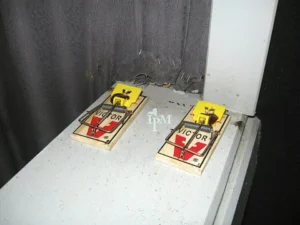
A good rule is 2 to 3 traps per room where you’ve seen rat activity. Space them about 10 to 15 feet apart along walls and near areas where you’ve found droppings or other signs. More traps mean more chances to catch rats.
Don’t put all your traps in one area though. Spread them throughout the space, covering different travel routes. Rats might avoid a heavily trapped area but still use routes in other parts of your house.
Rats Have Learned to Avoid Your Traps
If you caught a few rats early on but now nothing’s working, the remaining rats have probably learned that traps are dangerous. They saw other rats get caught or barely escaped a trap themselves. Now they avoid all traps completely.
This trap-shy behavior is hard to beat. You need to change everything: trap type, bait, and location. Switch from snap traps to electronic traps or live catch traps. Use completely different bait. Place traps in new locations along different routes.
Sometimes removing all traps for a week or two helps rats forget about the danger. When you set traps again with a different strategy, they’re less suspicious and more likely to investigate.
Your Traps Are the Wrong Type
Different rats respond to different trap types. If snap traps aren’t working, try electronic traps that kill with an electric shock. Some rats are cautious about entering enclosed spaces, while others prefer them because they feel safer.
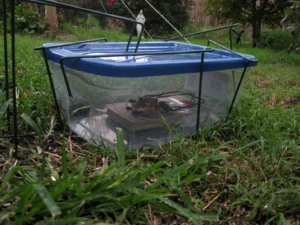
Tony Alter (CC BY 2.0)
Live catch traps can work when kill traps don’t. Rats might be less suspicious of a cage than a traditional snap trap. Once you catch them alive, you can deal with them however you choose (though check local laws about rat relocation).
Multi-catch traps are another option. These capture several rats before needing to be emptied, which can be more effective than single-catch traps. They also don’t have the same suspicious appearance as traditional snap traps.
There’s Too Much Competition for the Bait
If rats have access to other food sources, they won’t bother with your traps. Why risk a suspicious new object when there’s easily accessible food elsewhere? This is probably the most overlooked problem in rat control.
Clean up everything. Put away pet food at night, seal all food in airtight containers, clean up crumbs immediately, secure garbage bins with tight lids, and fix any leaky pipes that provide water. Remove every food source you can find.
Check your garage, shed, and yard too. Birdseed, pet food stored in bags, compost heaps, and even dog waste can feed rats. The hungrier rats are, the more willing they’ll be to risk investigating your traps.
You’re Setting Traps at the Wrong Time
Rats are most active at dusk, night, and dawn. If you’re setting traps during the day when rats are sleeping, they won’t find them during their active hours. The bait might even go stale before rats come out to investigate.

Set your traps in the late afternoon or early evening, right before rats become active. This ensures the bait is fresh when rats start foraging. Check traps first thing in the morning to see if you caught anything overnight.
Some people also have success with checking and resetting traps midday if they caught something in the morning. This gives you two chances per day instead of one.
Your Traps Are in Rat Highways but Not Quite Right
Even if you’re placing traps along walls where rats travel, the exact positioning matters. Traps should be placed in spots where rats naturally slow down or investigate. This includes corners, near food sources, by water sources, and next to holes or gaps.
Place traps against walls, not away from them. The trigger should face the wall so rats walk directly into it as they move along the wall. If the trap is sideways or facing away from the wall, rats will just walk around it.
In tight spaces like behind appliances or in crawl spaces, place traps in the path rats must take. They can’t walk around a trap in a confined space, so they’re forced to interact with it.
The Rats Are Taking the Bait Without Triggering the Trap
If your bait keeps disappearing but you’re not catching rats, they’re somehow getting the food without setting off the trap. This usually means the trap isn’t sensitive enough or they’re approaching from an angle that lets them grab the bait safely.
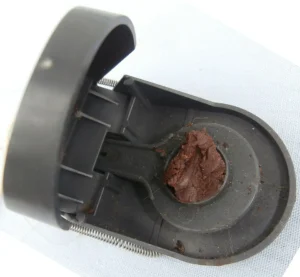
Make sure you’re setting traps correctly with the right tension. The trigger should be sensitive enough that even a light touch sets it off. Some snap traps have adjustable sensitivity, use the most sensitive setting.
Secure bait to the trigger properly. Don’t just smear peanut butter on it. Tie a small piece of bacon or hot dog to the trigger with thread, or use sticky bait like peanut butter mixed with oatmeal that rats have to work at. This ensures they trigger the trap while trying to get the food.
You’re Dealing With Norway Rats vs. Roof Rats
Different rat species have different behaviors. Norway rats (brown rats) usually travel on the ground and prefer lower areas like basements. Roof rats (black rats) climb well and prefer upper areas like attics and rafters.
If you’re placing traps on the ground but you have roof rats, they’ll never find them. Look at where you’re seeing activity. Droppings and activity in high places means roof rats. Place traps on rafters, in attics, and in high shelving areas where they travel.
Norway rats are bolder and less cautious than roof rats. Roof rats are more suspicious and take longer to investigate new objects. Adjust your strategy based on which species you’re dealing with.
Your Home Has Structural Issues Letting Rats In
If you’re catching rats but new ones keep appearing, you have an entry point problem, not a trapping problem. Rats are coming in faster than you can catch them. No amount of trapping will solve this until you seal the entries.
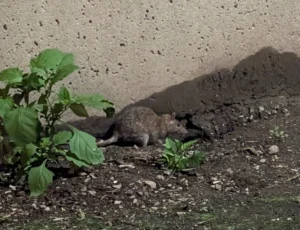
Look for holes and gaps around your home’s exterior. Rats can squeeze through holes the size of a quarter. Check around pipes, vents, doors, windows, and where different building materials meet. Seal everything with steel wool and caulk or hardware cloth.
Pay special attention to your roof and foundation. These are common entry points that people miss. Even small gaps in rooflines or cracks in foundations can let rats in. Walk around your entire house looking for potential entries.
When to Call a Professional
If you’ve tried everything and still can’t catch rats, it’s time for professional help. Pest control experts have experience with stubborn infestations and know tricks that most homeowners don’t. They also have access to better equipment and materials.
Professionals can identify problems you’re missing. They’re trained to find rat entry points, food sources, and travel routes that aren’t obvious. Sometimes an expert eye is all you need to figure out what’s going wrong.
A severe infestation might be beyond DIY methods entirely. If you’re seeing rats during the day (they’re usually nocturnal), finding dozens of droppings daily, or hearing constant activity in your walls, the problem is probably too big for traps alone to handle.
Combining Methods for Better Results
Don’t rely on traps alone. Combine them with other control methods for better success. Use exclusion to seal entry points, sanitation to remove food and water, and habitat modification to make your property less attractive to rats.
Some people have success combining traps with deterrents like peppermint oil or ultrasonic devices. While these don’t work as a stand-alone solution, they might push rats toward trapped areas or make certain routes less appealing.
You can also use different trap types in different areas. Put snap traps in some locations, electronic traps in others, and live catch traps in spots where you need to be careful about pets or kids. This varied approach catches different rats with different personalities.
Conclusion
Not catching rats in traps is frustrating, but it’s usually fixable once you understand what’s going wrong. Poor placement, wrong bait, trap-shy behavior, and competing food sources are the most common problems. Address these issues, and you’ll start seeing results.
The key is paying attention to where rats actually travel, what they’re actually eating, and how they’re actually behaving. Generic advice only gets you so far. Your specific rat problem needs a specific solution based on observation and adjustment.
If you’ve genuinely tried everything in this article and still aren’t catching rats, it’s time to call professionals. There’s no shame in getting help with a stubborn infestation. Sometimes expert knowledge and specialized equipment are what you need to finally solve the problem.

Hi, my name is Ezra Mushala, i have been interested animals all my life. I am the main author and editor here at snakeinformer.com.