
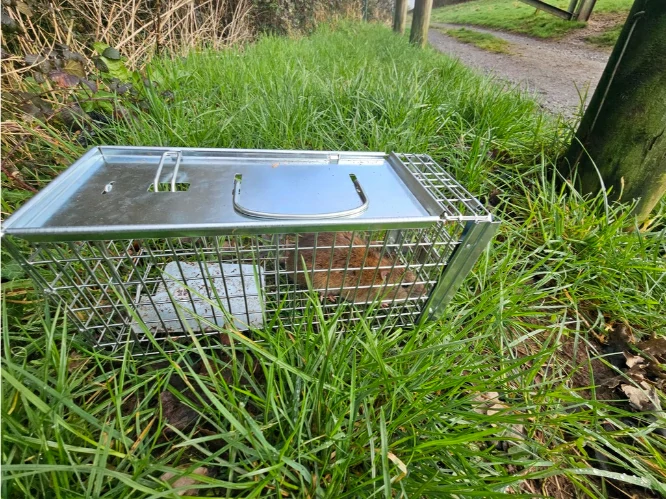
You’ve caught a rat in your humane trap, and now you need to let it go. But you can’t just open the door in your backyard and hope for the best. There’s a right way to release a trapped rat that keeps both you and the animal safe. So how do you release a rat from a humane trap?
To release a rat from a humane trap, take the trap at least 3 to 5 miles away from your home to a wooded area or field. Place the trap on the ground, open the door, step back several feet, and let the rat run out on its own. Never open the trap indoors or near your house.
The key is getting far enough away that the rat can’t find its way back, and giving it space to escape without panicking.
Why Distance Matters When Releasing Rats
If you release a rat too close to your home, it’ll just come back. Rats have an amazing ability to find their way home over long distances.
Studies show that rats can travel several miles back to familiar territory. If you only take it a few blocks away, there’s a good chance it’ll be back in your house within days.
You need to take the rat at least 3 to 5 miles away to make sure it won’t return. Some experts even recommend going 10 miles if you really want to guarantee it stays away.
The farther you go, the less likely the rat is to find its way back. It’s worth the extra drive time to make sure you don’t have to catch the same rat again next week.
Choosing the Right Release Location
You can’t just drop a rat anywhere. You need to find a spot where it can survive and won’t become someone else’s problem.
Look for wooded areas, fields, parks, or other natural spaces with plenty of cover and food sources. The rat needs to be able to find shelter and eat to survive.

Don’t release rats near other people’s homes. This just moves your problem to them, which isn’t fair.
Also avoid releasing rats in areas where they might harm native wildlife. In some places, rats are invasive species that damage local plants and animals.
Check local laws before you release. Some areas don’t allow you to relocate wild animals at all, and you could get in trouble if you’re caught.
When to Release the Rat
Timing matters when you’re releasing a trapped rat. You don’t want to leave the animal in the trap longer than necessary.
Check your trap at least twice a day, morning and evening. As soon as you find a rat, you should release it within a few hours.
Rats can get stressed, dehydrated, or injured if they’re trapped for too long. The longer they’re stuck in the cage, the more they’ll panic and try to escape.
If you can’t release the rat right away, make sure it has access to water. You can put a small dish or water bottle near the trap, but don’t open the cage to put it inside.
Never leave a rat trapped overnight if you’ve already found it. Take it to your release location as soon as you can.
How to Transport the Trap Safely
When you’re ready to release the rat, you need to carry the trap carefully to your car or the release location.
Hold the trap steady and level. Don’t swing it around or shake it, because this will stress the rat out.
If your trap has a handle, use it. If it doesn’t, grip the trap firmly by the frame with both hands.
Wear gloves if you’re worried about getting bitten through the cage. Rats can bite through wire if they get their mouth close enough, so keep your fingers away from the openings.
Put the trap in your car trunk or back seat. Make sure it’s secure so it doesn’t slide around while you’re driving.
Don’t put the trap in direct sunlight or in a hot car. Rats can overheat quickly, and you don’t want to hurt the animal after you’ve already gone through the trouble of catching it humanely.
Setting Up for the Release
When you get to your release location, find a good spot to set the trap down. You want somewhere with cover nearby so the rat can run and hide quickly.
Look for bushes, tall grass, trees, or rocks where the rat can take shelter. Rats feel safer when they have something to hide under.

Place the trap on the ground in a flat, stable spot. Don’t put it on a slope or uneven surface where it might tip over.
Make sure the door is facing away from you so the rat runs in the opposite direction when it comes out.
Step back at least 5 to 10 feet from the trap. You want to give the rat plenty of space so it doesn’t feel threatened by your presence.
Opening the Trap Door
Most humane traps have a simple latch or lock that holds the door closed. Figure out how it works before you get to the release site so you’re not fumbling with it when the rat is ready to go.
Some traps have doors on both ends. If yours does, you can open both doors at once to give the rat two escape routes.
Reach over carefully and unlatch the door. Pull it open quickly but smoothly so it doesn’t startle the rat.
As soon as the door is open, step back immediately. Don’t stand there waiting to see what happens.
What to Expect When the Rat Comes Out
Every rat reacts differently when the door opens. Some will bolt out immediately, while others will sit inside for a minute trying to figure out what’s going on.
If the rat runs out right away, it’ll usually head straight for the nearest cover. It might disappear into the bushes or under a rock within seconds.

If the rat doesn’t come out, don’t try to shake the trap or poke at it. Just wait patiently. It might be scared or confused, but it’ll leave on its own once it realizes the door is open.
Sometimes a rat will peek out the door, look around, then go back inside for a bit. This is normal. It’s checking to make sure it’s safe before making a run for it.
Give the rat at least 5 to 10 minutes to leave the trap. If it still hasn’t come out after that, you can try tapping lightly on the side of the trap or making a soft noise to encourage it to move.
What If the Rat Won’t Leave?
In rare cases, a rat might refuse to come out of the trap even after you’ve waited a while. This usually happens if the rat is extremely scared or if it’s injured.
If the rat won’t leave after 10 to 15 minutes, you can try tilting the trap slightly so the rat slides toward the door. Be gentle and don’t dump it out roughly.
Another option is to prop the trap door open and walk away completely. Come back in 15 to 30 minutes, and the rat will probably be gone by then.
If the rat still won’t leave and appears injured or sick, you might need to contact a wildlife rehabilitator for help.
Never Open the Trap Indoors
This should go without saying, but never open a humane trap inside your house, garage, or any enclosed space.
If you open the trap indoors and the rat doesn’t leave right away, it could escape into your home and hide. Then you’ll have the same problem you started with.
Always take the trap outside and far from your house before you open it. Even opening it in your backyard is risky if the yard isn’t enclosed or if there are entry points to your home nearby.
What to Do After the Rat Is Gone
Once the rat has run off, check to make sure it actually left and didn’t just hide in a corner of the trap.
Look inside the trap carefully. Sometimes rats will press themselves against the back or side and stay very still, hoping you won’t see them.
If the trap is definitely empty, you can pick it up and take it home.
Don’t leave the trap at the release site. Someone might think it’s trash, or another animal might get stuck in it.
Cleaning the Trap Before Reusing It
After you release a rat, you need to clean the trap thoroughly before using it again.
Rats leave behind scent marks, urine, and droppings. If your trap still smells like a rat, other rats might avoid it.
Wash the trap with hot soapy water. Use a brush to scrub all the corners and wires where dirt and waste might be stuck.
Rinse it completely and let it dry in the sun if possible. Sunlight helps kill bacteria and remove odors.
You can also spray the trap with a disinfectant or diluted bleach solution to kill any germs the rat might have left behind.
How to Avoid Getting Bitten
Rats can bite if they feel cornered or threatened, so you need to be careful when handling the trap.
Never stick your fingers through the bars of the cage. The rat might bite you if it feels scared.

Always wear gloves when carrying the trap. Even if you don’t touch the rat directly, gloves protect you from bacteria and parasites.
If the rat tries to bite through the cage while you’re carrying it, don’t panic. Just keep the trap away from your body and keep walking.
Once you set the trap down and open the door, step back quickly so the rat can’t run toward you.
What If You Catch Multiple Rats?
If you have more than one rat in your house, you’ll need to catch and release them one at a time with a single trap.
After releasing the first rat, clean the trap and set it up again. Keep doing this until you stop catching rats.
You can also use multiple traps at the same time to catch several rats faster. Just make sure you’re prepared to release multiple rats in one trip.
If you catch multiple rats in different traps, take all the traps to your release location at once. Release them in the same general area so they can potentially stick together.
Can You Release Rats in Winter?
Releasing rats in cold weather can be tricky. If it’s below freezing or there’s deep snow on the ground, the rat might not survive.
Rats can handle cold temperatures better than you might think, but they need shelter and food. If you release a rat in the middle of winter with no cover nearby, it’ll probably die.

If possible, wait for milder weather before releasing rats. If you can’t wait, choose a release location with lots of natural shelter like hollow logs, brush piles, or dense vegetation.
You might also consider releasing the rat near a barn, shed, or other structure where it can find warmth, but make sure it’s far from any homes.
What About Baby Rats?
If you catch a baby rat, you need to think about whether it can survive on its own.
Very young rats that haven’t been weaned yet won’t survive without their mother. If you catch a rat that’s only a few weeks old, you might need to contact a wildlife rehabilitator.
Older baby rats that are eating solid food can survive on their own. Release them the same way you would release an adult.
If you catch a mother rat and you think she might have babies nearby, try to find the nest. You don’t want to leave orphaned babies in your house to starve.
Legal Considerations for Releasing Rats
Before you release any rat, check your local laws about relocating wildlife.
Some states and cities have strict rules about moving wild animals. You might be required to release the rat on your own property, which obviously defeats the purpose.

In some areas, it’s illegal to release rats at all because they’re considered invasive pests. You might be legally required to kill them instead.
Call your local animal control office or check your state’s wildlife management website to find out what’s allowed where you live.
If releasing the rat is illegal, you’ll need to either kill it humanely or find another solution.
What If the Rat Returns?
Even if you take the rat far away, there’s a small chance it might find its way back, especially if you didn’t go far enough.
If you keep catching the same rat (you can tell by unique markings or size), you need to take it even farther away next time.
Also, make sure you’re sealing up the entry points in your home. If rats can still get inside, you’ll just keep catching new ones even if you’re releasing them properly.
Fix holes in walls, seal gaps around pipes and vents, and make sure doors and windows close tightly.
Conclusion
To release a rat from a humane trap, take it at least 3 to 5 miles from your home to a wooded area or field. Set the trap on the ground, open the door, and step back to give the rat space to escape.
Never open the trap indoors or too close to your house, or the rat will just come back. Choose a release location with natural cover and food sources so the rat can survive.
After releasing the rat, clean your trap thoroughly before using it again. Check local laws to make sure you’re allowed to relocate wild animals in your area.

Hi, my name is Ezra Mushala, i have been interested animals all my life. I am the main author and editor here at snakeinformer.com.