
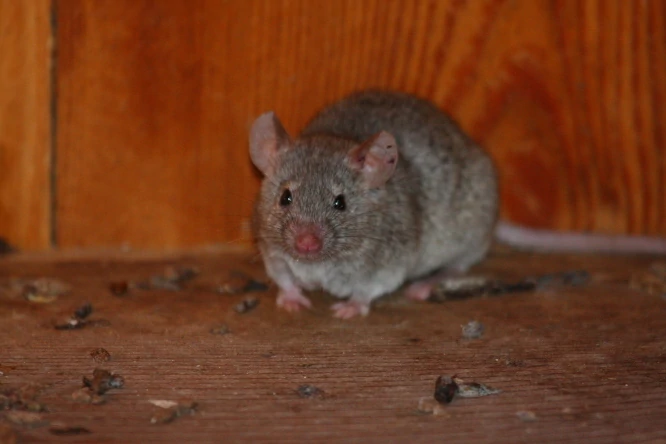
You’ve got rodents in your house, but you’re not sure if they’re mice or rats. Maybe you’ve only got rat traps on hand, and you’re wondering if they’ll work on the smaller critter running across your kitchen floor at night.
It’s a common situation, especially since mice and rats often show up in the same types of places.
The size difference between these traps matters, and so does the weight of the animal stepping on them. So can a mouse set off a rat trap?
Yes, a mouse can set off a rat trap, but it’s not guaranteed. Rat traps need more pressure to trigger than mouse traps, and most mice don’t weigh enough to reliably spring them. Even if a mouse does trigger a rat trap, the trap might not catch it properly because of the size difference.
The problem comes down to basic physics. Rat traps are built for animals that weigh several ounces, while mice typically weigh less than an ounce.
When a mouse walks onto a rat trap, it might not put enough pressure on the trigger to make the bar snap down. And even when it does trigger, the results aren’t always what you’d expect.
Weight Differences Between Mice and Rats
A typical house mouse weighs between 0.5 to 1 ounce. That’s about the weight of five or six pennies. They’re small, light, and quick.

Rats are much heavier. A young rat might weigh 3 to 4 ounces, while an adult can weigh anywhere from 7 to 18 ounces depending on the species.
That’s a huge difference compared to a mouse.

Rat traps are designed with this weight difference in mind. The trigger mechanism needs enough pressure to release the spring-loaded bar. Manufacturers set this pressure based on the average weight of a rat, not a mouse.
When a mouse steps onto a rat trap, it’s like a small child trying to activate a door designed for adults.
Sometimes it works, but often the mouse just isn’t heavy enough to push the trigger plate down far enough.
How Rat Trap Triggers Actually Work
Most rat traps use a simple trigger mechanism. There’s a metal plate (the trigger) where you put the bait. When an animal steps on this plate or pulls at the bait, it releases a spring-loaded metal bar that snaps down.
The trigger plate is connected to a small metal rod. This rod holds back the spring under tension. When enough weight or pressure is applied, the rod slips free, and the bar comes crashing down.
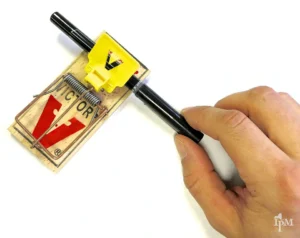
Rat traps have stiffer springs than mouse traps. This means they need more force to trigger. The idea is to make sure the trap has enough power to kill a rat quickly, which is more humane than a weak trap that only injures the animal.
A mouse putting pressure on this trigger plate might move it slightly, but not enough to release the rod. The mouse can sometimes walk right over the trap, nibble the bait, and leave without setting it off.
Why Mice Sometimes Trigger Rat Traps Anyway
Even though mice are lighter, they can still set off rat traps under certain conditions. It depends on how the mouse approaches the bait and where it puts its weight.
If a mouse climbs onto the trigger plate and stands in the center, all its weight is concentrated in one spot. This can create enough pressure to release the spring, even though the mouse is small.
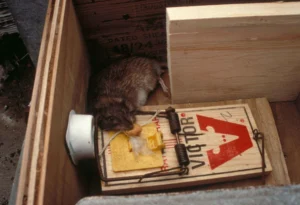
Mice are also active and jumpy. If a mouse hops onto the trap or makes a sudden movement while trying to get the bait, the extra force from that movement can trigger the trap.
The type of bait you use matters too. If you use something sticky like peanut butter, the mouse has to work harder to get it off the trap. This means more time on the trigger plate and more movement, which increases the chance of setting off the trap.
What Happens When a Mouse Does Trigger a Rat Trap?
Let’s say a mouse does manage to set off a rat trap. What happens next isn’t always pretty, and it’s not always effective.
Rat traps have bigger kill bars than mouse traps. The bar is designed to come down across a rat’s neck or spine. When it hits a mouse, the bar might miss the vital areas because the mouse is so much smaller.
Sometimes the bar catches the mouse, but not in the right spot. The mouse might get caught by a leg or its tail instead of its neck.
This means the mouse is trapped but not killed, which is the worst outcome. The animal suffers, and you’re left with a live, injured mouse stuck in a trap.
Other times, the bar comes down too high because the mouse is so small. The mouse gets hit but manages to escape, often with injuries.
You’ll find the trap sprung with no mouse in it, and you’ll know something went wrong.
In the best-case scenario, the bar does catch the mouse properly and kills it quickly. But this is less likely than with a properly sized mouse trap.
Why Mouse Traps Work Better for Mice
Mouse traps are specifically designed for animals that weigh less than an ounce. The trigger mechanism is much more sensitive, so even a light mouse will set it off reliably.
The kill bar on a mouse trap is also smaller and positioned lower. This matches the size and shape of a mouse’s body.
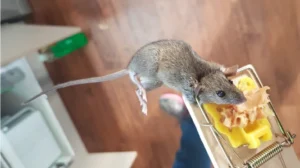
When the bar snaps down, it’s more likely to hit the mouse in the neck or head, which kills it quickly.
Mouse traps also have less powerful springs. This might seem like a bad thing, but it’s actually better for mice. The spring is strong enough to kill a mouse instantly, but not so strong that it causes unnecessary damage or mess.
If you know you’re dealing with mice, using mouse traps is the smarter choice. They’re more humane, more effective, and less likely to result in injured animals or missed catches.
The Problem with Using the Wrong Size Trap
Using a rat trap for mice creates several problems beyond just whether or not it triggers. One issue is that rat traps can be dangerous for you to set.
Rat traps have very strong springs. If one snaps on your finger while you’re setting it, you’re going to feel it.
It can cause bruising, cuts, and even broken fingers in some cases. This makes them trickier to work with than mouse traps.
If you’ve got kids or pets, rat traps are also more dangerous to have around. A cat or small dog that gets its paw caught in a rat trap could be seriously injured. Mouse traps are still painful, but they’re less likely to cause severe damage.
Another issue is that rat traps are bigger and more obvious. Mice are nervous animals, and they might avoid a large trap even if it’s baited well.
They feel safer around smaller objects that don’t seem threatening.
When You Might Want to Use a Rat Trap for Mice
There are some situations where you might choose to use a rat trap even if you’re dealing with mice. If you’re not sure whether you have mice or rats, setting a few rat traps makes sense. This way, you’re prepared for either.
If you’ve got both mice and rats in your home, rat traps can catch both. You might not catch every mouse, but you’ll definitely catch any rats that come through.
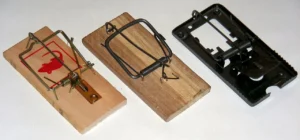
You can also set mouse traps in other areas to cover all your bases.
Some people use rat traps in areas where they can’t check traps frequently. The stronger spring means that if something does get caught, it’s less likely to escape or suffer for a long time.
This is important if you’re setting traps in a vacation home or storage area you don’t visit often.
How to Make a Rat Trap More Sensitive for Mice
If you only have rat traps available and you need to catch mice, there are ways to make the trap more sensitive. These tricks can increase the chances that a light mouse will trigger it.
One method is to adjust the trigger mechanism. Most rat traps have a small metal catch that you can bend slightly to make it more sensitive.
If you bend it so there’s less tension holding the bar back, the trap will spring with less pressure.
Be careful when doing this. If you make the trap too sensitive, it might go off while you’re setting it, which can hurt. Make small adjustments and test the trap a few times before setting it in place.
Another trick is to use extra sticky bait. If you pile on peanut butter or use something gooey that the mouse has to really work at, it’ll spend more time on the trigger plate.
The longer it’s there, the better the chance it’ll apply enough pressure to set off the trap.
Combining Mouse Traps and Rat Traps
The best approach when you’re not sure what you’re dealing with is to use both types of traps. Set mouse traps in areas where you’ve seen smaller droppings or signs of mice, and use rat traps where you’ve found larger droppings or more significant damage.
Mouse droppings are tiny, about the size of a grain of rice, and pointed at the ends. Rat droppings are much larger, about three-quarters of an inch long, and blunt at the ends. If you find droppings, they’ll tell you which trap to use.
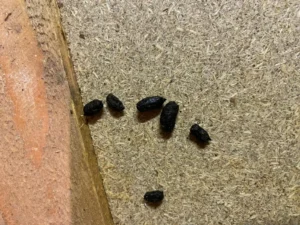
You can also set different traps along the same path. Put a mouse trap closer to the wall where mice like to travel, and put a rat trap a bit further out. This way, you’re covering different possibilities.
Using both types of traps also helps if you’ve got a mixed infestation. It’s not uncommon to have mice and rats in the same building, especially in older homes or buildings with lots of entry points.
The Humane Aspect of Using the Right Trap
One reason to use the correctly sized trap is to make sure any animal you catch dies quickly. A mouse caught improperly in a rat trap might suffer for hours or even days if the trap doesn’t kill it right away.
Humane trapping isn’t just about being kind to animals. It’s also about being effective. A trap that kills quickly is a trap that works. Animals caught in poorly sized traps can sometimes escape injured, which means they’re still alive and still causing problems in your home.
If you care about treating animals humanely, using the right size trap is one of the most important things you can do. It ensures a quick death and reduces suffering.
There are also live-catch traps available for both mice and rats. These don’t kill the animal at all. Instead, they trap it alive so you can release it elsewhere.
If you don’t want to kill rodents, this is a better option than using the wrong size snap trap.
Signs You’re Dealing with Mice Instead of Rats
If you’re still not sure whether you’ve got mice or rats, look for other clues beyond just droppings. Mice leave different signs than rats.
Mice gnaw on things with tiny teeth marks. They often chew small holes in cardboard boxes, paper, and fabric. Rats leave bigger gnaw marks and can chew through harder materials like plastic and even thin wood.
Mice build small nests out of shredded paper, fabric, and insulation. These nests are usually hidden in walls, cabinets, or other enclosed spaces.

Rat nests are larger and often built in attics, basements, or outside in burrows.
Mice are also more active and exploratory than rats. If you see a rodent running across an open floor during the day, it’s more likely to be a mouse. Rats are more cautious and tend to stick to the shadows and edges of rooms.
If you hear scratching sounds in your walls at night, listen to the volume and intensity. Mice make lighter, faster scratching sounds.
Rats make heavier, slower sounds because they’re bigger.
What to Do If You Catch a Mouse in a Rat Trap
If you do manage to catch a mouse in a rat trap, dispose of it carefully. Even though the trap is bigger, the same safety rules apply.
Wear gloves when handling the trap. Mice can carry diseases like hantavirus, salmonella, and other bacteria. You don’t want to touch the mouse or any fluids with your bare hands.
Put the mouse and the trap in a sealed plastic bag. If you’re reusing the trap, you can remove the mouse first, but keep everything contained to avoid spreading germs.
Wash the trap thoroughly with hot, soapy water if you plan to use it again. Some people also disinfect traps with a bleach solution to make sure all bacteria are killed.
Dispose of the bag in an outdoor trash can. Don’t leave it inside your home, as it can attract other pests or create odors.
Testing Your Traps Before Setting Them
Before you set any trap, whether it’s a rat trap or a mouse trap, test it a few times. This helps you understand how sensitive it is and how much force it takes to trigger.
Hold the trap at arm’s length and use a pencil or stick to push down on the trigger plate. Watch how much pressure it takes to make the bar snap.
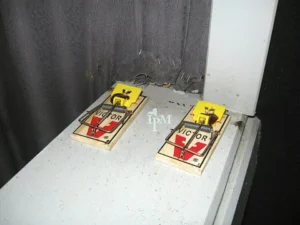
This gives you an idea of whether a light animal like a mouse will be able to set it off.
If the trap feels very stiff and needs a lot of pressure, it’s probably best suited for rats. If it triggers easily with just a light touch, it’ll work for mice too.
Testing also helps you set the trap more safely. You’ll know exactly how it works, which reduces the chance of it snapping on your fingers.
Conclusion
A mouse can set off a rat trap, but it’s not reliable. The weight difference between mice and rats means that most mice won’t trigger a rat trap consistently. Even when they do, the trap might not catch them properly because of the size mismatch.
If you’re dealing with mice, use mouse traps. They’re designed for small, light animals and they work much better. If you’re not sure what you’re dealing with, use both types of traps to cover all possibilities.
The right trap makes all the difference. It’s more effective, more humane, and gives you the best chance of actually catching the rodent that’s been keeping you up at night.

Hi, my name is Ezra Mushala, i have been interested animals all my life. I am the main author and editor here at snakeinformer.com.