
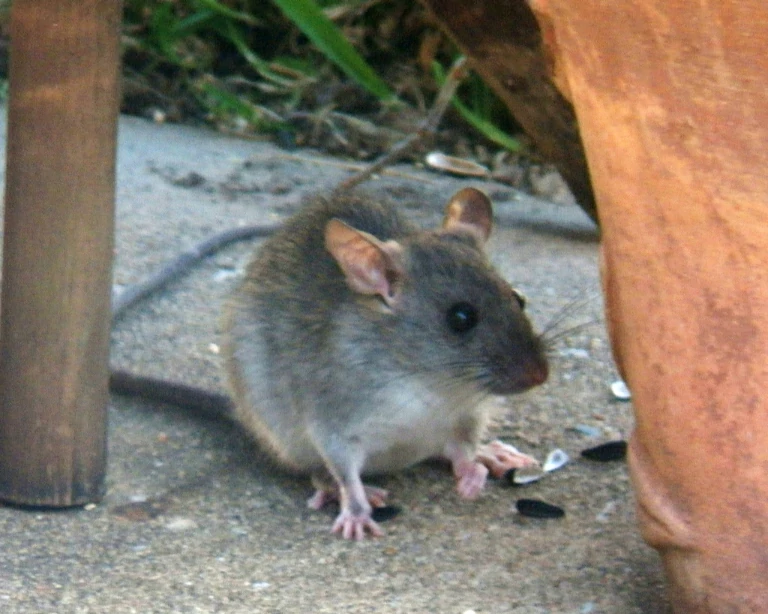
When you’re shopping for rat control solutions, you’ll often see rat trap boxes (also called bait stations) alongside regular traps.
They look more professional and contained than open traps, but are they actually effective? Do rat trap boxes really work for catching or controlling rats?
Yes, rat trap boxes work effectively for controlling rats. They provide a protected space for traps or bait, which keeps rats feeling safe while feeding and protects pets and children from accidental contact. Boxes increase trap success rates by creating an environment where rats feel comfortable entering.
These boxes aren’t traps themselves, but rather protective housings for the actual traps or poison baits inside.
They work by taking advantage of rats’ natural behavior and making your trapping efforts safer and more effective.
What Are Rat Trap Boxes?
Rat trap boxes are plastic or metal containers with small entrance holes that rats can fit through but larger animals and children can’t. They’re designed to hold either snap traps, glue traps, or poison bait blocks inside.
The boxes come in different sizes depending on whether you’re targeting mice or rats. Rat stations are bigger with larger entrance holes to accommodate the size of adult rats.
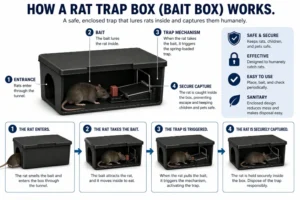
Most boxes have a key or locking mechanism that keeps the lid secured. This prevents tampering by children or pets and keeps the contents safe and dry.
Inside the box, there’s usually a space to secure a trap or place bait. Some boxes have built-in bait holders or clips to keep snap traps in place.
The entrance holes are strategically placed to guide rats into the box along their natural travel paths. Rats prefer to stay close to walls and in enclosed spaces, so the box design takes advantage of this behavior.
Professional pest control companies use these boxes regularly because they’re safer and more effective than leaving traps or bait exposed. But homeowners can buy and use them too.
Why Rat Trap Boxes Are More Effective Than Open Traps
Rats are naturally cautious animals. They’re suspicious of new objects in their environment and will often avoid open traps for several days while they decide if it’s safe.
A box provides cover that makes rats feel safer. Instead of having to approach a trap that’s sitting out in the open, they can enter a dark, enclosed space that feels more like their natural habitat.
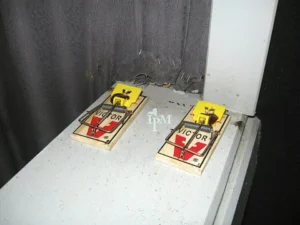
Rats are also attracted to tight spaces and tunnels. In the wild, they live in burrows and squeeze through small holes. A trap box mimics this environment and actually draws rats in.
The box also protects the trap from being knocked around or moved. Rats can be pretty strong, and they sometimes drag traps around, especially glue traps. A secured box keeps everything in place.
Weather protection is another benefit if you’re using boxes outdoors. Rain, snow, and extreme temperatures can damage traps and baits, making them less effective. The box shields the contents from the elements.
Studies have shown that rats are more likely to enter and stay in bait stations compared to approaching open traps. The success rate is measurably higher when using boxes instead of exposed traps.
Types of Rat Trap Boxes Available
There are several different types of rat trap boxes, and the right one for you depends on what you’re trying to do and where you’re using it.
Single-use disposable boxes are made from heavy cardboard or thin plastic. They’re cheap and work fine for short-term use, but they’re not very durable and can’t be reused effectively.
Reusable plastic boxes are the most common type for homeowners. They’re sturdy, easy to clean, and can last for years. Most have removable lids and built-in features for securing traps or bait.

Metal boxes are the most durable option. They’re tamper-proof and weather-resistant, making them ideal for outdoor use or high-security situations. They’re more expensive but practically indestructible.
Low-profile boxes sit flat against the ground and are designed to blend in with their surroundings. These work well along walls or under cabinets where space is limited.
Clear-top boxes let you see inside without opening them. This is convenient for checking whether you’ve caught a rat without having to unlock and open the box each time.
Multi-catch boxes are larger stations designed to hold several rats. They’re more complex and usually used by professionals, but some are available for homeowner use.
How to Set Up a Rat Trap Box
Setting up a rat trap box correctly makes a big difference in how well it works. Here’s how to do it right.
Start by choosing the right location. Place boxes along walls where you’ve seen rat droppings, gnaw marks, or other signs of activity. Rats travel along edges, so wall placement is critical.
Open the box and secure your trap or bait inside. If you’re using a snap trap, make sure it’s firmly attached so it won’t move when it goes off. For glue traps, place them flat on the bottom of the box.
Position the entrance holes so they face the wall or create a straight path through the box. Rats prefer to travel in straight lines along walls, so align the box with their natural movement.
If you’re using bait (either on a trap or poison bait blocks), make sure it’s secured in the bait holder. Loose bait can be dragged out of the box, which defeats the purpose of having the station.
Close and lock the box. Make sure it’s fully secured so it can’t be opened accidentally. The box should be stable and not rock or tip when touched.
Check the box regularly (at least every day if you’re using snap or glue traps). For poison bait, check every few days to see if the bait is being eaten and needs replacing.
Where to Place Rat Trap Boxes for Best Results
Location is everything when it comes to rat control. Even the best trap box won’t work if it’s in the wrong place.
Look for rat runways, the paths rats use repeatedly to travel between their nest and food sources. These show up as greasy smudge marks on walls, dusty areas with footprints, or slightly worn paths through grass or debris.
Place boxes in corners where two walls meet. Rats love corners because they feel protected on two sides. A box in a corner is almost irresistible to a rat traveling along that wall.
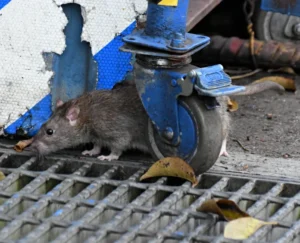
Dark, quiet areas are better than bright, busy ones. Rats are more active at night and prefer areas where they won’t be disturbed. Basements, attics, garages, and under decks are all good locations.
If you’re placing boxes outdoors, put them near structures like sheds, fences, or foundations. Rats don’t like being exposed in open areas, so they stick close to buildings and barriers.
Space boxes about 15 to 30 feet apart along walls or fences where you see rat activity. This creates a network of trapping points that rats will encounter as they move around.
Don’t put boxes near strong-smelling substances like gasoline, paint, or cleaning products. These odors can mask the smell of your bait and make rats avoid the area.
Do Rat Trap Boxes Work for Outdoor Use?
Rat trap boxes are actually especially effective for outdoor use because they solve several problems that come up with outdoor trapping.
Weather can ruin traps and baits quickly. Rain makes bait moldy, extreme heat melts some baits, and cold can make snap traps less sensitive. A good trap box protects against all of this.
Outdoor environments have lots of non-target animals. Birds, squirrels, raccoons, and pets can all interfere with open traps. A properly designed rat trap box excludes these larger animals while letting rats in.
Outdoor rats tend to be even more cautious than indoor rats because they face more predators. The cover provided by a trap box makes them feel safer and more likely to enter.
Weather-resistant plastic or metal boxes are specifically made for outdoor use. They won’t warp, rust, or fall apart even after months or years of exposure to the elements.
You can place outdoor boxes in gardens, along fence lines, near trash areas, or anywhere else you see outdoor rat activity without worrying about rain ruining your traps.
One tip for outdoor use is to weight down or stake your boxes. Strong winds or animals might knock over or move lightweight boxes, so securing them ensures they stay in place.
Are Rat Trap Boxes Safe Around Pets and Kids?
One of the main reasons to use rat trap boxes is safety. They significantly reduce the risk of pets or children coming in contact with traps or poisons.
The entrance holes are sized for rats, which means dogs, cats, and children’s hands can’t fit through them. This keeps curious pets and kids from triggering snap traps or touching poison bait.
The locking mechanism adds another layer of protection. Even if someone tries to open the box, they can’t without the key, which you should keep in a safe place.

That said, no trap box is 100% foolproof. Small pets like ferrets or very determined dogs might still manage to interact with the box in ways you don’t expect.
Always place boxes in areas where pets and children don’t frequently play or sleep. Behind appliances, in crawl spaces, or in locked storage areas are ideal.
Tell older children about the boxes and explain that they shouldn’t touch or move them. Keeping everyone informed is an important part of using these tools safely.
Even though the boxes provide protection, always follow the product instructions carefully. Different brands have different safety features and recommendations.
Can You Use Rat Trap Boxes Indoors?
Rat trap boxes work just as well indoors as they do outdoors, and many people actually prefer using them inside for safety and cleanliness reasons.
Indoor boxes keep dead rats contained if you’re using snap traps or poison. This prevents the mess and smell that can happen when a rat dies in an exposed trap.
They also protect your floors and walls from the grease and dirt that accumulates on used traps. The box keeps everything contained and makes cleanup easier.
In homes with pets or small children, indoor boxes are almost essential for using poison baits safely. The box prevents accidental poisoning while still allowing you to use effective bait products.
Indoor boxes can be placed under sinks, behind washing machines, in basements, in attics, or anywhere else you see signs of rats. The enclosed design means they’re less noticeable than open traps.
Some people worry that boxes will be too big or obvious indoors, but low-profile designs are available that blend in pretty well. You can also tuck them into corners where they’re out of sight.
What to Put Inside a Rat Trap Box
The trap or bait you put inside your rat trap box depends on your goals and the regulations in your area.
Snap traps are a popular choice because they kill rats instantly and humanely. Make sure you get rat-sized snap traps, not mouse traps, as mouse traps aren’t strong enough to kill rats reliably.
Glue traps can be used inside boxes to keep them protected and prevent rats from dragging them around. Be aware that glue traps are controversial because rats die slowly on them.

Poison bait blocks are often used in commercial settings. They’re effective for large infestations, but you need to be extremely careful about safety. Only use poison if you can follow all safety precautions.
Live traps don’t usually work well in trap boxes because they’re too large to fit. If you want to catch rats alive, you’ll probably need to use a different setup.
Some boxes can hold multiple trap types at once. You might put both a snap trap and a bait block in a large box to increase your chances of catching or killing rats.
Whatever you choose to put inside, make sure it’s secured properly and that the box is designed to hold that type of trap or bait.
How Often Should You Check Rat Trap Boxes?
The frequency of checking depends on what you have inside the boxes and where they’re located.
If you’re using snap traps, check daily. A dead rat will start to smell after a day or two, and you want to remove it quickly. Checking daily also lets you reset the trap and keep it working.
Glue traps should also be checked daily. Rats can struggle on glue traps for hours, and it’s more humane to check frequently so you can deal with caught rats promptly.
Poison bait stations can be checked less frequently, maybe every three to five days. You’re looking to see if the bait is being eaten and needs to be replaced, not necessarily checking for dead rats in the box.
Outdoor boxes in low-activity areas might only need weekly checks, especially if you’re just using them for monitoring rather than active trapping.
If you notice rat activity increasing (more droppings, more noise, more damage), increase your checking frequency. Active infestations require more attention.
Keep a log of when you check each box and what you find. This helps you identify patterns and know which boxes are most effective.
Common Problems with Rat Trap Boxes
While rat trap boxes are generally effective, there are some issues that can come up.
Rats might avoid boxes initially because they’re new objects in the environment. This is called “trap shyness,” and it can take several days for rats to feel comfortable entering the boxes.
If you’re not catching rats, the problem might be placement rather than the box itself. Try moving boxes to different locations along walls where you see fresh rat signs.
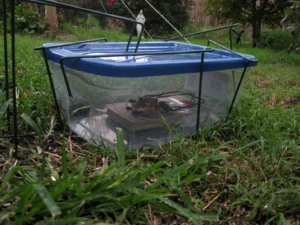
Some boxes are too small for large rats or have entrance holes that are difficult for rats to navigate. Make sure you’re using boxes designed for rats, not mice.
Bait that’s not fresh or attractive won’t lure rats into the box. Change your bait regularly and use strong-smelling options like peanut butter or bacon.
In some cases, rats learn to avoid boxes where other rats have been caught and killed. If a box stops working after some initial success, try moving it or cleaning it thoroughly.
Weather can cause problems even with weatherproof boxes. Extreme cold can make snap traps less reliable, and heat can make baits less appealing. Adjust your strategy based on the season.
Are Rat Trap Boxes Worth the Cost?
Rat trap boxes cost more upfront than just buying plain traps, so it’s fair to wonder if they’re worth the extra money.
A decent rat trap box typically costs between $15 and $40, depending on the size and material. Metal boxes are more expensive than plastic ones, and commercial-grade boxes cost more than basic models.
Compare this to the cost of replacing damaged traps, cleaning up messes from exposed traps, or dealing with pets that get into poison bait. The box can pay for itself pretty quickly.
If you’re dealing with an ongoing rat problem (rather than just one or two rats), boxes are definitely worth it. They’re reusable, durable, and significantly more effective than exposed traps.
For short-term problems or if you’re on a tight budget, you might skip the boxes and just use traps carefully placed out of reach of pets and kids. But for most situations, the boxes are a smart investment.
Professional pest control companies use these boxes for a reason. They work better and they’re safer. If you’re serious about solving your rat problem, spending the extra money on boxes makes sense.
Rat Trap Boxes vs. Other Control Methods
Rat trap boxes aren’t the only option for controlling rats, so how do they compare to alternatives?
Compared to exposed snap traps, boxes are safer and more effective. The extra cost is worth it for the increased success rate and reduced risk to pets and children.
Compared to glue traps, boxes are more humane (if you use snap traps inside them) and more effective. Glue traps alone are controversial and often less reliable.
Compared to poison baits used without boxes, boxes are much safer. Never use poison without a proper bait station, especially around pets and kids.
Compared to ultrasonic devices, trap boxes are far more effective. Ultrasonic repellers have mixed results and don’t actually eliminate rats, just potentially drive them to different areas.
Compared to hiring a professional, trap boxes are more economical for DIY-minded people. But for serious infestations, professional help along with trap boxes might be the best combination.
Conclusion
Rat trap boxes definitely work and are worth using for most rat control situations. They increase trap effectiveness by making rats feel safe, protect pets and children from accidental contact, and keep traps and baits working properly in various weather conditions.
The key to success is proper placement along rat runways, regular checking, and using the right traps or baits inside the boxes. While they cost more than simple open traps, the increased effectiveness and safety make them a smart investment for anyone dealing with rats.
Whether you’re handling a minor rat problem or a serious infestation, adding trap boxes to your control strategy will improve your results and make the whole process safer and more manageable.

Hi, my name is Ezra Mushala, i have been interested animals all my life. I am the main author and editor here at snakeinformer.com.