
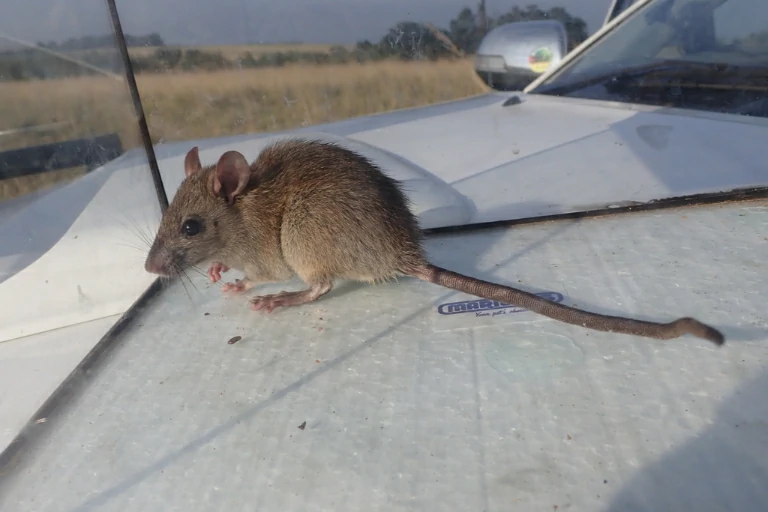
Finding a live rat stuck on a glue trap puts you in a difficult position. The rat is trapped and suffering, and leaving it on the trap means it will die slowly over hours or days from exhaustion, dehydration, or starvation.
You want to end its suffering quickly but might not know how to do that safely and humanely. Most people aren’t comfortable with the idea of killing an animal but understand that letting it suffer is worse.
So what’s the most humane way to kill a rat that’s stuck in a glue trap?
The most humane way to kill a rat in a glue trap at home is to place the entire trap in a sealed plastic bag and put it in a freezer for several hours. This gradually lowers the rat’s body temperature, putting it to sleep before death. CO2 euthanasia using dry ice is also humane but requires specific materials.
The goal is to end the rat’s life as quickly and painlessly as possible while keeping yourself safe from bites and disease. There are right ways and very wrong ways to do this, and knowing the difference matters.
Why Quick Action Is Important
When you find a live rat on a glue trap, time matters a lot. Every minute that passes is more suffering for the animal.
Rats stuck on glue traps experience extreme panic and stress. Their heart rate shoots up, they struggle violently, and they’re in a constant state of terror. The longer this continues, the more the animal suffers.
Physical exhaustion sets in quickly. The rat burns through its energy reserves while struggling, and this exhaustion is painful. Muscles fill with lactic acid, and the rat becomes increasingly weak and distressed.
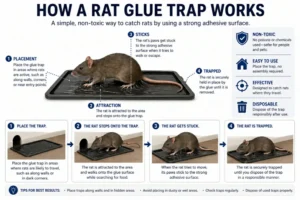
Dehydration begins within hours. Rats need water frequently, and being stuck means they can’t access it. The physical exertion of struggling speeds up dehydration. By the time you find the trap, the rat might already be suffering from thirst.
Some rats injure themselves trying to escape. They might tear skin, break bones, or hurt themselves in other ways. These injuries add pain on top of the stress and exhaustion.
Making a decision quickly and acting on it is the most humane thing you can do. Don’t leave the trap sitting there while you research options or try to decide what to do. Choose a method and do it right away.
The Freezer Method: Step by Step
Putting a trapped rat in the freezer is considered one of the more humane methods available to regular homeowners. Here’s exactly how to do it properly.
First, get a large plastic bag that seals shut. A trash bag with a drawstring or a large ziplock bag works well. The bag needs to be big enough to hold the entire trap without crushing or folding it.
Put on thick gloves before touching the trap. Rats can bite even when they’re stuck, and their teeth can go right through thin gloves. Leather work gloves or thick rubber gloves are best.

Carefully pick up the trap by its edges. Don’t touch the rat or any part of the trap that the rat has contacted. Keep the trap level so the rat doesn’t slide around on the adhesive.
Gently slide the entire trap into the plastic bag. Do this slowly and carefully to avoid startling the rat more than necessary. The less the rat struggles during this process, the better.
Seal the bag completely. Make sure there are no gaps or openings. You want the bag fully closed so no air can get in or out.
Place the sealed bag in your freezer. Put it in a section where it won’t be disturbed and where you won’t need to move it to access food. The back corner of a chest freezer is ideal.
Leave the bag in the freezer for at least 4 to 6 hours. Some people leave it overnight to be absolutely sure. The cold gradually lowers the rat’s body temperature until it falls asleep and then dies.
After the rat is dead, you can dispose of the bag and trap together in your outdoor trash. Don’t open the bag to check if the rat is dead. Just assume it is after enough time has passed.
Why the Freezer Method Works
Understanding why freezing is considered humane helps you feel more comfortable with this method if you choose to use it.
As the temperature drops, the rat’s metabolism slows down. This is a natural response to cold. The rat becomes increasingly drowsy and lethargic as its body temperature falls.
The rat essentially falls asleep before dying. Cold causes a loss of consciousness relatively quickly in small animals. The rat doesn’t stay alert and aware while freezing to death.

There’s no sudden trauma or pain. Unlike methods that involve hitting or drowning, freezing is a gradual process. The rat’s body just slows down until it stops.
This method is commonly used by veterinarians for euthanizing small rodents. It’s accepted in the scientific and veterinary communities as a humane method when done properly.
The sealed bag is important because it prevents the rat from being exposed to sudden blasts of cold air. The temperature drops gradually inside the sealed bag, which is less traumatic than being exposed to freezer air directly.
Some people worry about whether the rat suffers during freezing. Research suggests that small rodents lose consciousness fairly quickly in cold environments, within 10 to 20 minutes typically. The rest of the time they’re unconscious until death occurs.
Using CO2 for Euthanasia
Carbon dioxide euthanasia is another humane method, though it requires materials that most people don’t have at home. This is the method veterinarians often use.
You need dry ice or a source of compressed CO2 to use this method. Dry ice is sometimes available at grocery stores or ice cream shops. You need about 2 to 3 pounds for this to work properly.
Place the trap with the rat in a small, airtight container. A plastic storage bin with a tight lid works. The container should be just big enough to hold the trap with a little extra space.
Put the dry ice in the container, but not directly on or touching the rat. The dry ice should be on the bottom or side of the container, with the trap elevated above it if possible.
Close the lid tightly. As the dry ice sublimates (turns from solid to gas), it releases CO2 that fills the container. The CO2 displaces oxygen, and the rat essentially goes to sleep from lack of oxygen.
This process takes about 20 to 30 minutes. The rat loses consciousness first and then dies peacefully. It’s similar to what happens when anesthesia is used, but with CO2 instead.
The advantage of CO2 is that it’s very quick and the rat doesn’t experience pain. The main disadvantage is that most people don’t have dry ice or CO2 available when they need it.
Never use a car’s exhaust or other sources of carbon monoxide. CO is not the same as CO2, and carbon monoxide causes suffering before death. Only use proper CO2 sources.
What Not to Do: Inhumane Methods to Avoid
Some methods that people use or suggest are actually very cruel and should never be used. Knowing what not to do is just as important as knowing the right methods.
Don’t drown the rat. Drowning causes panic and the feeling of suffocation, which is terrifying and painful. The rat is aware and conscious while it drowns, and this can take several minutes. It’s one of the worst ways to kill any animal.
Don’t hit the rat with something to try to kill it instantly. Unless you’re experienced with this method, you’re likely to hit wrong and just injure the rat badly without killing it. The rat will be in extreme pain and might need to be hit multiple times.

Don’t use a microwave. Some people have suggested this, but it’s horrifically cruel. Microwaves cause internal heating that burns from the inside out. The rat would experience agonizing pain before dying.
Don’t put the rat in boiling water. This causes immediate, intense pain. The rat will be burned alive, which is torture. There’s absolutely no justification for this method.
Don’t use household chemicals to try to poison the rat. Most household chemicals cause prolonged suffering before death. Unless you’re using specific euthanasia chemicals (which aren’t available to regular people), chemical methods are inhumane.
Don’t leave the rat outside for predators to “take care of it.” The rat is stuck to the trap and defenseless. Being eaten alive by a predator is an extremely painful death.
Don’t just throw the trapped rat in the trash while it’s still alive. Leaving it to die slowly in a trash bag or dumpster means it will suffer for hours or days. This is possibly even crueler than leaving it on the trap in your home.
The Release Option Instead of Killing
If you can’t bring yourself to kill the rat, releasing it is an option. This requires you to free the rat from the trap, which comes with its own challenges.
Pour cooking oil, baby oil, or vegetable oil generously over the glue where the rat is stuck. You need to use a lot of oil to break down the adhesive. Don’t be stingy with it.
Let the oil sit for a few minutes to work into the glue. The oil breaks down the adhesive bonds and makes the glue less sticky.
Wear thick gloves during this entire process. The rat might bite once it realizes it’s getting free. Rats can bite hard enough to break skin even through some gloves.
Take the trap outside to a location far from your home before the rat gets free. You want to be at least a mile away if possible. Rats have a strong sense of direction and can find their way back if you don’t take them far enough.
Set the trap down and step back. The rat will work itself free once the oil has loosened the glue enough. This usually takes just a few minutes once you’ve applied plenty of oil.
Be aware that the rat might be injured from its time on the trap. Rats often hurt themselves struggling to escape. An injured rat released into the wild might not survive long, so you’re potentially just delaying its death.
Releasing the rat also means you’re making it someone else’s problem. The rat might enter another person’s home or property. If you’re in a residential area, this is something to consider.
When Professional Help Makes Sense
Sometimes the best option is to let someone else handle the situation. There’s no shame in admitting you need help with this.
Veterinarians can euthanize the rat humanely if you bring it to them. Call first to ask if they’re willing to do this. Some vets will help, especially if you’re a regular client or if they’re sympathetic to your situation.
Animal control services in some areas will take trapped rats and euthanize them properly. This varies by location, so call your local animal control to ask about their policies.
Pest control companies often deal with this situation. They have the experience and tools to handle it quickly and humanely. The cost is usually reasonable for something like this.
If you have a friend or family member who’s more comfortable with this kind of thing, ask for help. Someone who hunts or has farm experience might be able to help you handle the situation confidently.
Some animal shelters or wildlife rehabilitation centers might assist, though this depends on their policies and resources. It doesn’t hurt to call and ask.
Getting professional help means you don’t have to personally kill the animal or worry about doing it wrong. It also protects you from potential bites or disease exposure.
Safety Precautions You Must Take
Regardless of which method you choose, protecting yourself from disease and injury is critical when handling a trapped rat.
Always wear thick gloves. This protects you from bites and prevents direct contact with the rat, which might carry diseases. Don’t use thin latex or plastic gloves because rat teeth can pierce them.
Never touch the rat with your bare hands, even if it looks dead or unconscious. Rats can carry diseases that transfer through contact with their skin, fur, or bodily fluids.
Keep your face away from the rat. Don’t let it near your eyes, nose, or mouth. Rats can carry airborne diseases, and you don’t want to breathe in anything near a trapped, stressed animal.
Work in a well-ventilated area if possible. This is especially important if you’re handling a rat that’s been stuck for a while, as the smell can be strong.
Wash your hands thoroughly after handling the trap, even if you wore gloves. Use hot water and soap, and scrub for at least 20 seconds. This removes any pathogens that might have gotten on your gloves.
Disinfect any surfaces the trap touched. Use a proper disinfectant that kills bacteria and viruses. Don’t just wipe with water or regular household cleaners.
If you get bitten or scratched, wash the wound immediately with soap and hot water. Then call your doctor or go to urgent care right away. Rat bites can lead to serious infections.
Dispose of the gloves you wore by sealing them in a plastic bag before throwing them away. Don’t reuse gloves that have touched a rat or trap.
Emotional and Ethical Considerations
Killing an animal, even a pest, is emotionally difficult for many people. It’s okay to have feelings about this.
Feeling bad about having to kill the rat is a normal human response. It shows empathy and compassion. Don’t feel guilty for having these feelings, even though the rat is a pest.
Remember that leaving the rat to die slowly on the trap is actually more cruel than ending its life quickly. You’re doing the humane thing by taking action.
Some people find comfort in acknowledging the rat’s suffering and their role in ending it. A brief moment of recognition for the animal’s life can help with the emotional weight of the situation.
If you’re really struggling with this emotionally, it’s perfectly fine to call for professional help. You don’t have to force yourself to do something that causes you significant distress.
After it’s over, allow yourself to feel whatever emotions come up. Some people feel relief, others feel sad, and some feel a mix of both. All of these reactions are valid.
This experience might influence your future decisions about pest control. Many people who have to kill a trapped rat decide never to use glue traps again. That’s a reasonable response to a difficult situation.
Conclusion
The most humane way to kill a rat stuck in a glue trap is to place the trap in a sealed bag and put it in a freezer for several hours. This method gradually puts the rat to sleep before death occurs. CO2 euthanasia using dry ice is also humane but requires materials most people don’t have.
Quick action is essential. The longer you wait, the more the rat suffers. Make your decision promptly and follow through immediately rather than leaving the animal to suffer while you deliberate.
Never use methods like drowning, hitting, or burning, which cause extreme pain and suffering. These methods are cruel and can be psychologically damaging to you as well.
If you’re not comfortable killing the rat yourself, releasing it with oil or calling for professional help are both valid options. The important thing is to end the rat’s suffering as quickly as possible, whatever method you choose.

Hi, my name is Ezra Mushala, i have been interested animals all my life. I am the main author and editor here at snakeinformer.com.