
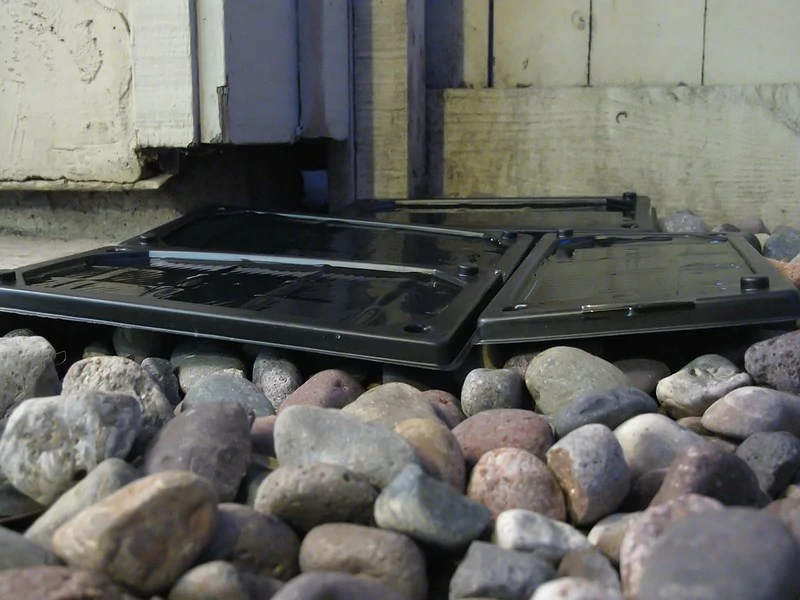
If you’ve ever stood in a hardware store staring at a wall of pest traps, you’ve probably noticed the Catchmaster name. It’s a family owned American brand that says it’s been making glue traps for over 70 years.
You’ll find its roach traps at big retailers across the US and Canada, and they usually cost just a few dollars. But a trap that’s cheap and easy isn’t always a trap that works, so, do Catchmaster glue traps work?
Yes, Catchmaster glue traps work for catching roaches and other crawling bugs, and for showing you where they hide. But they won’t wipe out an infestation on their own, since they only catch the roaches that happen to walk across them.
That second part is the key, because a glue trap is a great scout but not much of an army.
In this post, you’ll see what Catchmaster traps do well, what lab tests have found, and how to set them up so you get real results. You’ll also learn when to add other tools, because for most roach problems, traps alone just aren’t enough.
What Do Catchmaster Glue Traps Actually Do?
Catchmaster makes a lot of different glue traps, so it helps to know which kind you’re holding. For roaches, the most common ones are the cockroach traps, the spider and insect traps, and the bigger monitoring boards that pest pros buy by the case.
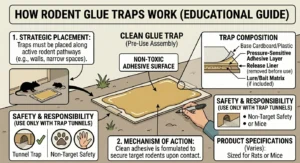
The basic design is the same across all of them. A sheet of cardboard or plastic is coated in very sticky glue, and a roach that walks onto it gets stuck and can’t pull free.
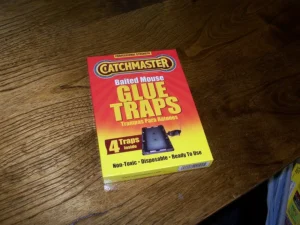
Many of these traps fold into a low tunnel or tent shape. The spider and insect traps, for example, have narrow openings that are meant to keep pets and little fingers out while still letting roaches walk in.
The glue also has a food scent mixed in, so the traps come already baited. The 150RI roach trap has a sweet vanilla scent, and the 288I monitoring boards use food grade molasses (a thick, sweet syrup made from sugar cane).
None of these traps use poison or insecticide, which is a big part of their appeal. Catchmaster also says they’re made for indoor use only, so don’t set them out on the patio or in the yard.
So a Catchmaster trap is basically a sticky hiding spot with a food smell. That sounds simple, but simple can work, as you’ll see next.
Yes, They Catch Roaches And Plenty Of Other Crawling Bugs
Start with the good news: glue traps really do catch cockroaches, and they catch them well when you put them in the right spot.
Roaches are nocturnal (active at night), and they like to squeeze into tight spaces where surfaces touch them on both sides. A low tunnel with a sticky floor looks a lot like the cracks they already love.
They also travel along walls and edges, so a trap pushed up against the baseboard sits right on their path. In many homes, you’ll catch roaches within the first 24 hours.
Catchmaster traps aren’t picky about what they catch, either. Spiders, crickets, ants, silverfish, and other crawling bugs can end up stuck too, and the company sells versions aimed at several of them.
That mix can actually be useful. If a trap behind the fridge catches roaches, spiders, and silverfish all at once, it tells you that spot is a busy highway for bugs.
A trap also gives you proof, because a few roaches stuck to a board settle the question when you’re not sure whether you really saw one.
And the traps are cheap enough to use in bulk. A 10 pack of Catchmaster cockroach traps is often under ten dollars at big retailers, though prices change from store to store.
What Does Real Testing Say About Catchmaster Traps?
Here’s where it gets interesting. Scientists have tested sticky traps side by side, and they don’t all catch the same number of roaches.
In one Purdue University lab test, a team compared eight roach traps, including three older Catchmaster models, in arenas and in model kitchens full of German cockroaches.
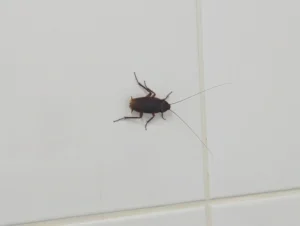
Every trap caught roaches, but the gap between the best and the worst was huge. The top trap (made by another brand) caught dozens of times more roaches than the lowest one.
The Catchmaster 1001 landed in the middle of the group, catching about nine times as many roaches as the Catchmaster 150. The 150 caught the fewest of all eight.
The team had a guess about why. The 150 was the only trap with no openings on the sides or top, and they watched roaches walk in through those openings on the other traps.
That’s a good reminder that design matters. The same tests found that a flat trap caught more roaches than the same trap folded into a tent.
Keep in mind that these were older models tested in a lab, and today’s Catchmaster traps may be different. But the lesson holds: the shape of the trap and the openings on it make a real difference.
A separate lab test at a German university found something similar. Different sticky traps caught very different amounts, and one model didn’t catch a single German, American, or oriental cockroach.
Even the best traps in that test caught at most about 30% of the German roaches and under 10% of the American roaches. So sticky traps do work, but how well they work depends on the design, the roach species, and where you put them.
Catchmaster Traps Work Best As A Warning System, Not A Cure
Here’s the part that surprises most people. Catchmaster traps are really monitoring tools, which means their main job is to tell you where roaches are and how many there are.
Even the company’s own 288I boards are sold to monitor crawling pest activity, not to wipe it out. The Purdue team came to the same conclusion about sticky traps in general.
The reason is simple: a trap only catches roaches that walk across it, and most of a roach population stays hidden in cracks and walls.
A female German cockroach carries an egg case (called an ootheca, which is basically a small pouch of eggs) with about 30 young inside, and she can make a new one every few weeks. One female and her offspring can produce over 30,000 roaches in a year.
With numbers like that, a trap that catches ten roaches a week barely makes a dent. The team also found that once the roach numbers got lower, none of the traps could keep cutting them down.
So treat your Catchmaster traps like a security camera: they show you who’s sneaking around, but they won’t lock the door.
Pick The Catchmaster Trap That Fits Your Home
Not every pack is made for the same job, so a quick look at the options can save you money. The label on the front will tell you what the trap is built for.
The cockroach traps in a pack of ten are the easy choice for most homes. They’re sized for kitchens and bathrooms, and a pack goes a long way in a small apartment.
The spider and insect traps come in a pack of four, and they’re handy for spot checks. Put one behind the toilet tank area, under a bed, or in a closet to see what’s crawling around.
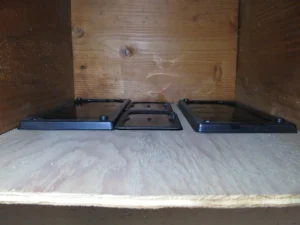
The 150RI roach and insect traps come 150 to a box. That’s a lot more than a typical home needs, so they make more sense for landlords, building managers, and pest pros.
The 288I monitoring boards come 72 to a case, and they’re built for checking crawling pest activity in homes and businesses. The label suggests one trap per room or per 100 square feet, which is fine for a quick check.
For a real roach problem, though, you’ll want more traps than that in the kitchen and bathroom. More traps give you a clearer picture of where the roaches actually are.
Whatever you buy, check the label for the right use. Catchmaster says its traps are for indoor use, and some are made for insects only, not mice.
How To Set Catchmaster Traps So They Actually Catch Roaches
Start by peeling off the protective cover to expose the glue. Catchmaster says to wear gloves when you handle new traps, because oils and dirt from your fingers can dull the glue.
Next, pick a spot where roaches already travel, and lay the trap flat along a wall, in a corner, or in the gap behind the fridge or stove.
You can also fold a trap into a tunnel. Catchmaster’s directions say a covered trap helps protect the glue in dusty areas, and it keeps little fingers and paws out.
In the Purdue tests, flat traps caught more roaches than folded ones, so go flat in a tight spot like under the fridge. If it’s a dusty spot or a place where kids and pets roam, a tunnel makes more sense.
Good places to try include behind the fridge, under the sink, inside cabinets near pipes, under the bathroom vanity, and next to doors that lead outside. Skip the middle of the room, since roaches rarely cross open floors.
Catchmaster also says to keep traps away from heating vents, sunny windows, and bathroom floors that get splashed. Heat and moisture can weaken the glue.
Write the date on the back of each trap (a marker works fine) so you know how long it’s been out, then check it every day for the first few days.
Once you spot where the roaches are getting caught, put more traps there and add other tools to the mix.
Why Your Catchmaster Traps Might Not Be Catching Anything
If a trap has been out for a week and it’s empty, don’t give up yet. There are a few common reasons, and most are easy to fix.
The most common one is the spot: if a trap sits in the middle of a room or a hallway where roaches don’t go, it’ll stay clean. Move it to a wall, a corner, or a gap.
Dust and grease are the next problem, since a thin layer of kitchen grease or garage dust (even a light film) can coat the glue so a roach walks right across it. Catchmaster says to keep traps away from dusty spots and airborne grease.
Temperature can matter too. Catchmaster says its glue works best between about 50 and 95°F (10 to 35°C), and it makes cold weather trays that work down to 0°F (about -18°C) for places like garages and cabins.
Cold also makes roaches less active, since they like it warm. So a trap in a chilly basement may catch very little even if roaches are nearby.
Then there’s the chance that you just don’t have many roaches, and an empty trap in a good spot after several days can actually be good news.
It’s also worth checking the trap itself. If it looks dusty, feels less sticky, or has been out for two or three months, swap it for a fresh one.
And remember that some traps just catch fewer roaches than others, as the lab tests showed. If a closed trap keeps coming up empty, try a different style right next to it.
Are Catchmaster Glue Traps Safe Around Kids And Pets?
Catchmaster says its roach and insect traps don’t contain poison, and it lists the 288I boards as safe around children and pets when you use them as the label says.
That’s good, but safe doesn’t mean harmless. The glue is very strong, and a curious pet or a toddler can get stuck if they walk onto it.
The easy fix is placement: put traps behind appliances, under the sink, inside closed cabinets, or behind furniture where little paws and hands can’t reach.
The narrow openings on the folded tunnel style help too, since they’re meant to block paws and fingers. But they’re not a substitute for smart placement.
If someone does get stuck, don’t pull. Catchmaster says vegetable oil can dissolve the glue, so rub a little on the stuck spot, then wash with soap and warm water.
If the trap is on your pet’s face or they’re panicking, call your vet. And always wash your hands after you handle a trap full of roaches, because roaches walk through trash and drains and can carry germs.
Since the traps are made for indoor use, keep them off patios and out of yards so wildlife and neighborhood pets can’t step on them.
What Should You Use With Catchmaster Traps To Get Rid Of Roaches?
Traps are the scout, but for the real fight you need tools that kill roaches where they hide.
Gel baits and bait stations are the main choice. Roaches eat the bait and die later, so it can take a week or more before you notice fewer roaches.
Put small dabs of gel, or a few bait stations, near the spots where your traps caught the most roaches (under appliances, along walls, and inside cabinets are the usual targets). That’s where a trap map really pays off.
Boric acid powder is another good option. A very thin layer in dry, hidden spots like under the fridge and behind the stove works best, because thick piles clump up and stop working.
Skip bug bombs and sprays, because they can scatter roaches into other rooms without killing them, and many roaches have grown resistant to common sprays.
Cleaning matters as much as any product. Wipe up crumbs and grease, store food in sealed containers, fix leaky pipes, and seal the cracks around pipes and baseboards.
Keep your traps out while you treat, because if the number of roaches you catch keeps dropping over a couple of weeks, you know your plan is working.
For a serious problem, or if you live in an apartment where roaches move between units, call a licensed pest control pro. Your trap notes will save them a lot of time.
Are Catchmaster Glue Traps Worth The Money?
For what they do, yes, because a pack of Catchmaster roach traps is usually under ten dollars and gives you real information about your roach problem.
Think of it as paying for a map. You’ll learn which rooms are worst, where the roaches hide, and which kind you have, and that can keep you from buying products you don’t need.
They’re not worth it if you’re hoping they’ll replace everything else. Buying ten packs and covering the house in traps won’t clear out a big infestation, as the lab tests showed.
They’re also a bargain compared to guessing. Treating the wrong spot with bait or powder wastes money and time, and traps help you aim.
If you’re choosing between brands, look at the design more than the logo. A trap with openings on the sides or top, a flat option, and a fresh sticky surface will usually do better than one that’s closed up.
Not sure what’s living in your home? A trap or two is a cheap way to find out before you call a pro.
Conclusion
So, do Catchmaster glue traps work? Yes, they work for catching roaches and showing you where they hide, but they don’t work as a cure on their own.
They’re cheap, easy to use, and they don’t use poison, which makes them a smart first step. Just remember that a trap only catches the roaches that walk across it.
Set your traps flat along walls and corners, keep them away from dust, grease, and damp, and replace them when they’re full or dusty. Check them every day at first, then once a week.
Use what the traps teach you to put bait and boric acid in the right spots, and clean up and seal the gaps. If the roaches keep coming back, call a licensed pro.
Think of Catchmaster traps as the scout and your bait as the army, and you’ll get the most out of both.

Hi, my name is Ezra Mushala, i have been interested animals all my life. I am the main author and editor here at snakeinformer.com.