
Waking up with itchy bites and a hunch that something is living in your mattress makes anyone want a quick fix. A pack of cheap glue traps looks like one.
Glue traps cost very little, they don’t use chemicals, and you can slide them under the bed in about a minute. So are glue traps effective for bed bugs?
Glue traps aren’t effective for getting rid of bed bugs, and they’re only so-so at finding them. Interceptor cups under your bed legs detect them better, while heat, vacuuming, and mattress covers do the real treatment.
Glue traps do catch a few bed bugs now and then. But they miss most of them, because the problem lives in places a sticky board never reaches.
In this guide, you’ll learn why glue traps struggle, what works better for catching bed bugs, and the steps that actually clear them out.
Why People Reach for Glue Traps When Bed Bugs Show Up
Bed bugs make people panic, and that’s understandable, since they bite while you sleep and hide in the one place you can’t avoid.
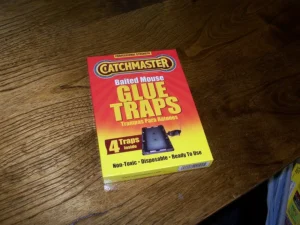
So a glue trap feels like a smart move. It’s cheap, it’s easy to find, and it seems to promise a way to fight back tonight.
There’s also a nice feeling in seeing something stuck on a board, since it feels like proof that you’re winning.
But a trap only helps if the bugs walk across it, and with bed bugs, that’s a big if.
How Do Glue Traps Work on Bed Bugs?
A glue trap is a flat board or tray coated with sticky adhesive, and any bug that walks across it gets stuck.
Bed bugs are small, wingless insects about 1/4 inch long (roughly the size of an apple seed), and they can’t fly or jump.
That sounds like perfect glue trap material, since a bug that only crawls has to cross the glue to get anywhere.
In real homes, though, it doesn’t work that way, because bed bugs don’t wander across your floor looking for food.
They travel along a short, steady route between their hiding spot and you, and a board that sits off that path never gets touched.
Some traps add a lure, like carbon dioxide or a heat source, to pull bed bugs in. Those cost more, and a plain glue board has no lure at all.
Bed Bugs Don’t Wander the Way Roaches Do
Bed bugs hide close to where people sleep, usually within a few feet of the bed, in mattress seams, box springs, bed frames, and headboards.
At night, they come out, bite, and feed for several minutes, and then they crawl back to their hiding spot to rest.
Their route is short and predictable, because they climb up the bed frame or legs to reach you and climb back down when they’re done.
A glue board sitting in the middle of the room is nowhere near that route. It’s like putting a speed trap on a street nobody drives down.
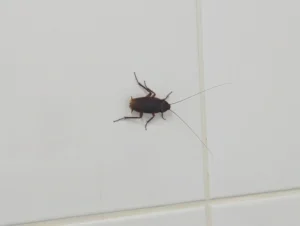
That’s why a trap that works fine on roaches or spiders can do almost nothing against bed bugs. The bugs simply don’t walk where the board is.
What the Research Says About Glue Traps and Bed Bugs
Researchers at Rutgers University tested different bed bug monitors in real apartments. In one case, four sticky traps in each unit caught no bed bugs at all.
Interceptor cups in those same units found active infestations, which shows how easy it is for a glue board to miss a real problem.
In another study, interceptors under furniture legs caught nearly six times more bed bugs than a careful visual inspection. Even in light infestations, they caught about 9 per apartment in a week.
Glue boards are the cheapest type of bed bug monitor. But pest pros rank them below interceptors and carbon dioxide monitors, so you really do get what you pay for.
A 2025 UC Irvine study found that glue boards and interceptor cups are the two most common bed bug monitors. It also showed a new trapping material could beat most commercial ones.
So the science matches what pest pros see in the field. Glue boards can catch a bug, but they’re a weak way to find a hidden infestation.
Why Do Interceptor Cups Work Better Than Glue Boards?
An interceptor is a small pitfall trap that sits under each leg of a bed or sofa. The outer wall is rough, so bed bugs can climb it, but the inner well is slick.
A bed bug climbing up the leg to reach you falls into the well and can’t get out. The same thing happens to a bug trying to climb back down.
That’s a big difference from glue boards, because the interceptor sits right on the bug’s route and catches the ones that matter.
It also works on bugs of every size, including tiny nymphs (young bed bugs) that might walk right over a sticky board without sticking.
You can buy interceptors online or at many hardware stores for a few dollars each. A set for a bed and two chairs costs far less than an infestation.
Interceptors remove the bugs they catch, which slows things down a little. However, they can’t stop an infestation on their own, since bugs that never climb a leg stay free.
Can You Make Your Own Bed Bug Interceptor?
Yes, a homemade version uses the same idea as the store-bought cups, though the real ones are built better.
Some health departments describe a simple moat setup. Each bed leg sits in a smooth dish, and the walls get a light dusting of talcum powder so bugs can’t climb out.
Keep the powder away from your face, and from kids and pets, since breathing in dust isn’t good for anyone.
The setup only works if nothing else gives bugs a bridge. Move the bed off the wall and tuck up any dangling sheets.
Still, a few dollars gets you a proper interceptor with a better design, so most people are better off buying one.
Are Bed Bug Traps With Lures Any Better?
They can be, since some monitors use carbon dioxide (the gas you breathe out), heat, or scent to pull bed bugs in from farther away.
Researchers have tested several, including dry ice monitors and plug-in devices. A few caught bugs that a visual inspection missed.
The catch is cost and fuss. Lure traps are pricier, need refills or power, and work best in empty rooms where there’s no sleeping person to compete with.
For most homes, simple interceptors under the bed legs are the best value. A pest pro can bring in the fancier monitors if you need them.
Can Glue Traps Still Help You Catch Bed Bugs Early?
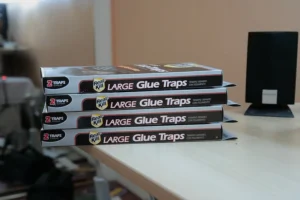
A little, as a backup. A glue board near the bed can sometimes catch a bug that the interceptors miss, and it costs almost nothing.
Put one along the wall behind the headboard or tucked next to the bed frame. Keep it out of the path of your feet and your pets.
Check it every few days. If you find even one bed bug, treat it as serious, because bed bugs rarely show up alone.
Sticky boards also catch other things, like spiders, ants, and silverfish. So a stuck bug isn’t always a bed bug, and it’s worth a close look.
If you’re not sure what you caught, take a photo or save the bug in a sealed bag. A pest pro or your local extension office can tell you what it is.
Where to Put Traps and Interceptors for the Best Chance
Put interceptors under every leg of the bed, then add them to sofas and recliners where you sit or nap.
Pull the bed a few inches away from the wall so bugs can’t climb across and skip the interceptors. Take off any bed skirt too.
Keep sheets and blankets from touching the floor. If they hang down, bed bugs can use them as a bridge and walk right around your traps.
Check the interceptors once a week with a flashlight, and write down the date and the count.
If you use glue boards too, put them behind the headboard and next to the bed frame. Replace them when they get dusty or full.
Keep checking for a few weeks after your last sighting, since bed bugs can go for months without a meal.
How Can You Tell If You Really Have Bed Bugs?
Don’t go by bites alone. Bed bug bites look a lot like mosquito or flea bites, and some people don’t react to them at all.
Look for the bugs themselves instead. Use a flashlight and a stiff card (like an old credit card) to check seams, tufts, and cracks along the mattress, box spring, and headboard.
You might see small rusty or dark spots on the sheets, which are bed bug droppings and blood stains. You might also find shed skins and tiny pale eggs.
Check the bed frame, the wall behind the headboard, and nearby furniture, and look in nightstands and behind outlet covers too.
If you find live bugs, shed skins, or a cluster of dark spots, you probably have bed bugs. A photo helps if you need to call a pro.
Why Looking for Bed Bugs by Eye Isn’t Enough
Bed bugs are flat, small, and very good at hiding, so a quick look at the mattress can miss a light infestation.
That’s one reason interceptors beat visual checks, since they work all night, every night, even when you’re not looking.
So use your eyes and your traps together. A weekly look and a weekly interceptor check give you a much better picture than either one alone.
Do Bed Bug Bites Spread Disease?
The good news is that bed bugs aren’t known to spread disease, and health agencies in the US have said so for years.
That doesn’t mean the bites are harmless, because they can itch a lot, and scratching can lead to infection.
Some people get big, swollen welts, while others barely notice a mark, and lost sleep and stress can add up fast either way.
So treat the problem as a quality-of-life issue and not an emergency. Act quickly, but there’s no need to panic.
What Should You Do the First Night You Find Bed Bugs?
Stay calm, and don’t move to another room, because the bugs will follow you and you’ll have a bigger area to treat.
Strip the bed and bag the sheets, then wash them in hot water and dry them on high heat for at least 30 minutes.
Vacuum the mattress seams, bed frame, and floor around the bed. Then seal the vacuum bag in plastic and put it in an outdoor trash can.
Set interceptors under the bed legs, and put a bed bug mattress cover on the mattress and box spring if you have one.
Take a few photos, write down what you found, and tell your landlord if you rent. Then call a licensed pest pro for a plan.
What Actually Gets Rid of Bed Bugs?
Heat is the best weapon. Wash bedding and clothes in hot water (120°F or higher), then dry them on high heat for at least 30 minutes.
Vacuum often, going over the mattress seams, bed frame, baseboards, and furniture, and seal the bag in plastic before you toss it.
Use a mattress and box spring cover made for bed bugs, not a regular allergy cover. A good one traps bugs inside and keeps new ones out.
Steam can help too. Apply it slowly to seams, tufts, and cracks, because bed bugs and their eggs die when the heat reaches them.
Declutter around the bed, since fewer piles of clothes and boxes means fewer places for bugs to hide.
If you use a pesticide, pick one with an EPA registration number and a label that lists bed bugs, and follow the directions exactly.
For most homes, hiring a licensed pro is the fastest route. A pro can use heat treatments, targeted products, and follow-up visits to catch what you miss.
Why Bug Bombs and Home Remedies Make Things Worse
Foggers (bug bombs) don’t work on bed bugs. They only reach bugs out in the open, and bed bugs hide in cracks that the fog never touches.
Worse, foggers can scatter bed bugs into other rooms, which spreads the problem. Misusing them can also create a safety hazard.
Dryer sheets, plant oil repellents, and similar remedies haven’t been shown to work either, so they may smell nice but the bugs don’t care.
Don’t throw your mattress out as a first move. Bed bugs will follow you to wherever you sleep, and a dumped mattress can spread them to the next person.
And don’t just move to another room, because the bugs will find you and now you’ve got a bigger area to treat.
How Long Does It Take to Get Rid of Bed Bugs?
Plan on weeks, and sometimes a few months, because eggs can survive some treatments and newly hatched bugs can show up after the first round.
In one Rutgers study, researchers visited homes every two weeks until the interceptors stopped catching any bed bugs. That’s a good model for you too.
Keep the interceptors in place and keep checking them, and when you go several weeks with zero catches, you can start to feel confident.
Don’t stop early because the bites stopped, since a few survivors can rebuild the problem and it only takes one.
Should You Tell Your Landlord or Hotel?
Yes, tell them right away, because bed bugs spread through walls, pipes, and shared hallways, so one unit’s problem can become everyone’s.
If you rent, tell your landlord in writing and keep a copy. Check your local laws too, since rules about who pays for treatment vary by state and province.
In a hotel, ask for a different room, and not one right next to the first, then check your luggage before you bring it home.
Keep your suitcase off the bed and floor while you travel. When you get home, run your clothes through a hot dryer for 30 minutes or more.
How Do You Keep Bed Bugs From Coming Back?
Check before you bring things in, and look over used furniture, secondhand mattresses, and luggage, since bed bugs are great hitchhikers.
Keep the mattress cover on, and leave interceptors under your bed legs for good, since they work like an early warning system.
Cut down on clutter and vacuum regularly, because bed bugs love places where nobody looks.
And keep up the habit of checking seams and cracks every few weeks. Catching a few bugs early is much easier than treating a full infestation.
Conclusion
Glue traps aren’t effective for getting rid of bed bugs, and they’re only so-so at finding them. Bed bugs travel short routes between their hiding spots and you, and a floor board rarely meets them.
Interceptor cups under your bed legs do a much better job of detecting them, and they cost only a few dollars each.
The real fix is heat, vacuuming, mattress covers, and sometimes a professional treatment. Skip bug bombs and home remedies, since they tend to make things worse.
Be patient, keep checking your interceptors, and call a pro if the problem doesn’t fade, because with the right tools, bed bugs are beatable.

Hi, my name is Ezra Mushala, i have been interested animals all my life. I am the main author and editor here at snakeinformer.com.